Chinese Medicine Acupuncture and Medical Acupuncture: How They Differ
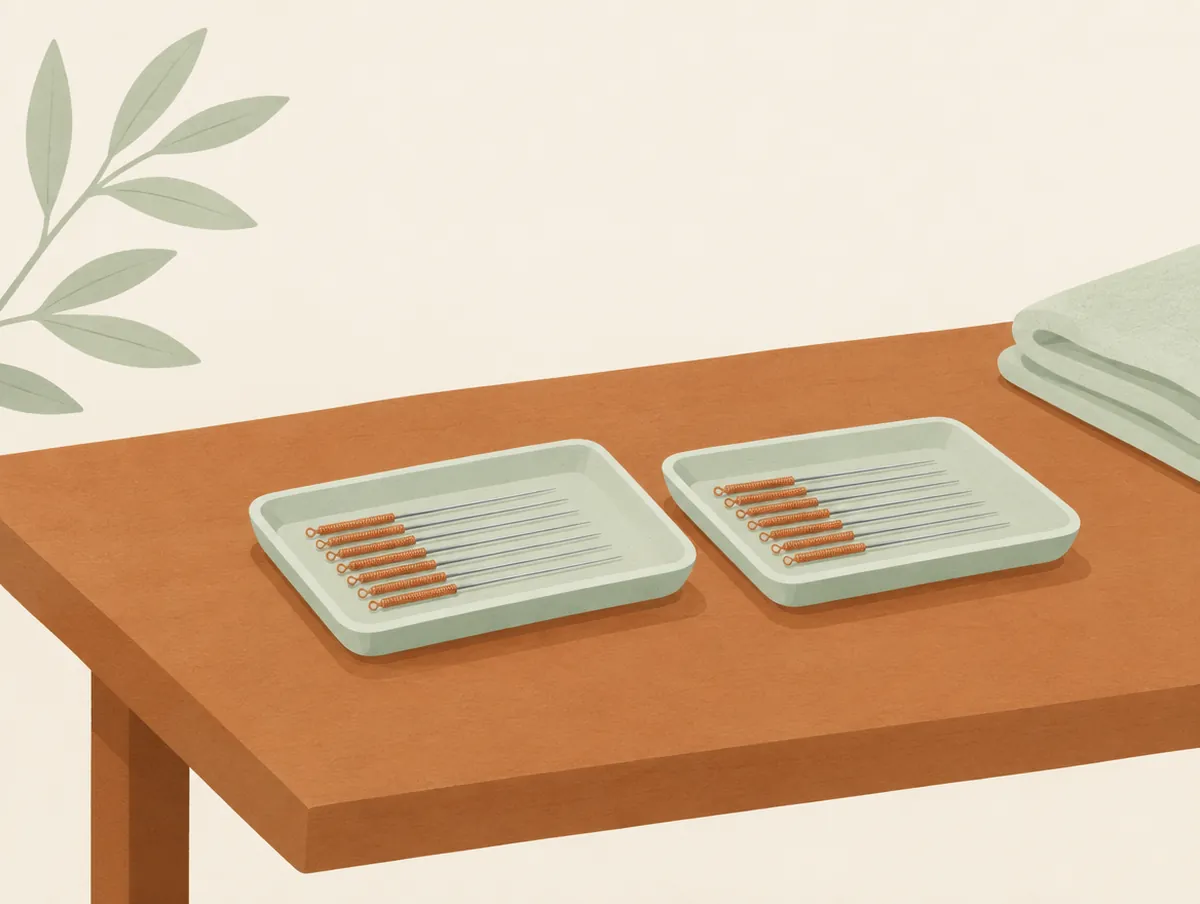
Acupuncture is practised in Ontario in more than one way. Two of the most common are Traditional Chinese Medicine (TCM) acupuncture and medical acupuncture. Both use the same fine, sterile, single-use needles. They differ in who practises them, how the practitioner reaches a diagnosis, and how the points are chosen. This post explains those differences. It is not a ranking: both approaches are legitimate, and the right one depends on what you are looking for.

1. Who practises it
In Ontario, acupuncture in the Chinese medicine tradition is practised by Registered Acupuncturists (R.Ac) and Registered Traditional Chinese Medicine Practitioners (R.TCMP), who are regulated by the College of Traditional Chinese Medicine Practitioners and Acupuncturists of Ontario (CTCMPAO). I trained at the Institute of Traditional Medicine and the Toronto School of TCM from 2006 to 2010, and I am registered as both.
Medical acupuncture is usually practised by other regulated health professionals, such as physicians, physiotherapists and chiropractors, who add acupuncture to their existing practice after further training. Their own college sets the rules for how they use it.
2. The theory behind it
TCM acupuncture is based on Chinese medicine theory: qi, yin and yang, the organ systems and the channels (meridians) that the points sit on. The practitioner uses that framework to understand the problem as a pattern.
Medical acupuncture is usually explained in terms of Western anatomy and physiology: nerves, muscles, trigger points and how the nervous system handles pain.
3. How the diagnosis is made
In a TCM visit, I ask about the main complaint and also about sleep, digestion, energy, temperature, the menstrual cycle where relevant, and stress. I look at the tongue and feel the pulse. The answers point to a Chinese medicine pattern, and the treatment is chosen for that pattern.
In medical acupuncture, the assessment usually follows the practitioner’s own profession: a physiotherapist, for example, will assess movement and the injured tissue, and a physician will work from a medical diagnosis.
4. How points are chosen
In TCM acupuncture, points are chosen for the pattern as well as the area that hurts. Someone with low back pain may have points on the back and also points on the legs or hands, chosen for the channels involved.
In medical acupuncture, points are more often chosen near the problem area, on trigger points or along the nerve supply to the area.
5. What else is used
A TCM practitioner may combine acupuncture with other Chinese medicine treatments: Chinese herbal medicine (for R.TCMPs), cupping, moxibustion, tuina and diet advice based on the same diagnosis.
Medical acupuncture is usually one part of a treatment plan in the practitioner’s own field, alongside exercise, manual therapy or medication.
Which one is right for you?
If you are already seeing a physiotherapist or physician who offers acupuncture, it may make sense to have it as part of that care. If you want an assessment based on Chinese medicine, or you are interested in combining acupuncture with Chinese herbs, look for an R.Ac or R.TCMP. You can check any practitioner’s registration on their college’s public register.