
What Does Acupuncture Actually Do to Your Body?
Quick answer: Acupuncture stimulates specific points on the body with thin, sterile needles, triggering nervous system responses that can calm pain signals, relax tight muscles, and encourage better blood flow. In Traditional Chinese Medicine terms, it restores the smooth flow of Qi and blood through the body’s channels so the body can heal itself.
Many patients ask me what does acupuncture actually do to your body before they ever sit down for a first session, and it’s a question worth taking seriously rather than brushing aside with a vague answer. Acupuncture has been practiced for thousands of years, but it isn’t magic, and understanding the mechanisms behind it can make the experience feel far less mysterious and far more approachable.
In this article
- How Acupuncture Works From a Western Medical Perspective
- How Acupuncture Works From a Traditional Chinese Medicine Perspective
- What Happens During and After a Treatment
- Conditions Acupuncture May Help
- Choosing a Qualified Acupuncturist
- Frequently Asked Questions
- New Patients: Start Your Treatment Plan
How Acupuncture Works From a Western Medical Perspective
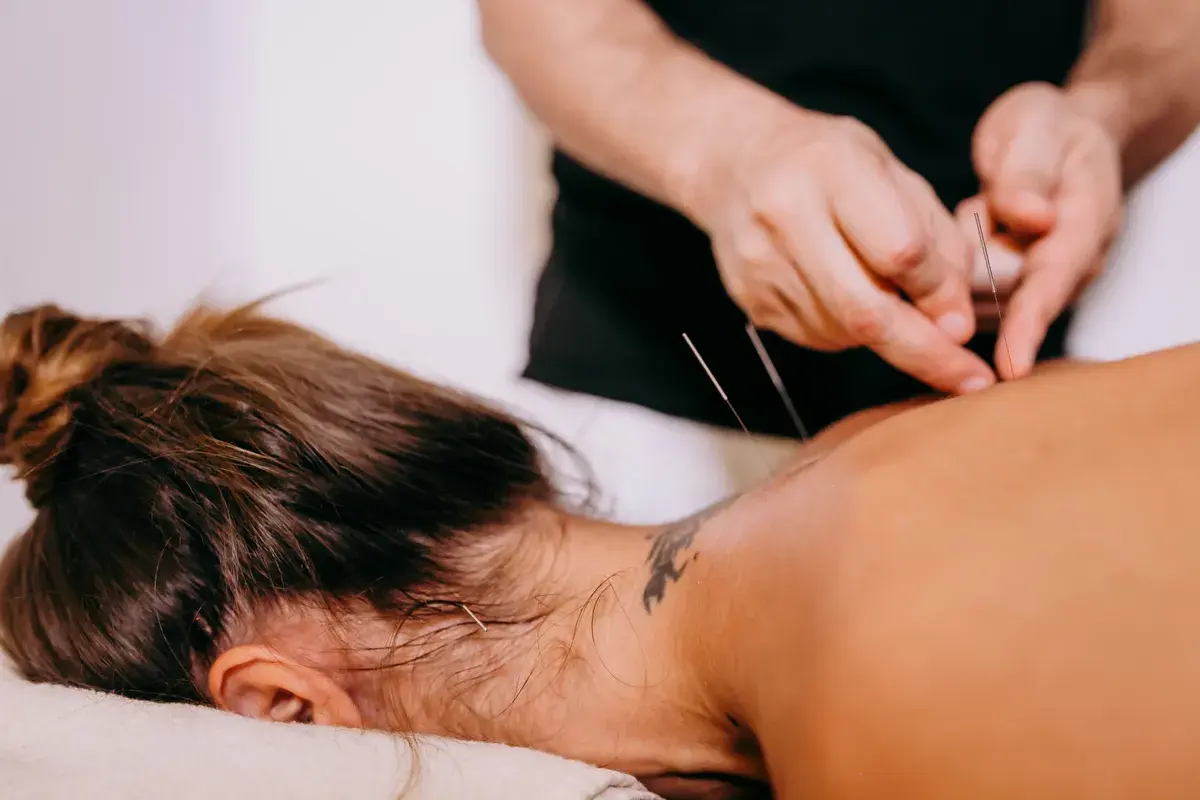
Nervous System Stimulation
When a needle is inserted into the skin and underlying tissue, it activates sensory nerves that send signals to the spinal cord and brain. This can prompt the release of natural pain-relieving chemicals, including endorphins, and can also influence the autonomic nervous system, shifting the body out of a stress response and into a more relaxed state. This is part of why patients often feel noticeably calmer during and after a session.
Blood Flow and Inflammation
Needling also causes a localized micro-response in the tissue, which can increase blood flow to the area. Improved circulation helps deliver oxygen and nutrients while assisting the body in clearing inflammatory byproducts. For chronic pain conditions where stiffness and poor circulation play a role, this effect is often part of why patients report looser muscles and less discomfort after treatment.
How Acupuncture Works From a Traditional Chinese Medicine Perspective
Qi, Blood, and the Body’s Channels
In Traditional Chinese Medicine, I look at the body as a network of channels, or meridians, through which Qi and blood circulate. When that flow is disrupted, whether by injury, stress, or illness, pain or dysfunction can follow. Acupuncture points sit along these channels, and needling them is meant to clear blockages and restore smooth movement.
Restoring Balance Rather Than Masking Symptoms
Since earning my acupuncture diploma in 2008, I’ve approached treatment as a way to address the underlying pattern of disharmony rather than simply quieting a symptom. A headache, for instance, might stem from different root causes in different patients, and the acupuncture points selected should reflect that individual pattern rather than a single standard protocol.
What Happens During and After a Treatment
During the Session
Most patients feel only a brief, light sensation as each needle is placed, followed by a dull, heavy, or tingling feeling known in Chinese medicine as “deqi,” which practitioners take as a sign the point has been properly stimulated. Needles typically remain in place for twenty to thirty minutes while the patient rests.
After the Session
It’s common to feel relaxed or even sleepy afterward, and some people notice an immediate easing of pain, while others experience gradual improvement over several sessions. Mild soreness at a needle site is possible but usually resolves within a day.
Conditions Acupuncture May Help
Acupuncture is widely used for chronic pain such as back pain, sciatica, knee pain, and headaches, and many patients also seek it out for digestive complaints, sleep disturbances, stress, and menstrual concerns. Because it works on both the nervous system and the body’s broader energetic balance, it can support a wide range of concerns rather than targeting just one symptom in isolation.
Choosing a Qualified Acupuncturist
Because the effects of acupuncture depend heavily on an accurate diagnosis and precise point selection, the practitioner’s training and approach matter. At Traditional Healing Centre, every treatment plan begins with the patient’s own Traditional Chinese Medicine diagnosis rather than a generic, one-size-fits-all protocol. I also draw on complementary therapies, including Chinese herbal medicine, Chinese cupping, moxibustion, Tuina massage, and cosmetic acupuncture, to tailor a plan around what each patient’s body actually needs. If you’d like to discuss your symptoms before committing to a plan, you can get in touch with any questions.
Frequently Asked Questions
Does Acupuncture Hurt?
Most patients describe the sensation as minimal, often just a quick pinch followed by a sense of pressure or warmth rather than sharp pain.
How Many Sessions Will I Need?
This varies by condition and by how long symptoms have been present. Acute issues may respond within a few sessions, while chronic conditions typically require an ongoing course of treatment built around your diagnosis.
New Patients: Start Your Treatment Plan
If you’re curious how acupuncture might help your own chronic pain, sleep, digestion, or stress concerns, I invite you to book an appointment and begin with a proper Traditional Chinese Medicine diagnosis. Visit Traditional Healing Centre to learn more and take the first step toward lasting relief.