
Acupressure Massage: Benefits and How It Relates to Acupuncture
Quick answer: Acupressure massage is a hands-on bodywork technique that applies pressure to specific points along the body’s meridians to help ease muscle tension and support the flow of Qi and Blood. It does not use needles, which makes it a gentle option for people who want the benefits of point stimulation without acupuncture. Many Traditional Chinese Medicine clinics offer a related technique called Tuina massage, which combines acupressure with stretching and joint mobilization.
Acupressure massage has become a familiar term for people searching for a non-needle way to address muscle tension, tension headaches, or everyday stress. Because it draws on the same point locations and meridian theory used in acupuncture, it sits within the broader framework of Traditional Chinese Medicine, even though the tools used to stimulate those points are different. Understanding how it works, what it can help with, and how it fits into a larger course of treatment can help you decide whether it is worth discussing with a practitioner.
In this article
- What Is Acupressure Massage?
- Potential Benefits of Acupressure Massage
- What to Expect During a Session
- Why Diagnosis Matters in Acupressure Massage
- Is Acupressure Massage Right for You?
- New Patients: Start With a Conversation
What Is Acupressure Massage?
Acupressure massage involves applying firm, sustained pressure with the fingers, thumbs, palms, or elbows to specific points along the body’s meridians. In Traditional Chinese Medicine theory, these meridians are pathways through which Qi and Blood circulate. When that flow is restricted, a pattern of Qi and Blood stagnation can develop, which practitioners associate with muscle tightness, aching, and reduced mobility.
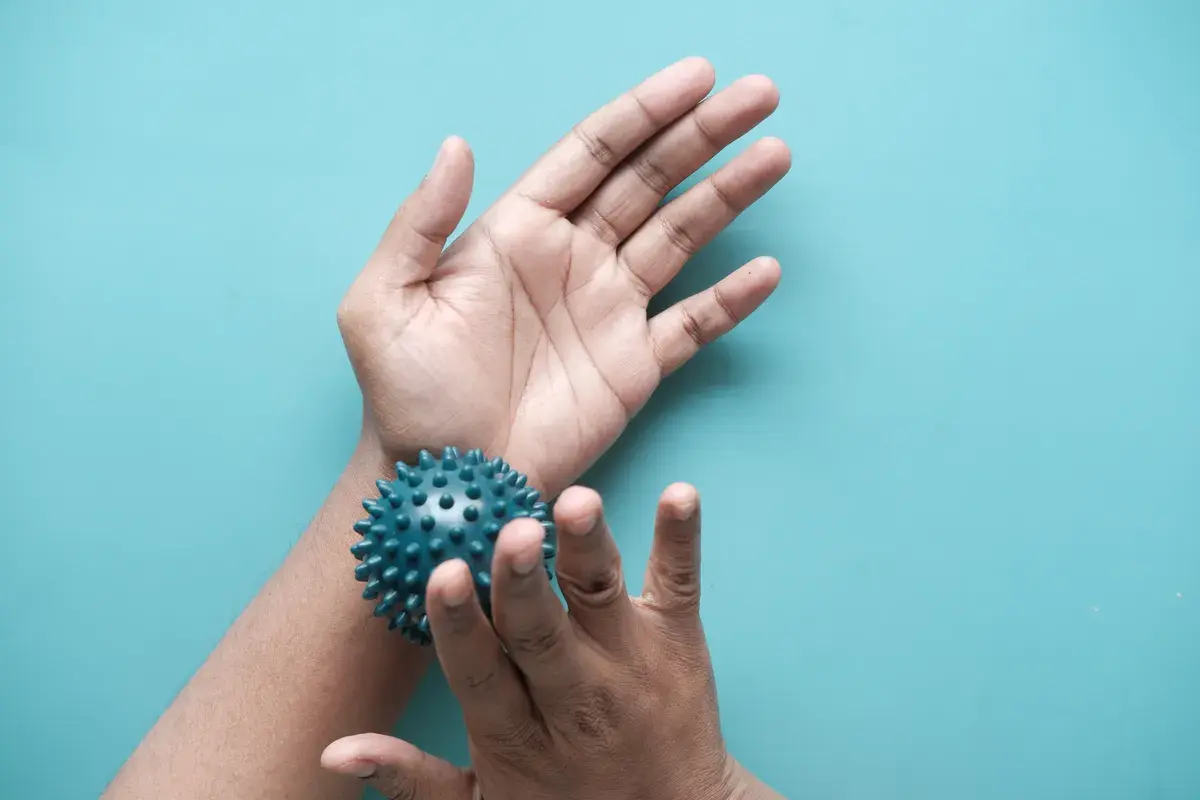
Photo by Towfiqu barbhuiya on Pexels
How It Differs From Acupuncture
Acupuncture and acupressure massage target many of the same points, but the method of stimulation differs. Acupuncture uses fine, sterile needles inserted into the skin, while acupressure relies entirely on manual pressure. Some patients prefer acupressure because it is needle-free, while others combine both approaches as part of a broader course of treatment. Neither technique is meant to replace the other; they simply offer different ways to work with the same underlying theory.
Potential Benefits of Acupressure Massage
Chronic Pain and Muscle Tension
People dealing with chronic back pain, sciatica, knee pain, or recurring headaches sometimes turn to acupressure massage as a way to ease muscle tension around the affected area. By working on points connected to the muscles and meridians involved, a practitioner aims to help relax tight tissue and support better local circulation.
Stress, Sleep, and Digestive Support
Beyond musculoskeletal concerns, acupressure massage is also used to address stress, poor sleep, and digestive discomfort. Because Traditional Chinese Medicine views the body as an interconnected system, points used for digestive support may also be associated with calming the mind, which is why many patients report feeling more relaxed after a session.
What to Expect During a Session
A typical visit begins with a conversation about your symptoms, followed by the practitioner identifying the pattern that best explains what you are experiencing. From there, pressure is applied to selected points, often held for several seconds to a minute at a time. Sessions can vary in length depending on the areas being addressed and whether acupressure is being combined with other techniques, such as cupping or moxibustion, as part of a longer course of treatment.
Why Diagnosis Matters in Acupressure Massage
I always start with a full diagnosis before deciding which points or techniques are appropriate. This means asking a lot of questions about your pain and your health in general, then looking at your tongue and taking your pulse. This process helps me work out why you are experiencing your symptoms, not just what they are, so the formula of treatment is built around your own pattern rather than a generic protocol.
At Traditional Healing Centre, I offer Tuina massage, which incorporates acupressure principles alongside stretching and joint mobilization, as well as acupuncture, Chinese herbal medicine, Chinese cupping, moxibustion, and cosmetic acupuncture. Every treatment plan here starts from your own Traditional Chinese Medicine diagnosis, never an off-the-shelf protocol, which means the points and techniques used are chosen specifically for your pattern. If you would like to discuss whether Tuina massage or another approach suits your symptoms, you can book an appointment.
Is Acupressure Massage Right for You?
Acupressure massage may be worth exploring if you are managing chronic pain, dealing with stress or sleep difficulties, experiencing digestive discomfort, or simply looking for a tailored Traditional Chinese Medicine approach to your overall well-being. Because every pattern is different, the best way to know whether it fits your situation is to have a proper diagnosis first. If you have questions about what a visit involves or want to know more before committing to a course of treatment, you can get in touch with any questions you have.
New Patients: Start With a Conversation
If you are curious about acupressure massage, Tuina massage, or how Traditional Chinese Medicine might support your chronic pain, stress, or sleep concerns, I invite you to reach out and learn more at Traditional Healing Centre.