
Massage vs Acupuncture for Pain: Which Should You Try?
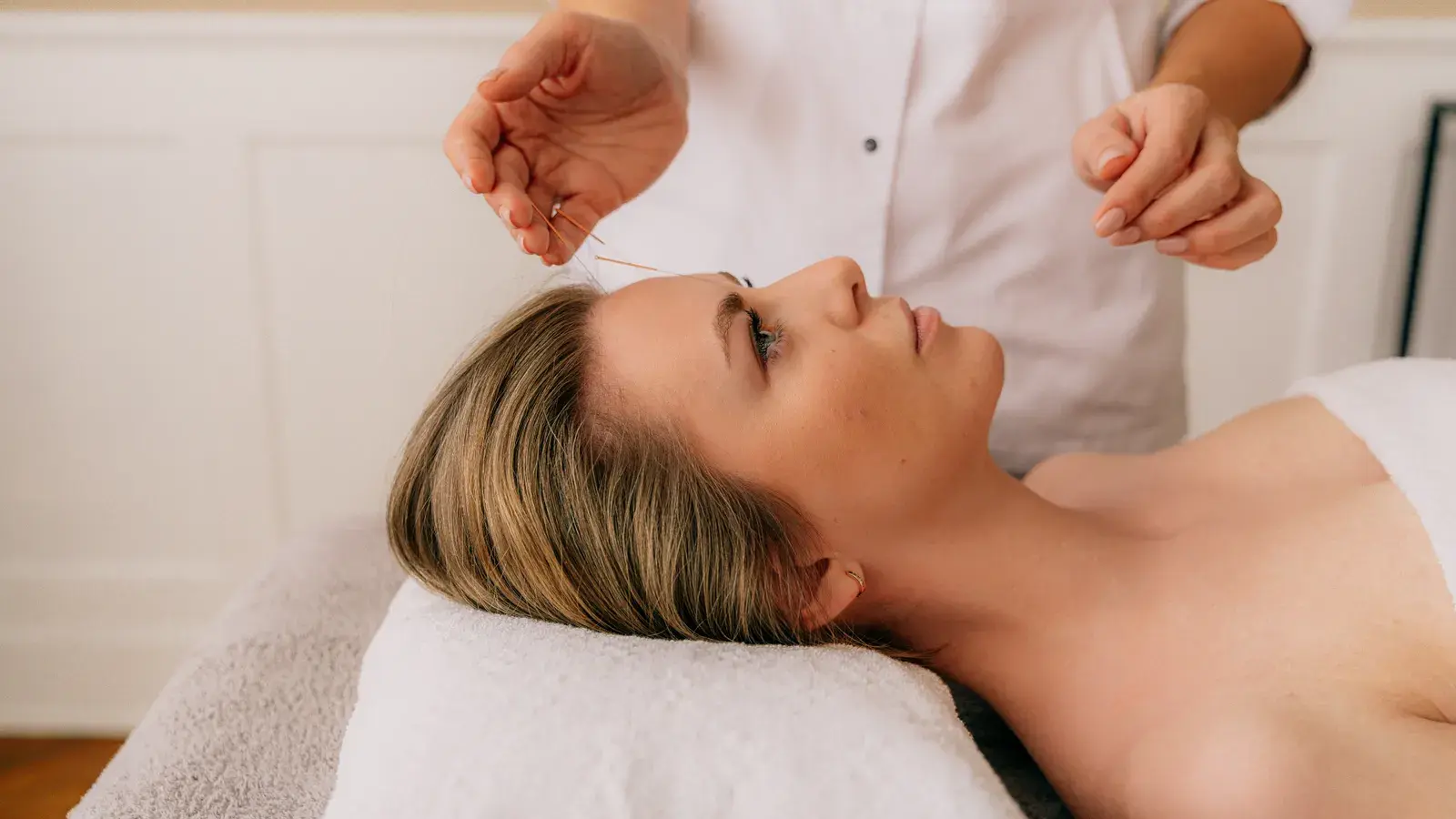
Quick answer: Tuina massage uses hands-on pressure, kneading and stretching along the body’s meridians to release Qi and Blood stagnation, while acupuncture uses fine needles inserted at specific points to achieve a similar goal. Both come from Traditional Chinese Medicine and are often used together rather than as competing options.
When patients ask me about massage vs acupuncture, they are usually trying to decide which one to try first for a specific concern. The truth is that these two therapies are not rivals. They come from the same system of medicine, rest on the same understanding of the body, and are frequently combined within a single course of treatment to support one another.
In this article
- Understanding the Two Approaches
- Massage vs Acupuncture: Key Differences
- When Each Approach May Help
- Combining Massage and Acupuncture
- Choosing a Clinic
- New Patients
- In this series
Understanding the Two Approaches
Both Tuina massage and acupuncture aim to restore smooth movement of Qi and Blood through the body. Where they differ is in the tools used to get there.

Photo by RDNE Stock project on Pexels
How Tuina Massage Works
Tuina massage involves pressing, kneading, rolling and stretching muscles and joints along the body’s channels. I use my hands to work directly on areas of tension, which can feel similar to a deep tissue massage but is guided by the patient’s pattern rather than a generic routine. Tuina is often well suited to muscular tightness, stiff joints and areas where Qi and Blood stagnation is close to the surface.
How Acupuncture Works
Acupuncture uses thin, sterile needles inserted at specific points along the body’s meridians. The needles are left in place for a period of time to encourage the free flow of Qi and Blood. Some visits also include gentle electric stimulation of the needles, which I explain in more detail in Acupuncture with Electric Stimulation: What to Know Before Your First Session. Acupuncture tends to reach areas that are harder to access through manual pressure alone, including points connected to internal organ systems.
Massage vs Acupuncture: Key Differences
Treatment Goals
Tuina massage is often chosen for muscular tension, stiffness and areas of localized stagnation. Acupuncture is used for a broader range of patterns, including internal concerns such as digestive upset, sleep disruption, stress and menstrual irregularities, alongside musculoskeletal complaints.
Sensation and Technique
Patients often describe Tuina massage as firm, rhythmic pressure, sometimes with stretching of the limbs. Acupuncture typically produces a light pinch on insertion, followed by a dull, heavy or tingling sensation around the needle, which most patients find settles quickly and feels calming.
Session Length and Course of Treatment
A Tuina massage visit is usually focused on the affected area and may take less time than a full acupuncture visit, which includes the diagnostic process, needle placement and rest time with the needles in place. Both therapies are generally recommended as part of an ongoing course of treatment rather than a single visit, since Qi and Blood stagnation often takes repeated sessions to resolve.
When Each Approach May Help
Chronic Pain and Muscle Tension
For back pain, sciatica, knee pain and headaches, I often recommend acupuncture as the foundation of treatment, sometimes paired with Tuina massage or Chinese cupping on the same visit to address surface-level tension. I cover this in more depth in What Is Acupuncture Best For? A Practical Guide to Its Uses.
Digestive, Sleep, Stress and Menstrual Concerns
These internal patterns are generally addressed through acupuncture and, where appropriate, a custom herbal formula. Tuina massage can support these goals by easing the muscular tension that often accompanies stress, but it is not typically the primary therapy for internal patterns.
Combining Massage and Acupuncture
A Tailored Treatment Plan
Many patients benefit from a plan that uses both therapies. A visit might begin with Tuina massage to loosen tight muscles, followed by acupuncture to address the underlying pattern. Moxibustion or Chinese cupping may also be added depending on what the diagnosis points to. This is why I never start from an off-the-shelf protocol. At Traditional Healing Centre, every treatment plan begins with the patient’s own Traditional Chinese Medicine diagnosis, including a thorough intake, a look at the tongue and a reading of the pulse, before I decide whether massage, acupuncture, herbal medicine or a combination is right for that visit.
Choosing a Clinic
When comparing clinics that offer massage, acupuncture or both, look for a practitioner who explains the reasoning behind each recommendation rather than applying the same routine to every patient. Traditional Healing Centre offers acupuncture, Chinese herbal medicine, Chinese cupping, moxibustion, Tuina massage and cosmetic acupuncture, all built around an individual diagnosis. If cosmetic acupuncture is of interest alongside pain or wellness goals, Acupuncture Cosmetic Treatments: What to Know Before You Book walks through what that involves.
New Patients
If you are weighing massage vs acupuncture for your own symptoms, the most reliable next step is a proper diagnosis rather than guesswork. I welcome new patients to book an appointment or visit Traditional Healing Centre to learn more about which approach may suit your pattern.
In this series
- Tui Na Massage: What It Is and How It Differs From Regular Massage
- Massage vs Acupuncture for Pain: Which Should You Try?
- Acupressure Massage: Benefits and How It Relates to Acupuncture