
Acupuncture for a Headache: How Treatment Works
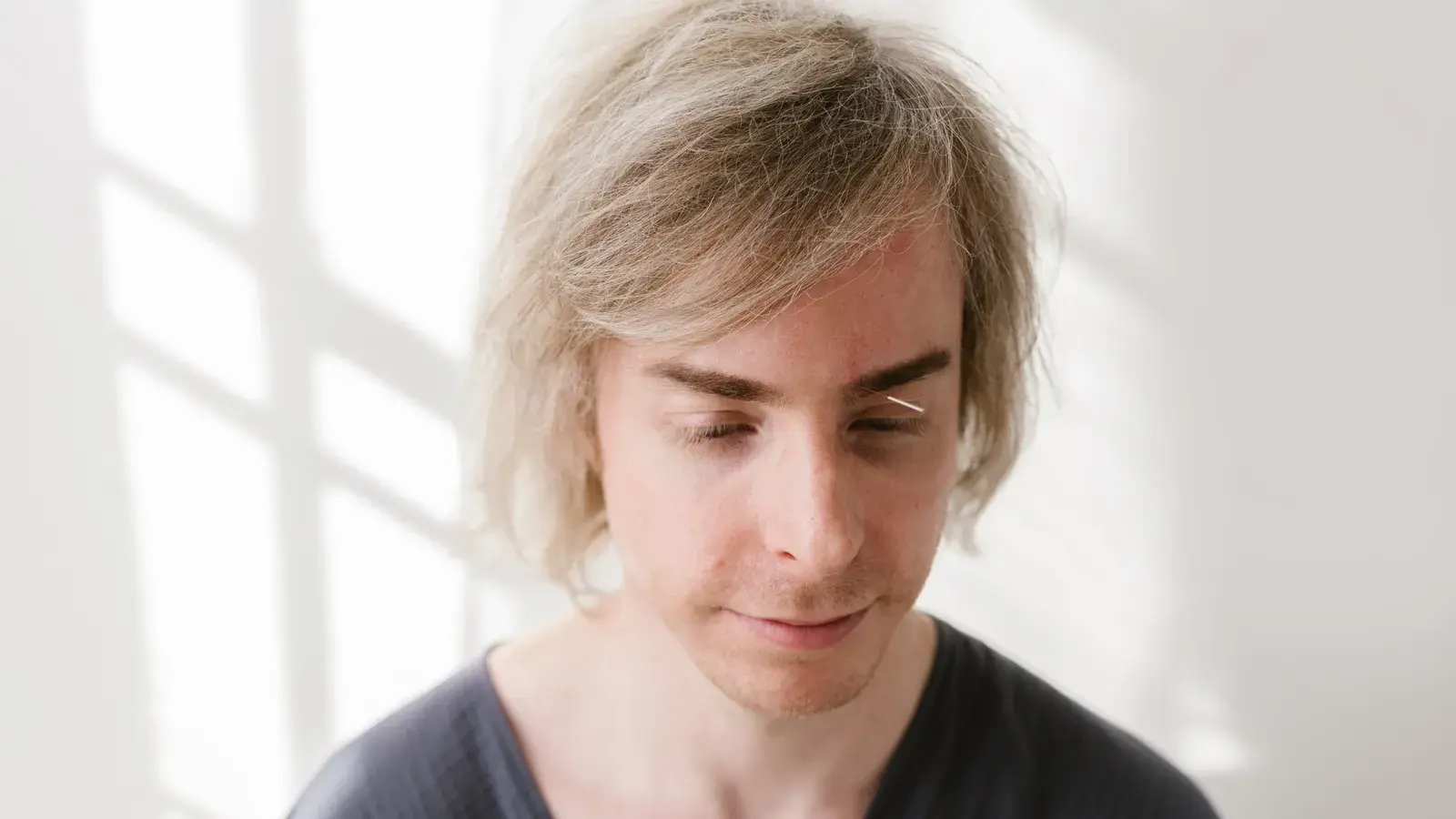
Quick answer: Acupuncture for a headache works by addressing the underlying pattern behind the pain — such as Liver Yang rising, Wind invasion, or Qi and Blood stagnation — rather than treating only the site where it hurts. A course of treatment, built around your own Traditional Chinese Medicine diagnosis, may help reduce how often headaches occur and how intense they feel.
Headaches bring many people through the door looking for acupuncture for a headache that keeps returning despite rest, over-the-counter remedies, or changes to daily habits. In Traditional Chinese Medicine, a headache is never treated as an isolated event. It is read as a signal from a larger pattern in the body, and understanding that pattern is the starting point for any meaningful course of treatment.
In this article
- Common Patterns Behind Headache Pain
- How Acupuncture for a Headache Works
- What to Expect From a Course of Treatment
- Combining Acupuncture With Other Traditional Therapies
- Finding Care in Keswick, Ontario
- When to See Your Doctor Too
Common Patterns Behind Headache Pain
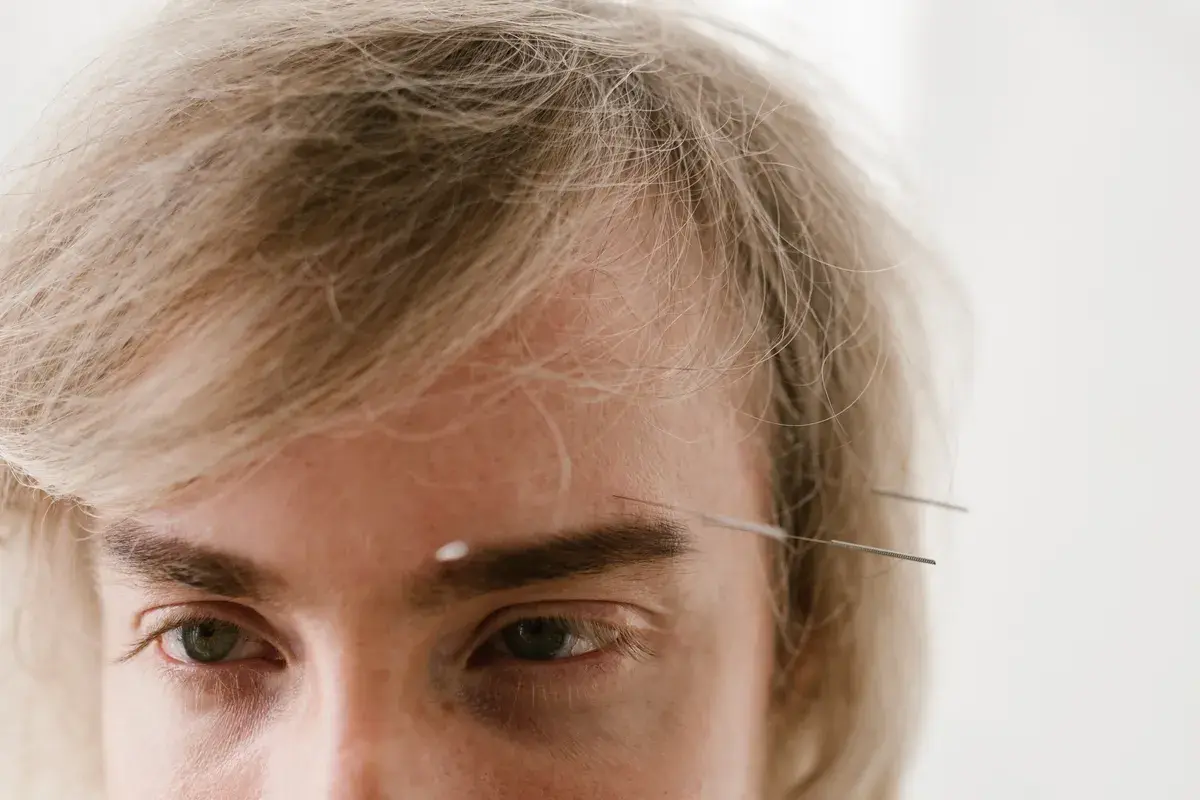
Photo by RDNE Stock project on Pexels
Wind, Heat, and Cold Patterns
In Traditional Chinese Medicine theory, some headaches are described as the result of external Wind combining with Cold or Heat, settling in the head and neck. These headaches often come on quickly and may be linked to tension at the base of the skull or sensitivity to weather changes.
Liver Yang Rising and Qi and Blood Stagnation
Other headaches are tied to internal imbalances rather than outside factors. Liver Yang rising is a pattern often associated with stress, irritability, and pain that tends to sit at the temples or top of the head. Qi and Blood stagnation is another pattern frequently seen with headaches, particularly ones that feel dull, pressing, or that worsen with long periods of sitting or poor posture. Each pattern points toward a different formula of acupuncture points and, where appropriate, herbs.
How Acupuncture for a Headache Works
Every Treatment Starts From a Diagnosis
A full diagnosis comes first. I ask a lot of questions about the headache itself, as well as sleep, digestion, stress, and menstrual history where relevant, then look at the tongue and take the pulse. This is how Traditional Chinese Medicine works out why a person is experiencing their headaches, not just where the pain happens to be. You can read more about what acupuncture actually does to your body if you’d like a closer look at the physiological side of treatment.
What Happens During a Visit
Once the pattern is identified, fine needles are placed at points chosen for that specific presentation. Points used for Liver Yang rising, for example, differ from those used for a Wind-Cold pattern, even if both patients describe their pain as a “headache.” This is why two people with the same complaint may leave a visit with different point combinations entirely.
What to Expect From a Course of Treatment
Frequency and What You Might Feel Afterward
Headaches that have built up over months or years are rarely addressed in a single visit. A course of treatment typically involves a series of visits, spaced to allow the body to respond and adjust. Mild soreness or tiredness after a visit is common and generally settles within a day or two; our article on soreness after acupuncture explains what is typical and what is worth mentioning at your next visit.
Combining Acupuncture With Other Traditional Therapies
Chinese Herbal Medicine and Cupping
Acupuncture is often paired with other Traditional Chinese Medicine approaches depending on the pattern involved. A Chinese herbal formula may be recommended to support the effects of needling between visits. Chinese cupping is sometimes used where Qi and Blood stagnation is present, particularly when tension in the neck and shoulders contributes to the headache. Readers curious about related hands-on techniques may also find our piece on acupressure massage useful, as it touches on how pressure-based therapies relate to acupuncture points.
Finding Care in Keswick, Ontario
At Traditional Healing Centre in Keswick, Ontario, every treatment plan starts from the patient’s own Traditional Chinese Medicine diagnosis, never an off-the-shelf protocol. Jason trained at the Institute of Traditional Medicine and the Toronto School of Traditional Chinese Medicine, earning a diploma in acupuncture in 2008 and in Chinese herbal medicine in 2010, and has been treating patients since 2008. Services offered include acupuncture, Chinese herbal medicine, Chinese cupping, moxibustion, Tuina massage, and cosmetic acupuncture, with the specific combination for headaches determined by the pattern uncovered during diagnosis.
When to See Your Doctor Too
Acupuncture can be a useful part of managing recurring headaches, but it works alongside, not in place of, ongoing medical care. Any new, severe, or unusual headache should be discussed with a physician, and existing medical treatment should continue as advised.
If headaches have become a regular part of your week, it may be worth exploring what a Traditional Chinese Medicine diagnosis could reveal about your particular pattern. Book an appointment at Traditional Healing Centre to start with a full assessment of your tongue, pulse, and symptoms, or get in touch with any questions before your first visit.