
Acupuncture and Pain: How It Works and What to Expect
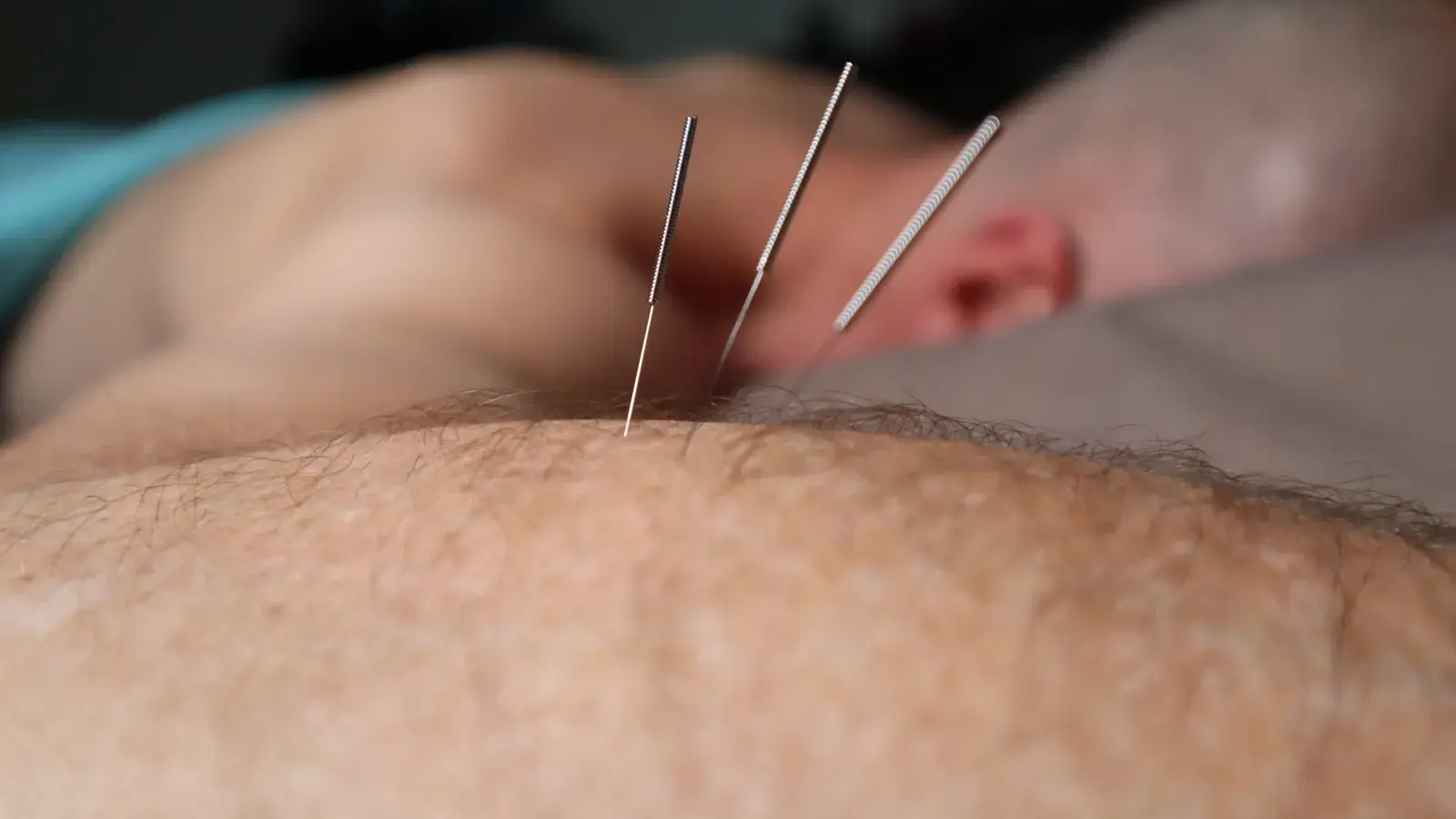
Quick answer: Acupuncture and pain relief are linked through the body’s own regulatory systems, with research suggesting it may reduce certain types of chronic pain, including low back pain, headaches, and osteoarthritis. In Traditional Chinese Medicine, pain is understood as a sign of Qi and Blood stagnation, and treatment aims to resolve that pattern rather than mask the symptom.
For many people living with ongoing discomfort, the connection between acupuncture and pain is one of the first questions that comes up when conventional options have not given the relief they hoped for. Understanding how this centuries-old practice fits alongside modern approaches to pain can help you decide whether it’s worth exploring for your own situation.
In this article
- How Acupuncture May Help With Pain
- Types of Pain Acupuncture Is Used For
- What a Course of Treatment Looks Like
- Combining Acupuncture With Other Approaches
- Choosing a Qualified Practitioner
- In this series
How Acupuncture May Help With Pain

Photo by RDNE Stock project on Pexels
The Traditional Chinese Medicine View
In Traditional Chinese Medicine, pain is rarely viewed as an isolated problem. It is typically understood as a sign of Qi and Blood stagnation along the body’s channels. When the free flow of Qi and Blood is interrupted, discomfort follows, whether that shows up as a stiff lower back, a tense shoulder, or a recurring headache. Acupuncture uses fine needles placed at specific points to help restore that flow, with the goal of addressing the pattern behind the pain rather than treating the area in isolation.
What Modern Research Suggests
A body of clinical research has examined acupuncture for various pain conditions, and several studies point to meaningful reductions in pain intensity for conditions like chronic low back pain, neck pain, and osteoarthritis of the knee. The research base continues to grow, and results vary by condition and by individual, which is part of why a personalized approach to treatment matters so much. If you want a closer look at the evidence for one common condition, I’ve written about this in more detail in Acupuncture in Low Back Pain: What the Evidence Shows.
Types of Pain Acupuncture Is Used For
Chronic Low Back Pain and Sciatica
Low back pain and sciatica are among the most common reasons people seek out acupuncture. Sciatic pain, which radiates from the lower back down through the leg, can be especially disruptive to daily life. If you’re trying to decide between acupuncture and other options for this kind of pain, I’ve laid out some of the considerations in Can Physio Help Sciatica? Physio, Chiro or Acupuncture: How to Choose.
Headaches and Other Chronic Pain
Beyond back pain, acupuncture is also commonly used for chronic headaches, knee pain, and widespread muscular tension. Each of these presents its own pattern of Qi and Blood stagnation, which is why the specific points and techniques used can look quite different from one patient to the next, even when the complaint sounds similar on the surface.
What a Course of Treatment Looks Like
The Diagnosis Comes First
Every treatment starts from a diagnosis. I ask a lot of questions, look at your tongue, and take your pulse, then work out why you are experiencing your symptoms, not just what they are. This matters because two people with the same complaint of knee pain may have entirely different underlying patterns, and the formula for one may not suit the other at all.
How Many Visits to Expect
Pain built up over months or years rarely resolves in a single visit. As a general guideline, I suggest planning on 5 to 10 treatments before judging whether a course of treatment is working for you. This gives enough time to observe how your body responds and to adjust the approach as needed.
Combining Acupuncture With Other Approaches
Working Alongside Conventional Care
Acupuncture is often used alongside, rather than instead of, other forms of care you may already be receiving. It can complement physiotherapy, chiropractic care, or guidance from your family doctor, and many patients find it fits naturally into a broader plan for managing chronic pain.
Acupuncture, Massage and Other Therapies
Patients sometimes ask how acupuncture compares with other hands-on therapies for pain, such as Tuina massage or registered massage therapy. I’ve compared the two directly in Massage vs Acupuncture for Pain: Which Should You Try? if you’d like to weigh the differences.
Choosing a Qualified Practitioner
What to Look for in Ontario
In Ontario, acupuncturists and Traditional Chinese Medicine practitioners are regulated by the College of Traditional Chinese Medicine Practitioners and Acupuncturists of Ontario (CTCMPAO). Choosing a registered practitioner also means your receipts are issued by a Registered Acupuncturist (R.Ac) or Registered Traditional Chinese Medicine Practitioner (R.TCMP), which matters if you plan to submit claims. Many extended health plans cover acupuncture and Chinese medicine services, though OHIP does not.
Why Traditional Healing Centre Takes This Approach
At Traditional Healing Centre in Keswick, Ontario, every treatment plan starts from your own Traditional Chinese Medicine diagnosis, never an off-the-shelf protocol. I’m Jason Tarter, R.TCMP, R.Ac, and I’ve been in practice for 18 years, combining acupuncture with custom herbal formulas written for each individual patient and filled through the herbal dispensary I run on site. Whether your pain is in your low back, your knees, or shows up as recurring headaches, treatment is built around what your tongue, pulse, and history tell me, rather than a standard template applied to everyone.
If you’re ready to explore whether acupuncture and pain relief could work together for your situation, I invite you to book an appointment at Traditional Healing Centre and start with a full diagnosis.
In this series
- Acupuncture in Low Back Pain: What the Evidence Shows
- How to Ease Period Pain at Home, and When to Get Help
- Acupuncture and Pain: How It Works and What to Expect