
Acupuncture Points for Better Sleep
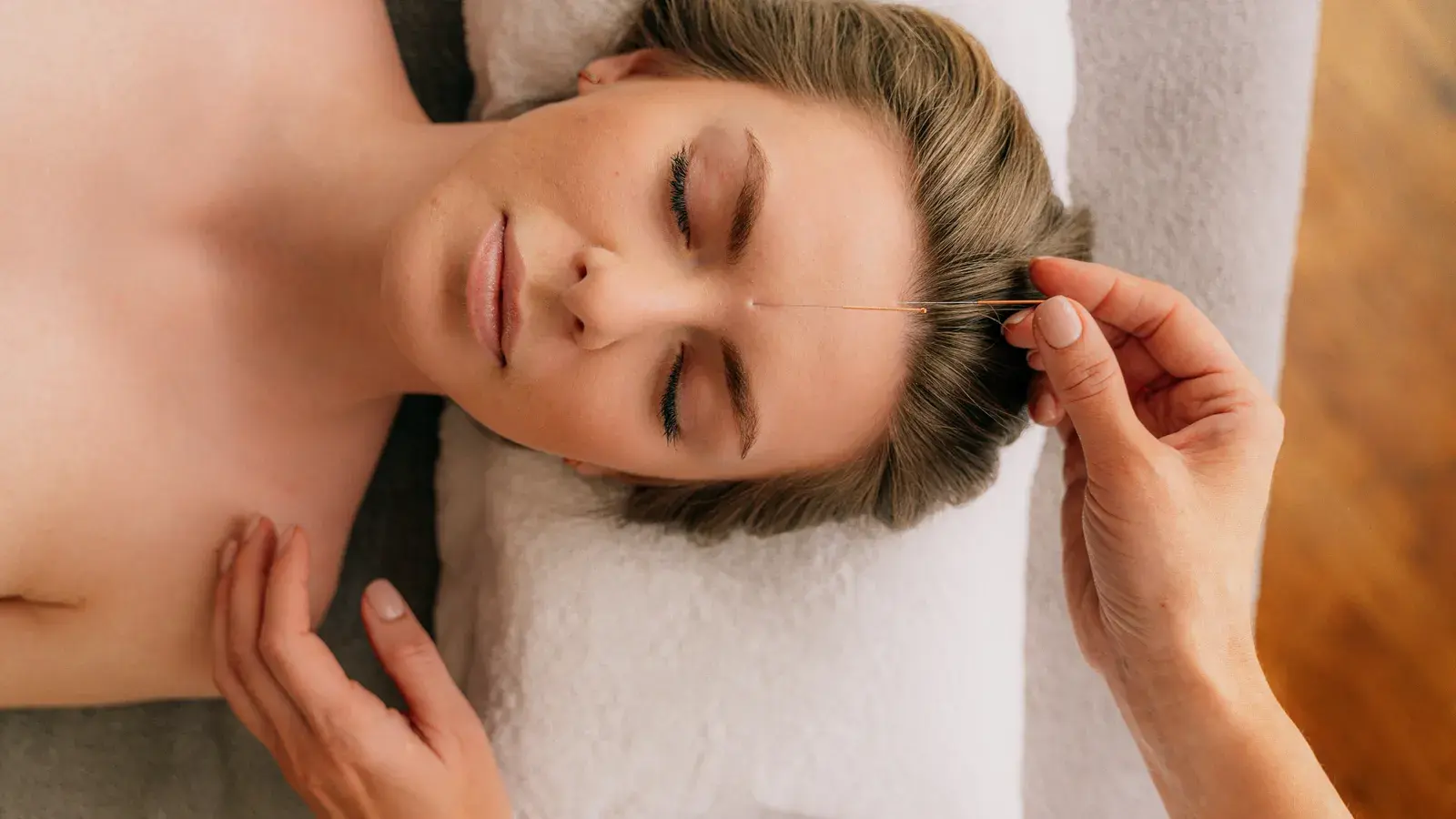
Quick answer: Acupuncture for sleeplessness works by addressing the underlying pattern of imbalance, often involving Qi and Blood stagnation, that a Traditional Chinese Medicine practitioner identifies through a full diagnosis. Needling specific points may help calm the nervous system and support the body’s natural rest cycle, usually as part of a broader course of treatment rather than a single visit.
Many people who struggle to fall asleep, stay asleep, or wake feeling unrested eventually look beyond over-the-counter remedies for something more lasting. Acupuncture for sleeplessness has become a common question I hear from patients in Keswick, and it’s worth understanding how Traditional Chinese Medicine approaches this concern differently from a quick fix.
In this article
- Understanding Sleeplessness Through a Traditional Chinese Medicine Lens
- How Acupuncture May Support Better Sleep
- What a Visit for Sleeplessness Involves
- Complementary Approaches Worth Considering
- Why Traditional Healing Centre
- New Patients: Start With a Conversation About Your Sleep
- In this series
Understanding Sleeplessness Through a Traditional Chinese Medicine Lens
In Traditional Chinese Medicine, sleep is viewed as a reflection of how smoothly Qi and Blood move through the body and how well the organs are functioning together. When that movement is disrupted, sleep is often one of the first things affected.
Qi and Blood Stagnation and the Sleep Cycle
Qi and Blood stagnation can show up as a restless mind at bedtime, frequent waking, or sleep that never feels deep enough. Rather than treating sleeplessness as an isolated problem, I look at it as a signal that something broader may be out of balance, whether that involves stress, diet, or long-standing tension in the body.
Common Patterns Linked to Poor Sleep
Different patients present with different patterns. One person’s sleeplessness may stem from stress held in the Liver, while another’s may relate to a deficiency that leaves the mind unsettled at night. This is why the same symptom can call for very different formulas and point selections from one person to the next.
How Acupuncture May Support Better Sleep
Acupuncture has a wide range of applications, and sleep concerns are one of the areas patients ask about most often. For a broader look at where this treatment tends to help, see What Is Acupuncture Best For? A Practical Guide to Its Uses.
Calming the Nervous System
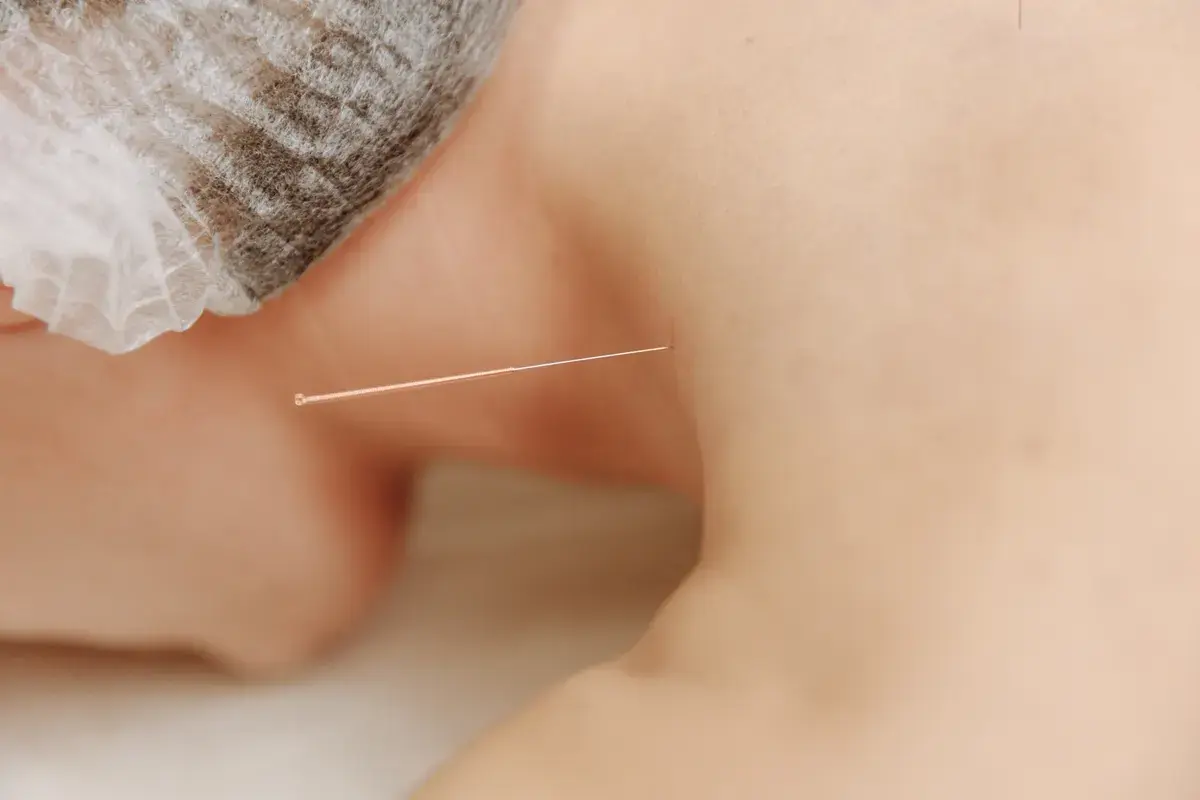
Needling specific points is thought to help shift the body out of a heightened stress state, which can make it easier to wind down at the end of the day. Many patients describe feeling calmer during and after a visit, which may carry over into easier sleep onset.
What the Research Suggests
A number of studies have explored acupuncture’s effect on sleep quality, with some showing modest improvements in falling asleep and staying asleep for certain patients. The research in this area is still developing, and results vary from person to person, which is part of why a personalized approach matters more than a standardized protocol.
What a Visit for Sleeplessness Involves
The Initial Diagnosis
Every treatment plan I build starts from the patient’s own diagnosis, never an off-the-shelf protocol. That means asking a lot of questions about sleep habits, stress levels, and overall health, followed by a look at the tongue and a reading of the pulse. This is how I work out why a patient is experiencing sleeplessness, not just that it’s happening.
Building a Course of Treatment
From there, I put together a course of treatment suited to the pattern I find. Some patients benefit from traditional needling alone, while others may be a good fit for acupuncture with electric stimulation; you can read more about that option in Acupuncture with Electric Stimulation: What to Know Before Your First Session. If you’re ready to start, you can book an appointment for an initial visit.
Complementary Approaches Worth Considering
Chinese Herbal Medicine and Other Modalities
Alongside acupuncture, Chinese herbal medicine, Tuina massage, moxibustion, and Chinese cupping can all play a role in supporting sleep, depending on the pattern identified during diagnosis. These approaches are often combined rather than used in isolation.
Simple Habits That Support Treatment
Consistent sleep and wake times, reduced screen use before bed, and managing stress during the day all support the work done in a treatment visit. None of these replace a proper diagnosis, but they tend to make the overall course of treatment more effective.
Why Traditional Healing Centre
At Traditional Healing Centre in Keswick, Ontario, every treatment plan begins with the patient’s own Traditional Chinese Medicine diagnosis rather than a generic protocol for sleeplessness. I offer acupuncture, Chinese herbal medicine, Chinese cupping, moxibustion, Tuina massage, and cosmetic acupuncture, drawing on whichever combination fits the pattern I find during a visit. If you have questions about whether this approach suits your situation, you’re welcome to get in touch.
New Patients: Start With a Conversation About Your Sleep
If sleeplessness has been affecting your days as much as your nights, a proper diagnosis is the place to start. Visit Traditional Healing Centre to learn more or take the first step toward a treatment plan built around your own pattern.
In this series
- Acupuncture Points for Better Sleep
- ST36: The Acupuncture Point Below Your Knee
- Acupressure Points for Constipation, From a TCM Practitioner