
In short
Facial acupuncture points are specific locations on the face, such as Yintang, Zanzhu, and Sibai, that practitioners needle to support circulation, muscle tone, and overall facial balance. They are often combined with body points as part of a broader Traditional Chinese Medicine treatment plan rather than used alone.
Interest in cosmetic acupuncture has grown steadily over the past decade, and much of that interest centers on facial acupuncture points. These are not random spots chosen for convenience; each one sits along a specific meridian and has been used in Traditional Chinese Medicine for centuries to influence the face and the body systems connected to it. Understanding where these points are and what they are believed to do can help you decide whether this approach fits your goals.
In this article
What Are Facial Acupuncture Points?
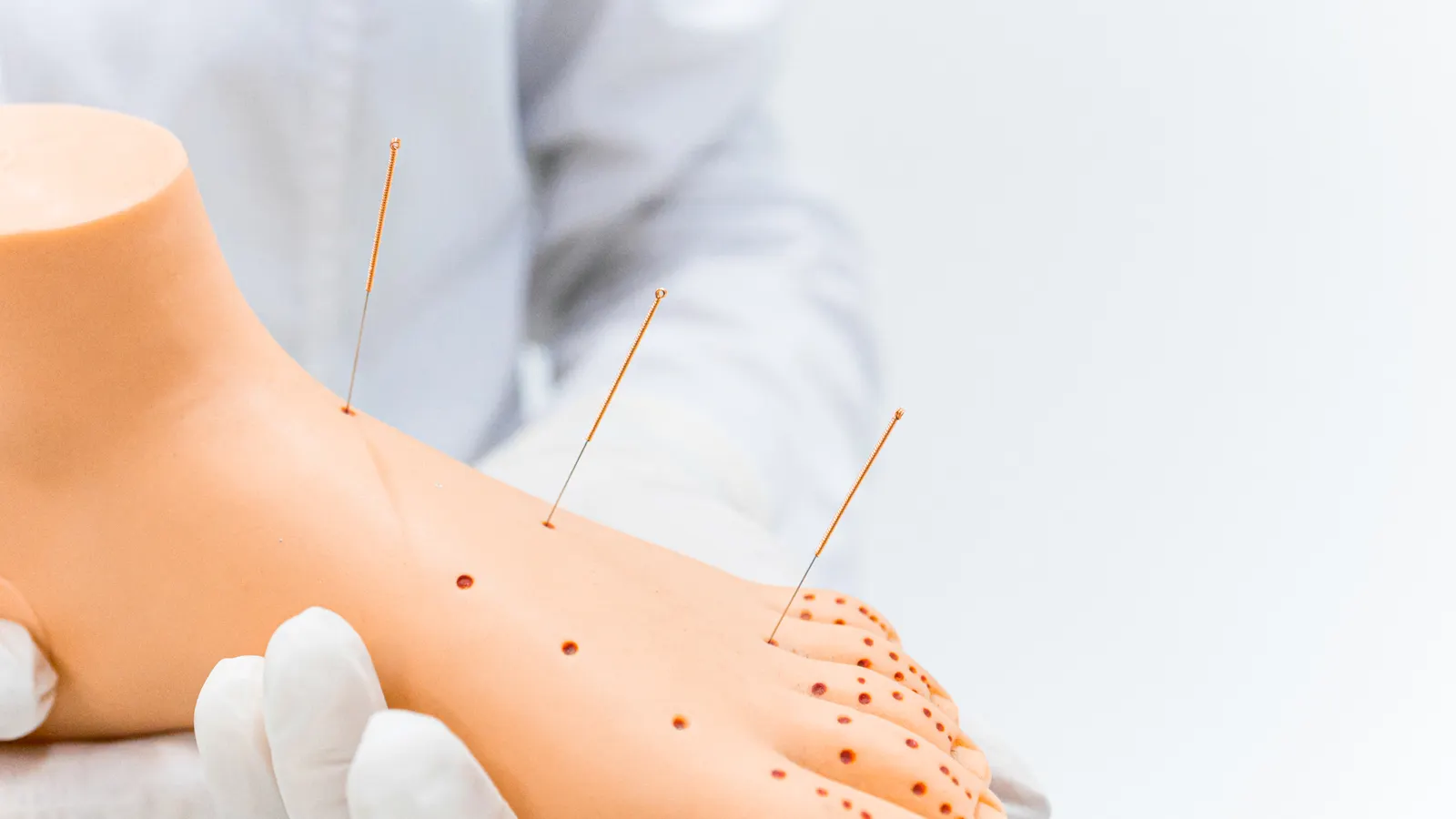
Facial acupuncture points are locations on the face where fine needles are inserted to stimulate Qi and Blood flow in the surrounding tissue. In Traditional Chinese Medicine, the face is viewed as a map connected to the body's internal organs and meridians, which is why a point near the eyebrow or cheekbone can relate to conditions well beyond the skin itself.
How They Differ From Body Points
Facial points tend to be needled more shallowly than points on the arms, legs, or back, since facial tissue is thinner and more sensitive. The intent is often different too. While a point like ST36, located below the knee, is commonly used to support digestion and overall vitality, facial points are more frequently chosen to address local muscle tone, circulation, and the appearance of the skin, though they are still selected based on the patient's overall pattern rather than in isolation.
Common Facial Acupuncture Points and What They're Used For
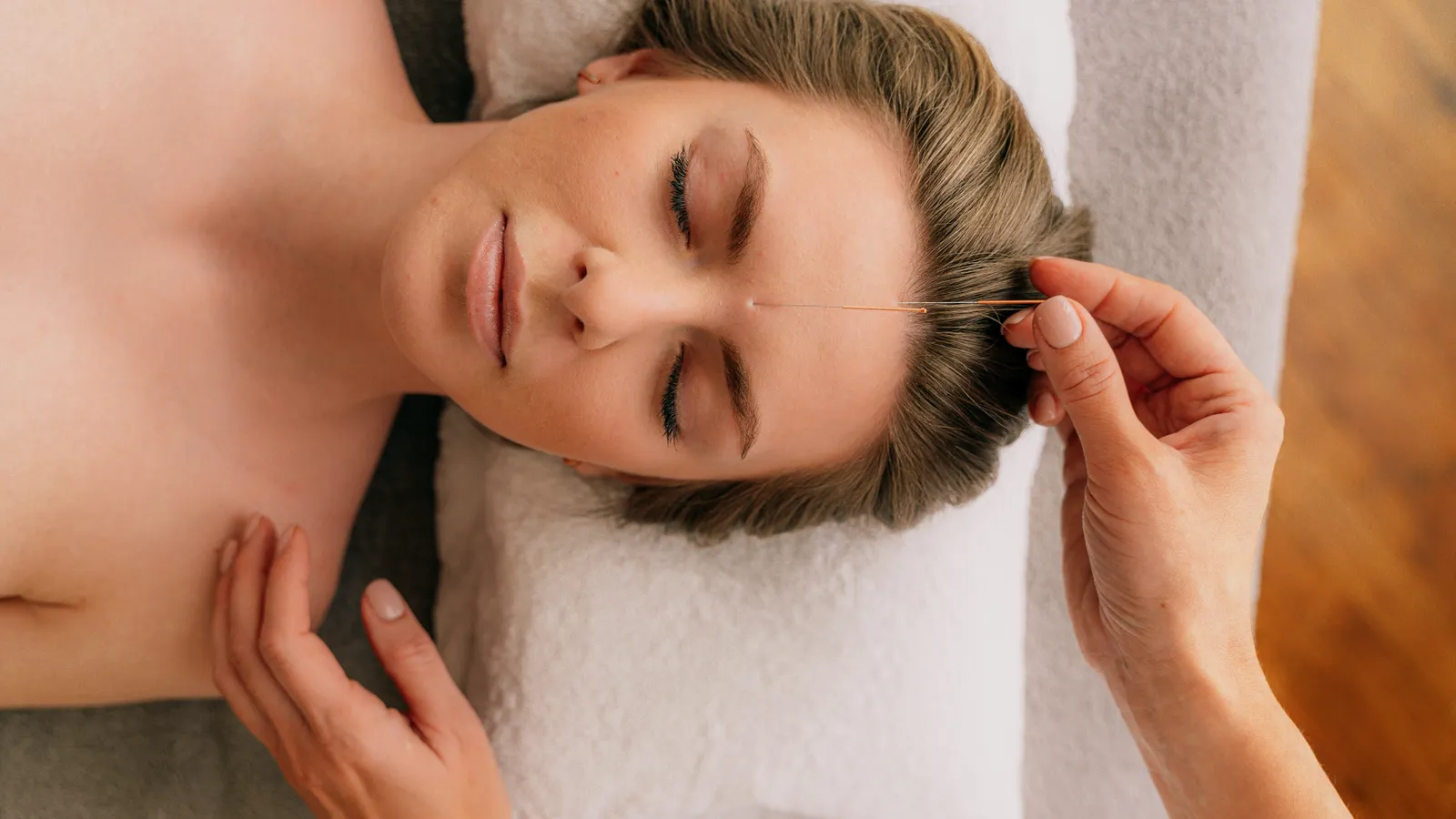
Yintang (Third Eye Point)
Located between the eyebrows, Yintang is one of the most frequently used points in facial work. It is traditionally associated with calming the mind and easing tension that can show up as furrowed lines in that area.
Zanzhu
Book a time
Pick a time that suits you.
Book a time- Phone: (647) 346-2780
- Email: jasontcm@traditionalhealingcentre.com
- Address: 213 Queensway S. Unit 400, Keswick, Ontario, L4P2A7
Related articles
Found at the inner edge of each eyebrow, Zanzhu is often used to ease tension around the eyes and forehead.
Sibai
Sibai sits just below the eye, over the cheekbone. It is commonly included in cosmetic acupuncture protocols aimed at supporting circulation in the under-eye area.
Dicang
Positioned at the corners of the mouth, Dicang is traditionally used to support muscle tone in the lower face.
Jiache
Located along the jawline, Jiache is often needled to address tension held in the jaw muscles, which can affect the overall contour of the lower face.
How Facial Acupuncture Points Fit Into Cosmetic Acupuncture
Facial points are rarely used on their own. A proper course of treatment starts with a full Traditional Chinese Medicine diagnosis, not a standard set of facial points applied the same way to every patient. I have trained in the Meizen facial protocol, which I use for cosmetic acupuncture, and I still begin every visit the same way I would for a pain condition or a sleep concern: with questions about your health, a look at your tongue, and a reading of your pulse. This is how I determine whether your presentation involves Qi and Blood stagnation, and which combination of facial and body points is appropriate for you specifically.
This is also where Traditional Healing Centre differs from a one-size-fits-all cosmetic acupuncture session. Every treatment plan here starts from your own Traditional Chinese Medicine diagnosis, never an off-the-shelf protocol, which means the facial points selected for you may differ from those used for another patient with a similar surface concern but a different underlying pattern.
What to Expect During a Facial Acupuncture Treatment
A typical visit may combine facial points with points elsewhere on the body, since the face is understood to reflect overall internal balance. For example, points on the wrist are sometimes included to support circulation that reaches the face, and you can read more about how wrist points are used in Traditional Chinese Medicine if you are curious about that connection. Some patients also ask about combining facial work with treatment aimed at sleep, since rest affects skin appearance; our article on acupuncture points for better sleep covers that topic separately.
How Many Visits You May Need
As with most Traditional Chinese Medicine treatment, facial acupuncture is not typically a single-session approach. Plan on 5 to 10 treatments before judging progress, since changes in circulation and muscle tone tend to build gradually over a course of treatment rather than appearing after one visit.
Is Facial Acupuncture Right for You?
Facial acupuncture points may appeal to patients who are already receiving acupuncture for other concerns and are curious about adding a cosmetic component, as well as those specifically interested in a non-surgical approach to facial tone. Because treatment is built around your individual pattern, it is worth discussing your health history and goals with a registered practitioner before starting. Many extended health plans cover acupuncture and Chinese medicine services, so it is worth checking your coverage as well.
Ready to book, or have a question?
Book with Traditional Healing CentreIn this series
- Acupuncture Points for Better Sleep
- ST36: The Acupuncture Point Below Your Knee
- Acupressure Points for Constipation, From a TCM Practitioner
- Facial Acupuncture Points: What They Are and Do