
Facial Acupuncture Points for Acne: What They Do and Why Pattern Matters
November 21, 2026 · Jason Tarter, R.TCMP, R.Ac
In short
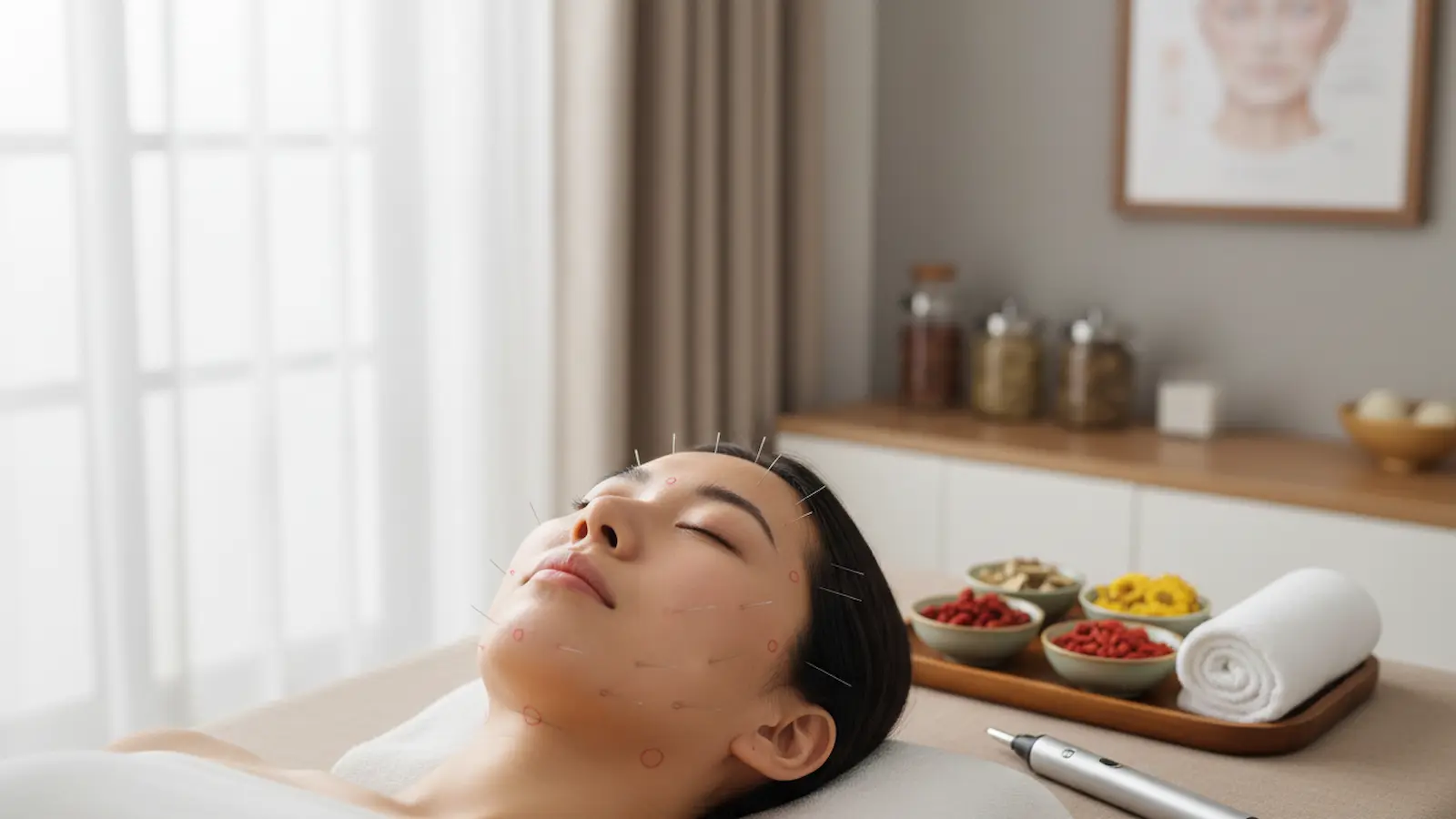
Facial acupuncture points for acne typically include local points like Yingxiang (LI20), Dicang (ST4), and Sibai (ST2), paired with distal points such as Quchi (LI11), Hegu (LI4), and Sanyinjiao (SP6) to clear heat and regulate Qi and Blood. The exact combination depends on the pattern behind the breakouts, which is why a Traditional Chinese Medicine practitioner builds each plan around an individual diagnosis rather than a fixed point formula.
Searching for facial acupuncture points for acne usually means wanting a list to try at home, but acne points work within a larger system of diagnosis in Traditional Chinese Medicine. The points named below are the ones most often associated with clearing heat, moving Qi and Blood stagnation, and calming inflamed skin, though how they are combined changes from one patient to the next. Understanding why certain points are chosen helps explain why a simple list rarely matches what a full visit actually covers.
In this article
Why Acne Shows Up on Specific Areas of the Face
In Traditional Chinese Medicine, different areas of the face are linked to different organ systems, and breakouts in those areas often point to a related pattern of imbalance.
Common Patterns Linked to Breakouts
- Lung Heat – blackheads and whiteheads across the forehead and nose, often tied to heat rising along the Lung channel.
- Stomach and Spleen Damp-Heat – oily, pustular breakouts around the mouth and chin, frequently connected to diet.
- Liver Qi Stagnation – jawline breakouts that flare with stress or follow the menstrual cycle.
- Qi and Blood stagnation – deeper, cystic lesions or lingering scarring that resist clearing.
A practitioner asks about diet, sleep, stress, and the menstrual cycle, then looks at the tongue and reads the pulse before deciding which pattern, or combination of patterns, is driving the breakouts.
Facial Acupuncture Points for Acne Commonly Used
Local Points on the Face
- Yingxiang (LI20) – beside the nostrils, used to clear Lung Heat affecting the nose and cheeks.
- Sibai (ST2) – below the eyes, supports the Stomach channel for breakouts on the upper cheek.
- Dicang (ST4) – at the corner of the mouth, addresses Stomach and Spleen Damp-Heat around the mouth and chin.
- Jiache (ST6) – along the jaw, often included for jawline breakouts tied to hormonal patterns.
- Yintang – between the eyebrows, used to calm Liver Qi in stress-related flare-ups.
Distal Points on the Body
- Hegu (LI4) – on the hand, helps move Qi and clear heat from the face. Readers curious about how hand and wrist points fit into a treatment plan can see Acupuncture Points on Wrist: What They Do and Why They Matter.
- Quchi (LI11) – at the elbow, frequently chosen for inflamed, pustular breakouts.
- Sanyinjiao (SP6) – on the lower leg, regulates the Spleen, Liver, and Kidney channels and is often used for acne that follows the menstrual cycle.
- Xuehai (SP10) – above the knee, moves Blood and is used where Qi and Blood stagnation contributes to scarring.
- Zusanli (ST36) – below the knee, strengthens Spleen Qi and supports digestion, which ties back to Damp-Heat patterns. More detail is available in ST36: The Acupuncture Point Below Your Knee.
Because stress and poor sleep can aggravate Liver Qi stagnation and worsen hormonal breakouts, some plans also draw on points used for rest and stress, covered in Acupuncture Points for Better Sleep.
What to Expect From a Course of Treatment
Book a time
Pick a time that suits you.
Book a time- Phone: (647) 346-2780
- Email: jasontcm@traditionalhealingcentre.com
- Address: 213 Queensway S. Unit 400, Keswick, Ontario, L4P2A7
Related articles
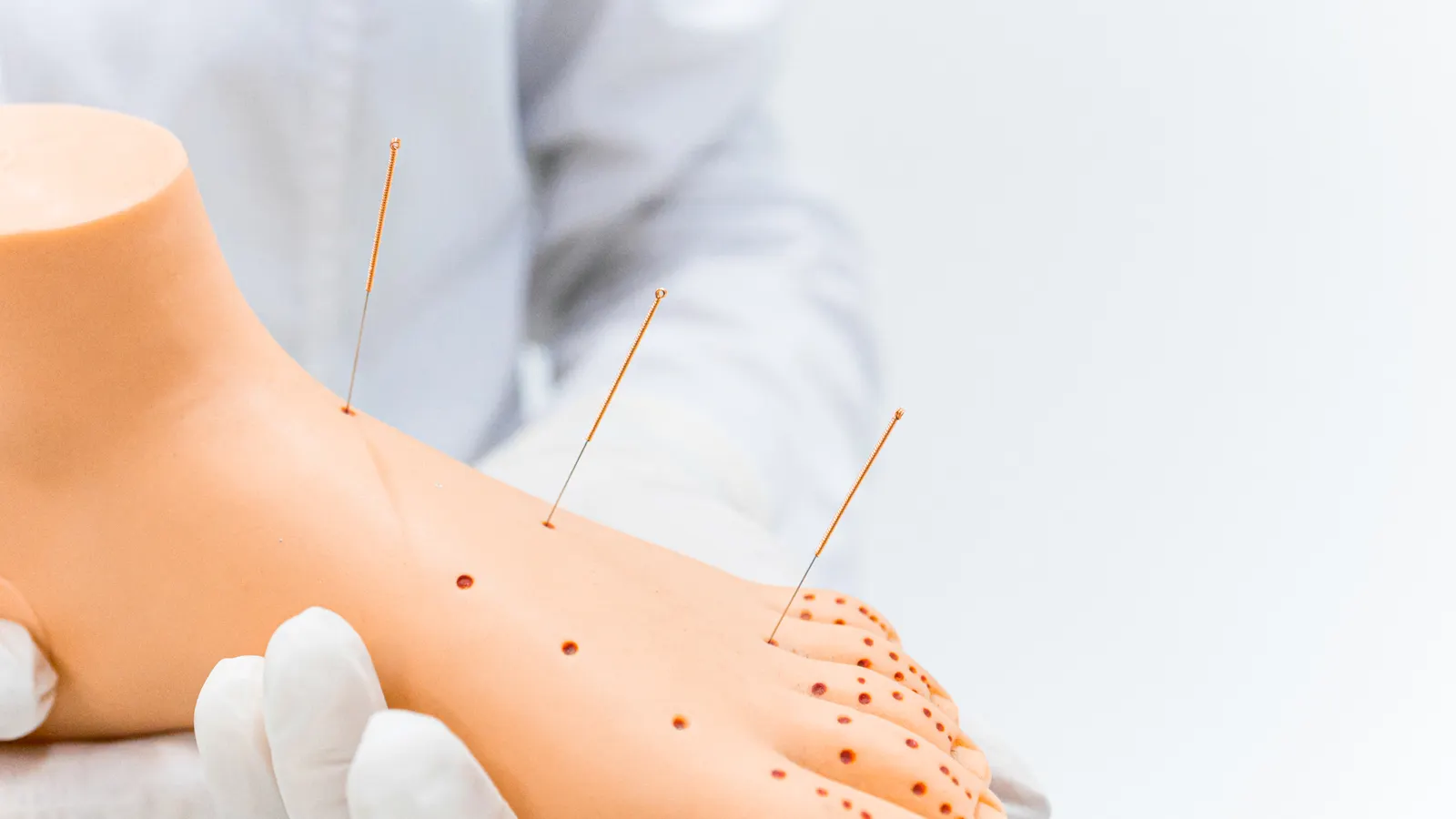
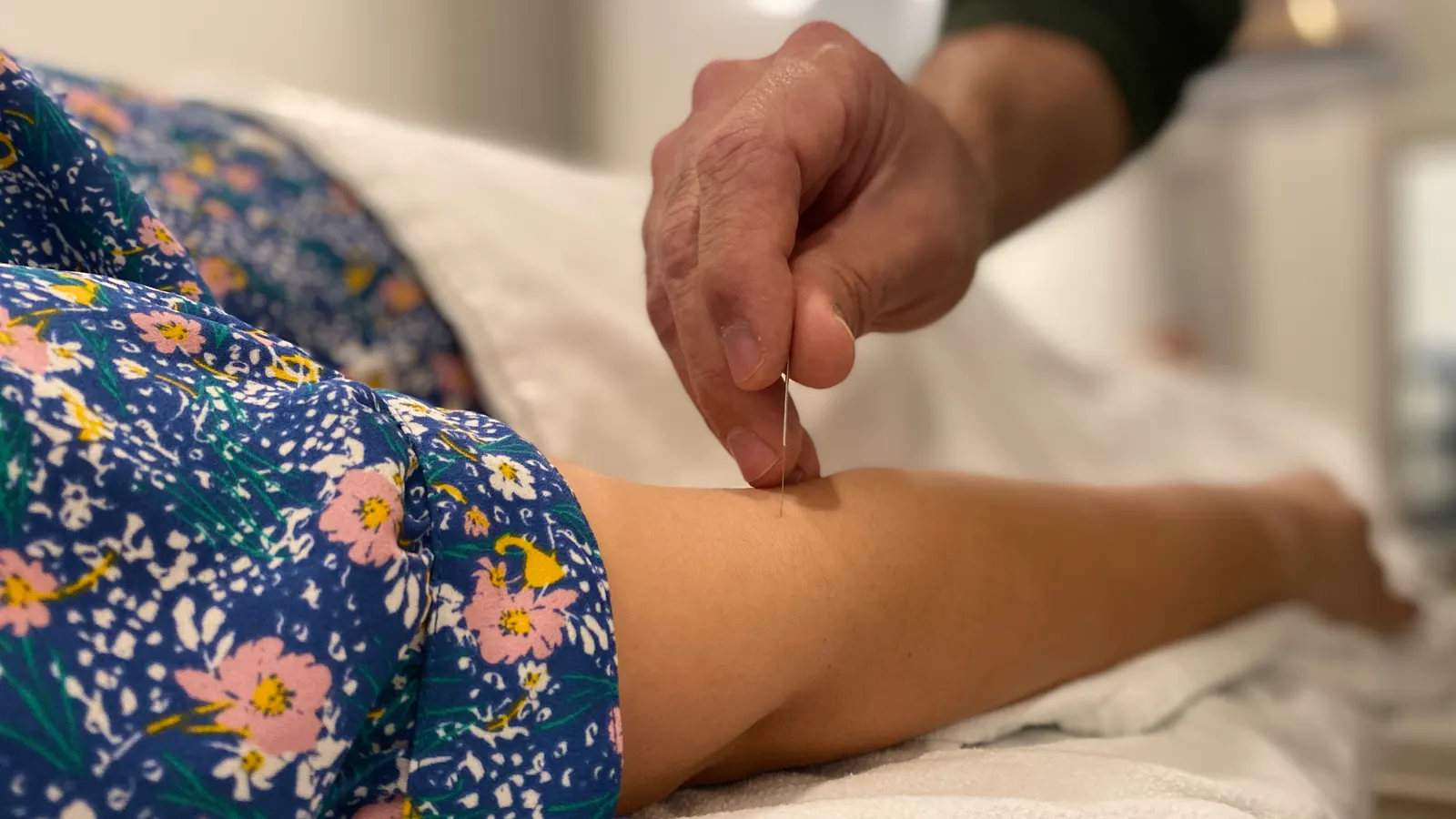
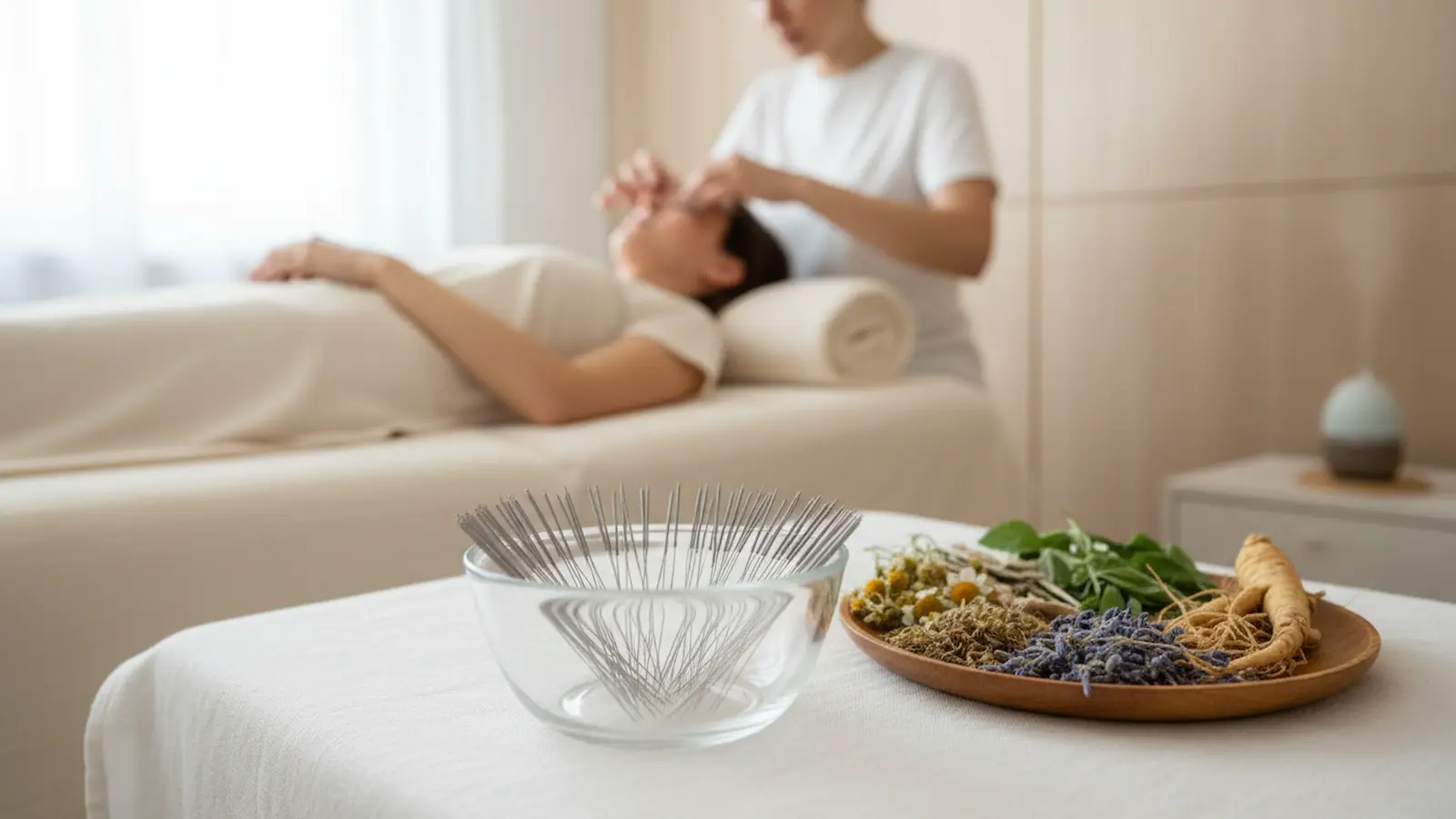
A single visit rarely tells the full story. Plan on 5–10 treatments to judge progress, since the pattern behind the breakouts, and the point combination used to address it, may shift as the skin responds. A typical visit starts with questions about diet, sleep, and stress, a look at the tongue, and a reading of the pulse, followed by needling at the local and distal points chosen for that pattern on that day.
Chinese Herbal Medicine Alongside Acupuncture
Acupuncture addresses the points, but many patterns behind acne, especially Damp-Heat and Blood stagnation, respond well when paired with a custom herbal formula written for the individual rather than a generic blend. The formula is adjusted as the pattern changes through the course of treatment.
How Traditional Healing Centre Approaches Acne-Related Breakouts
Diagnosis First, Points Second
At Traditional Healing Centre in Keswick, Ontario, every treatment plan starts from the patient's own Traditional Chinese Medicine diagnosis, never an off-the-shelf protocol. Jason Tarter, R.TCMP, R.Ac, has been in practice for 18 years and combines acupuncture with custom herbal formulas, filled through the clinic's own herbal dispensary, so the point selection and the formula are written for the same diagnosis. Jason has also trained in the Meizen facial protocol, which he uses for cosmetic acupuncture, and is registered with the College of Traditional Chinese Medicine Practitioners and Acupuncturists of Ontario (CTCMPAO). Receipts are issued as a Registered Acupuncturist (R.Ac) and Registered Traditional Chinese Medicine Practitioner (R.TCMP), and many extended health plans cover acupuncture and Chinese medicine services, though OHIP does not.
Ready to Discuss Your Skin?
Ready to book, or have a question?
Book with Traditional Healing CentreIn this series
- Acupuncture Points for Better Sleep
- ST36: The Acupuncture Point Below Your Knee
- Acupressure Points for Constipation, From a TCM Practitioner
- Facial Acupuncture Points: What They Are and Do
- Facial Acupuncture Points for Acne: What They Do and Why Pattern Matters