
Back Shu Points: Locations, Uses, and What to Expect
Quick answer: Back shu points are a set of acupuncture points running in two lines along the back, each one linked to a specific internal organ in Traditional Chinese Medicine. Practitioners use them to influence the Qi of that organ, and they are commonly needled, cupped, or warmed with moxibustion as part of a treatment for chronic pain, digestive trouble, sleep concerns, and other internal patterns.
Back shu points are among the most frequently used acupuncture points in my practice, because they give me direct access to the Qi of the internal organs through points located on the back. Understanding how these points are organized, and why a practitioner chooses one over another, can help you make sense of what happens during a visit and why your treatment plan might include points that seem far from where your symptoms show up.
In this article
- What Are Back Shu Points?
- Why Practitioners Use Back Shu Points
- What a Treatment Involving Back Shu Points Looks Like
- A Tailored Approach in Keswick, Ontario
- Ready to Learn More?
What Are Back Shu Points?
Back shu points, sometimes called “associated points” or “transport points,” sit along the Bladder meridian, which runs in two parallel lines on either side of the spine. There are twelve main back shu points, one for each of the twelve primary organs recognized in Traditional Chinese Medicine, including the Lung, Heart, Liver, Spleen, Stomach, and Kidney.
Location Along the Bladder Meridian
Each point sits roughly 1.5 cun (a body-proportional unit of measurement) lateral to the spine, at a vertebral level that corresponds to its associated organ. For example, the Lung back shu point sits near the upper back, while the Kidney back shu point sits lower, near the waist. This vertical arrangement roughly mirrors the position of the organs themselves inside the body.
The Organ-Point Connection
In TCM theory, each back shu point is where the Qi of its corresponding organ gathers and can be accessed from the surface of the body. Needling, pressing, or warming a back shu point is thought to directly affect the function of that organ, which is why these points are used both to treat organ-related symptoms and to support overall balance even when the main complaint is musculoskeletal.
Why Practitioners Use Back Shu Points
Back shu points are versatile. They can be selected on their own or combined with points elsewhere on the body, such as those discussed in Acupuncture Points on Wrist: What They Do and Why They Matter, depending on the pattern a practitioner identifies.
Common Conditions Addressed
Because each point connects to an organ system, back shu points come up often in treatment for digestive concerns, sleep difficulty, stress, and menstrual irregularity, alongside chronic pain conditions like low back pain and sciatica. For sleep-related concerns specifically, I cover point selection in more detail in Acupuncture Points for Better Sleep, and for digestive complaints, in Acupressure Points for Constipation, From a TCM Practitioner.
Back Shu Points and Diagnosis
Which back shu points I use, and how I combine them, depends entirely on the pattern I identify during a diagnosis. Qi and Blood stagnation, for instance, might call for a different combination of back shu points than a pattern involving Qi deficiency, even if the surface symptoms look similar.
What a Treatment Involving Back Shu Points Looks Like
Needling, Cupping, or Moxibustion
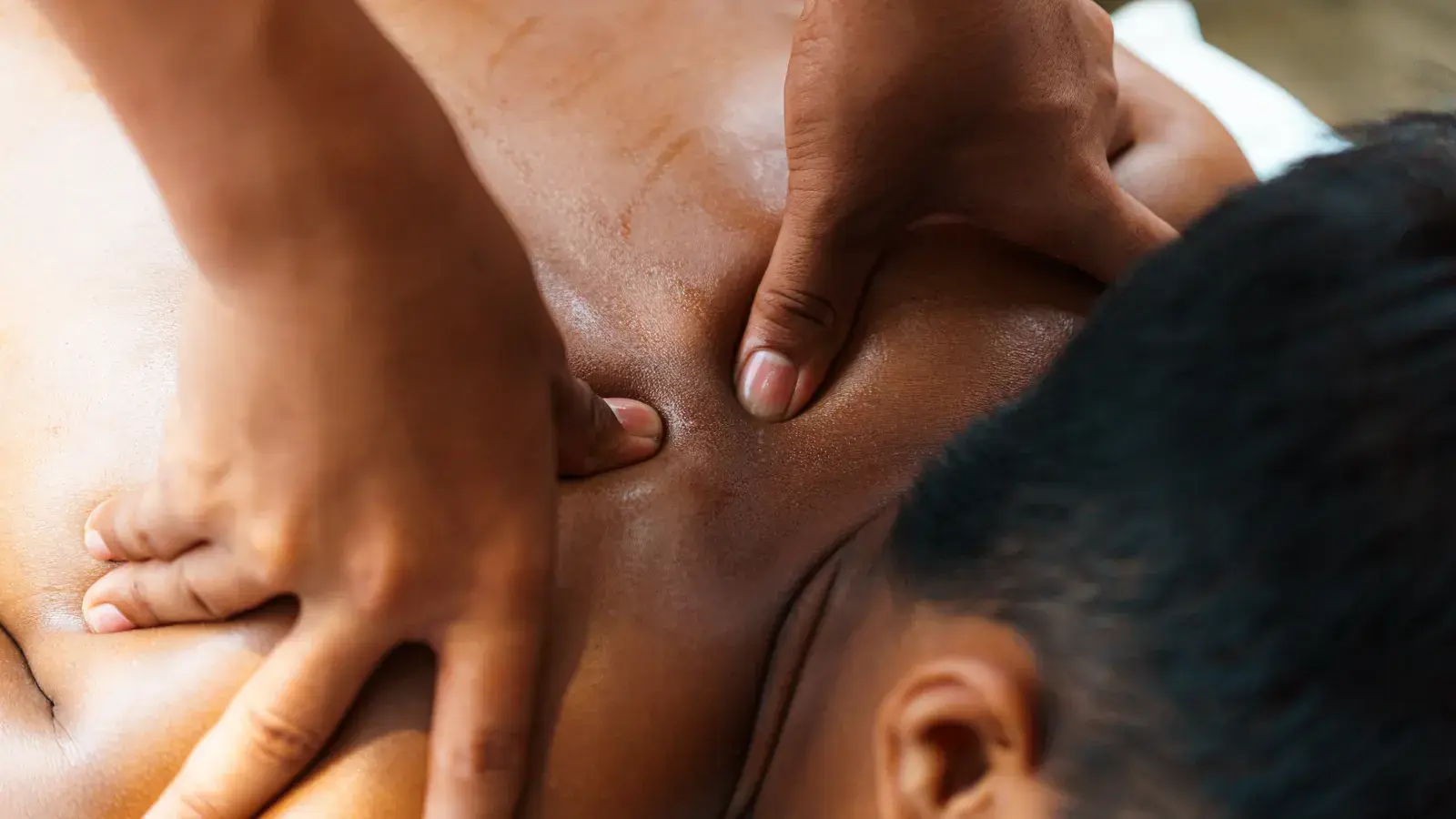
Back shu points can be accessed with fine acupuncture needles, with Chinese cupping, or with moxibustion, which warms the point using a smoldering herb. Tuina massage techniques are also sometimes applied along the back shu line to encourage the movement of Qi and Blood before or after needling.
How Many Visits to Expect
As with most Traditional Chinese Medicine treatment, change tends to build gradually rather than all at once. I generally suggest planning on 5–10 treatments before judging progress, since the goal is to shift an underlying pattern rather than mask a single symptom.
A Tailored Approach in Keswick, Ontario
At Traditional Healing Centre, every treatment plan starts from your own Traditional Chinese Medicine diagnosis, never an off-the-shelf protocol, which matters a great deal when it comes to back shu points, since the right combination depends entirely on your individual pattern. Jason Tarter, R.TCMP, R.Ac, has been in practice for 18 years and is registered with the College of Traditional Chinese Medicine Practitioners and Acupuncturists of Ontario (CTCMPAO). He often combines acupuncture with custom herbal formulas, written for the individual patient and filled through the clinic’s own herbal dispensary, to support the work done with back shu points during a visit.
Ready to Learn More?
If you’re curious whether back shu points could be part of a treatment plan for your own symptoms, I invite you to book an appointment at Traditional Healing Centre. Many extended health plans cover acupuncture and Chinese medicine services, and receipts are issued by a Registered Acupuncturist and Registered Traditional Chinese Medicine Practitioner for your insurance records.