
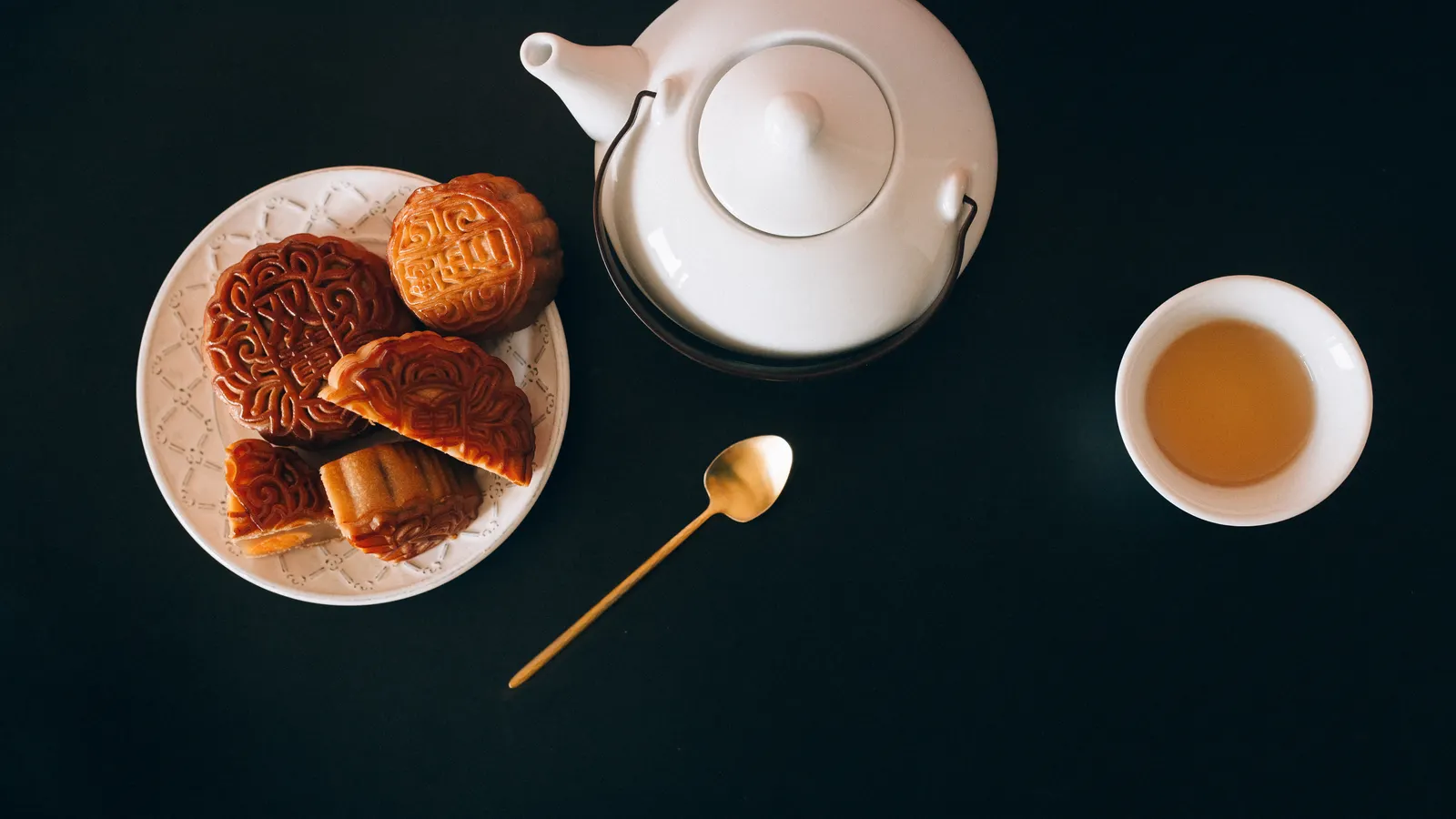
Quick answer: A Chinese hot and cold foods chart sorts common foods into warming (Yang), cooling (Yin), and neutral categories based on how they affect the body's energy, not their temperature on a plate. Warming foods such as ginger and lamb are used to counter cold patterns, while cooling foods such as cucumber and watermelon help calm heat. Most diets benefit from a balance of both, adjusted to the season and to your own constitution.
In Traditional Chinese Medicine, food is treated as more than fuel. Each ingredient carries a quality, warming, cooling, or neutral, that can shift the balance of Qi, Blood, and fluids in the body. A Chinese hot and cold foods chart gives a starting point for applying this idea at home, whether you are trying to settle a stomach that reacts to cold drinks or looking to feel less overheated in the summer months.
In this article
- What "Hot" and "Cold" Mean in Chinese Medicine
- A Chinese Hot and Cold Foods Chart
- How to Use the Chart in Daily Life
- When Diet Alone Isn't Enough
What "Hot" and "Cold" Mean in Chinese Medicine
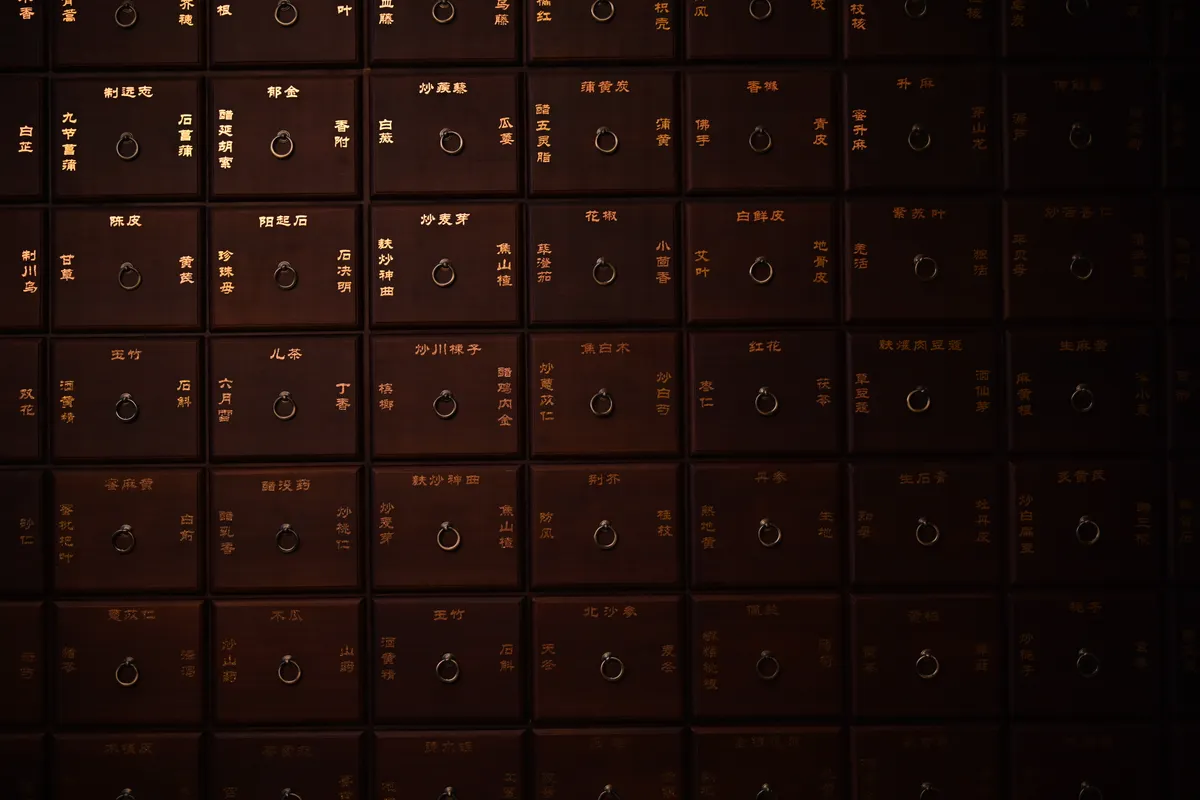
Photo by J.D. Books on Pexels
Yang and Yin in Food
The hot and cold labels on a Chinese foods chart describe energetic qualities, not oven temperature or how a dish feels in your mouth. Warming foods are associated with Yang; they tend to raise metabolic activity, support circulation, and are often used when someone runs cold, tires easily, or craves warm drinks. Cooling foods are linked to Yin; they are thought to calm inflammation, clear heat, and suit people who flush easily, feel restless, or prefer cold drinks even in winter. Neutral foods sit between the two and form the bulk of a balanced diet for most people.
Signs Your Body Runs Hot or Cold
Before leaning on any chart, it helps to notice your own tendencies. Someone with a cold pattern may have pale skin, cold hands and feet, loose stools, and a preference for warm food and drink. Someone with a heat pattern may flush easily, feel thirsty for cold drinks, run a short temper, or notice a red tongue. These are general tendencies rather than fixed rules, and many people show a mix of both depending on the season or their current state of health.
A Chinese Hot and Cold Foods Chart
Warming (Yang) Foods
Common warming foods include ginger, cinnamon, garlic, lamb, chicken, leeks, chives, and cherries. These are often used in formulas and home cooking for people who feel cold, retain fluid, or have digestive sluggishness that improves with warm food. Warming spices such as ginger and cinnamon are frequently added to soups and teas during colder months or for anyone prone to Qi and Blood stagnation that worsens in cold weather.
Cooling (Yin) Foods
Cooling foods include cucumber, watermelon, tofu, mung beans, pear, spinach, and most leafy greens. These are generally recommended for heat signs such as flushed skin, irritability, or a feeling of being overheated, and they are commonly used more heavily in summer or in hot climates. Mint and chrysanthemum tea are classic cooling choices for clearing mild heat.
Neutral Foods
Neutral foods, such as rice, carrots, most fish, potatoes, and cabbage, form the steady base of a balanced diet. They rarely push the body strongly in either direction, which is why they appear so often as the foundation of meals, with warming or cooling ingredients added around them depending on the person and the season.
How to Use the Chart in Daily Life
Matching Food to Season
Many people naturally favor warming soups and stews in winter and lighter, cooling salads in summer. This seasonal shift lines up well with Traditional Chinese Medicine principles, since the body's needs change with the weather. Adjusting the balance of a Chinese hot and cold foods chart to the season is a simple way to apply the idea without overthinking every meal.
Matching Food to Your Pattern
A chart works best as a general guide rather than a strict rulebook. Someone with a cold pattern may do well leaning toward warming foods even in summer, while someone with persistent heat signs may benefit from cooling foods even in winter. For a closer look at how specific herbs are classified by temperature, the article on Warming and Cooling Herbs in Chinese Medicine goes into more detail on how these principles extend beyond the kitchen into herbal formulas.
When Diet Alone Isn't Enough
How a TCM Diagnosis Goes Further
A food chart offers a helpful starting point, but it cannot replace an individual reading of your pattern. At Traditional Healing Centre in Keswick, Ontario, every treatment plan starts from your own Traditional Chinese Medicine diagnosis, never an off-the-shelf protocol. Jason Tarter, R.TCMP, R.Ac, has been in practice for 18 years and combines acupuncture with custom herbal formulas written for the individual patient, filled through the clinic's own herbal dispensary. If you have been using a hot and cold foods chart with mixed results, a full diagnosis, built from questions about your symptoms, a look at your tongue, and a reading of your pulse, can clarify which foods and herbs actually suit your pattern. For readers who want to study the subject further, Choosing a Traditional Chinese Medicine / Herbs Book offers guidance on finding a reliable reference.
Most patients plan on 5–10 treatments to judge progress, and many extended health plans cover acupuncture and Chinese medicine services, even though OHIP does not. Receipts are issued by a Registered Acupuncturist (R.Ac) and Registered Traditional Chinese Medicine Practitioner (R.TCMP), so they can typically be submitted to an extended health plan.
A Chinese hot and cold foods chart is a useful tool for everyday eating, but matching it to your own body often takes a trained eye. If you would like a diagnosis tailored to your symptoms rather than a general chart, book an appointment with Traditional Healing Centre to get started.