
Warming and Cooling Herbs in Chinese Medicine
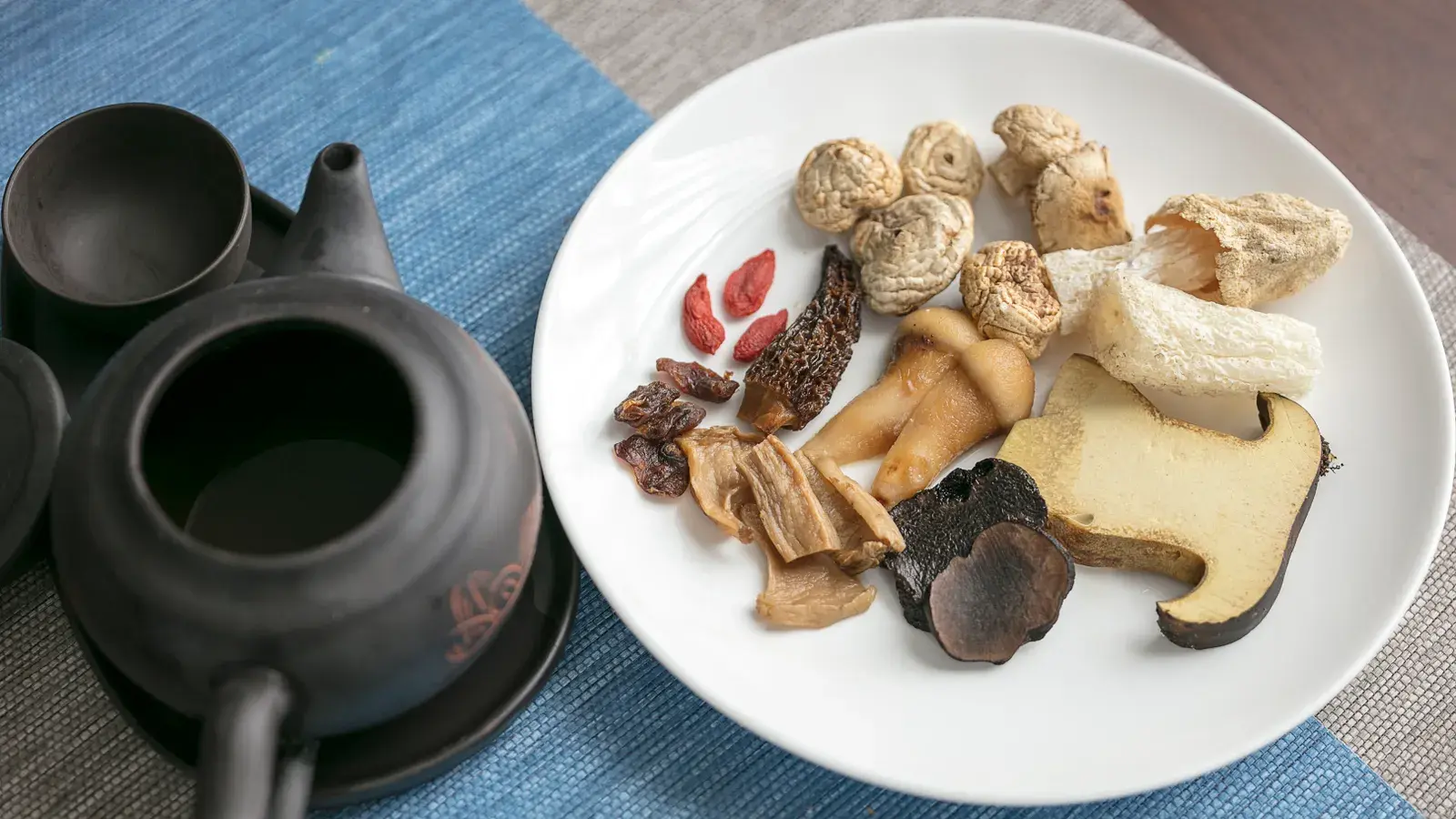
Quick answer: Cooling herbs Chinese medicine refers to botanical substances classified as cold or cool in energy, used to clear excess heat patterns such as inflammation, irritability, thirst and certain digestive complaints. They are selected individually, based on a patient’s pulse, tongue and overall pattern, rather than taken as a single generic remedy.
I often find that patients come to me after reading about a particular herb online and wanting to know whether it is right for them. Cooling herbs Chinese medicine is a broad category, not a single formula, and the herb that helps one person’s heat pattern may do nothing for another’s. Understanding how these herbs fit into a wider diagnostic picture is the first step toward using them safely.
In this article
- What Are Cooling Herbs in Chinese Medicine?
- How Cooling Herbs Are Used in a Formula
- Signs You May Have a Heat Pattern
- Cooling Herbs and Acupuncture: A Complementary Approach
- Why a Tailored Diagnosis Matters
- Safety Considerations
- In this series
What Are Cooling Herbs in Chinese Medicine?
The Concept of Heat and Cold Patterns
In Traditional Chinese Medicine, every pattern of disharmony is assigned a temperature quality, among other characteristics. A heat pattern may show up as a red face, a rapid pulse, a yellow tongue coating, thirst for cold drinks, or irritability. Cooling herbs are chosen to counter this kind of excess, gently drawing the body’s temperature and tension back toward balance. They sit opposite warming herbs, which are used for patterns of cold, such as a slow pulse, pale tongue and aversion to cold drinks.
Common Cooling Herbs
Some of the better-known cooling substances in Chinese herbal medicine include chrysanthemum flower, honeysuckle flower, mint, and the root of scutellaria. Each has its own affinity for a particular organ system and a particular set of symptoms. Chrysanthemum, for example, is often associated with eye redness and headache from heat rising upward, while mint is used for surface heat with a sore throat. These associations are useful background, but they are not instructions for self-treatment.
How Cooling Herbs Are Used in a Formula
Matching Herbs to Your Pattern
A cooling herb is rarely given on its own. In practice, it is combined with several other herbs into a formula that addresses the full pattern, not just one symptom. The formula might include herbs that nourish fluids depleted by heat, herbs that move Qi and Blood stagnation that often accompanies long-standing heat, and herbs that support the organ system most affected. The exact combination and dosage depend on the pattern identified during a visit, which is why two patients with similar complaints may receive quite different formulas.
Signs You May Have a Heat Pattern
Symptoms to Watch For
Patients sometimes ask how they would know if cooling herbs might be relevant to them. Common indicators of a heat pattern include a tongue that looks redder than usual, especially at the tip or sides, a coating that appears yellow rather than white, a pulse that feels rapid, skin breakouts, mouth sores, or a tendency toward constipation and dark urine. None of these signs on their own confirms a heat pattern; they need to be considered together, alongside a conversation about your broader health history.
Cooling Herbs and Acupuncture: A Complementary Approach
Herbal formulas are often paired with acupuncture points chosen for the same pattern. Certain points are traditionally used to clear heat and calm the mind, and combining them with an herbal formula can support the same underlying goal from two different directions. This pairing reflects how Traditional Chinese Medicine treats the person as a whole system rather than isolating one remedy for one symptom.
Why a Tailored Diagnosis Matters
This is where I want to be direct with readers: no herb, cooling or otherwise, should be chosen from a list of symptoms alone. At Traditional Healing Centre, every treatment plan starts from the patient’s own Traditional Chinese Medicine diagnosis, never an off-the-shelf protocol. I ask a lot of questions about your health history, look at your tongue, and take your pulse before suggesting acupuncture, Chinese herbal medicine, Chinese cupping, moxibustion, Tuina massage or cosmetic acupuncture. The herbs and points I select are based on your pattern, not a general assumption that “heat” looks the same for everyone.
Safety Considerations
Working With a Qualified Practitioner
Cooling herbs can interact with medications, and taking the wrong formula for your actual pattern can sometimes make symptoms worse rather than better. If you already see a physician for an ongoing condition, it’s worth mentioning any herbal formula you are considering. A qualified practitioner will also ask about current medications and health conditions before recommending a course of treatment, adjusting the formula over time as your pattern changes.
If you’ve been dealing with signs of heat, discomfort or a complaint that doesn’t seem to respond to generic advice, a proper diagnosis is the place to start. New patients are welcome to book an appointment or get in touch with questions about whether cooling herbs or another approach might suit your pattern. Learn more at Traditional Healing Centre.
Herb and formula details: Bencao Index.
In this series
- A Chinese Herb Guide: Understanding Traditional Formulas
- Are Chinese Herbs Safe to Take?
- Chinese Herbs to Lose Weight: What Actually Helps
- Common Chinese Herbs and What They’re Used For
- Choosing a Traditional Chinese Medicine / Herbs Book
- Traditional Chinese Herbs: What They Treat and How They Work
- Chinese Herbs for Spleen: Support for Digestion and Energy
- Organic Chinese Herbs Canada: What to Know Before You Buy
- Chinese Fertility Herbs: How Traditional Medicine Approaches Them
- Anxiety Chinese Herbs: Traditional Formulas That Support Calm
- Chinese Herbs for UTI: What Traditional Chinese Medicine Offers
- Chinese Herbs for Liver Cleanse: A TCM Perspective
- Chinese Herbs for Gallbladder Support: What to Know
- Chinese Herbs History: From Ancient Roots to Modern Care
- Rosacea Chinese Herbs: How TCM Approaches Facial Flushing
- Chinese Herbs for Menopause: What to Know Before You Start
- Chinese Herbs Side Effects: What to Know Before You Start
- Chinese Herbs for High Cholesterol: A TCM Perspective
- Warming and Cooling Herbs in Chinese Medicine