
Choosing a Traditional Chinese Medicine / Herbs Book
In short
A good traditional chinese medicine / herbs book should explain patterns of disharmony (not just symptoms), list formulas with their indications and cautions, and come from an author with formal Traditional Chinese Medicine training. Use it to understand concepts and ask informed questions, but pair it with an in-person diagnosis before taking any herbs, since formulas are matched to your individual pattern.
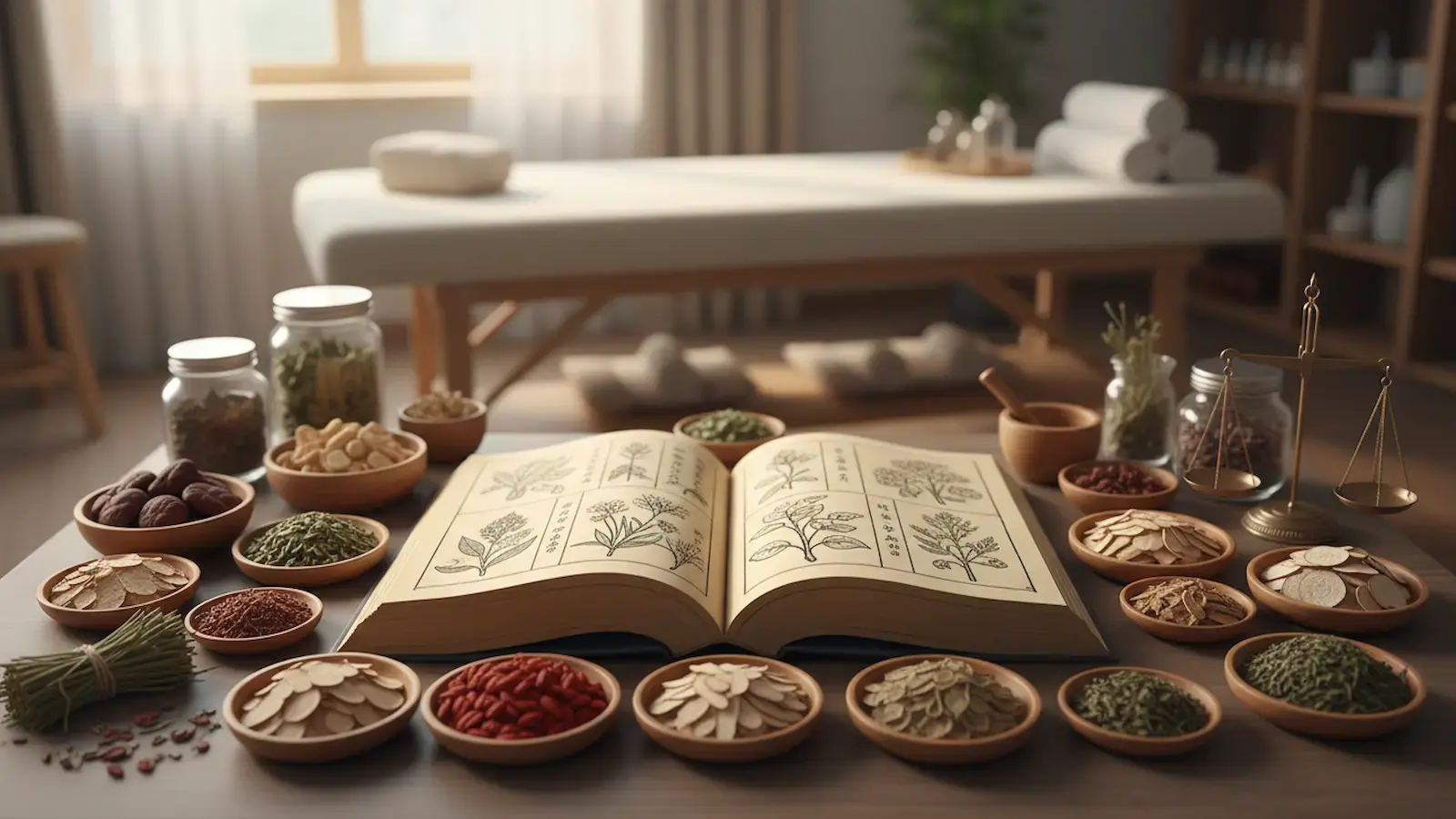
Anyone searching for a traditional chinese medicine / herbs book is usually trying to make sense of a system that can feel unfamiliar at first glance. Pulse readings, tongue diagnosis, Qi and Blood stagnation, and herbal formulas with dozens of ingredients do not map neatly onto a Western medical framework. A well-chosen book can bridge that gap, giving readers a vocabulary and a structure for understanding how Traditional Chinese Medicine (TCM) approaches health. This article walks through what separates a useful reference from a confusing one, and where reading fits alongside a visit with a trained practitioner.
In this article
Why People Look for a TCM or Herbs Book
Most readers come to this topic for one of a few reasons: curiosity about an upcoming acupuncture or herbal visit, a desire to understand a formula they were given, or an interest in the philosophy behind TCM more broadly. Some want a quick reference for common herbs; others want a fuller textbook that covers pattern differentiation, the organ systems, and treatment principles.
What a Reference Book Can and Cannot Do
A book can explain, for example, that a formula is used to move Qi and Blood stagnation, or that a particular herb has a cooling or warming nature. It cannot replace the questioning, tongue observation, and pulse reading that go into an actual TCM diagnosis. Every formula is meant to match a specific pattern, and the same symptom, such as a headache, can stem from entirely different patterns in different people. This is the core limitation worth keeping in mind: a book teaches concepts, but it does not diagnose you.
What to Look for in a Good Book
Author Background and Sourcing
Look for authors with documented clinical training, ideally from a recognized school of acupuncture or Chinese herbal medicine. Books translated from classical texts or written by licensed practitioners tend to present formulas with appropriate context, including contraindications and cautions, rather than presenting herbs as simple one-to-one remedies for symptoms.
Structure: Patterns Before Formulas
Book a time
Pick a time that suits you.
Book a time- Phone: (647) 346-2780
- Email: jasontcm@traditionalhealingcentre.com
- Address: 213 Queensway S. Unit 400, Keswick, Ontario, L4P2A7
Related articles
The strongest references organize information by pattern first, then formula. A chapter might begin by describing the signs of Liver Qi stagnation, for instance, before listing formulas commonly used to address it. This structure reflects how a practitioner actually works: starting from a pattern, not a symptom checklist. If a book jumps straight from “headache” to “take this herb,” it is likely oversimplifying a more individualized system.
Safety Information
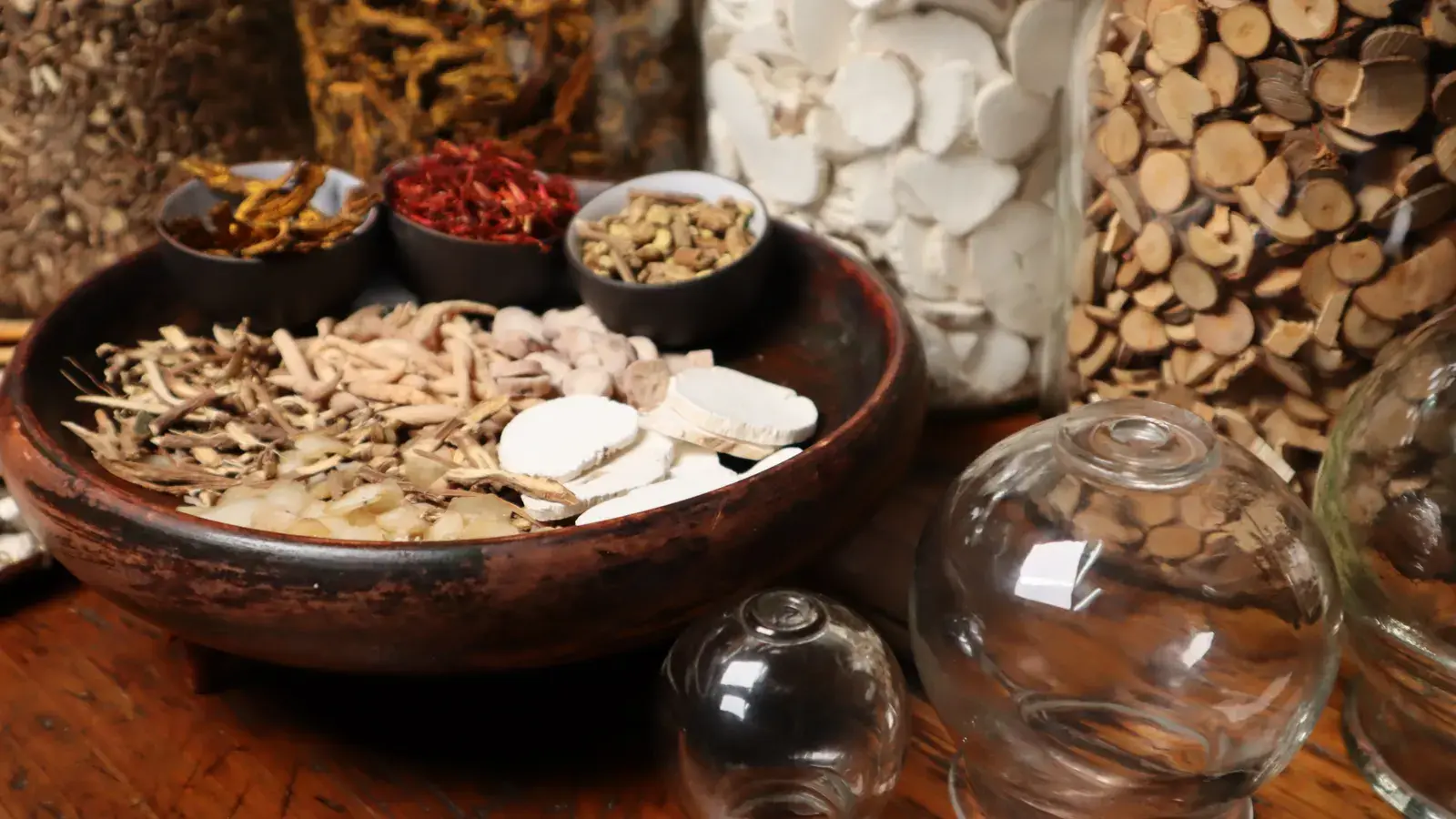
A trustworthy book will flag interactions with medications, note which herbs are unsuitable during pregnancy, and avoid promising that any herb or formula will produce guaranteed results. If you want a more accessible starting point before diving into a full textbook, our own overview of common Chinese herbs and what they’re used for introduces several widely used herbs and their traditional applications in plain language.
Reading Alongside Professional Care
Using a Book to Prepare for a Visit
Many readers find it helpful to read a book before their first visit so they can follow along as a practitioner explains their pattern. Understanding terms like “Qi and Blood stagnation” or “Spleen Qi deficiency” in advance can make the conversation during your visit more productive, since you will recognize the language being used to describe your own pattern.
Why a Diagnosis Still Matters
A treatment plan at Traditional Healing Centre always starts from the patient’s own Traditional Chinese Medicine diagnosis, never an off-the-shelf protocol drawn from a book or general reference. During a visit, Jason asks a lot of questions, looks at your tongue, and takes your pulse, then works out why you are experiencing your symptoms, not just what they are. This is the step a book, however detailed, cannot substitute for. The clinic offers acupuncture, Chinese herbal medicine formulated to the individual, Chinese cupping, moxibustion, and Tuina massage, each selected according to the pattern identified during that diagnosis.
Related Reading on This Site
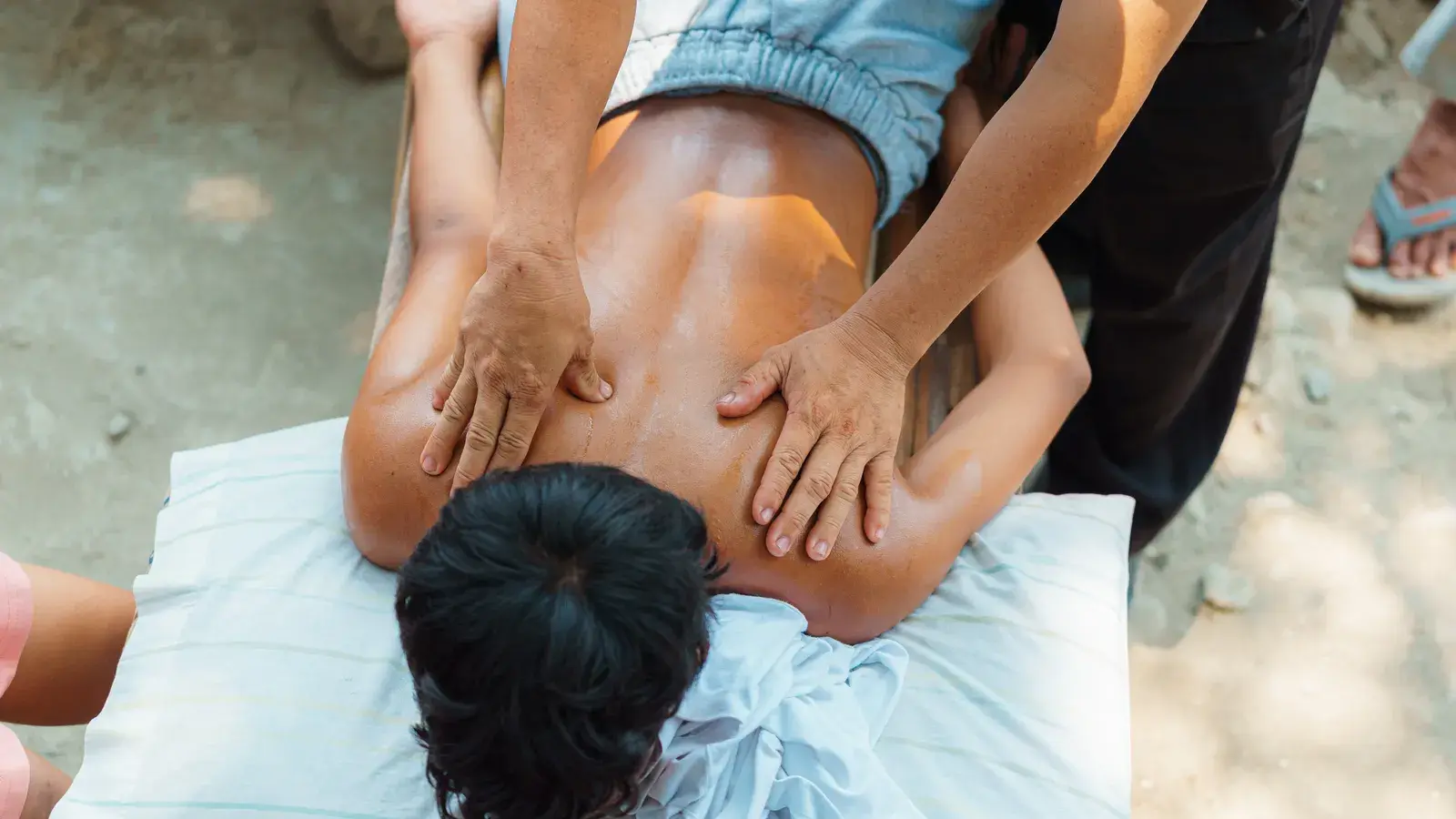
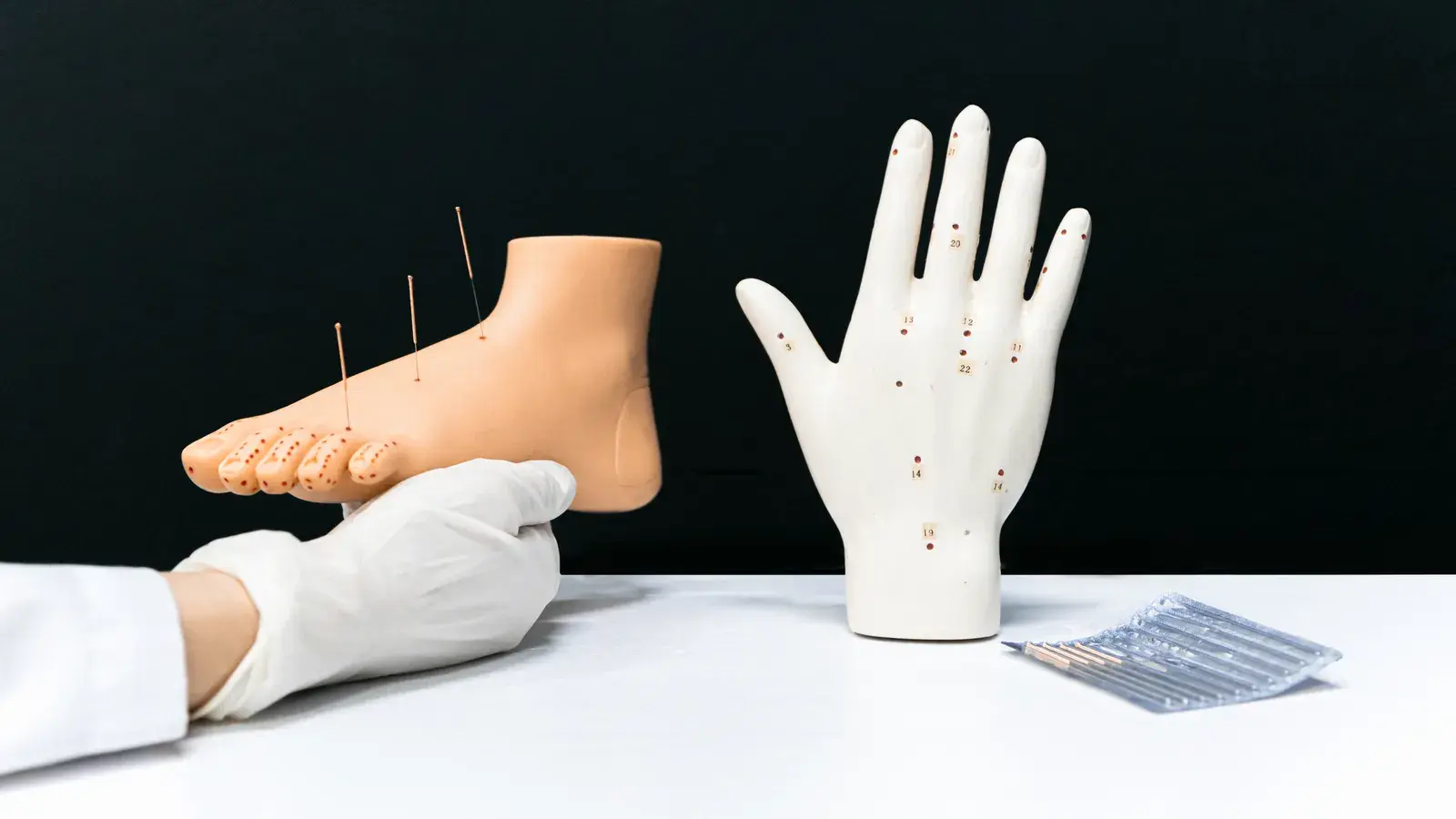
If your interest in TCM stems from a specific concern, our guide to pain relief massage and Traditional Chinese Medicine explains how Tuina massage fits into a broader treatment plan for chronic pain. Readers curious about facial acupuncture may also want to review what to know before booking cosmetic acupuncture.
Putting a Book to Practical Use
Questions a Book Can Help You Ask
Once you have a working vocabulary from a book, you are better equipped to ask specific questions during a visit: why a particular formula was chosen, what pattern it addresses, and how your symptoms relate to the organ systems discussed in TCM theory. This does not mean self-prescribing from the book, but rather using it as a companion to understanding your own course of treatment.
When to Set the Book Aside
If you notice new or worsening symptoms, or if you are taking other medications, the right next step is a conversation with a qualified practitioner rather than further reading. Chinese herbal formulas are formulated with specific combinations and dosages in mind, and self-selecting herbs based on a book carries real risk without an individual diagnosis to guide it.
A traditional chinese medicine / herbs book can be a genuinely useful starting point for understanding this system of medicine, but it works best as preparation for, not a substitute for, an individualized visit.
Ready to book, or have a question?
Book with Traditional Healing CentreIn this series
- Common Chinese Herbs and What They’re Used For
- Choosing a Traditional Chinese Medicine / Herbs Book