
Cupping Therapy Acupuncture: What to Expect and Why It Works
In short
Cupping therapy acupuncture is a Traditional Chinese Medicine approach that pairs cupping, placing suction cups on the skin, with acupuncture, inserting fine needles at specific points, usually in the same visit. Together they aim to relieve Qi and Blood stagnation, ease muscle tension, and support the body's own healing response. Many clinics offer both as part of one course of treatment rather than as separate services.
Many people search for cupping therapy acupuncture after they have tried one technique on its own and want to know whether combining the two makes sense for their particular pattern of symptoms. The short answer is that the two methods were never meant to stand apart. In Traditional Chinese Medicine, cupping and acupuncture are both tools for moving Qi and Blood, and a practitioner will often use them in the same visit to address the same underlying pattern from two directions.
In this article
- What Is Cupping Therapy Acupuncture?
- What Happens During a Visit
- Conditions People Seek It For
- How Many Visits You Might Need
- Finding the Right Clinic
What Is Cupping Therapy Acupuncture?
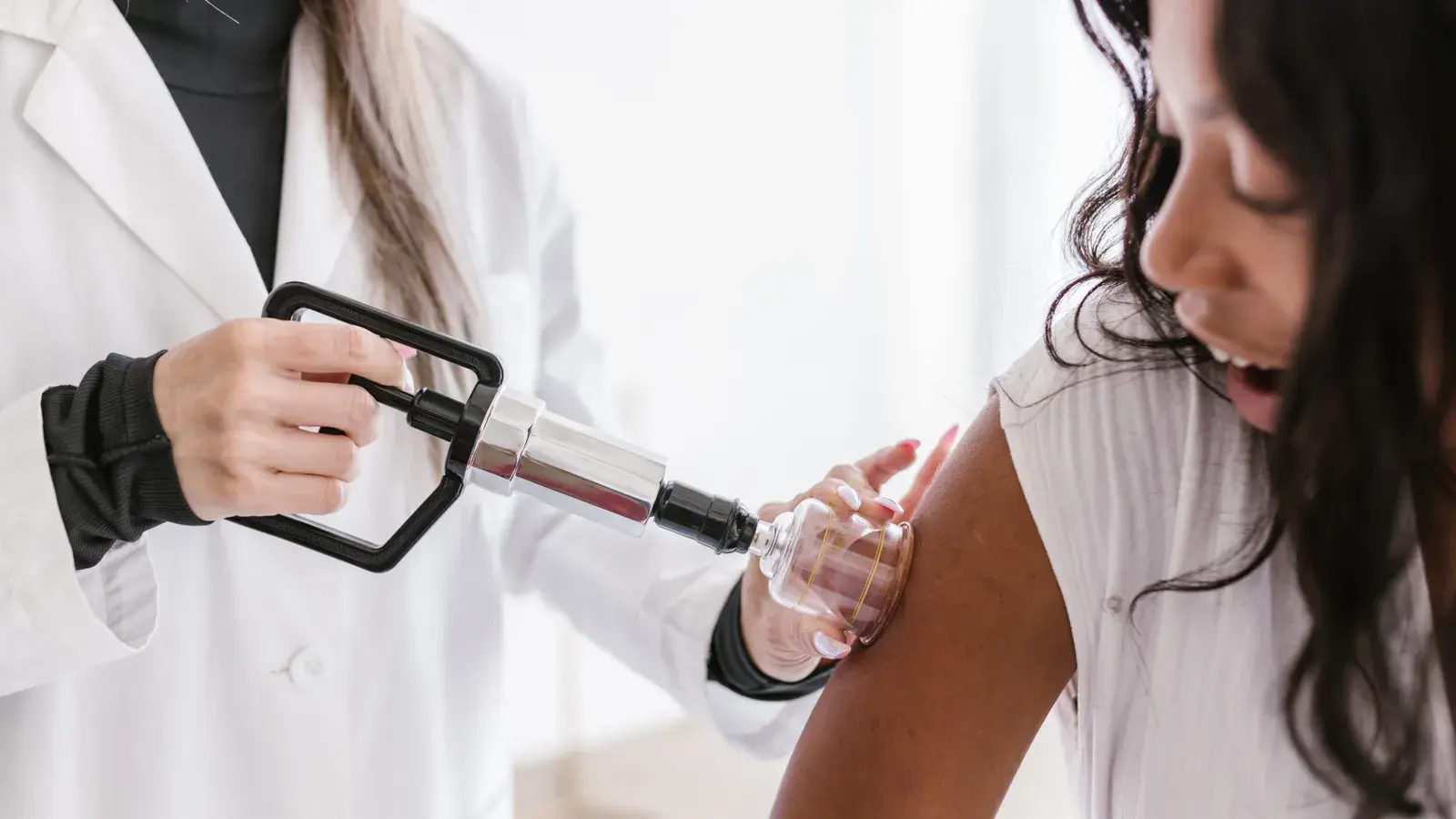
Cupping involves placing glass, silicone, or bamboo cups on the skin and creating suction, either with heat or a pump. The suction draws the skin and superficial muscle layer upward, which practitioners believe helps release areas of Qi and Blood stagnation and relieves tightness in the surrounding tissue. Acupuncture, by contrast, uses fine, sterile needles inserted at specific points along the body’s channels to influence the flow of Qi.
How the Two Techniques Work Together
When used together, cupping is often applied to larger muscle groups, such as the back, shoulders, or legs, while acupuncture needles target more precise points connected to the pattern identified during diagnosis. A practitioner might use cupping to loosen a tight band of muscle along the spine, then place needles at points further along the same channel to support the release. Neither technique is meant to replace a conversation with your doctor about ongoing medical care; they work alongside it as part of a broader approach to managing pain and stress.
What Happens During a Visit
The Diagnosis Comes First
A full diagnosis comes before any treatment. I ask a lot of questions about your pain and your health in general, then look at your tongue and take your pulse. This is how Traditional Chinese Medicine works out why you are having your symptoms, not just what they are. From there, I decide whether cupping, acupuncture, or a combination of the two best fits your pattern, and whether Chinese herbal medicine or Tuina massage should be part of the course of treatment as well.
Book a time
Pick a time that suits you.
Book a time- Phone: (647) 346-2780
- Email: jasontcm@traditionalhealingcentre.com
- Address: 213 Queensway S. Unit 400, Keswick, Ontario, L4P2A7
Once the pattern is clear, the cups are usually left in place for several minutes while you rest, and needles may be inserted either before or after the cupping, depending on the areas being treated. Most people describe the sensation as a firm pulling feeling rather than pain, and it is common to see round, reddish marks on the skin afterward that fade over several days.
Conditions People Seek It For
People often come in with chronic pain, including back pain, sciatica, knee pain, or tension headaches, as well as digestive, sleep, stress, or menstrual concerns. If neck and shoulder tension is your main complaint, you may find it helpful to read more about cupping for neck pain, which walks through how the technique is applied to that specific area. For a broader look at how cupping works on its own and who it tends to help, see Cupping Therapy: How It Works and Who It Helps.
How Many Visits You Might Need
Cupping therapy acupuncture is rarely a one-visit fix. I generally recommend planning on five to ten treatments before judging whether the course of treatment is working for you, since Qi and Blood stagnation built up over months or years does not typically resolve in a single session. The right interval between visits depends on your pattern and how your body responds, which is covered in more detail in How Often Should You Get Cupping?.
Finding the Right Clinic
At Traditional Healing Centre in Keswick, Ontario, every treatment plan starts from your own Traditional Chinese Medicine diagnosis, never an off-the-shelf protocol. I’m Jason Tarter, R.TCMP, R.Ac, registered with the College of Traditional Chinese Medicine Practitioners and Acupuncturists of Ontario, and I have been in practice for 18 years. Alongside acupuncture and Chinese cupping, I offer Chinese herbal medicine through custom formulas I write and fill myself in the clinic’s herbal dispensary, Tuina massage, moxibustion, and cosmetic acupuncture using the Meizen facial protocol. Receipts are issued by a Registered Acupuncturist and Registered Traditional Chinese Medicine Practitioner, and many extended health plans cover these services, though OHIP does not.
If you are weighing cupping therapy acupuncture against other approaches to chronic pain or stress, the clearest path forward is a proper diagnosis rather than guesswork about which technique to try first.