
How Often Should You Get Cupping?
Quick answer: Most patients benefit from cupping once a week during an initial course of treatment, then less often as symptoms ease. The right frequency depends on your pattern, how long you’ve had your symptoms, and how your body responds between visits.
I’m often asked how often should you do cupping therapy, and the honest answer is that it depends on you. No two patients walk through my door with identical Qi and Blood stagnation, so no two treatment schedules look exactly alike. What I can offer is the reasoning I use with patients in Keswick, so you understand why your plan looks the way it does.
Understanding Cupping Therapy and Its Purpose
Cupping uses suction to draw stagnant Qi and Blood toward the surface of the skin, encouraging fresh circulation through the tissue underneath. It’s a technique I use alongside acupuncture and Chinese herbal medicine, not as a stand-alone fix. If you’d like a deeper look at the mechanics, I’ve written more in Cupping Therapy: How It Works and Who It Helps.
What Happens During a Cupping Session
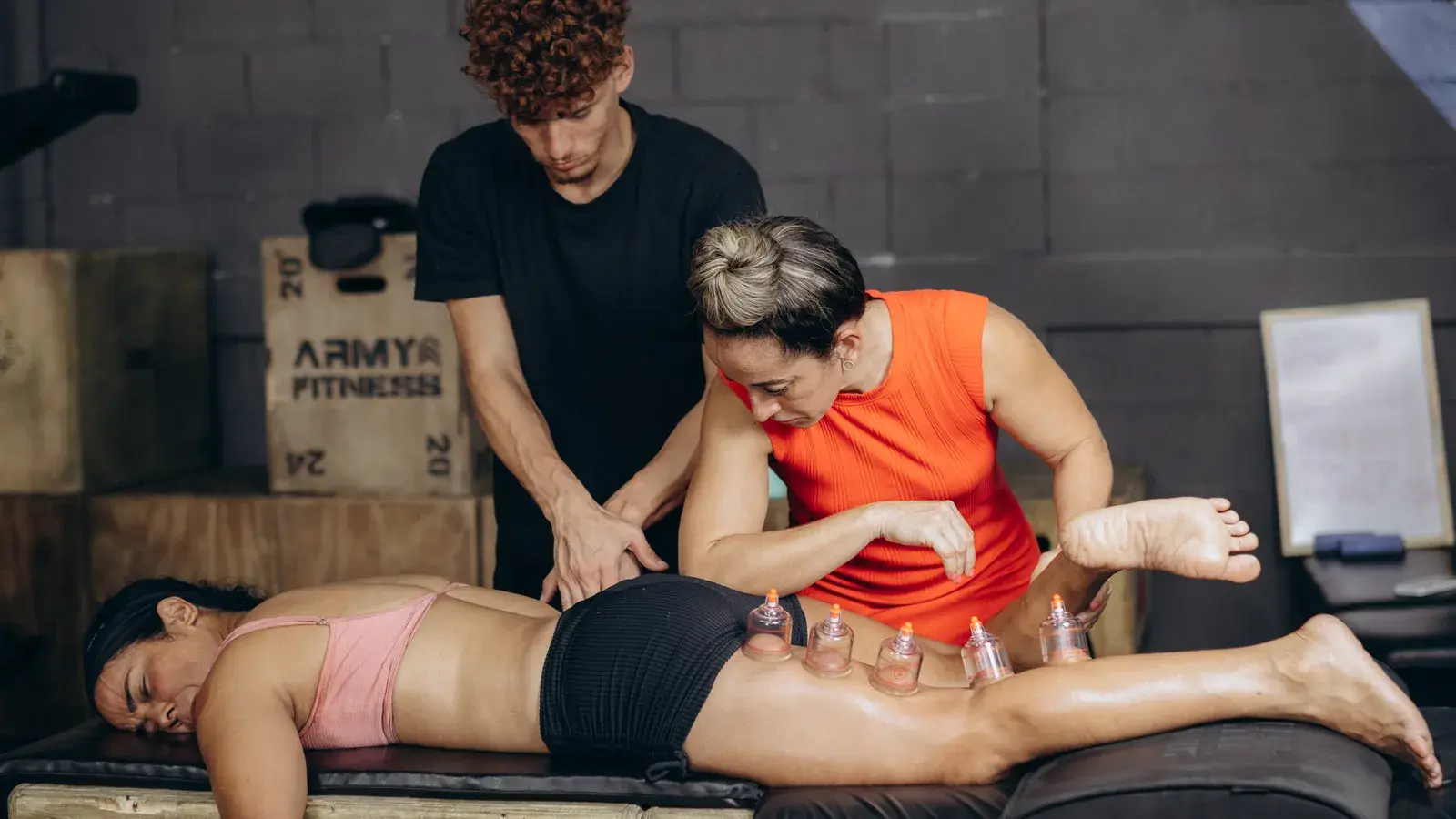
I apply glass or silicone cups to areas of tension, usually along the back, shoulders, or areas connected to your pattern. The cups stay in place for several minutes, and many patients describe the sensation as a deep, pulling pressure rather than discomfort. Light marking on the skin is common and fades within days.
How Cupping Fits into a Broader Treatment Plan
Cupping rarely stands alone in my practice. It’s typically paired with acupuncture or Tuina massage during the same visit, depending on what your tongue and pulse reveal that day. This combination approach is part of why frequency isn’t a fixed number.
How Often Should You Do Cupping Therapy
For most chronic concerns, I recommend a course of treatment that starts with weekly visits for four to six weeks. This gives me a chance to track how your pattern shifts and adjust the formula or technique as needed.
Factors That Influence Frequency
A few things shape how often I suggest cupping:
- How long the Qi and Blood stagnation has been present
- Whether you’re managing chronic pain, such as back pain or sciatica, or a shorter-term flare
- How your body responds after each visit
- Whether cupping is paired with herbal formulas or acupuncture in the same course of treatment
Typical Treatment Schedules
Once symptoms begin to settle, I often space visits out to every two weeks, then move to monthly maintenance for patients who want to stay ahead of recurring tension. There’s no universal schedule, because the pattern driving your symptoms isn’t universal either.
Signs You May Need More or Less Frequent Sessions
Your body gives feedback between visits, and I pay close attention to it.
When to Space Out Visits
If your skin is still marked from a previous session, or if you notice lingering tenderness, I’ll usually extend the gap before the next cupping treatment. The tissue needs time to recover fully.
When More Frequent Sessions May Help
If stagnation keeps returning quickly, or if you’re working through a stubborn pattern tied to stress or poor sleep, a tighter schedule for a short stretch can help build momentum before we taper off.
Why a Personalized Diagnosis Matters
I never start a course of treatment from an off-the-shelf protocol. Every plan I build, including how often I use cupping, begins with a full Traditional Chinese Medicine diagnosis: a lot of questions about your health, a look at your tongue, and a reading of your pulse. This is how I work out why you’re experiencing your symptoms, not just what they are, and it’s the reason cupping frequency varies so much from one patient to the next.
Getting Started with Cupping Therapy
If you’re new to cupping, the best next step is a proper diagnosis rather than guessing at a schedule on your own.
What to Expect at Your First Visit
Your first visit will focus on understanding your pattern before any cupping takes place. From there, I’ll outline a realistic course of treatment and explain how often we’ll meet and why. If you have questions before booking, feel free to get in touch.
New Patients
If you’re curious whether cupping therapy fits your symptoms and how often it should happen for you, I invite you to reach out through Traditional Healing Centre and start with a full diagnosis built around your own pattern.