
Cupping Therapy Rates: What Shapes the Cost of a Visit
November 28, 2026 · Jason Tarter, R.TCMP, R.Ac
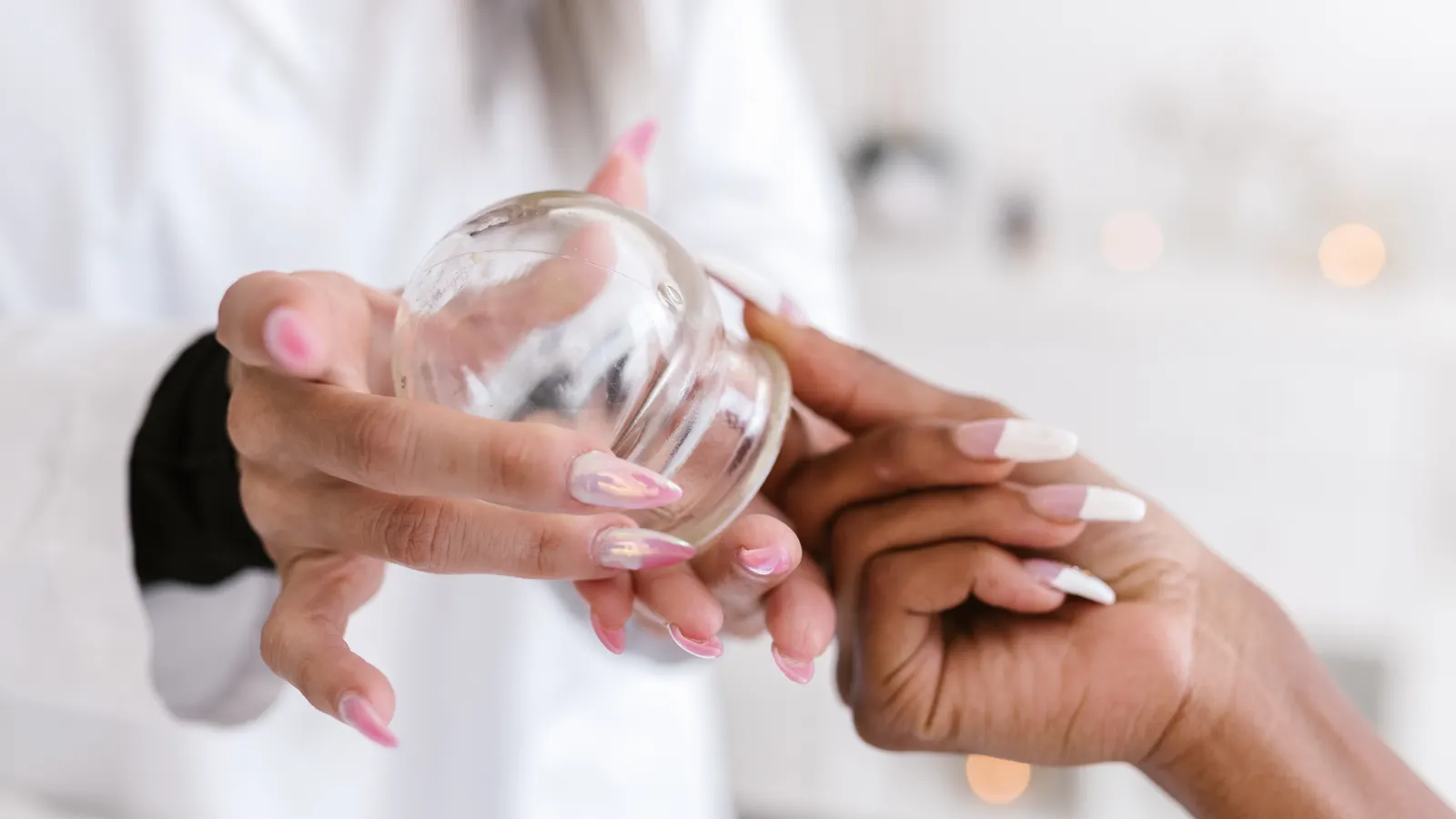
Quick answer: Cupping therapy rates depend mainly on who is performing the treatment, their training, and whether cupping is billed as a standalone service or included within a Traditional Chinese Medicine visit that also involves acupuncture or Tuina massage. There is no single fixed number across clinics, so the best way to understand what you will pay is to ask directly what a visit includes before you book.
Cupping therapy rates can look very different from one clinic to the next, and that difference often has less to do with the cups themselves and more to do with everything that surrounds the treatment. A short massage-style cupping session is not the same service as cupping delivered within a full Traditional Chinese Medicine visit, and the price reflects that. Understanding what goes into a rate helps you compare clinics fairly instead of judging on a single number.
What Shapes Cupping Therapy Rates
The Type of Cupping You Receive
Cupping is not one single technique. Some clinics offer it as a standalone wellness service, often moving the cups across oiled skin in a way that resembles cupping therapy massage. Others use stationary cupping as one tool within a broader Traditional Chinese Medicine visit, alongside acupuncture needles placed according to a pattern identified during diagnosis. These are different experiences with different time and skill requirements, which naturally affects cost.
Who Performs the Treatment
Rates also reflect the practitioner's training and credentials. A Registered Acupuncturist or Registered Traditional Chinese Medicine Practitioner has completed a recognized program and is accountable to a regulatory college, while other practitioners may have different qualifications. Neither approach is being disparaged here, but the scope of training behind the treatment is part of what you are paying for.
How Cupping Fits Into the Visit
A clinic that bills cupping as a short, isolated add-on will price it differently than one that includes it as part of a longer visit built around your own diagnosis. If cupping is addressing Qi and Blood stagnation identified through your pulse and tongue, for example, it is typically one piece of a larger formula of care rather than a line item sold on its own.
Cupping Alone vs. Cupping With Acupuncture
Standalone Cupping Sessions
When cupping is offered by itself, the rate usually reflects a fixed block of time, often with a focus on muscular tension in the back, shoulders, or neck. This can be a reasonable option for general tightness, and clinics that specialize in this style often describe their approach in detail, including guidance such as this overview of cupping for neck pain.
Cupping Within an Acupuncture Visit
When cupping is combined with acupuncture, the rate reflects the full visit, not the cupping portion alone. This is common in Traditional Chinese Medicine, where cupping may be used to support the same pattern being addressed with needles. Readers curious about this combined approach can find more detail in this explanation of cupping therapy acupuncture.
Why a Single Visit Rarely Tells the Full Story
Course of Treatment, Not a One-Off Fix
Because chronic complaints build up over time, most Traditional Chinese Medicine practitioners recommend judging progress over a course of treatment rather than a single visit. At Traditional Healing Centre, for example, Jason Tarter generally suggests planning for 5 to 10 treatments before evaluating results. This matters when comparing cupping therapy rates, since the real cost of care is the full course, not just the first visit.
Insurance and Extended Health Coverage
Many extended health plans cover acupuncture and Chinese medicine services, though OHIP does not. It is worth checking your own plan's details, including whether a Registered Acupuncturist or Registered Traditional Chinese Medicine Practitioner designation is required for reimbursement, since receipts issued under these credentials are often what insurers ask for.
How Traditional Healing Centre Approaches Cupping
Traditional Healing Centre, located in Keswick, Ontario, offers Chinese Cupping alongside Acupuncture, Chinese Herbal Medicine, Moxibustion, Tuina Massage, and Cosmetic Acupuncture. Every treatment plan starts from the patient's own Traditional Chinese Medicine diagnosis, never an off-the-shelf protocol, which means cupping is used when it fits the pattern Jason identifies, not applied as a default. Jason Tarter, R.TCMP, R.Ac, has been in practice for 18 years and is registered with the College of Traditional Chinese Medicine Practitioners and Acupuncturists of Ontario (CTCMPAO). He also runs the herbal dispensary that fills the custom formulas he prescribes, so cupping, acupuncture, and herbal medicine can work together as part of one coordinated plan rather than separate services.
Questions Worth Asking Before You Book
Before committing based on price alone, it helps to ask a clinic a few direct questions: Is cupping billed on its own or included in a full visit? What credentials does the practitioner hold? How many sessions are typically recommended for a concern like yours? Will you receive a receipt suitable for an extended health claim? These questions matter more than the number itself, since they tell you what that number actually includes.
If you would like to discuss how cupping might fit your own symptoms and pattern, you can get in touch with any questions first.
Cupping therapy rates are easier to compare once you know what sits behind them. If you are ready to find out what a visit built around your own diagnosis might look like, you can book an appointment with Traditional Healing Centre today.