In short
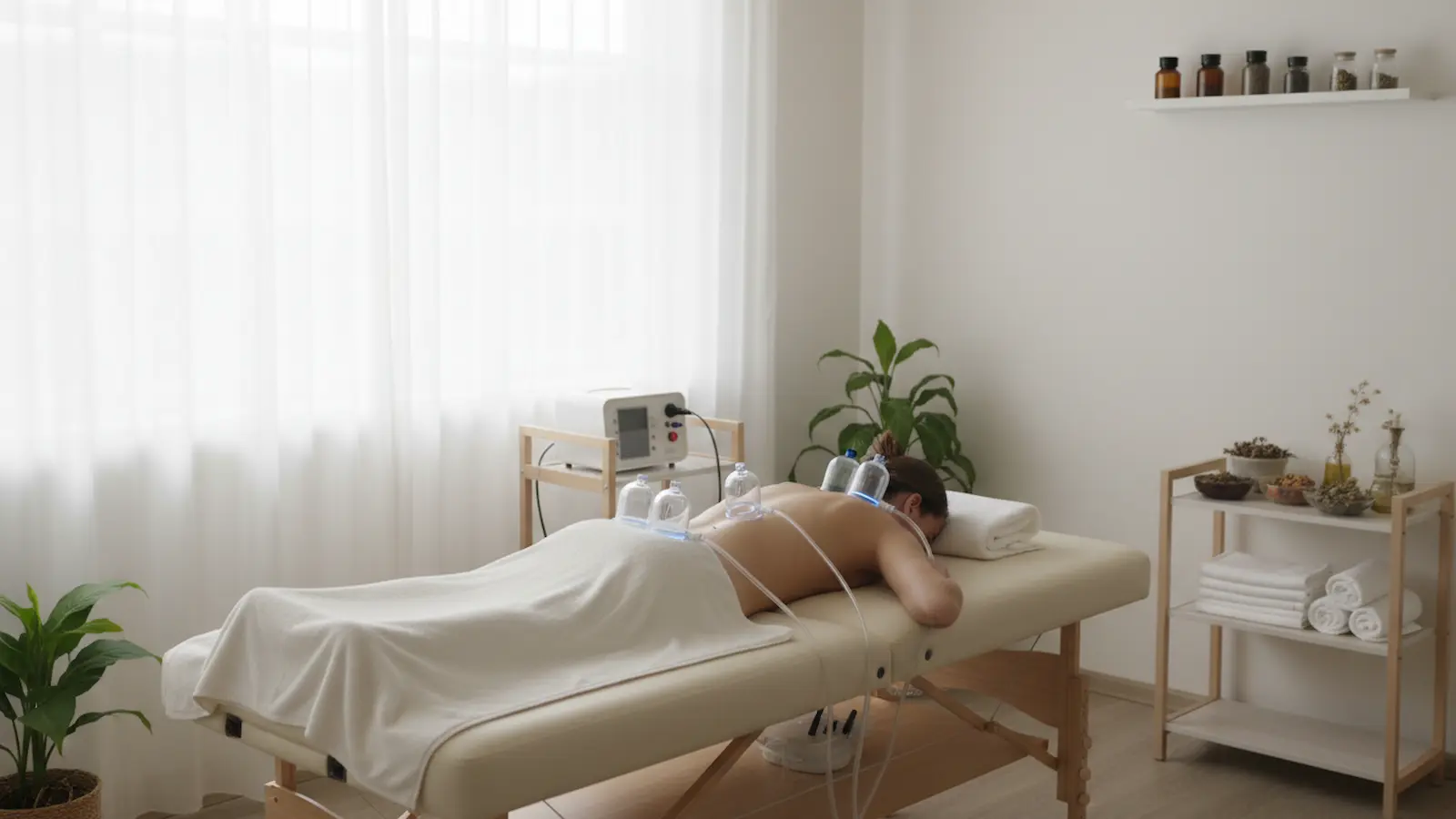
Electric cupping therapy uses a small pump or electronic device to create suction inside the cups instead of a flame, giving the practitioner steadier control over pressure and the option to add gentle pulsing during the session. It works on the same principle as traditional cupping—drawing Blood and Qi to the surface to ease stagnation—but the suction tends to feel more even and adjustable from cup to cup.
Electric cupping therapy has started appearing in more clinics that combine traditional methods with modern equipment, and patients often ask how it compares to the cupping they have seen elsewhere. The short explanation is that the mechanics change, but the goal—moving stagnant Qi and Blood to ease pain and tension—stays the same. Understanding the differences can help you decide whether this approach fits what you are looking for.
In this article
What Is Electric Cupping Therapy?
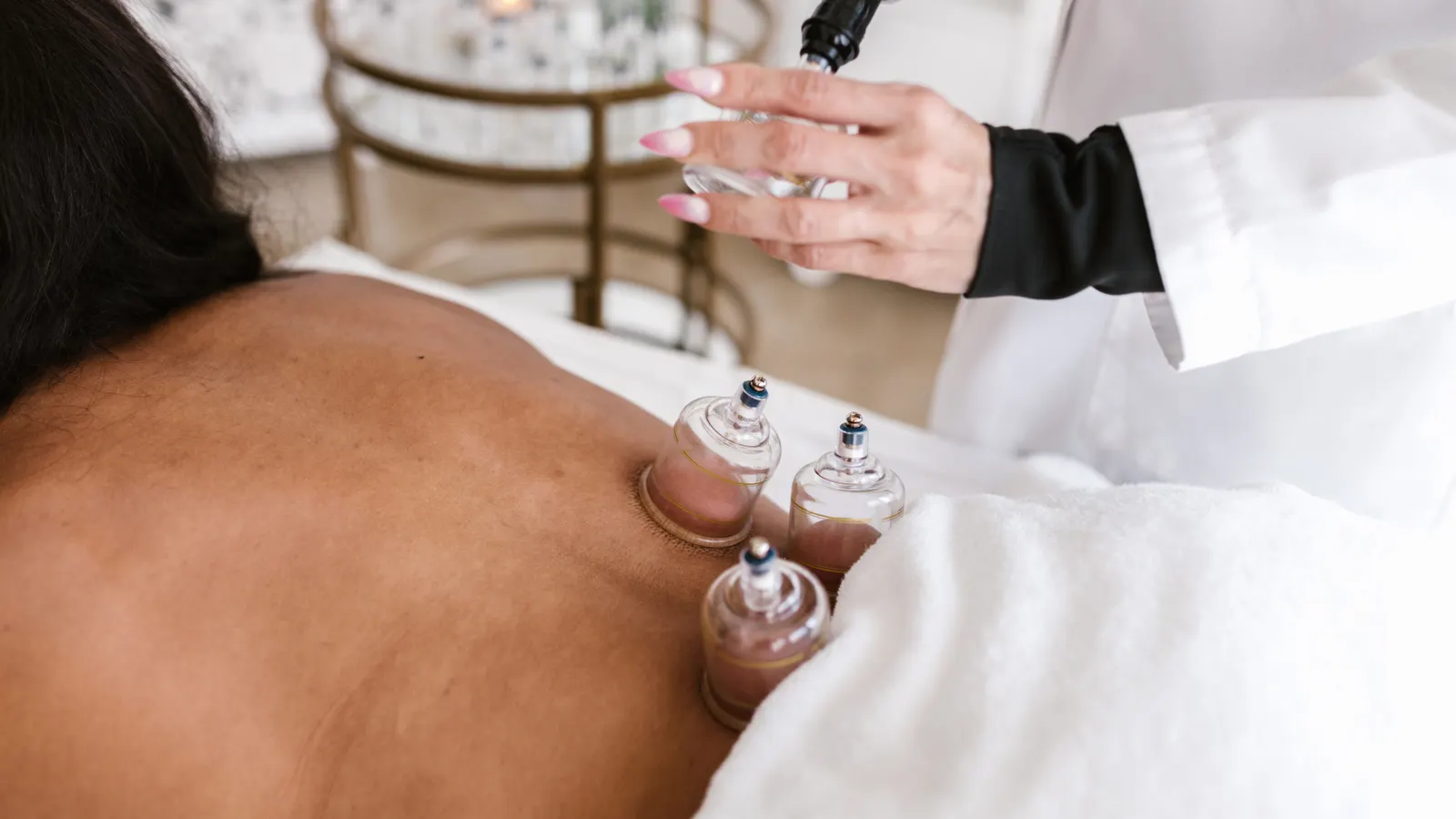
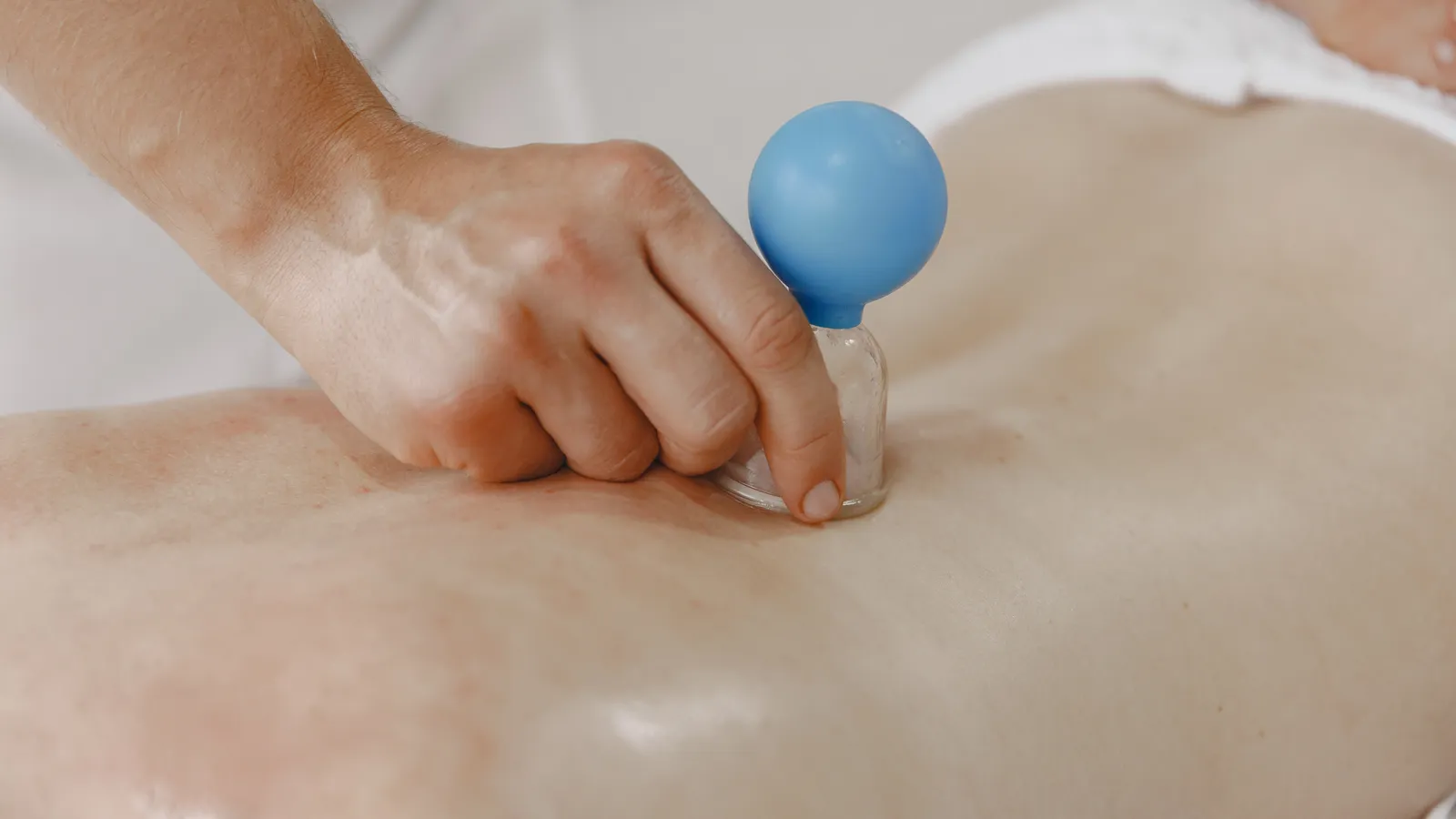
Cupping, in any form, involves placing small cups on the skin and creating suction so the cups draw the skin and underlying tissue upward. That suction pulls Blood toward the surface, which is thought to loosen areas where Qi and Blood have become stagnant. Electric cupping reaches that suction through a pump connected to the cups rather than through fire.
How It Differs From Fire Cupping
With fire cupping, a practitioner briefly ignites a flame inside the cup to remove the oxygen, then places the cup on the skin so the cooling air creates suction. Electric cupping skips the flame entirely. A pump draws air out of the cup through a small valve or tube, and the practitioner can adjust the strength of the suction with more precision than fire allows. For patients who are uneasy about an open flame near the skin, or for areas of the body where a steady, controllable pull is more useful than a single burst of suction, electric cupping is often the more practical option.
How Electric Cupping Fits Into Traditional Chinese Medicine
In Traditional Chinese Medicine, pain and tension are frequently described as a result of Qi and Blood stagnation—areas where the flow of Qi and Blood has slowed or become blocked. Cupping is one of several tools, alongside acupuncture and Tuina massage, used to address that stagnation. The suction draws Blood to the surface, which is meant to encourage movement through the area and relieve the tightness or discomfort associated with it. Electric cupping is simply a different way of creating that suction, not a different theory behind why it is used.
What Electric Cupping Can Help With
Chronic Pain and Muscle Tension
Electric cupping is commonly used on the back, shoulders, and neck, where muscle tension and stiffness tend to build up. If you have read about cupping for neck pain, the same reasoning applies here: the suction targets the muscle layer where tension sits, rather than only the surface of the skin.
Stress, Sleep and Digestive Concerns
Because cupping is often paired with acupuncture in a broader treatment plan, it can also play a role in addressing stress, sleep disturbances, or digestive discomfort when these are tied to patterns of Qi and Blood stagnation identified during a diagnosis.
What to Expect During a Session
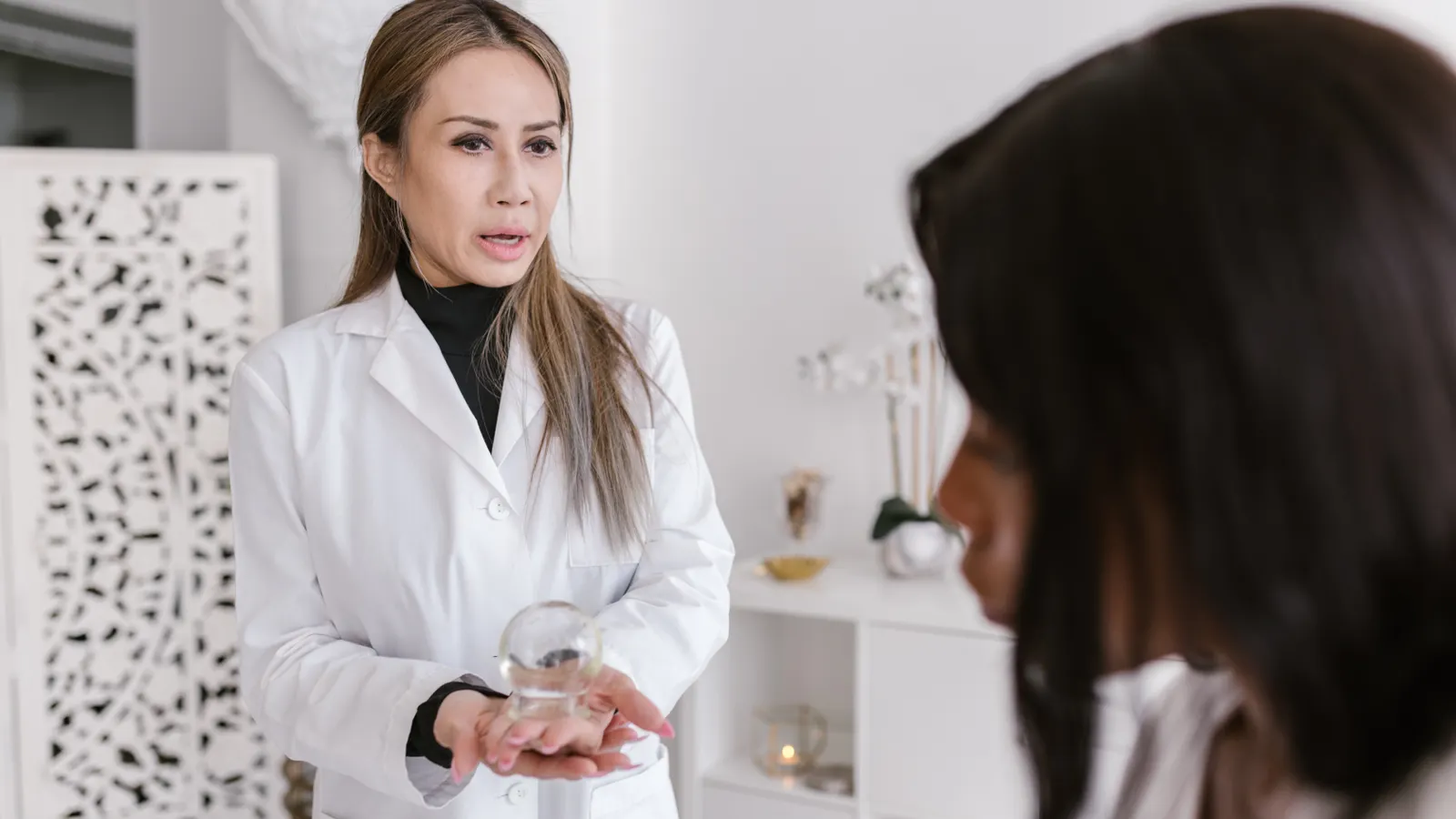
A practitioner will usually start by asking about your symptoms and health history, then select the areas where cupping makes sense based on your pattern. The cups are placed on the skin, the pump creates suction, and the cups may be left in place for several minutes or moved slowly across the area, depending on what the practitioner is trying to achieve. It is common to see round marks on the skin afterward; these typically fade within a few days and are a normal response to the increased Blood flow at the surface, not a sign of injury. For a broader look at how cupping sessions are structured, the article on cupping therapy massage covers the general process in more detail, and facial cupping therapy explains how a gentler version of the technique is used on the face.
Is Electric Cupping Safe?
Electric cupping is generally considered a safe technique when performed by a trained practitioner who adjusts the suction to suit your skin and the area being treated. As with any cupping method, it is not meant to replace care from your doctor, and it should be discussed with your practitioner if you have skin conditions, are pregnant, or are taking blood-thinning medication.
Electric Cupping at Traditional Healing Centre
I offer Chinese Cupping as part of the Traditional Chinese Medicine treatments at Traditional Healing Centre, alongside acupuncture, Chinese herbal medicine, moxibustion, Tuina massage, and cosmetic acupuncture. Every treatment plan I put together starts from the patient's own Traditional Chinese Medicine diagnosis, never an off-the-shelf protocol, so cupping is only used where it fits the pattern I find during your visit, not as a default add-on.
I have been in practice for 18 years as a Registered Traditional Chinese Medicine Practitioner and Registered Acupuncturist (R.TCMP, R.Ac), registered with the College of Traditional Chinese Medicine Practitioners and Acupuncturists of Ontario (CTCMPAO). Most patients plan on 5 to 10 treatments before judging progress, since cupping and acupuncture tend to work cumulatively rather than in a single visit. Receipts I issue can often be submitted to extended health plans that cover acupuncture and Chinese medicine services, though OHIP does not.
Frequently Asked Questions
How Many Sessions Will I Need?
This depends on your pattern and how long the stagnation has been building. As a general guideline, plan on 5 to 10 treatments before expecting to see meaningful change.
Does Insurance Cover Cupping?
Many extended health plans cover acupuncture and Chinese medicine services, so it is worth checking your plan's details. Receipts issued by a Registered Acupuncturist and Registered Traditional Chinese Medicine Practitioner are typically accepted for these claims.
Book a time
Pick a time that suits you.
Book a time- Phone: (647) 346-2780
- Email: jasontcm@traditionalhealingcentre.com
- Address: 213 Queensway S. Unit 400, Keswick, Ontario, L4P2A7