
In short
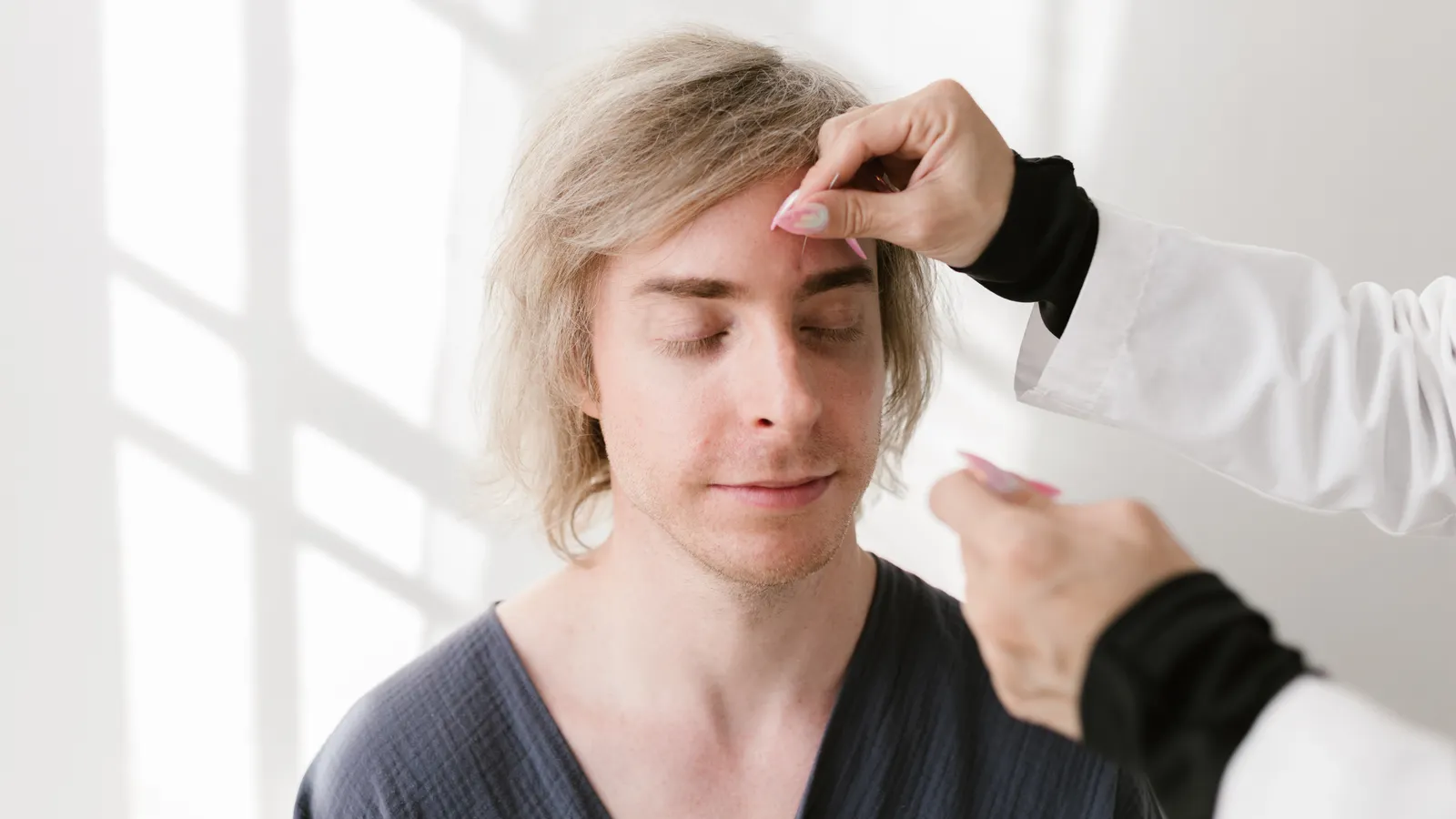
Facial acupuncture at home is limited to safe self-care tools like jade rollers, gua sha stones, and facial massage, since real acupuncture needles should only be placed by a trained, registered practitioner. If you want the deeper, needle-based results associated with cosmetic acupuncture, that treatment needs to happen in a clinical setting.
Searches for facial acupuncture at home have grown as more people look for gentler, natural ways to support skin tone and ease tension in the face without reaching for injectables. The idea is appealing: a quiet few minutes at the bathroom sink, a tool in hand, and a sense that you are doing something proactive for your skin and your stress levels. Before trying any of the kits sold for this purpose, it helps to understand what these tools can realistically do, and where they stop.
In this article
What "Facial Acupuncture at Home" Usually Means
When people search this phrase, they are rarely looking for a way to insert real acupuncture needles into their own face. Most are referring to a family of self-care tools marketed as an at-home alternative to clinical facial acupuncture.
Common At-Home Tools
The most common options are jade or rose quartz rollers, gua sha stones, and small facial massage devices. These are used to glide along the jawline, cheeks, and forehead, often alongside a facial oil, to encourage gentle stimulation and support lymphatic drainage. Some people also use micro-roller devices with short, fine pins meant for surface-level stimulation rather than true acupuncture point insertion.
Where At-Home Tools Fall Short
Book a time
Pick a time that suits you.
Book a time- Phone: (647) 346-2780
- Email: jasontcm@traditionalhealingcentre.com
- Address: 213 Queensway S. Unit 400, Keswick, Ontario, L4P2A7
Related articles
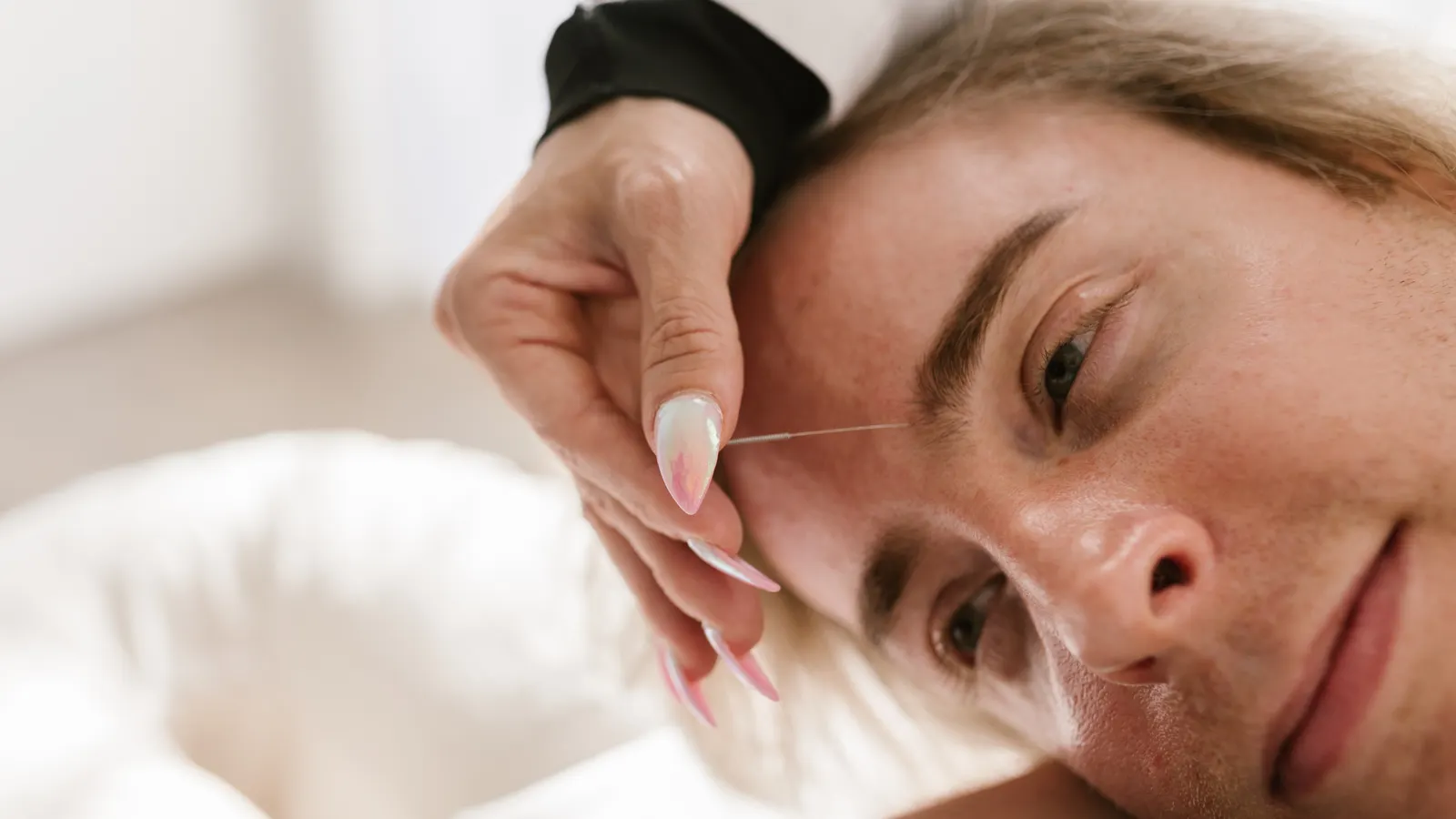
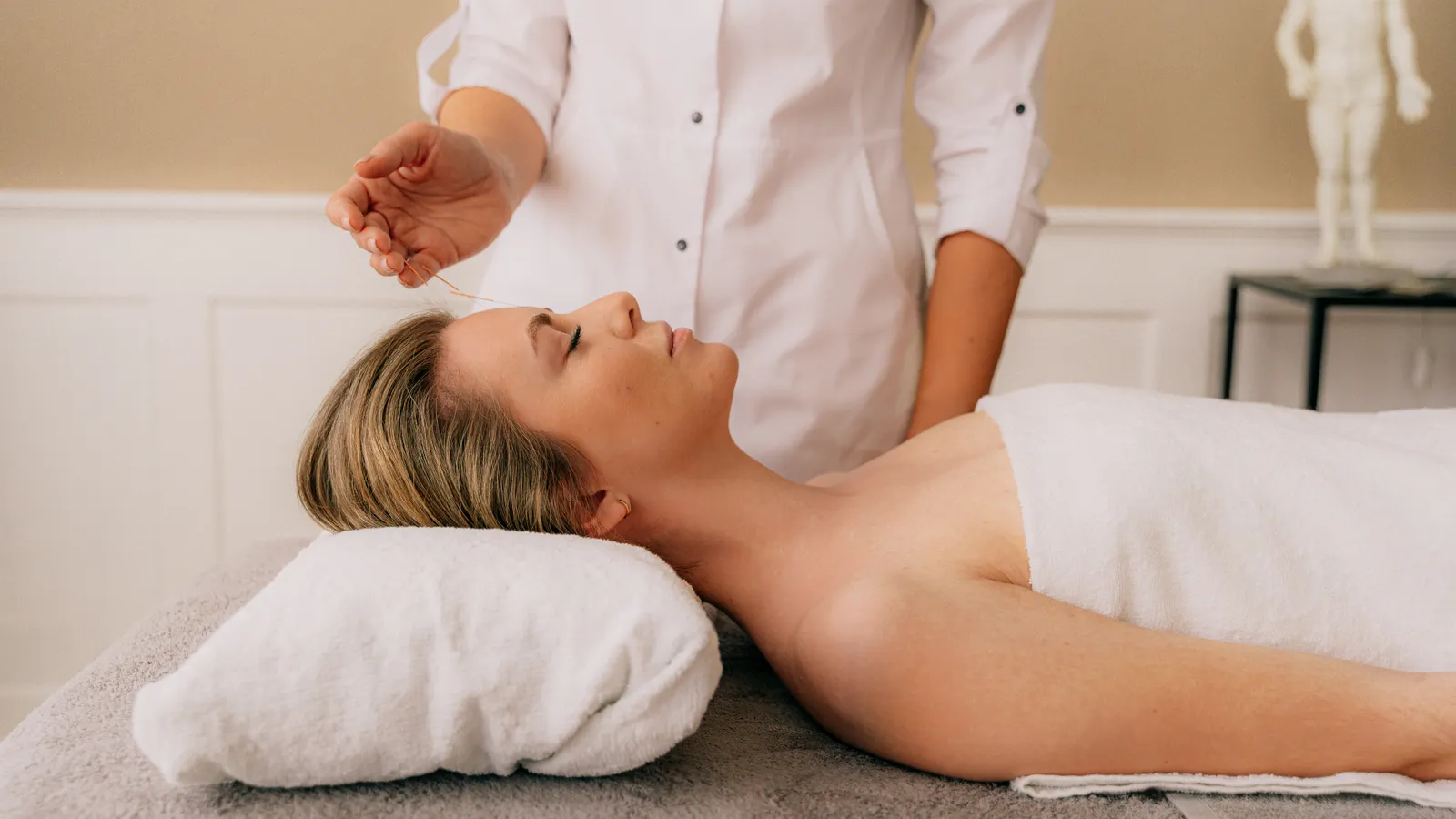
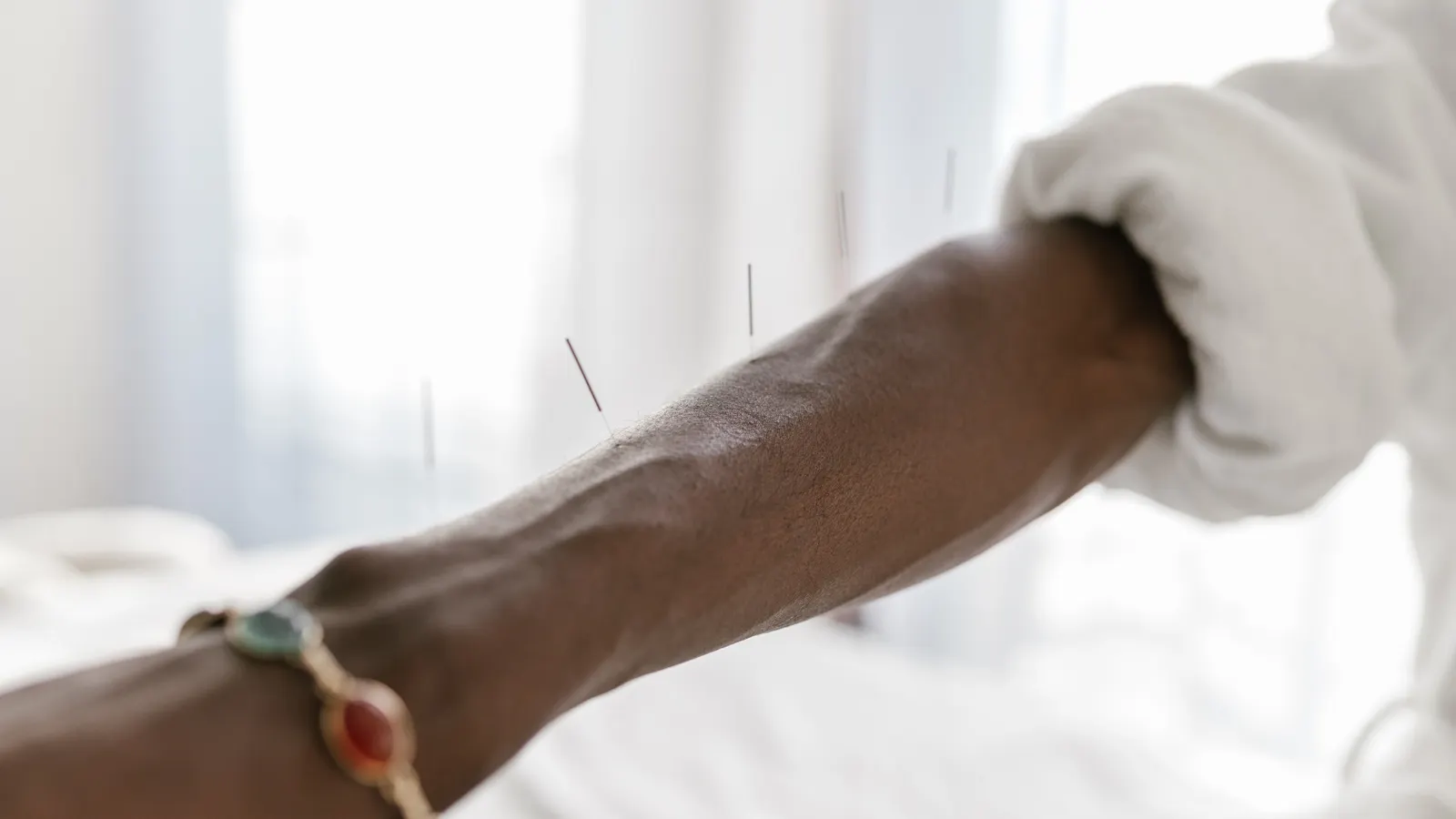
These tools can feel relaxing and may support a short-term glow after use, but they are not the same as acupuncture. Traditional Chinese Medicine facial acupuncture works with specific points connected to the body's Qi and Blood, chosen after a practitioner has worked out your individual pattern. A roller or gua sha stone cannot reach that depth, and it cannot be adjusted to your pattern the way a formal course of treatment can.
The Risks of DIY Needling
A smaller number of people search for facial acupuncture at home because they are considering using real needles themselves, sometimes after watching a demonstration online. This is where caution matters most.
Why Needles Require Training
Placing a needle in the face involves thin skin, a dense network of blood vessels, and proximity to the eyes. A trained practitioner selects needle depth and angle based on years of study and hands-on supervision. Without that training, the risk of bruising, infection, or injury rises sharply, and there is no way to safely troubleshoot a problem mid-treatment on your own face. For a clearer picture of how acupuncture actually works on the body before trying anything yourself, it's worth reading What Does Acupuncture Actually Do to Your Body?
What Professional Cosmetic Acupuncture Offers
Facial acupuncture performed by a registered practitioner starts the same way any other Traditional Chinese Medicine visit does: with a full diagnosis. I ask a lot of questions, look at your tongue, and take your pulse before deciding which points and techniques suit your pattern, rather than applying a generic protocol to every face that walks in.
The Meizen Facial Protocol
At Traditional Healing Centre in Keswick, Ontario, I offer cosmetic acupuncture using the Meizen facial protocol, which I trained in specifically for this purpose. Every plan still begins from your own Traditional Chinese Medicine diagnosis, never an off-the-shelf protocol, because the face reflects what is happening in the rest of the body. I have been in practice for 18 years and am registered with the College of Traditional Chinese Medicine Practitioners and Acupuncturists of Ontario (CTCMPAO), and I issue receipts as a Registered Acupuncturist (R.Ac) and Registered Traditional Chinese Medicine Practitioner (R.TCMP), which many extended health plans accept for acupuncture and Chinese medicine services.
Getting the Most From Either Approach
At-home tools and clinical cosmetic acupuncture can coexist. A gua sha routine at home may feel like a nice complement to professional visits, as long as you understand it is not a substitute for a true course of treatment.
Realistic Expectations
Traditional Chinese Medicine generally works gradually rather than overnight, and I suggest planning on 5–10 treatments before judging progress with cosmetic acupuncture. Tension in the face is sometimes tied to broader patterns of Qi and Blood stagnation, which can also show up as headaches; if that sounds familiar, you may find it useful to read Acupuncture for a Headache: How Treatment Works for more context on how facial and head tension connect.
Ready to book, or have a question?
Book with Traditional Healing CentreIn this series
- How Often Should You Have Facial Acupuncture?
- Facial Acupuncture at Home: What's Safe, What's Not
- Facial Acupuncture Cost: What Factors Affect the Price