
Moxibustion
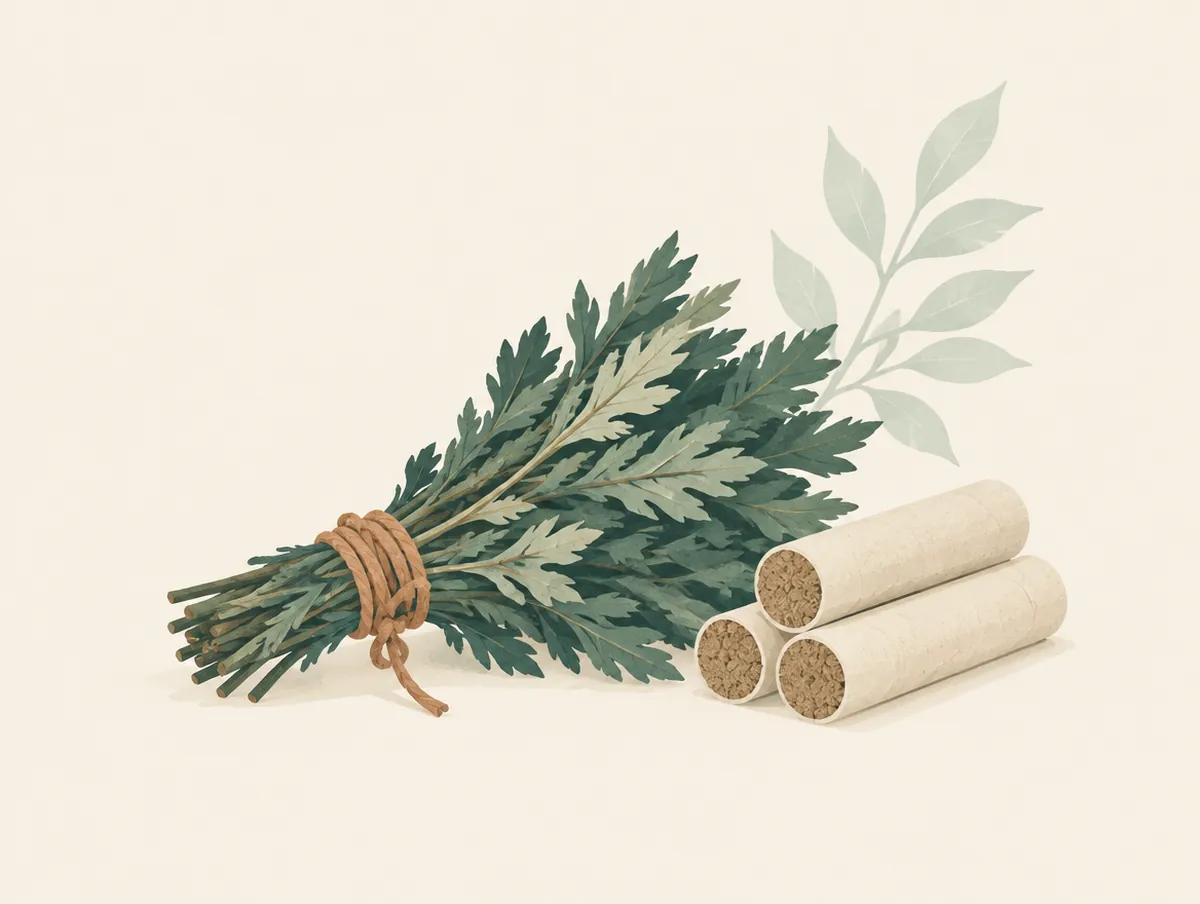
Moxibustion: Warming Therapy in Chinese Medicine
In Traditional Chinese Medicine (TCM), moxibustion is a therapy that uses the heat of burning dried mugwort to stimulate specific points on the body. This article explains what it is, how it is done, and what it is traditionally used for.
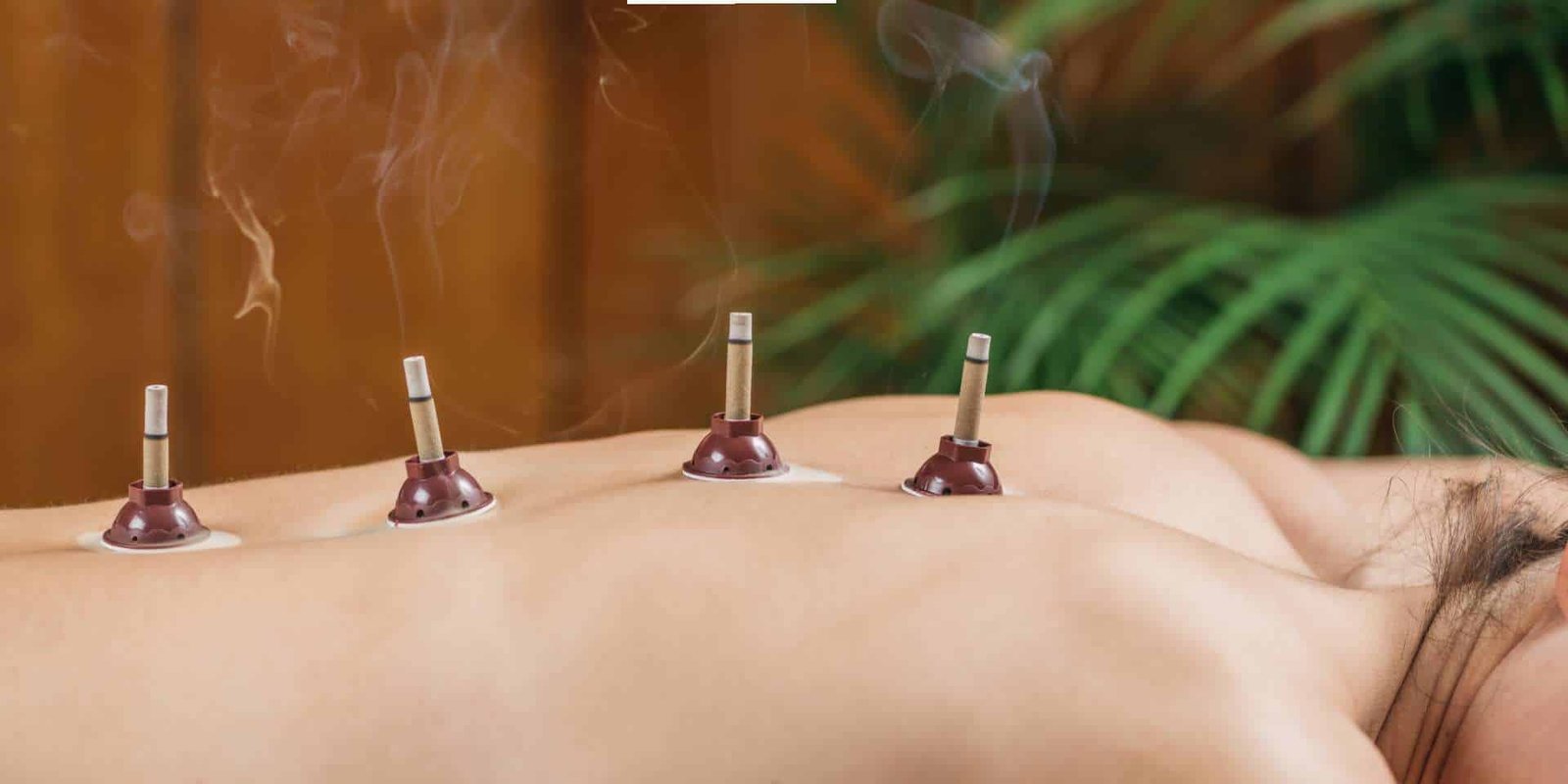
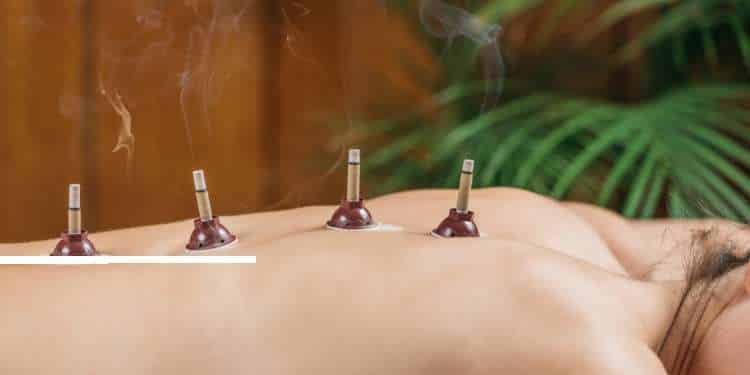
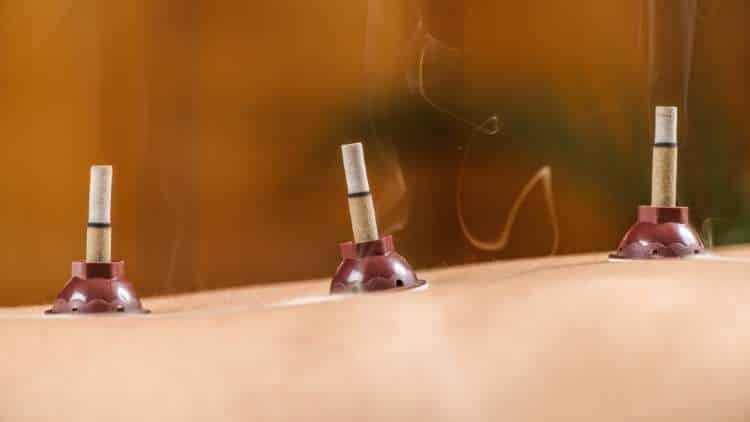
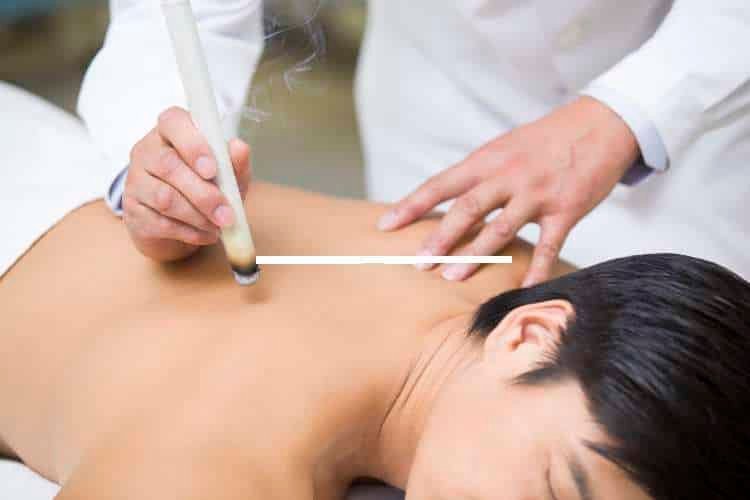
The Essence of Moxibustion: Moxibustion, often referred to as “moxa,” is a complementary therapy closely aligned with acupuncture in Traditional Chinese Medicine. It shares the same foundational principles, focusing on the balance and flow of vital energy, or Qi, throughout the body. Moxibustion aims to invigorate and harmonize Qi by applying heat to specific points.
Key Aspects of Moxibustion:
-
Mugwort Herb (Artemisia vulgaris): The dried leaves of the mugwort plant are used in moxibustion. When burned, they produce a fragrant smoke and a gentle heat.
-
Heat and Qi Flow: In Chinese medicine, moxibustion is used to warm and move the body’s Qi and blood.
-
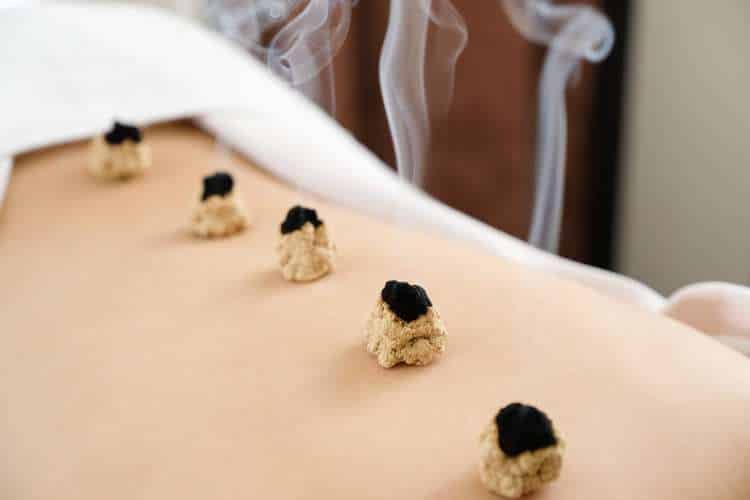
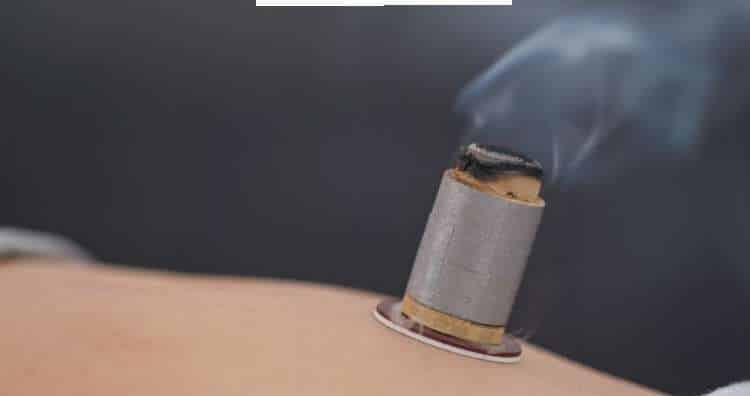
Different Methods: There are two main methods of moxibustion – direct and indirect. Direct moxibustion involves placing moxa directly on the skin, while indirect moxibustion uses a barrier like ginger or salt to prevent direct contact with the skin.
-
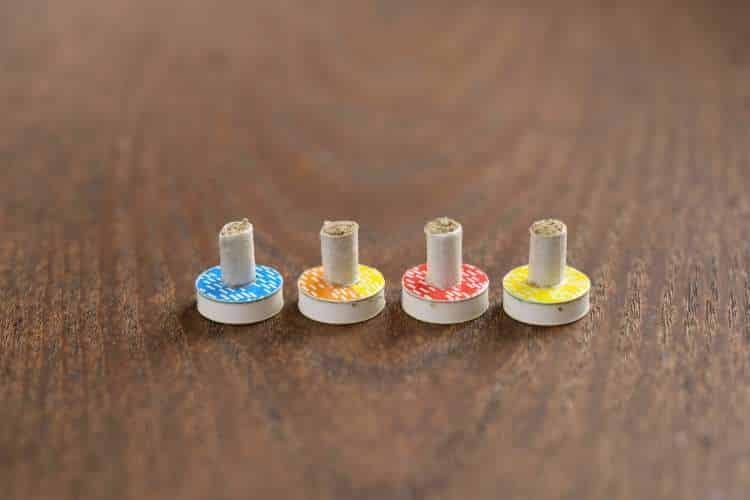
Variations: Moxibustion comes in various forms, including moxa sticks, cones, and even refined forms like moxa charcoal. The practitioner chooses the form for the area being treated.
Traditional Uses of Moxibustion:
-
Pain: Moxibustion is traditionally used for chronic pain such as arthritis, menstrual cramps, and muscle tension, especially when the pain is better with warmth.
-
Digestion: Moxibustion on specific points is traditionally used for digestive complaints such as bloating.
-
Cold Patterns: In Chinese medicine, moxibustion is used when a person’s pattern shows cold or weakness.
-
Breech Presentation: Moxibustion is sometimes used in pregnancy when a baby is in the breech position. This should only be done with the knowledge of your midwife or obstetrician.
-
Relaxation: Many people find the warmth of moxibustion calming.
Moxibustion and Acupuncture: Moxibustion is often used in the same session as acupuncture, chosen from the same Chinese medicine diagnosis.
Conclusion: Moxibustion is a warming therapy used alongside acupuncture in Traditional Chinese Medicine. How people respond varies. Book an appointment to find out whether it suits your case.