
Conditions · Pain
Acupuncture for Plantar Fasciitis
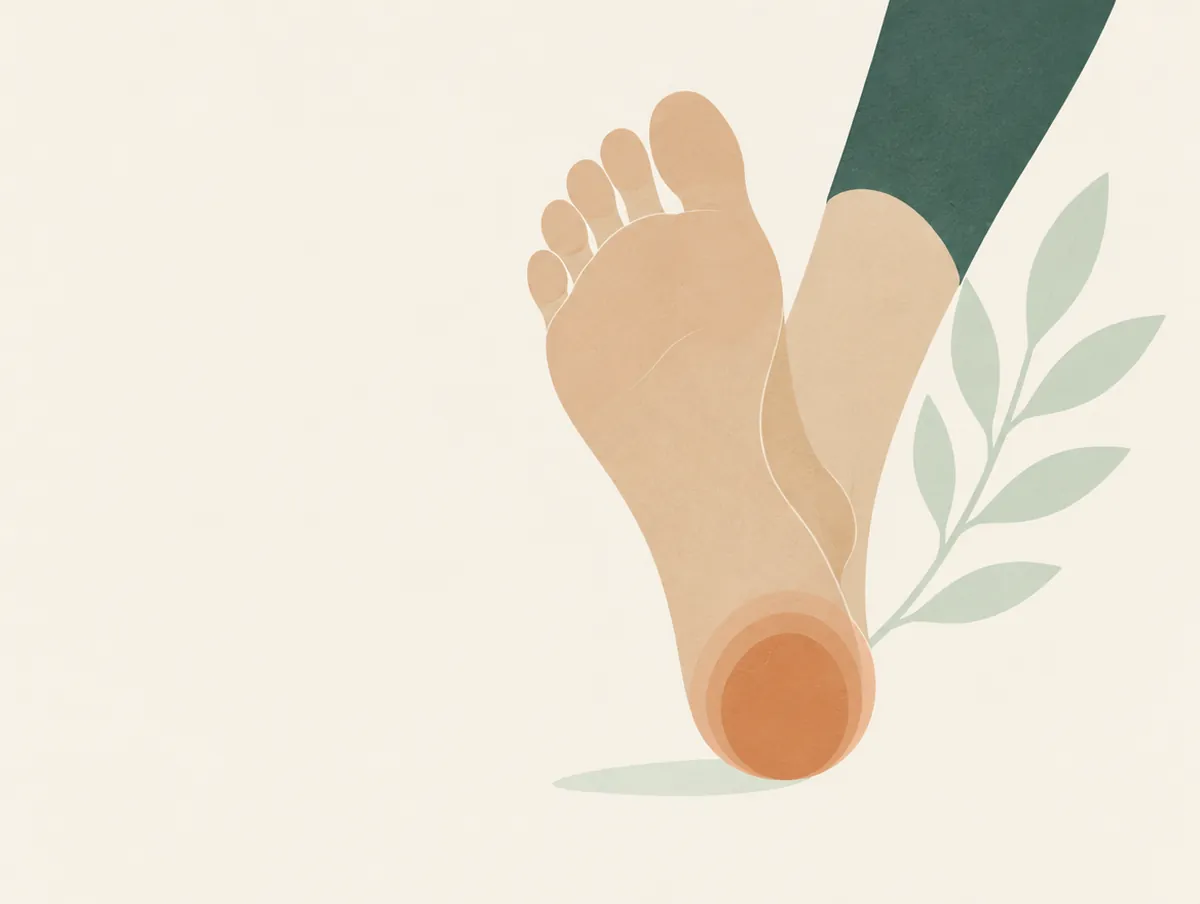
Plantar fasciitis is irritation of the thick band of tissue under your foot, causing stabbing heel pain that is often worst with the first steps in the morning. We use acupuncture and related treatments to ease the pain, based on a Chinese medicine diagnosis.
Common symptoms
- Sharp, stabbing heel pain with the first steps in the morning
- Pain after sitting or resting that eases as you walk
- Aching along the arch of the foot
- Heel pain after, rather than during, exercise or a long day on your feet
- Tenderness on the underside of the heel
Common causes
- Repeated strain on the plantar fascia from standing, walking or running
- A sudden increase in activity, or a change to harder surfaces
- Tight calf muscles or Achilles tendon
- Flat feet, high arches or unsupportive footwear
- Extra body weight, and being between about 40 and 60
How Chinese medicine understands plantar fasciitis
In Chinese medicine, heel pain is tied closely to the channels that run through the foot. The Kidney channel begins on the sole and circles the inner heel. The Bladder channel runs down the calf and along the outer heel. So heel pain is treated both locally and along these channels, and the Kidney connection matters in long-standing cases.
The common patterns are:
- Qi and Blood stagnation. Sharp, stabbing pain in one spot, often after more walking or running, new shoes or long days standing on hard floors. Treatment moves circulation through the heel and calf.
- Cold and Damp. An aching, stiff heel that is worse in cold weather and first thing in the morning, and better with warmth. Treatment warms the area.
- Kidney deficiency. Dull heel pain that has lasted months, is worse when you are tired, and often comes with a weak low back or knees. In Chinese medicine the heel is not being nourished well enough to repair, so treatment also builds you up.
Heel pain often combines a recent strain with something slower underneath, such as tight calves or tiredness. That is why the plan is written for you rather than for “heel pain”.
What treatment involves
Your first visit at the clinic in Keswick starts with questions: what you do on your feet all day, what shoes you wear, what activity you do, and when the pain is worst. I look at your tongue and take your pulse. An assessment usually also includes pressing along the heel and arch to find where it is most tender, and checking how tight the calf is.
Acupuncture is usually the main treatment. Needles go into points around the heel and ankle, along the calf, and elsewhere on the body chosen for your pattern. I treat the whole body at every treatment, not only the area that hurts. Acupuncture needles are very fine, typically 0.14 to 0.30 mm. The aim is to ease heel pain and release the tight calf and foot muscles that pull on the plantar fascia.
Depending on the diagnosis, treatment may also include moxibustion to add warmth to the heel for a Cold pattern, tuina massage or cupping to loosen a tight calf, or Chinese herbal medicine: a formula written for your pattern.
Plantar fasciitis often lasts for months, and it settles more easily when the load on the heel comes down too. Plan on 5–10 treatments to judge progress.
Between visits
- Stretch before your first steps. Before getting out of bed, gently pull your toes back towards you and stretch your calf for a minute.
- Wear supportive shoes. Avoid going barefoot on hard floors, and wear supportive slippers at home.
- Roll the arch. Roll your foot over a frozen water bottle or a ball for a few minutes, once or twice a day.
- Ease the load for a while. Swap some walking or running for cycling or swimming while the heel settles.
- Ask about insoles. A chiropodist or physiotherapist can advise on heel cups, insoles or orthotics.
When to see your doctor first
See your doctor before starting treatment, or promptly if you are already coming in, if:
- The pain started after a fall, jump or other injury, or you cannot put weight on the foot.
- The heel is swollen, red or warm, or you have a fever.
- You have numbness, tingling or burning in the foot.
- You have diabetes or poor circulation. Foot problems need prompt checking.
- Both heels hurt along with other joints, or you also have back stiffness that is worse in the morning.
- The pain is there at rest and at night, not just with your first steps.
Questions about plantar fasciitis
Why is the pain worst with my first steps in the morning?
Overnight, the plantar fascia and calf tighten while your foot is at rest. Your first steps stretch the tissue suddenly, which hurts. The pain often eases as you keep moving, then comes back after long periods of sitting or standing.
Should I keep walking or running with plantar fasciitis?
Cut back on high-impact activity while the heel settles, but don't stop moving altogether. Cycling and swimming are easier on the heel. Build back up gradually.
Is acupuncture used on its own for plantar fasciitis?
Usually not. It fits alongside stretching, supportive footwear and reducing the load on your heel. If a chiropodist or physiotherapist has given you orthotics or an exercise program, keep using them.