
Myofascial Cupping Therapy: What It Is and How It Helps
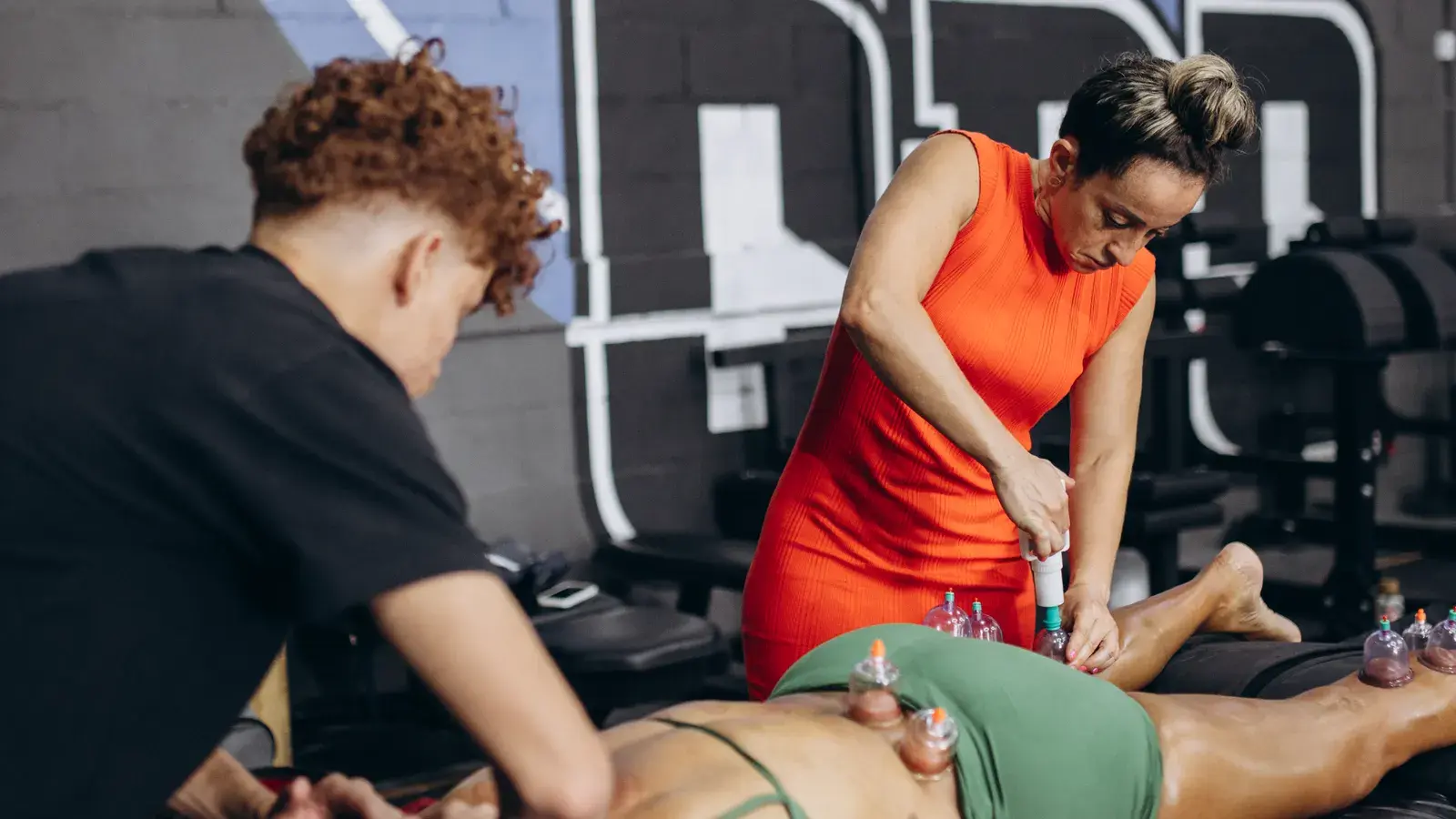
Quick answer: Myofascial cupping therapy uses silicone or glass cups to lift the skin and underlying fascia, creating negative pressure that may ease muscle tightness and improve local circulation. It is often applied over the back, shoulders, or legs and can be used on its own or alongside acupuncture. Most people feel a pulling sensation rather than pain, and temporary circular marks are common afterward.
Many people search out this technique after months of tight shoulders, stubborn low back tension, or a nagging sense that their muscles never fully release, even after stretching or massage. Myofascial cupping therapy is different from the deep-tissue pressure of a typical massage because it works by lifting tissue upward instead of pressing it down, which changes how the fascia and muscle layers respond.
In this article
- What Is Myofascial Cupping Therapy?
- What to Expect During a Session
- Conditions That May Benefit
- How Myofascial Cupping Fits With Other Treatments
- Frequently Asked Questions
What Is Myofascial Cupping Therapy?
Fascia is the thin, connective tissue that wraps around muscles, nerves, and blood vessels throughout the body. When it becomes tight or restricted, through overuse, injury, or prolonged poor posture, it can limit movement and contribute to Qi and Blood stagnation in the surrounding area. Myofascial cupping therapy addresses this by placing cups on the skin and using suction to draw the tissue upward, rather than compressing it the way a hand or massage tool would.
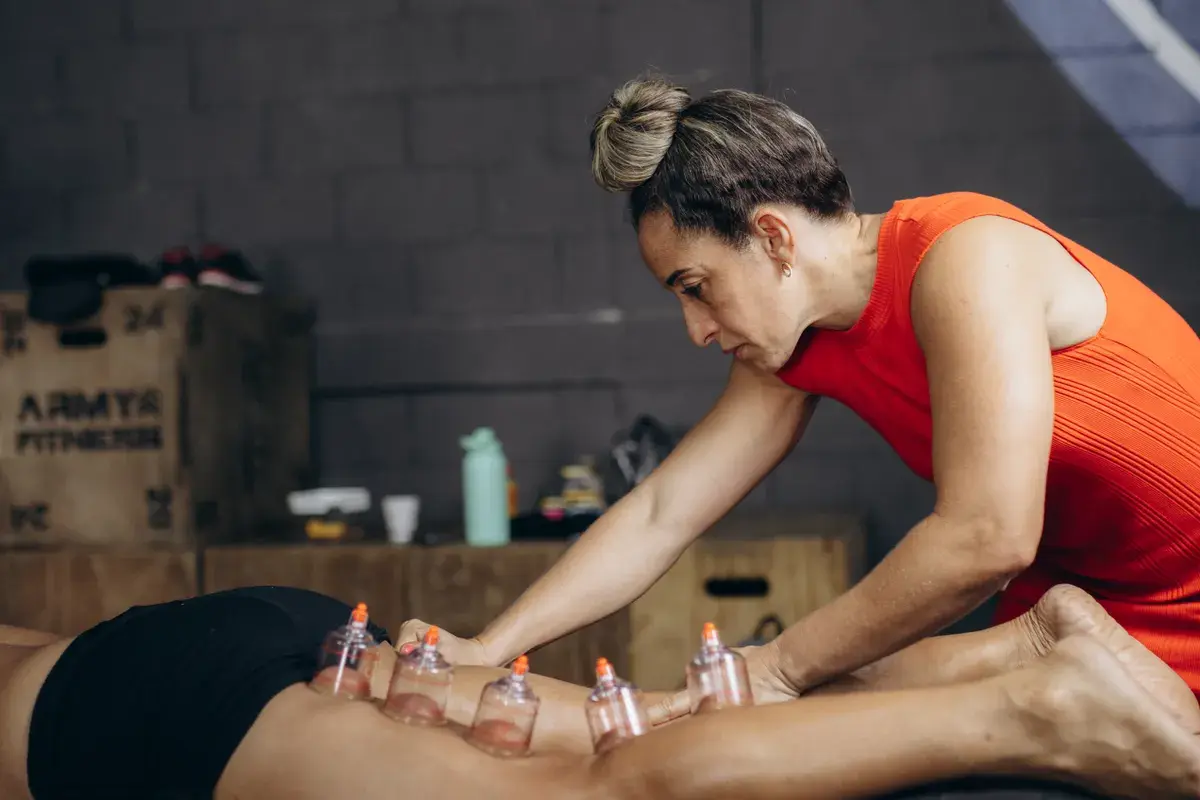
Photo by Jonathan Borba on Pexels
The Fascia Connection
Because fascia connects muscle groups across the body, restriction in one area can show up as discomfort somewhere else entirely, a tight hip may contribute to low back tension, for example. Lifting the tissue with cups is meant to create space between the layers of fascia and muscle, which may help restore smoother movement and reduce the pulling sensation that comes with chronic tightness.
Suction and Movement
Practitioners can leave cups stationary over a tender area or glide them slowly across the skin, which is often called moving cupping. Both approaches rely on the same negative pressure, but moving cupping covers a broader area and is frequently used along the back, shoulders, or legs where muscle groups run in long lines.
What to Expect During a Session
A session typically begins with the practitioner assessing the area of complaint, sometimes alongside a broader Traditional Chinese Medicine pattern diagnosis if cupping is paired with acupuncture. Cups are then placed and either held in place for several minutes or moved across oiled skin.
Static vs. Moving Cupping
Static cupping is generally used over a specific tender point, while moving cupping treats a larger region at once. The choice depends on where the tightness sits and how the practitioner reads the tissue response during the visit.
Possible Marks and Sensations
It’s common to notice round or oval discoloration where the cups were placed. These marks reflect the release of stagnant Blood near the surface of the skin and usually fade within several days to a week. The sensation during treatment is typically described as a firm pulling rather than pain, and most people find it tolerable throughout the session.
Conditions That May Benefit
Chronic Pain and Tension
People dealing with chronic back pain, neck stiffness, or recurring headaches often look to cupping as part of a broader treatment plan. For neck-specific concerns, Cupping for Neck Pain outlines how the technique is applied to that region specifically.
Sports Recovery and Mobility
Active individuals sometimes use myofascial cupping therapy to support recovery after intense training or to address tightness that limits range of motion. Because the suction works differently than deep pressure, some find it a useful complement to regular Tuina massage or stretching routines.
How Myofascial Cupping Fits With Other Treatments
Cupping is rarely used in isolation within Traditional Chinese Medicine. It’s frequently combined with acupuncture needling in the same visit, since both approaches aim to move Qi and Blood and relieve stagnation, just through different mechanisms. The article Cupping Therapy Acupuncture: What to Expect and Why It Works explains how the two are often layered together, while Cupping Therapy Massage: What It Is and How It Works covers how cupping compares to manual massage techniques.
Why a Proper Diagnosis Still Matters
At Traditional Healing Centre in Keswick, Ontario, every treatment plan starts from the patient’s own Traditional Chinese Medicine diagnosis, never an off-the-shelf protocol. Before any cups are placed, I ask a lot of questions, look at your tongue, and take your pulse, then work out why you are experiencing your symptoms, not just what they are. Jason Tarter, R.TCMP, R.Ac, has been in practice for 18 years and offers cupping alongside acupuncture, Chinese herbal medicine, and Tuina massage, with every formula custom-written for the individual patient through the clinic’s own herbal dispensary.
Frequently Asked Questions
How Many Sessions Will I Need?
Progress with cupping and related Traditional Chinese Medicine treatments is usually judged over a course of treatment rather than a single visit. Plan on 5–10 treatments before expecting to see a clear pattern of change, since fascia and muscle tension built up over months or years rarely resolve in one appointment.
Is It Covered by Insurance?
Many extended health plans cover acupuncture and Chinese medicine services, including cupping when billed under those categories, though it’s worth checking your specific plan. Receipts are issued by a Registered Acupuncturist (R.Ac) and Registered Traditional Chinese Medicine Practitioner (R.TCMP), which most insurers require for reimbursement.
If tight muscles or stubborn fascia have been holding you back, book an appointment to find out whether myofascial cupping therapy fits into a treatment plan built around your own diagnosis.