
Pain Relief Massage: A Traditional Chinese Medicine Guide
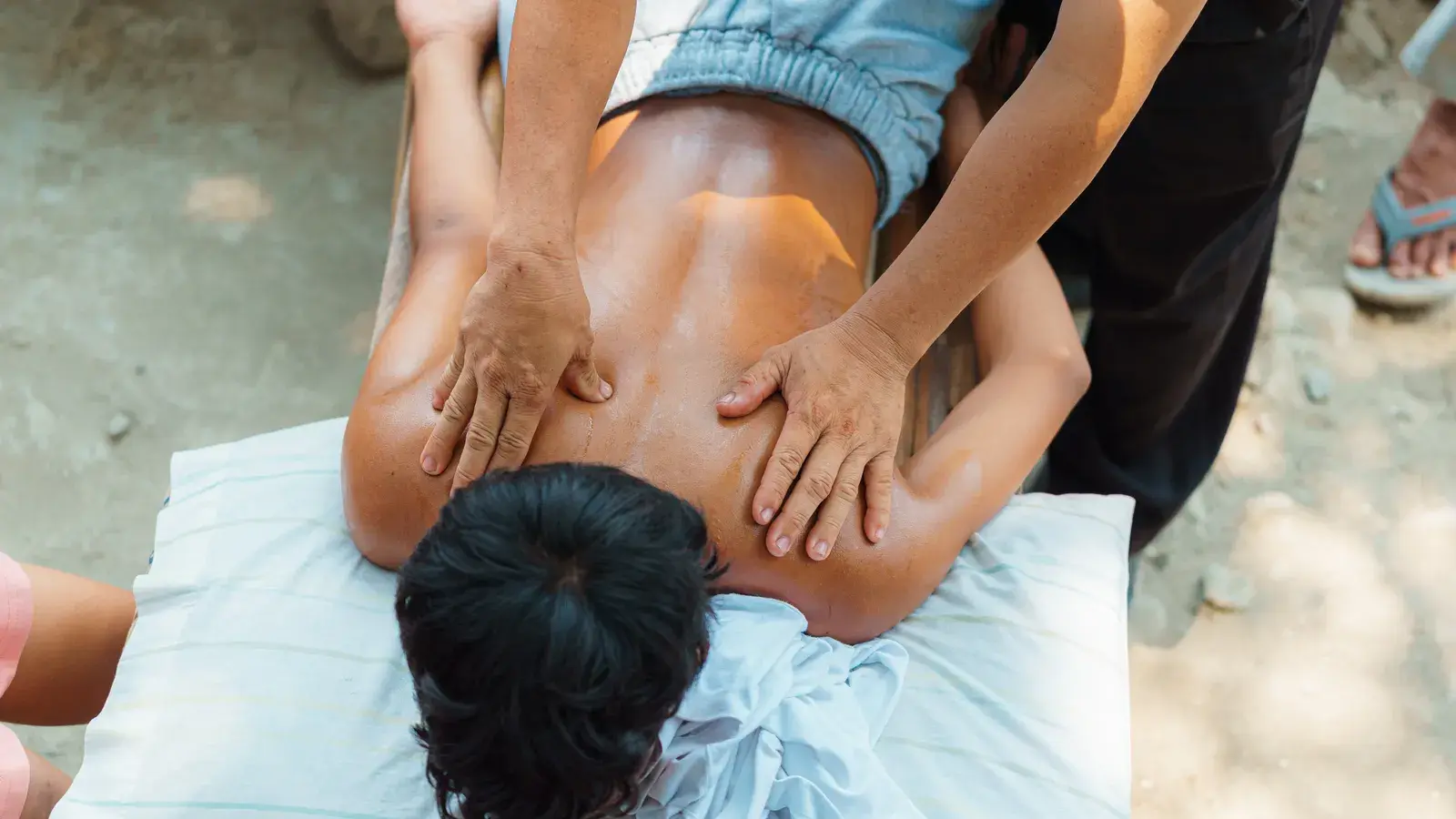
Quick answer: Pain relief massage refers to hands-on techniques, such as Tuina massage and acupressure, that target muscle tension, stiffness, and areas of Qi and Blood stagnation along the body’s meridians. In Traditional Chinese Medicine, this type of massage is paired with a diagnosis based on your pulse, tongue, and symptoms, so the pressure points and techniques used match your particular pattern rather than a generic routine.
Many people searching for pain relief massage are dealing with a specific complaint: a stiff lower back, a knee that aches after walking, shoulders that never seem to unknot. Unlike a spa massage meant purely for relaxation, this approach is built around identifying where movement is restricted and why, then working directly on those areas.
In this article
- What Is Pain Relief Massage?
- Traditional Chinese Medicine Approaches to Pain Relief Massage
- What a Pain Relief Session Looks Like
- Who Benefits from Pain Relief Massage
- Finding the Right Pain Relief Massage Near You
What Is Pain Relief Massage?
Pain relief massage is not one single technique. It is a category that includes several hands-on methods used within Traditional Chinese Medicine to reduce discomfort, improve mobility, and support the body’s own healing processes. The goal is always the same: to release areas where Qi and Blood stagnation has built up, often felt as tightness, soreness, or a dull ache that does not move.
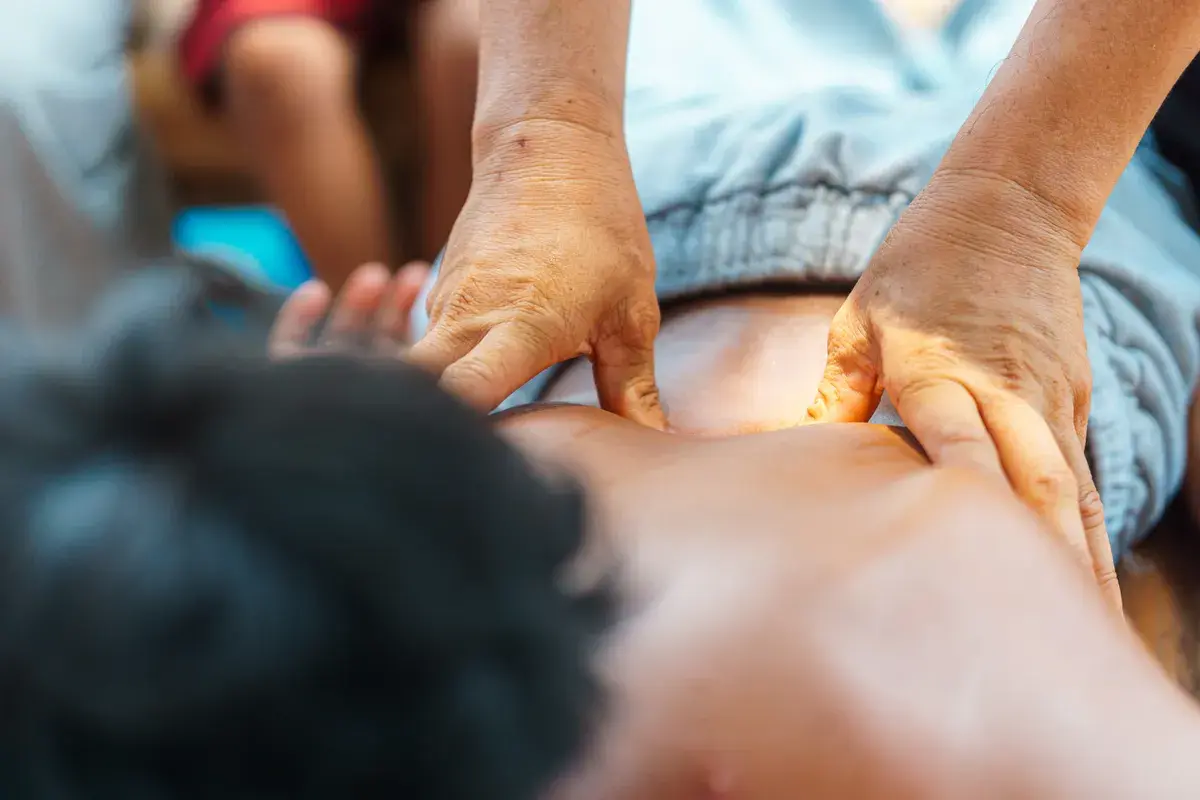
Photo by Nothing Ahead on Pexels
How It Differs from Relaxation Massage
A relaxation massage typically uses broad, even strokes across the whole body. Pain relief massage, by contrast, is more targeted. The practitioner spends time on specific muscles, joints, or points connected to your symptoms, using firmer pressure, kneading, or rolling techniques depending on what the area needs. Sessions can feel more work-focused than pampering, though many patients still find them deeply relaxing once the tension starts to release.
Traditional Chinese Medicine Approaches to Pain Relief Massage
Tuina Massage
Tuina massage is one of the oldest forms of bodywork used in Traditional Chinese Medicine. It combines pressing, kneading, rolling, and stretching movements applied along the meridians and over specific muscle groups. Tuina is often used for back pain, sciatica, neck stiffness, and joint discomfort, and it can be adjusted in intensity depending on whether the area is acutely inflamed or chronically tight.
Acupressure
Acupressure applies firm, sustained pressure to specific points on the body, the same points used in acupuncture, but without needles. It is a useful option for patients who want the benefits of point stimulation without needle insertion, or as a complement between acupuncture visits. For a closer look at how this technique works and where it overlaps with acupuncture, see Acupressure Massage: Benefits and How It Relates to Acupuncture.
Cupping and Moxibustion as Complements
Cupping therapy and moxibustion are often used alongside massage techniques rather than as replacements for them. Cupping uses suction to draw blood flow to a tight area, which can help loosen muscles before or after Tuina work. Moxibustion applies gentle heat near the skin to support circulation in areas affected by cold or stagnation. Readers dealing with neck tension in particular may find Cupping for Neck Pain a helpful next read.
What a Pain Relief Session Looks Like
The Diagnosis Comes First
A full diagnosis comes before any hands-on work. This means a lot of questions about your pain and your overall health, followed by a look at your tongue and a reading of your pulse. This is how Traditional Chinese Medicine works out why you are experiencing your symptoms, not just where they are located. From there, a formula of techniques, whether Tuina, acupressure, cupping, or a combination, is matched to your pattern rather than applied as a one-size-fits-all routine.
This same diagnostic process extends to related concerns beyond physical pain. Many patients come in holding tension from stress, and the Acupuncture for Stress Relief: What a Session Feels Like article describes how a session addressing stress often follows a similar pattern-based approach.
Who Benefits from Pain Relief Massage
Chronic Pain, Stress, and Beyond
Pain relief massage is commonly sought by people managing chronic back pain, sciatica, knee pain, and tension headaches. It is also used by those dealing with stress-related muscle tightness, poor sleep linked to physical discomfort, or recovery support alongside other care. It is not intended to replace medical treatment for underlying conditions, but rather to work alongside it as part of a broader course of treatment focused on movement and comfort.
Finding the Right Pain Relief Massage Near You
Why Traditional Healing Centre’s Approach Starts with Your Pattern
At Traditional Healing Centre in Keswick, Ontario, every treatment plan starts from the patient’s own Traditional Chinese Medicine diagnosis, never an off-the-shelf protocol. This means a visit for pain relief massage may include Tuina massage, Chinese Cupping, Moxibustion, or Acupuncture, selected based on your tongue, pulse, and the pattern behind your symptoms. The clinic also offers Chinese Herbal Medicine and Cosmetic Acupuncture for patients with broader health goals.
If you are dealing with chronic pain, stiffness, or tension that has not responded to a general approach, a pattern-based assessment may help identify what is actually driving your discomfort.
Ready to find out what a tailored course of treatment could look like for you? Book an appointment with Traditional Healing Centre, or get in touch with questions before your visit.