
Sinus Infection TCM Herbs: How Traditional Chinese Medicine Eases Congestion
November 19, 2026 · Jason Tarter, R.TCMP, R.Ac
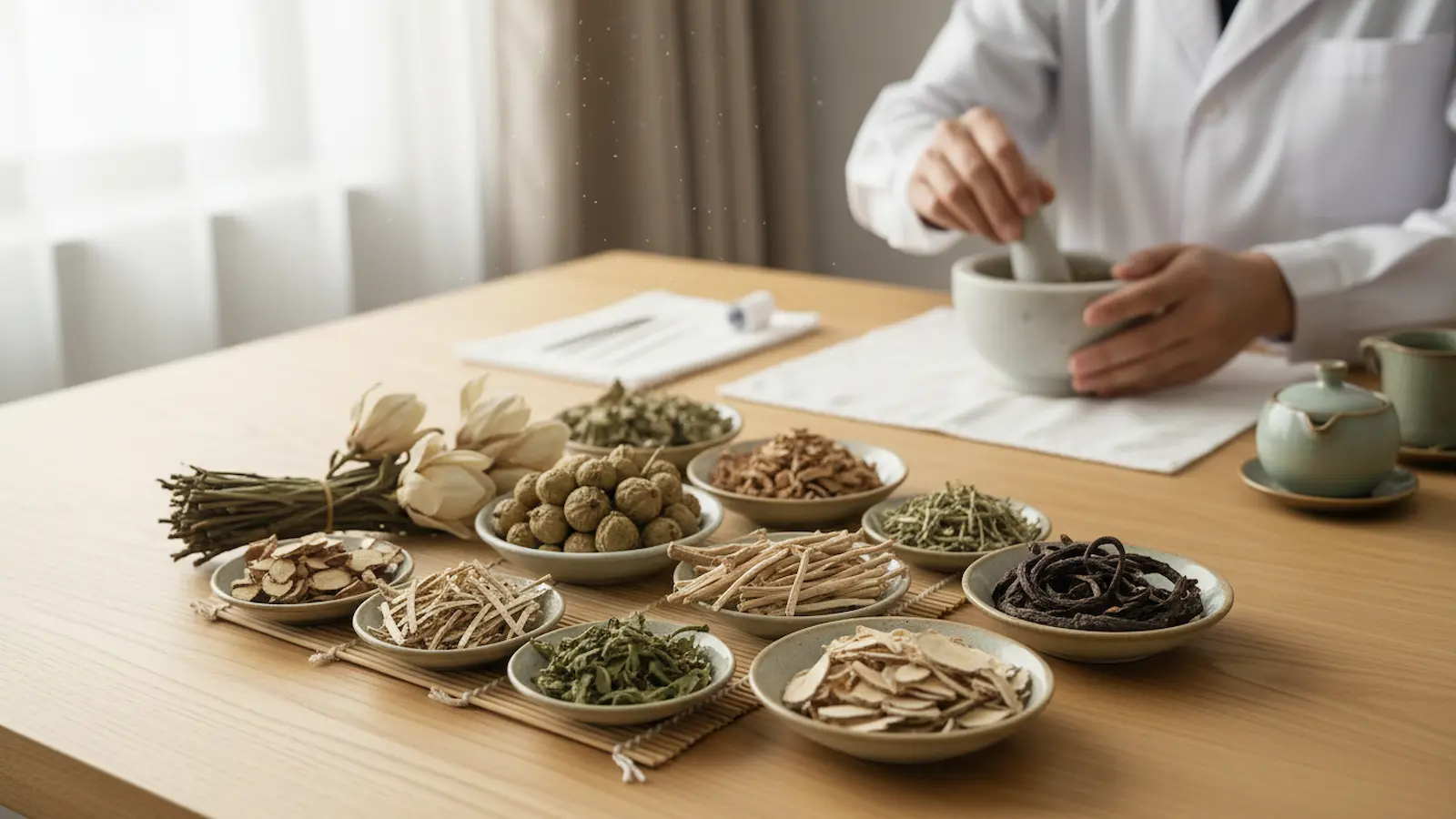
Quick answer: Traditional Chinese Medicine treats sinus congestion by identifying the underlying pattern, usually Wind-Heat, Wind-Cold, or Phlegm-Heat, and then selecting herbs that match it, such as Xin Yi Hua (magnolia flower), Cang Er Zi (xanthium fruit), and Bai Zhi (angelica root). These are rarely taken alone; they are combined into a formula written for the individual and often paired with acupuncture.
Searching for sinus infection TCM herbs usually means you're dealing with a stuffy nose, facial pressure, or thick nasal discharge that keeps coming back, and you're looking for an approach that goes beyond symptom relief. Traditional Chinese Medicine doesn't treat "sinus infection" as a single problem with a single herb. Instead, it looks at the pattern behind the congestion, because the herbs that help a hot, inflamed sinus look very different from the ones that help a cold, damp one.
In this article
- What Causes Sinus Congestion in Traditional Chinese Medicine
- Common TCM Herbs Used for Sinus Infections
- Classic Formulas for Sinus Congestion
- Acupuncture and Herbal Medicine Together
- What to Expect From a Course of Treatment
- Other Ways TCM Herbs Support Your Health
- When to See a Doctor
What Causes Sinus Congestion in Traditional Chinese Medicine
In TCM theory, the nasal passages are closely tied to the Lung system, which governs the exterior of the body and is the first to be affected when an external pathogen invades. Congestion, pressure, and discharge are read as signs of that invasion settling into the nose and sinuses.
Wind-Heat vs Wind-Cold Patterns
A Wind-Heat pattern tends to show thick yellow or green discharge, facial heat, and a sore throat. A Wind-Cold pattern leans toward clear or white discharge, chills, and a heavier, duller headache. Getting this distinction right matters, because warming herbs given for a Wind-Heat pattern can make the congestion worse, and cooling herbs given for Wind-Cold can do the same in reverse.
Qi and Blood Stagnation in the Sinuses
When congestion becomes chronic, TCM often describes it as Qi and Blood stagnation combined with Phlegm accumulation in the Lung and Spleen. The sinuses feel blocked not just from active heat or cold, but from fluids that aren't moving properly. This is why long-standing sinus problems are usually approached differently than a fresh cold.
Common TCM Herbs Used for Sinus Infections
Several herbs appear again and again in formulas aimed at nasal congestion, each selected for a particular job within the pattern.
Xin Yi Hua (Magnolia Flower)
Xin Yi Hua is one of the most recognized herbs for opening the nasal passages. It's traditionally used to disperse Wind and unblock the nose, and it's a common anchor herb in sinus-focused formulas.
Cang Er Zi (Xanthium Fruit)
Cang Er Zi works alongside Xin Yi Hua and is traditionally described as expelling Wind and opening the nasal orifices, particularly where there is heavy discharge or a sense of pressure across the forehead and cheeks.
Bai Zhi (Angelica Dahurica Root)
Bai Zhi is valued for addressing frontal headache and facial pain associated with sinus congestion, and it's traditionally used to dispel Wind and relieve pain along the areas the sinuses affect.
Huang Qin (Scutellaria Root)
When heat is part of the pattern, Huang Qin is often added to clear heat and address the inflammation-type signs that come with a Wind-Heat or Phlegm-Heat presentation.
Classic Formulas for Sinus Congestion
These herbs are rarely used in isolation. TCM practice groups them into time-tested formulas, adjusted for the individual.
Cang Er Zi San
Cang Er Zi San is a classical formula built around Cang Er Zi, Xin Yi Hua, and Bai Zhi, traditionally used to dispel Wind and open the nasal passages when congestion is the primary complaint.
Bi Yan Pian
Bi Yan Pian is a patent formula combining several Wind-dispersing and heat-clearing herbs. Patent formulas like this are pre-made, which is convenient, but they aren't written for any one person's specific pattern.
Acupuncture and Herbal Medicine Together
Herbs are one half of how TCM approaches sinus congestion; acupuncture is often used alongside them to support the same goal of moving Qi and clearing the nasal passages. At Traditional Healing Centre in Keswick, Ontario, Jason Tarter, R.TCMP, R.Ac, has been in practice for 18 years and combines acupuncture with custom herbal formulas written for the individual patient, rather than reaching for a pre-made formula off the shelf. Every treatment plan starts from the patient's own TCM diagnosis, built from questions about the pattern of symptoms, a look at the tongue, and a reading of the pulse. Jason also runs the herbal dispensary that fills the formulas he prescribes, and he is registered with the College of Traditional Chinese Medicine Practitioners and Acupuncturists of Ontario (CTCMPAO).
What to Expect From a Course of Treatment
Diagnosis Before Formula
Before any herb is selected, a full diagnosis comes first. This means a lot of questions about the nasal symptoms and your health in general, then a look at your tongue and a reading of your pulse, so the formula matches your pattern rather than a generic label of "sinus infection."
Treatment Timeline
A course of treatment for sinus congestion is generally planned over 5 to 10 visits before judging progress, since patterns can shift as the congestion responds to the formula and acupuncture. Many extended health plans cover acupuncture and Chinese medicine services, and receipts are issued by a Registered Acupuncturist (R.Ac) and Registered Traditional Chinese Medicine Practitioner (R.TCMP) for those submitting claims.
Other Ways TCM Herbs Support Your Health
Sinus congestion is just one area where Chinese herbal medicine is applied. If you're curious about herbal approaches to other common concerns, you may find Chinese Herbs for High Cholesterol: A TCM Perspective, Chinese Herbs for Liver Cleanse: A TCM Perspective, or Best Chinese Herbs for Acid Reflux: A TCM Guide useful background reading.
When to See a Doctor
Sinus herbs and acupuncture are meant to work alongside your medical care, not in place of it. A high fever, severe facial swelling, or symptoms that keep worsening despite treatment are reasons to check in with your physician. If you have questions about whether an herbal and acupuncture approach fits alongside what your doctor has already recommended, feel free to get in touch before your first visit.
If you're ready to find the pattern behind your sinus congestion, book an appointment with Traditional Healing Centre and start with a proper diagnosis rather than guesswork.