
Chinese Herbs for High Cholesterol: A TCM Perspective
In short
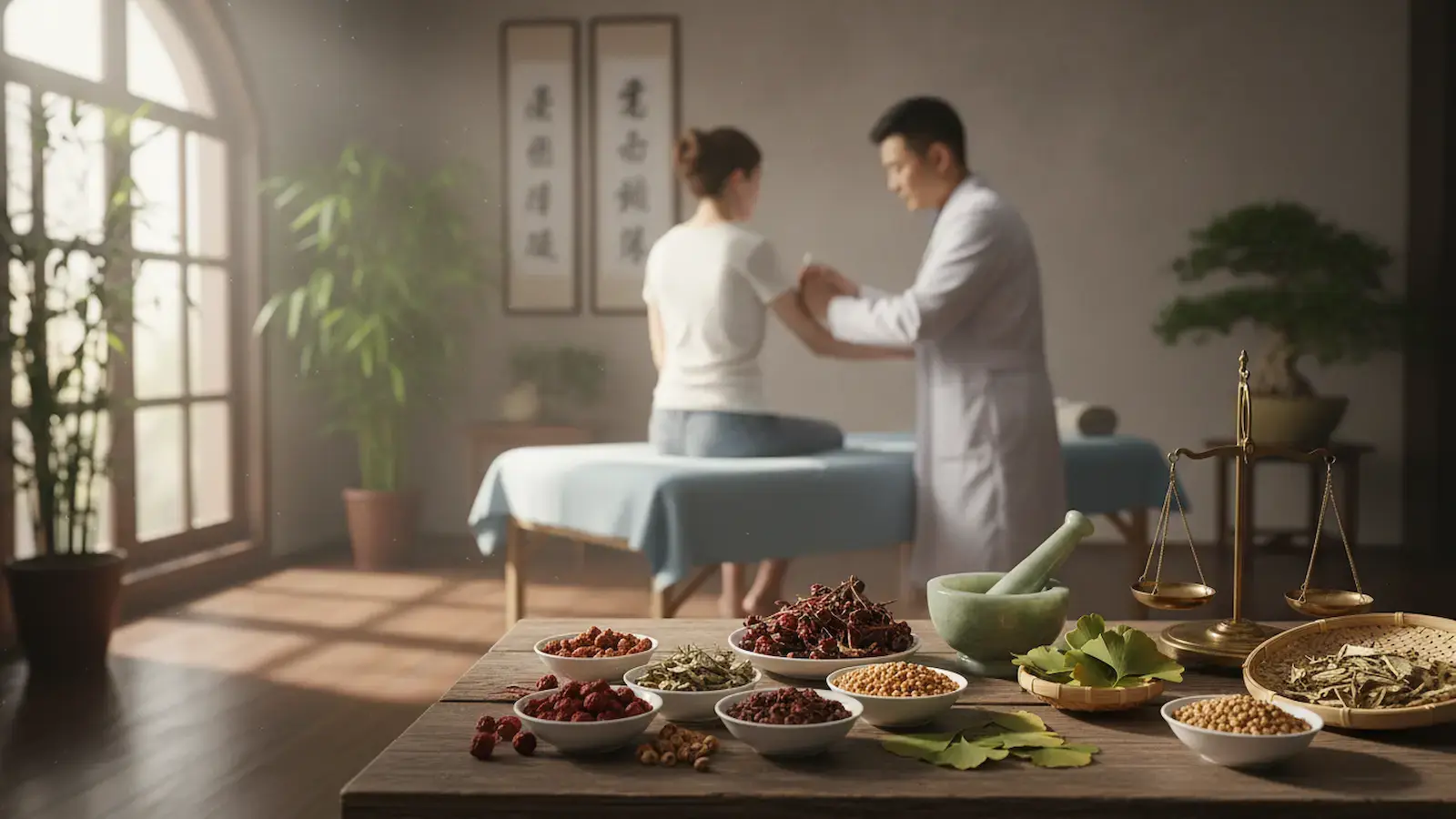
Traditional Chinese Medicine uses herbs such as hawthorn, reishi mushroom, and alisma to support healthy Qi and Blood movement, which practitioners associate with cholesterol balance. These herbs are most effective as part of a custom formula built from your own TCM pattern, not as a stand-alone fix. They work best alongside, not in place of, your doctor's care for cholesterol.
If you’ve been researching chinese herbs for high cholesterol, you’ve likely noticed that Traditional Chinese Medicine approaches the issue differently than a standard lab panel does. Rather than targeting a single number, TCM looks at patterns of imbalance, often described as Qi and Blood stagnation or phlegm-damp accumulation, that practitioners believe contribute to the buildup conventional medicine measures as cholesterol. Understanding this framework helps explain why herbal formulas are built around the person, not the test result.
In this article
Understanding Cholesterol Through a Traditional Chinese Medicine Lens
In TCM, the body’s fluids and Blood are meant to circulate smoothly. When digestion is weak or stress builds over time, practitioners describe this as a disruption that allows phlegm and dampness to accumulate, slowing Qi and Blood movement. This stagnation is the lens through which many TCM practitioners view cholesterol concerns, alongside related issues like fatigue, heaviness, or digestive sluggishness.
Qi and Blood Stagnation and the Phlegm-Damp Pattern
A person with a phlegm-damp pattern may notice a heavy sensation in the body, a greasy tongue coating, or a slippery pulse during an assessment. Qi and Blood stagnation, on the other hand, often shows up alongside tension, irregular digestion, or a dull, achy quality to discomfort. These patterns rarely appear in isolation, which is one reason a thorough intake matters before any herbs are chosen.
Common Chinese Herbs Associated With Cholesterol Support
Several herbs appear frequently in formulas aimed at supporting healthy Qi and Blood circulation and resolving phlegm-damp accumulation. None of them are intended to replace lab monitoring or medication, but they are worth understanding if you’re exploring this topic.
Hawthorn (Shan Zha)
Book a time
Pick a time that suits you.
Book a time- Phone: (647) 346-2780
- Email: jasontcm@traditionalhealingcentre.com
- Address: 213 Queensway S. Unit 400, Keswick, Ontario, L4P2A7
Related articles
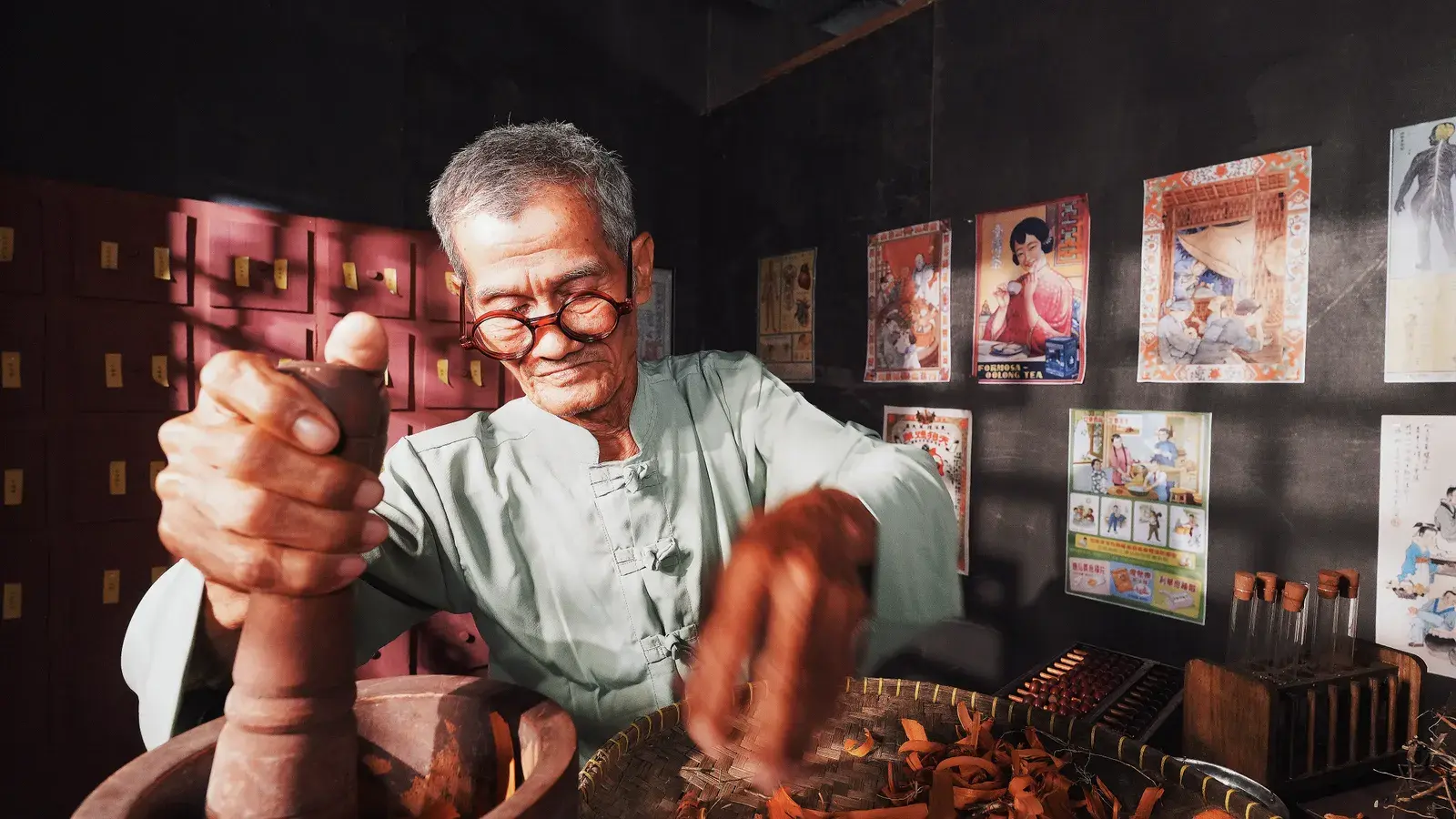
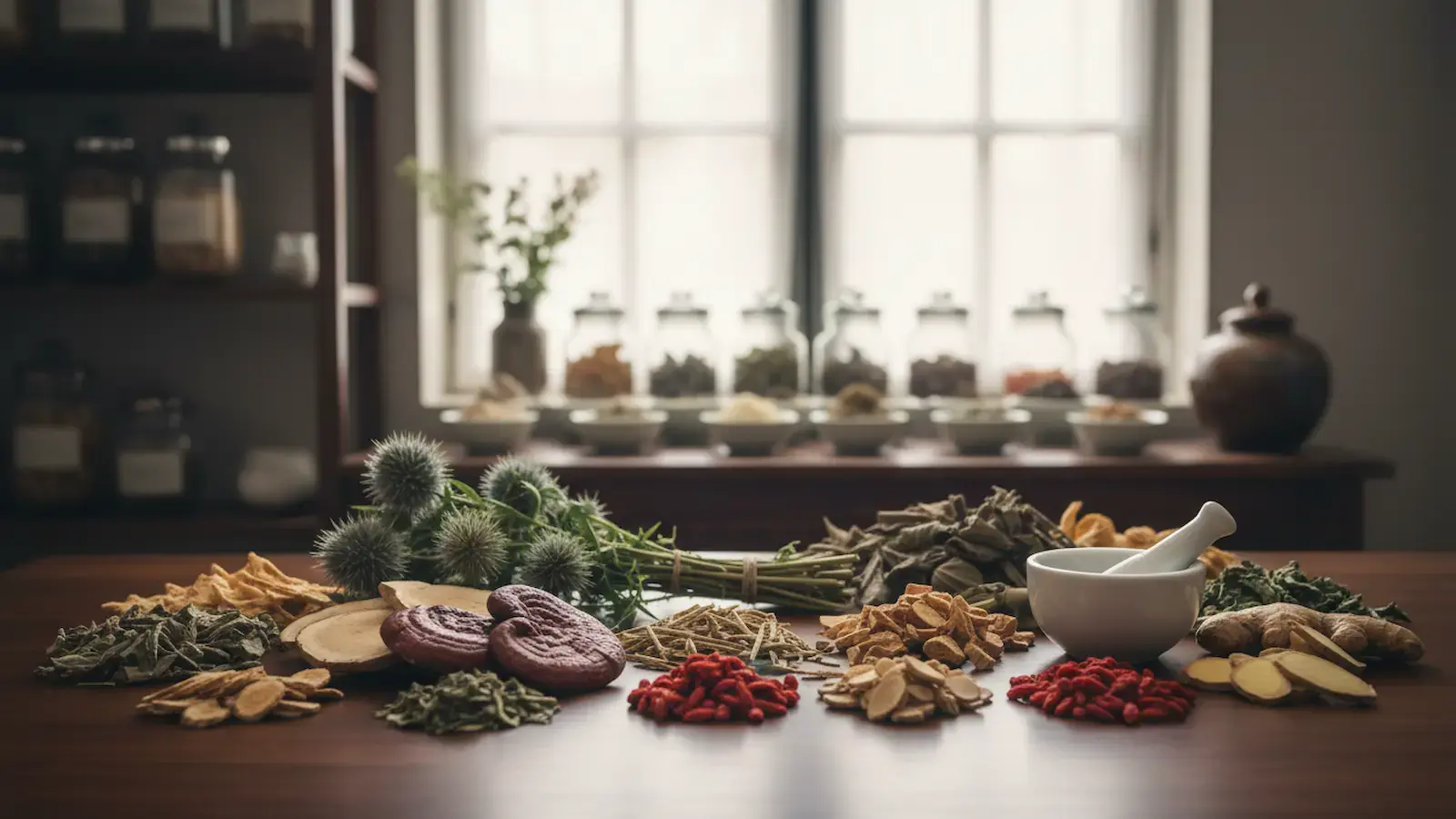
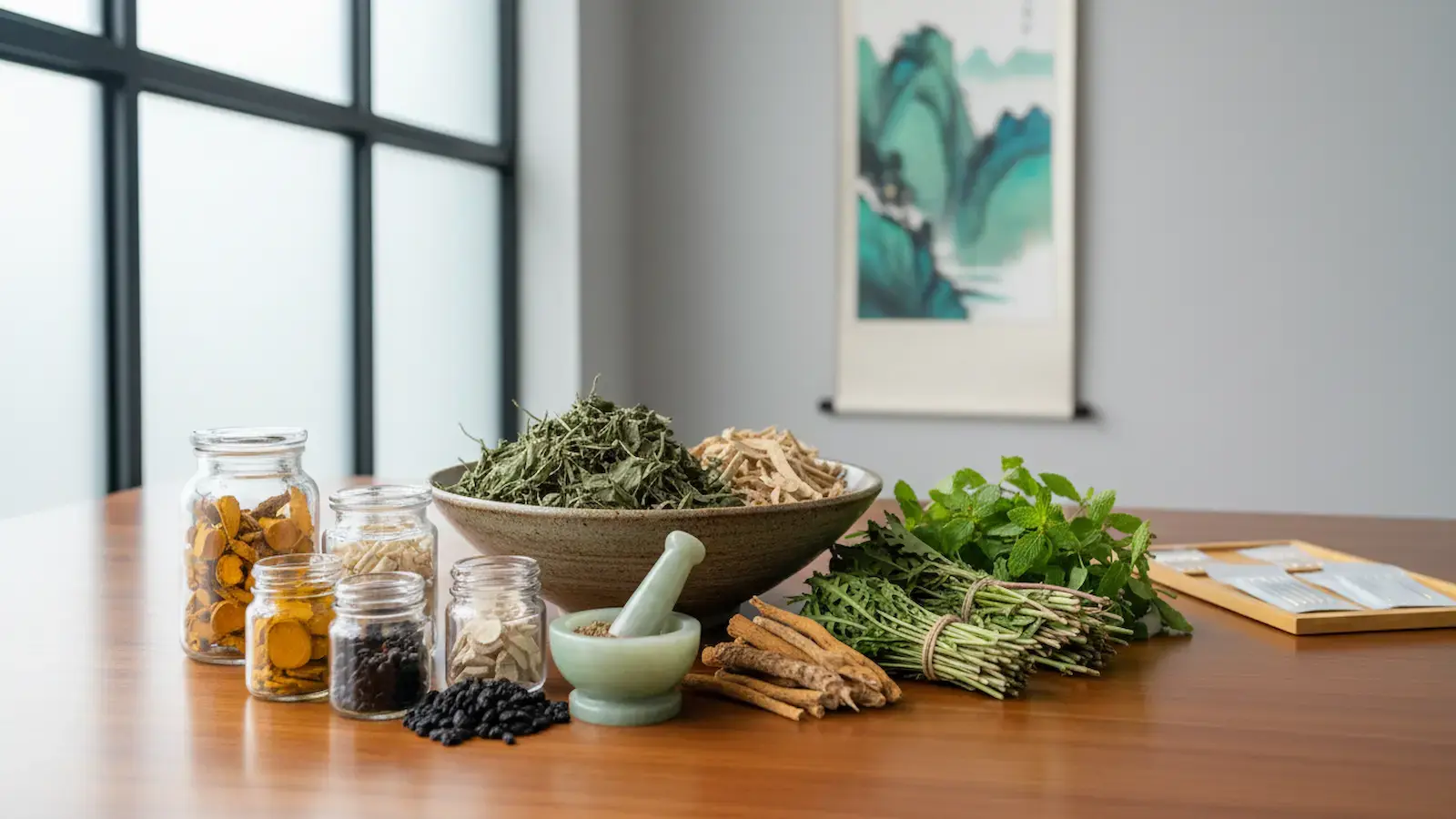
Hawthorn is one of the most recognized herbs in this category. In TCM, it is traditionally used to support digestion and move Blood stagnation, and it’s a frequent component of formulas addressing fuller, richer diets.
Reishi Mushroom (Ling Zhi)
Reishi has a long history in Chinese herbal medicine as a tonic herb, traditionally associated with calming the spirit and supporting overall vitality. It’s often included in formulas meant to support the body over a longer course of treatment rather than for quick effect.
Alisma (Ze Xie)
Alisma is traditionally used to drain dampness and support fluid metabolism, making it a common choice when a phlegm-damp pattern is part of the picture.
Cassia Seed (Jue Ming Zi)
Cassia seed is traditionally associated with clearing heat and brightening the eyes, and it also appears in some formulas related to digestion and fluid balance.
Why a Custom Formula Matters More Than a Single Herb
It’s tempting to look up “the best herb for cholesterol” and take it on its own, but Traditional Chinese Medicine doesn’t work that way. A formula is built from several herbs chosen to work together for your specific pattern, not a single ingredient taken in isolation. Our guide on Chinese herb guide: understanding traditional formulas walks through why formulas are structured this way.
This is where Traditional Healing Centre fits into the conversation. Every treatment plan here starts from your own Traditional Chinese Medicine diagnosis, never an off-the-shelf protocol. Jason Tarter, R.TCMP, R.Ac, has practiced for 18 years and is registered with the College of Traditional Chinese Medicine Practitioners and Acupuncturists of Ontario. He combines acupuncture with custom herbal formulas written for the individual patient, and he runs the clinic’s own herbal dispensary to fill those formulas. If you’re curious whether a formula makes sense for you, you can book an appointment to start with a full assessment.
Before starting any herbs, it’s also worth reading about whether Chinese herbs are safe to take, especially if you’re on cholesterol medication or have other health conditions.
What a Course of Treatment Looks Like
A single visit rarely tells the full story. Because herbal formulas are adjusted as your pattern shifts, it’s reasonable to plan on 5 to 10 visits before reassessing progress. This gives both you and the practitioner time to see how your body is responding and whether the formula needs refinement. If you have questions about what this process involves before committing, you can always get in touch directly.
It’s also worth knowing that many extended health plans cover acupuncture and Chinese medicine services, though OHIP does not. Receipts are issued by a Registered Acupuncturist and Registered Traditional Chinese Medicine Practitioner, which some plans require for reimbursement.
Pairing Herbs With Lifestyle Habits
Herbal support tends to work best when paired with habits that reduce dampness and support circulation, such as regular movement, lighter and less greasy meals, and consistent sleep. If weight management is part of your goal alongside cholesterol support, our article on Chinese herbs to lose weight covers related patterns and herbs that sometimes overlap with this topic.
When to Loop In Your Doctor
Cholesterol is a measurable medical marker, and any changes you notice should be confirmed through your regular lab work and physician visits. Chinese herbal medicine is best used as a complementary approach alongside that monitoring, not as a substitute for it. A qualified practitioner should always know what medications and supplements you’re taking before building a formula.
Ready to book, or have a question?
Book with Traditional Healing CentreIn this series
- A Chinese Herb Guide: Understanding Traditional Formulas
- Are Chinese Herbs Safe to Take?
- Chinese Herbs to Lose Weight: What Actually Helps
- Common Chinese Herbs and What They’re Used For
- Choosing a Traditional Chinese Medicine / Herbs Book
- Warming and Cooling Herbs in Chinese Medicine
- Traditional Chinese Herbs: What They Treat and How They Work
- Chinese Herbs for Spleen: Support for Digestion and Energy
- Organic Chinese Herbs Canada: What to Know Before You Buy
- Chinese Fertility Herbs: How Traditional Medicine Approaches Them
- Anxiety Chinese Herbs: Traditional Formulas That Support Calm
- Chinese Herbs for UTI: What Traditional Chinese Medicine Offers
- Chinese Herbs for Liver Cleanse: A TCM Perspective
- Chinese Herbs for Gallbladder Support: What to Know
- Chinese Herbs History: From Ancient Roots to Modern Care
- Rosacea Chinese Herbs: How TCM Approaches Facial Flushing
- Chinese Herbs for Menopause: What to Know Before You Start
- Chinese Herbs Side Effects: What to Know Before You Start
- Chinese Herbs for High Cholesterol: A TCM Perspective