
Treatment for Temporomandibular Joint Dysfunction Explained
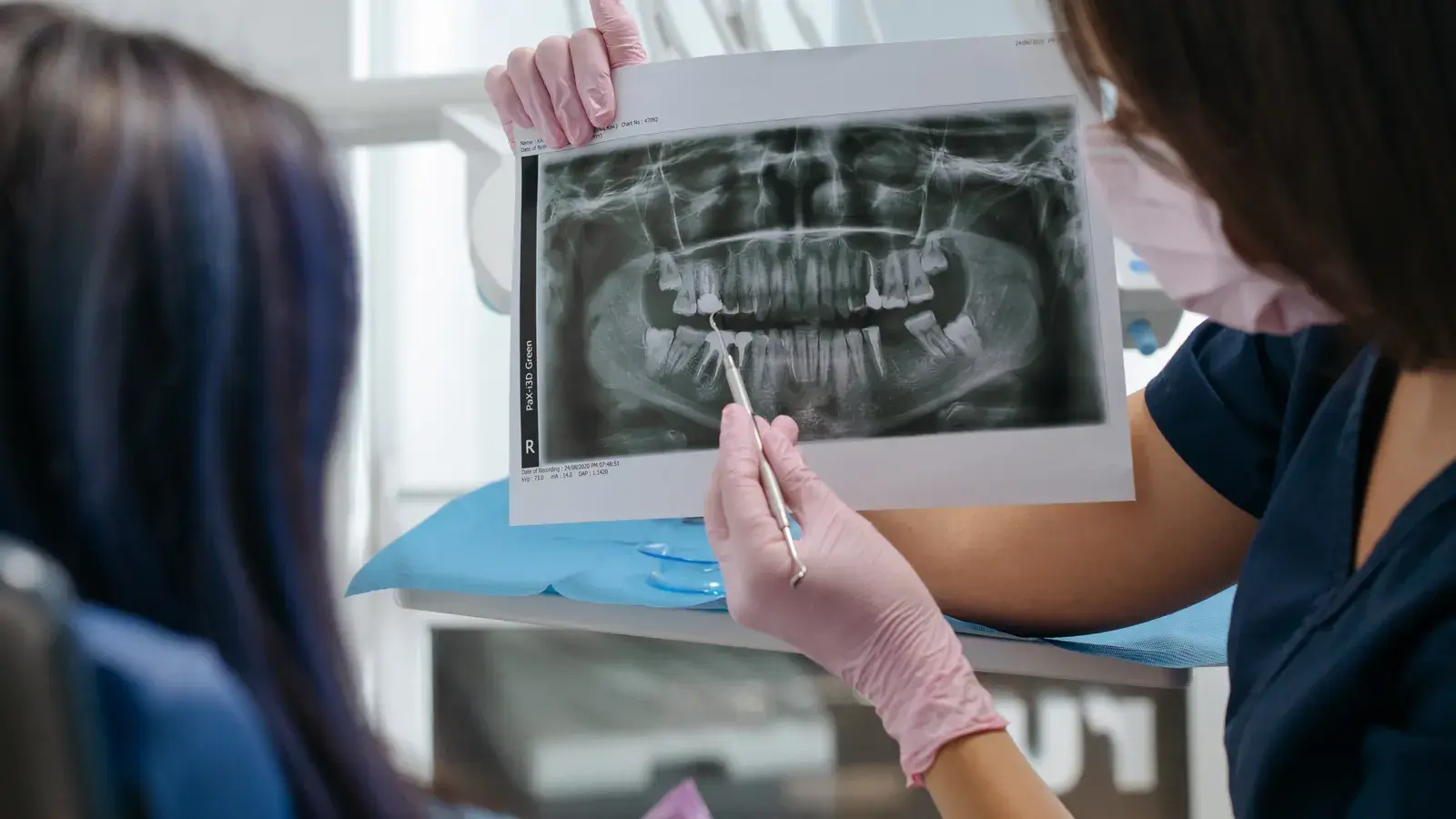
Quick answer: Treatment for temporomandibular joint dysfunction usually combines self-care such as jaw rest and stress management with professional care from a dentist, physical therapist, or acupuncturist. Acupuncture is often used alongside these approaches to help ease jaw muscle tension and support a more comfortable range of motion. Most people need a series of visits rather than a single session to notice a difference.
Jaw pain, clicking, and difficulty opening the mouth fully are common complaints that bring people to search for treatment for temporomandibular joint dysfunction. This condition, often shortened to TMJ or TMD, affects the joint that connects the jawbone to the skull, and it can make everyday actions like chewing, yawning, or talking uncomfortable.
In this article
- Understanding Temporomandibular Joint Dysfunction
- Conventional Approaches to TMJ Treatment
- Acupuncture as Treatment for Temporomandibular Joint Dysfunction
- What to Expect From a Course of Treatment
- When to See a Professional
Understanding Temporomandibular Joint Dysfunction
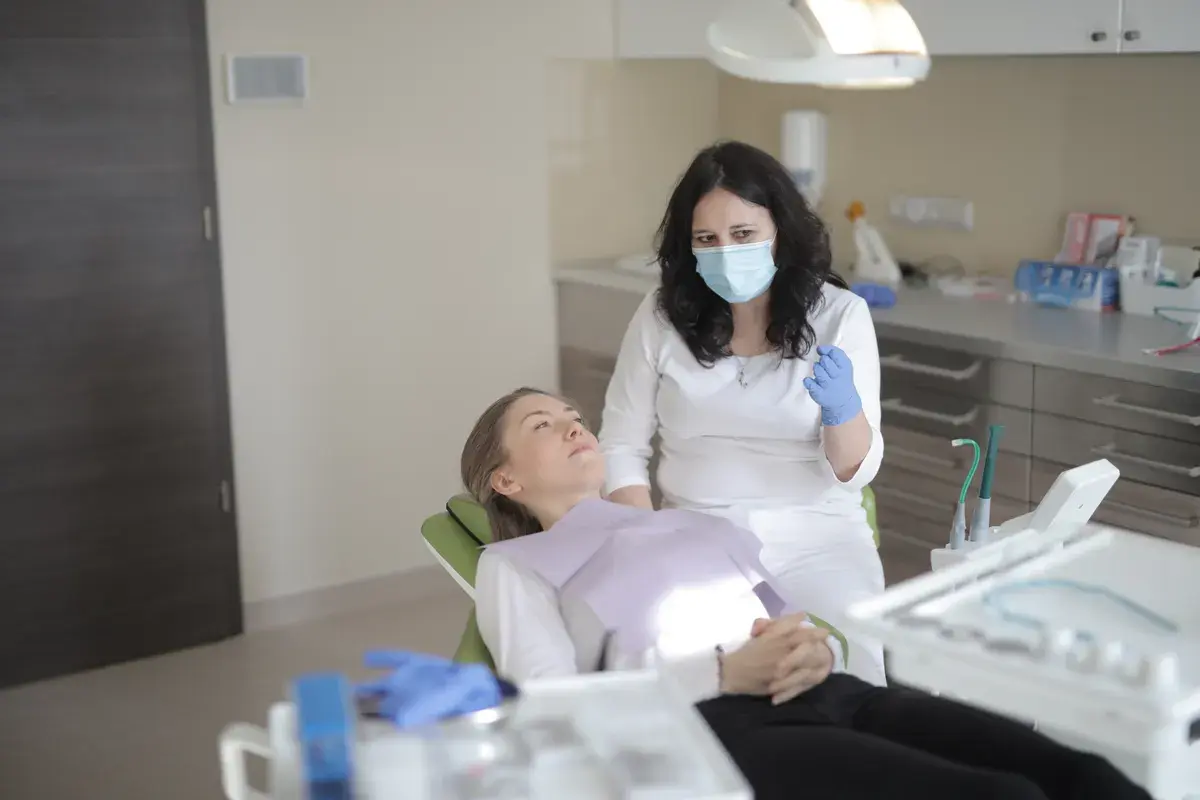
Photo by Andrea Piacquadio on Pexels
Common Symptoms
People with TMJ dysfunction often describe a dull ache near the ear, a popping or grinding sound when opening the mouth, and jaw muscles that feel tight or fatigued by the end of the day. Some also report headaches that start at the temples, neck stiffness, or a jaw that occasionally locks in place.
What Causes TMJ Dysfunction
The joint can become irritated by teeth grinding, jaw clenching, poor posture, an old injury, or ongoing stress that keeps the jaw muscles tense without the person noticing. In Traditional Chinese Medicine, this kind of muscle tightness is often described as a pattern of Qi and Blood stagnation, where the free movement of Qi and Blood through the area is restricted, leading to pain and limited motion.
Conventional Approaches to TMJ Treatment
Self-Care and Lifestyle Adjustments
A dentist or physician will typically start by recommending softer foods, avoiding wide yawning or gum chewing, and applying heat or cold to the jaw. Stress-reduction techniques are also commonly suggested, since clenching often worsens during periods of tension.
Dental and Medical Options
For some patients, a dentist may recommend a night guard to limit grinding, while a physical therapist can guide jaw stretches and posture correction. These options are part of a broader plan and do not replace the need to address why the muscles became tense in the first place.
Acupuncture as Treatment for Temporomandibular Joint Dysfunction
Acupuncture is frequently used alongside dental and physical therapy approaches for jaw tension. Fine needles are placed at points around the jaw, face, and sometimes the hands or feet to help ease the tightness in the muscles surrounding the joint. Because TMJ discomfort often radiates into the head and neck, acupuncture for this condition shares some similarities with acupuncture for a headache, where the goal is also to calm overactive muscle tension in the same general region.
How Treatment Works at Traditional Healing Centre
At Traditional Healing Centre in Keswick, Jason Tarter, R.TCMP, R.Ac, begins every visit with a full diagnosis. He asks detailed questions about the jaw pain, how long it has been present, and what makes it better or worse, then looks at the tongue and takes the pulse before forming a treatment plan. This means the plan always starts from the patient’s own pattern rather than a standard protocol written for TMJ in general. Depending on what that diagnosis shows, Jason may combine acupuncture with a custom herbal formula, or recommend Chinese cupping or Tuina massage to help release tight jaw and neck muscles. Readers curious about what cupping involves can see the Chinese cupping method for a closer look at how that technique is applied. Jason has practiced for 18 years and is registered with the College of Traditional Chinese Medicine Practitioners and Acupuncturists of Ontario (CTCMPAO).
What to Expect From a Course of Treatment
How Many Visits You May Need
A single visit is rarely enough to judge whether an approach is working. A course of treatment typically runs five to ten visits before meaningful progress can be assessed, since muscle tension built up over months or years tends to ease gradually rather than all at once. Many extended health plans cover acupuncture and Chinese medicine services, and receipts are issued by a Registered Acupuncturist (R.Ac) and Registered Traditional Chinese Medicine Practitioner (R.TCMP) for those who wish to submit a claim.
When to See a Professional
Jaw pain that lingers for more than a few weeks, interferes with eating, or comes with persistent locking of the joint is worth discussing with a healthcare provider. A combined approach that includes dental guidance, physical therapy, and acupuncture gives the jaw several ways to find relief rather than relying on one method alone.
If jaw tension, clicking, or related headaches have been part of your routine for a while, it may help to have a full Traditional Chinese Medicine diagnosis done to see what pattern is behind your symptoms. You can book an appointment with Traditional Healing Centre to start that conversation.