
In short
Tui na gua sha refers to pairing tuina massage, a hands-on Chinese bodywork technique, with gua sha, a scraping technique that uses a smooth-edged tool on the skin. Together they aim to release Qi and Blood stagnation, loosen tight muscles, and support the body's own healing response. Many Traditional Chinese Medicine practitioners offer both within a single visit, tailored to each patient's pattern.
People searching for tui na gua sha are usually dealing with stiff shoulders, a sore lower back, or muscle tension that has not responded to stretching or rest. These two techniques are often mentioned together because they are frequently used in the same visit, each addressing the body's tissue and energy flow from a slightly different angle. Understanding what each technique does, and how they complement one another, can help you decide whether this combination fits your own health concerns.
In this article
What Is Tui Na Gua Sha?
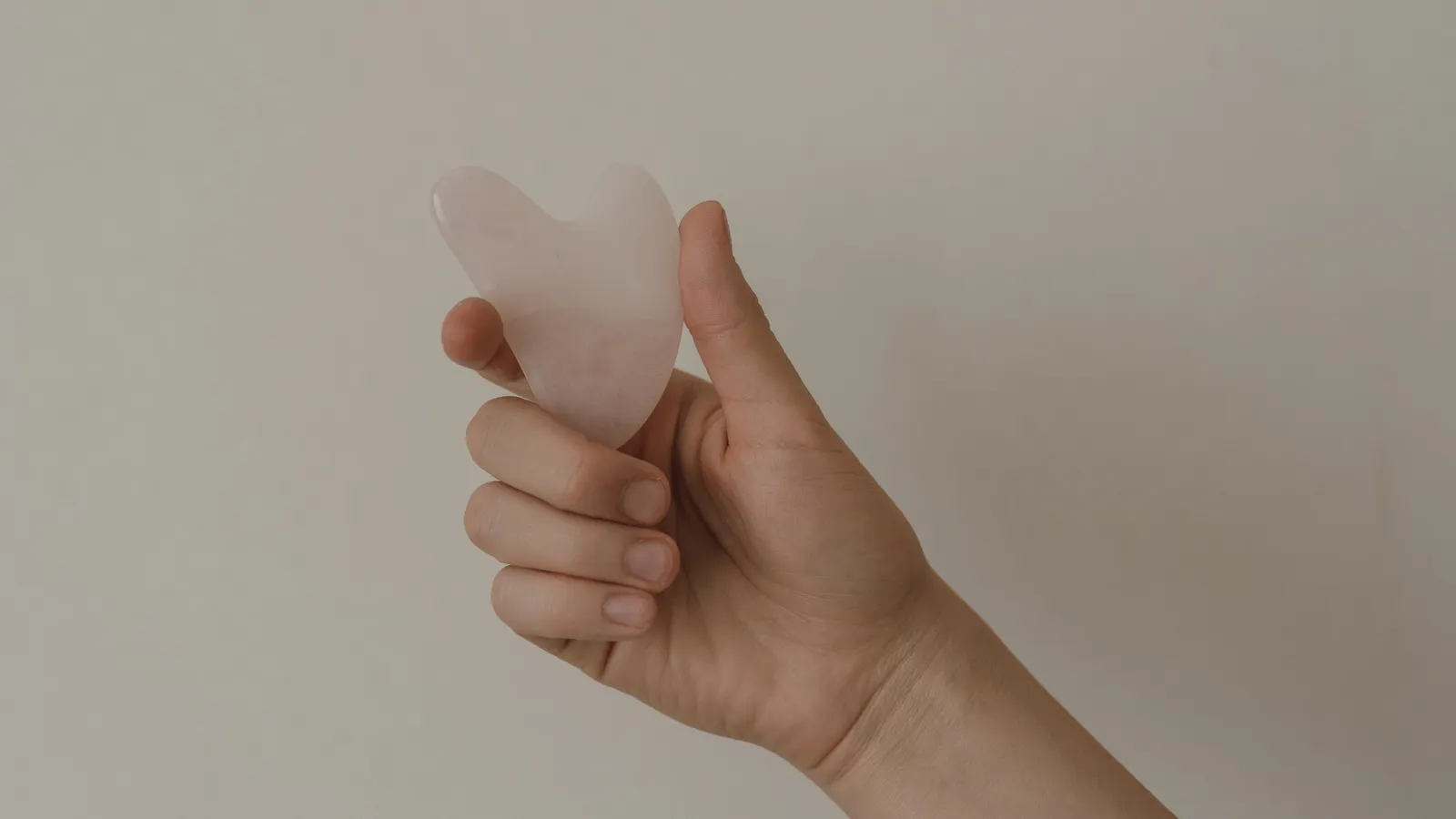
Tui na and gua sha are both manual therapies that come out of the broader framework of Traditional Chinese Medicine. Tuina massage uses pressing, kneading, and rolling movements applied with the hands, fingers, and forearms to work on muscles, tendons, and the points used in acupuncture. Gua sha, by contrast, involves scraping a smooth tool, often made of jade, horn, or stainless steel, across lubricated skin in short, firm strokes.
When these two are combined, a practitioner might use tuina to warm up the tissue and address larger areas of tension, then follow with gua sha over specific muscle groups where stagnation seems concentrated. The goal in both cases is the same: moving Qi and Blood that a practitioner judges to be stagnant, which in Traditional Chinese Medicine is understood as a common root of muscle tightness, soreness, and restricted movement.
How Tui Na and Gua Sha Work Together
Tui Na Massage Techniques
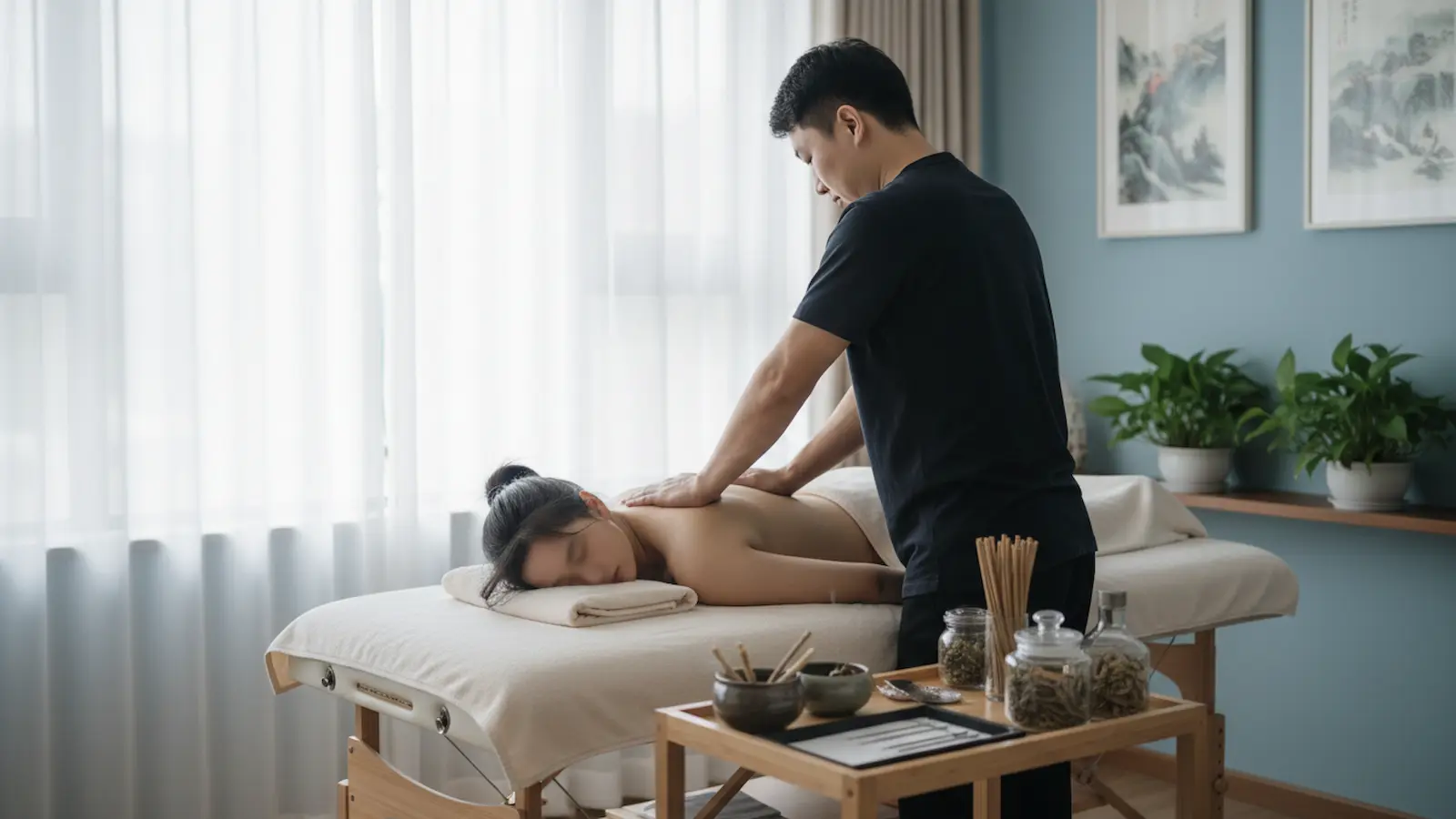
Tuina draws on a set of hand techniques developed over centuries, including kneading, pressing, rolling, and rhythmic tapping. Unlike a typical relaxation massage, tuina is applied with specific points and channels in mind, which is why it is often described alongside acupuncture rather than alongside spa-style treatments. You can read more about these techniques in Tui Na Massage: Benefits, Techniques, and What to Expect.
Gua Sha Scraping Technique
Gua sha is applied with repeated, controlled strokes along a muscle or along a meridian pathway. The tool is held at an angle and pressed firmly enough to engage the tissue beneath the skin. It is common for the skin to show some redness or light marking afterward, which typically fades within a few days. This is considered part of the technique's effect on local Qi and Blood movement, not a side effect to be concerned about.
What Conditions Tui Na Gua Sha May Help
Book a time
Pick a time that suits you.
Book a time- Phone: (647) 346-2780
- Email: jasontcm@traditionalhealingcentre.com
- Address: 213 Queensway S. Unit 400, Keswick, Ontario, L4P2A7
Related articles

Patients often ask about tui na gua sha for chronic pain conditions such as low back pain, sciatica, neck and shoulder tension, and knee discomfort. Some also look to this combination for recovery after physical activity, or for general stiffness that builds up from long hours at a desk. Because every treatment plan in Traditional Chinese Medicine starts from a diagnosis rather than a fixed protocol, the way tui na and gua sha are applied will vary from one patient to the next depending on their pattern. If you want to understand how a practitioner distinguishes this approach from a standard massage session, see Tui Na Massage: What It Is and How It Differs From Regular Massage.
What to Expect During a Visit
A visit that includes tui na gua sha typically begins the way any Traditional Chinese Medicine visit does: a full diagnosis. This involves a number of questions about your symptoms and your health in general, a look at your tongue, and a reading of your pulse. This is how a practitioner works out why you are experiencing your symptoms, not just what they are.
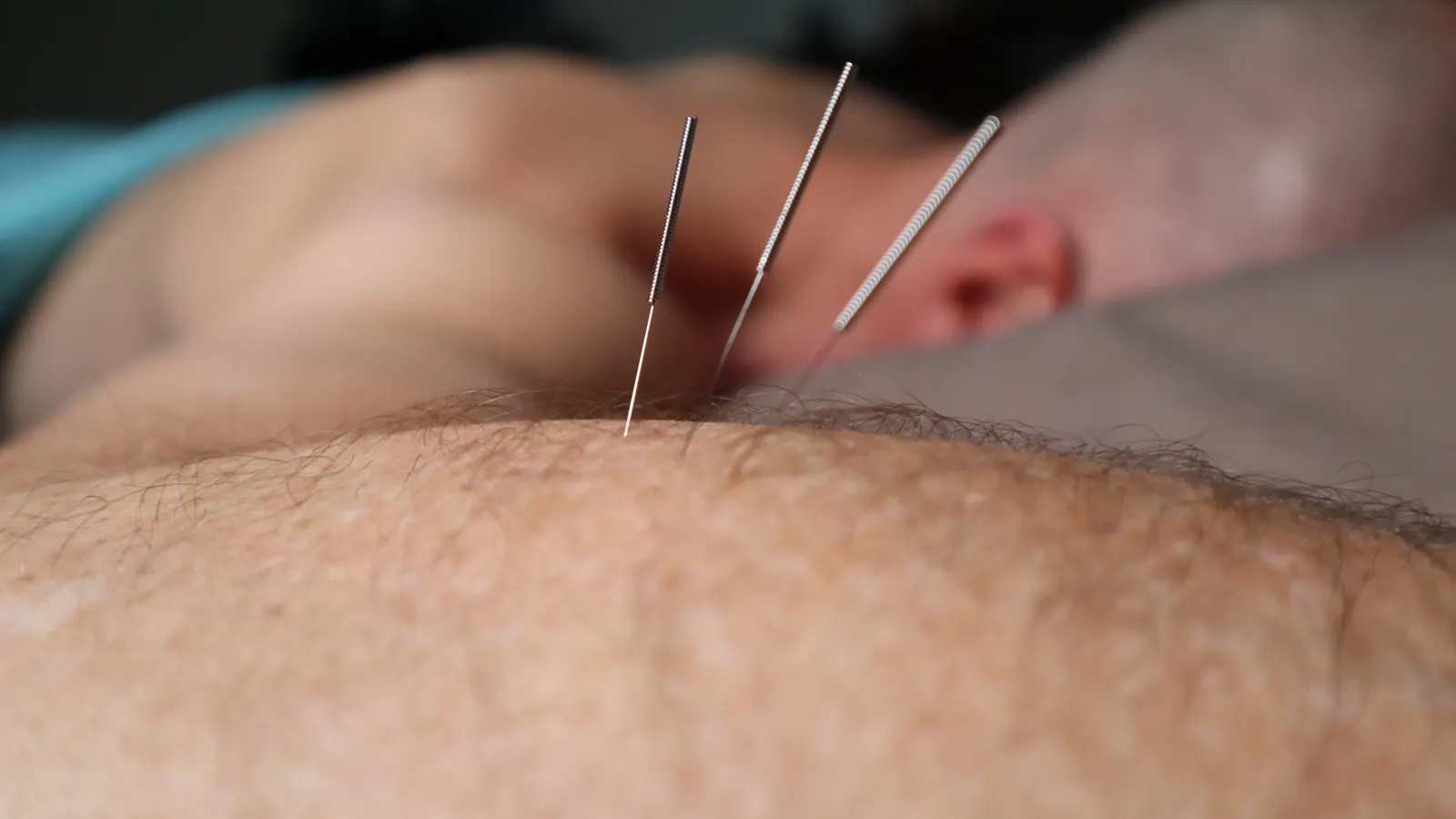
From there, the practitioner decides which areas call for tuina work, which call for gua sha, and whether acupuncture or Chinese herbal medicine should be part of the same course of treatment. Many patients find it helpful to plan on five to ten treatments before judging their progress, since Traditional Chinese Medicine tends to work gradually rather than through a single visit.
Finding Tui Na Gua Sha Care
At Traditional Healing Centre in Keswick, Ontario, Jason Tarter, R.TCMP, R.Ac, has been in practice for 18 years and is registered with the College of Traditional Chinese Medicine Practitioners and Acupuncturists of Ontario. Jason offers tuina massage and Chinese cupping alongside acupuncture and custom herbal formulas, which he fills through the clinic's own herbal dispensary. Every treatment plan he builds starts from the patient's own Traditional Chinese Medicine diagnosis, never an off-the-shelf protocol, which means the way tui na and gua sha are used for one patient's shoulder tension may look quite different from how they are used for another patient's lower back pain.
Receipts from Traditional Healing Centre are issued by a Registered Acupuncturist and Registered Traditional Chinese Medicine Practitioner, and many extended health plans cover acupuncture and Chinese medicine services, so it is worth checking your own plan before your first visit.
Getting Started
Tui na gua sha can be a reasonable option to explore if you are dealing with chronic muscle tension, stiffness, or pain that has not responded to other approaches, and you are interested in a treatment style built around your individual pattern rather than a generic routine. If you would like to ask questions about whether this combination fits your situation, you can get in touch with the clinic directly, or go ahead and book an appointment to begin with a full diagnosis.