
Tui Na Massage: Benefits, Techniques, and What to Expect
In short
Tui na massage is a hands-on Traditional Chinese Medicine technique that uses pressing, kneading, and stretching along the body's meridians to help move Qi and Blood stagnation. It is often used alongside acupuncture as part of a broader treatment plan, and a practitioner typically bases the approach on a patient's individual pattern rather than a generic routine.
I often get asked how tui na massage fits into Traditional Chinese Medicine, since many patients have only experienced relaxation-style massage before. Tui na is a therapeutic bodywork technique with roots going back thousands of years, and it is built on the same principles that guide acupuncture and herbal medicine: the idea that health depends on the smooth flow of Qi and Blood through the body.
In this article
What Is Tui Na Massage?
Tui na, which translates roughly to “push and grasp,” is one of the oldest branches of Chinese medicine. Unlike massage that focuses mainly on muscle relaxation, tui na is applied with a therapeutic goal in mind, guided by the same diagnostic framework used in acupuncture.
Origins in Traditional Chinese Medicine
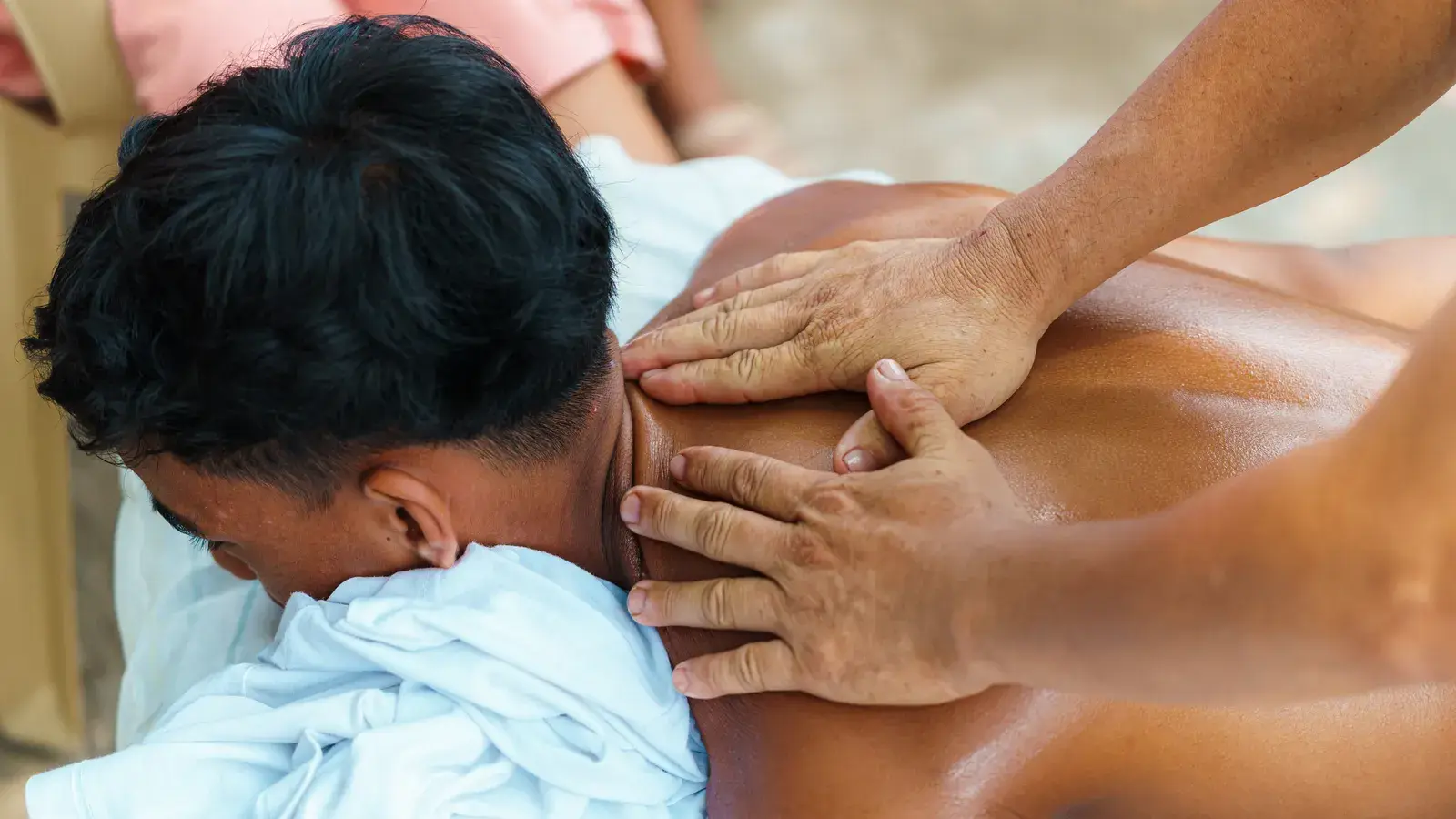
Tui na developed alongside acupuncture and herbal medicine as part of a complete system of care. Practitioners use their hands to apply pressure, kneading, rolling, and stretching techniques along the body’s meridians and acupressure points, aiming to clear blockages and restore balance.
How It Works Alongside Acupuncture
Tui na and acupuncture share a common goal: addressing Qi and Blood stagnation to support the body’s own healing processes. Many practitioners use tui na as a complement to acupuncture within the same course of treatment, particularly for patients who have tight muscles, restricted joint movement, or areas that respond well to manual pressure. For a closer look at how this technique compares to standard massage, I’d point readers to Tui Na Massage: What It Is and How It Differs From Regular Massage.
What Happens During a Tui Na Massage Visit
Book a time
Pick a time that suits you.
Book a time- Phone: (647) 346-2780
- Email: jasontcm@traditionalhealingcentre.com
- Address: 213 Queensway S. Unit 400, Keswick, Ontario, L4P2A7
Related articles
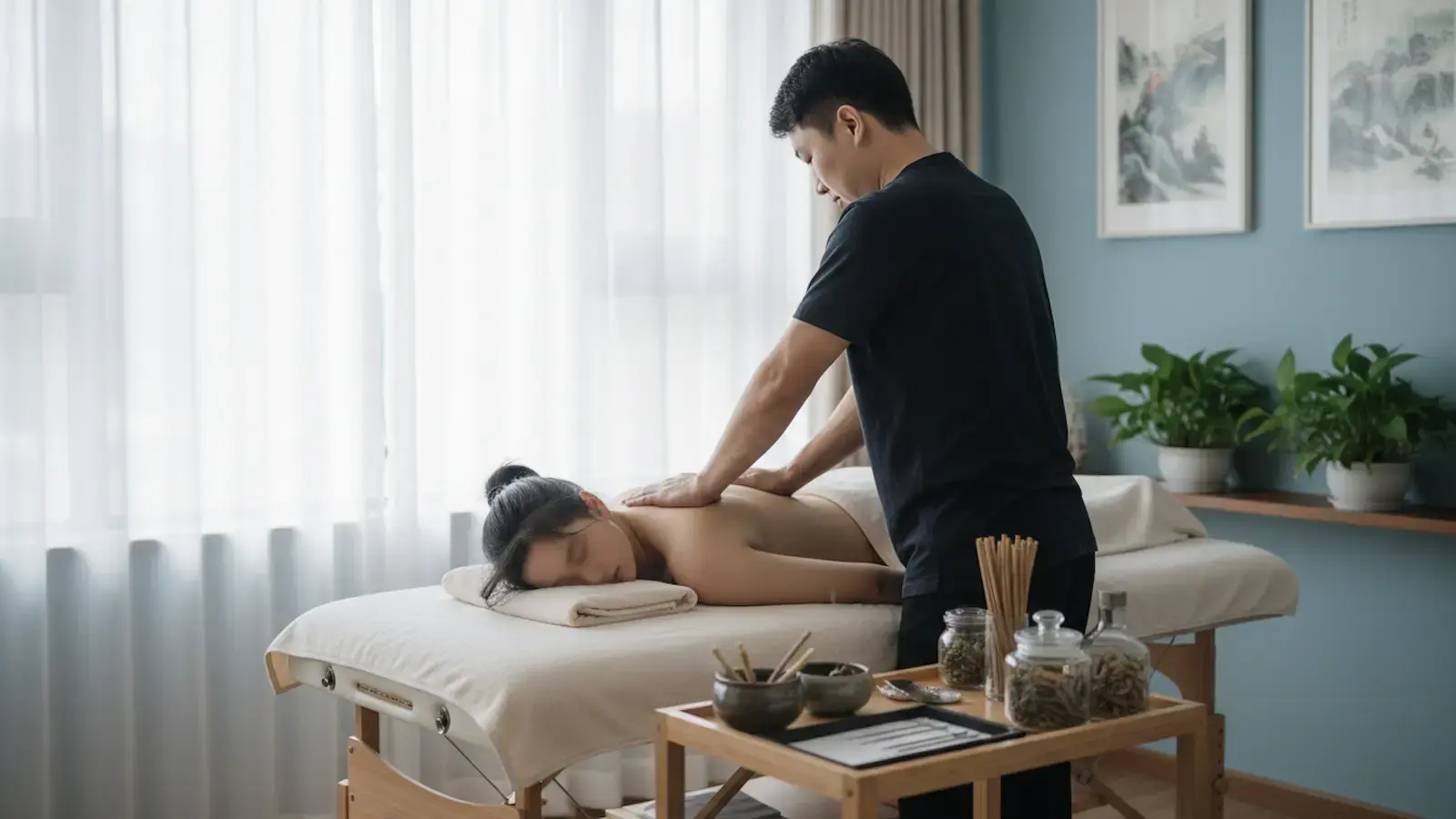
A tui na visit typically begins the same way any Traditional Chinese Medicine visit does: with a full diagnosis. I ask a lot of questions about the patient’s health, look at the tongue, and take the pulse before deciding how to proceed. This helps identify the underlying pattern rather than just treating the area that hurts.
Techniques Used
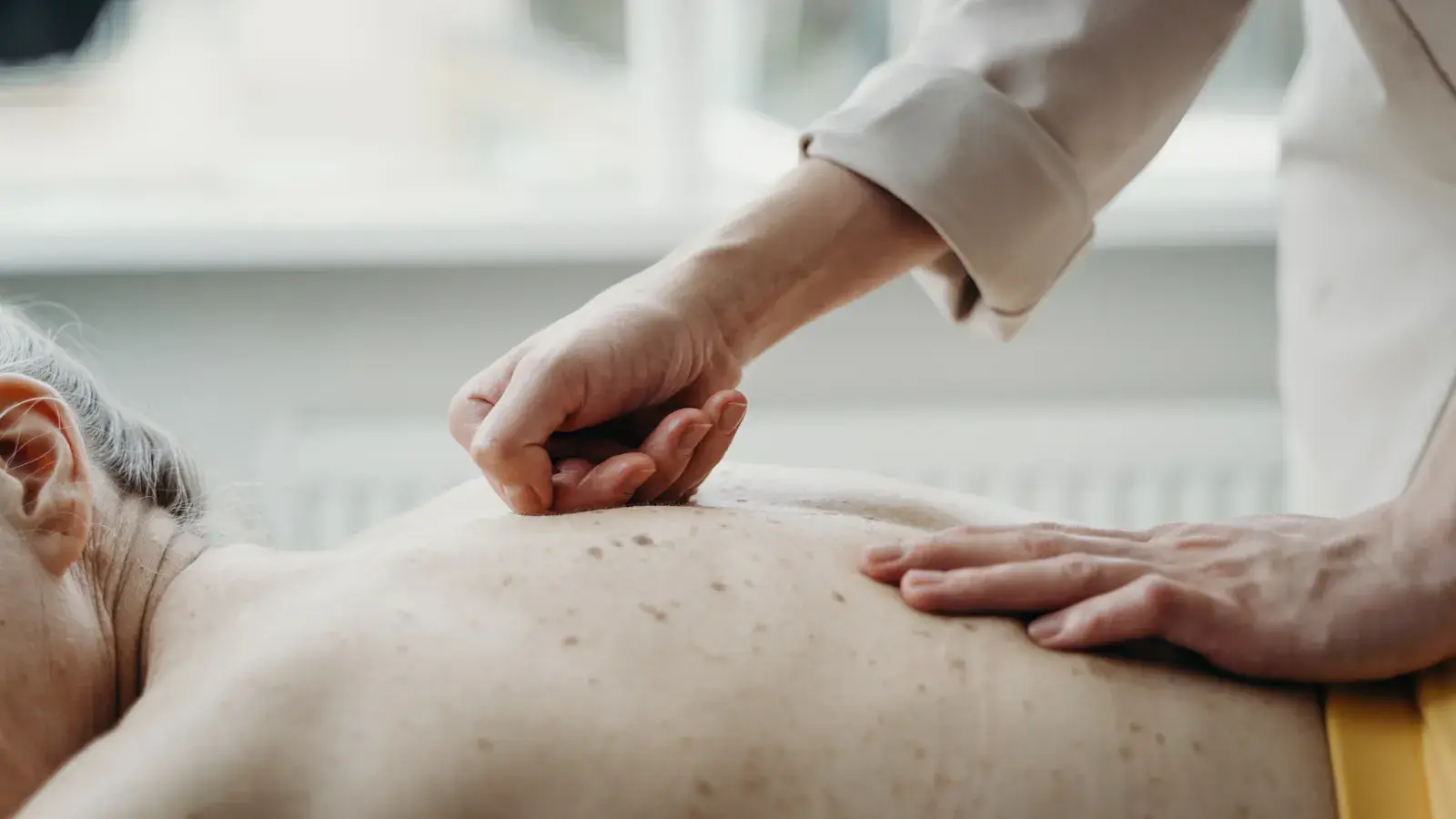
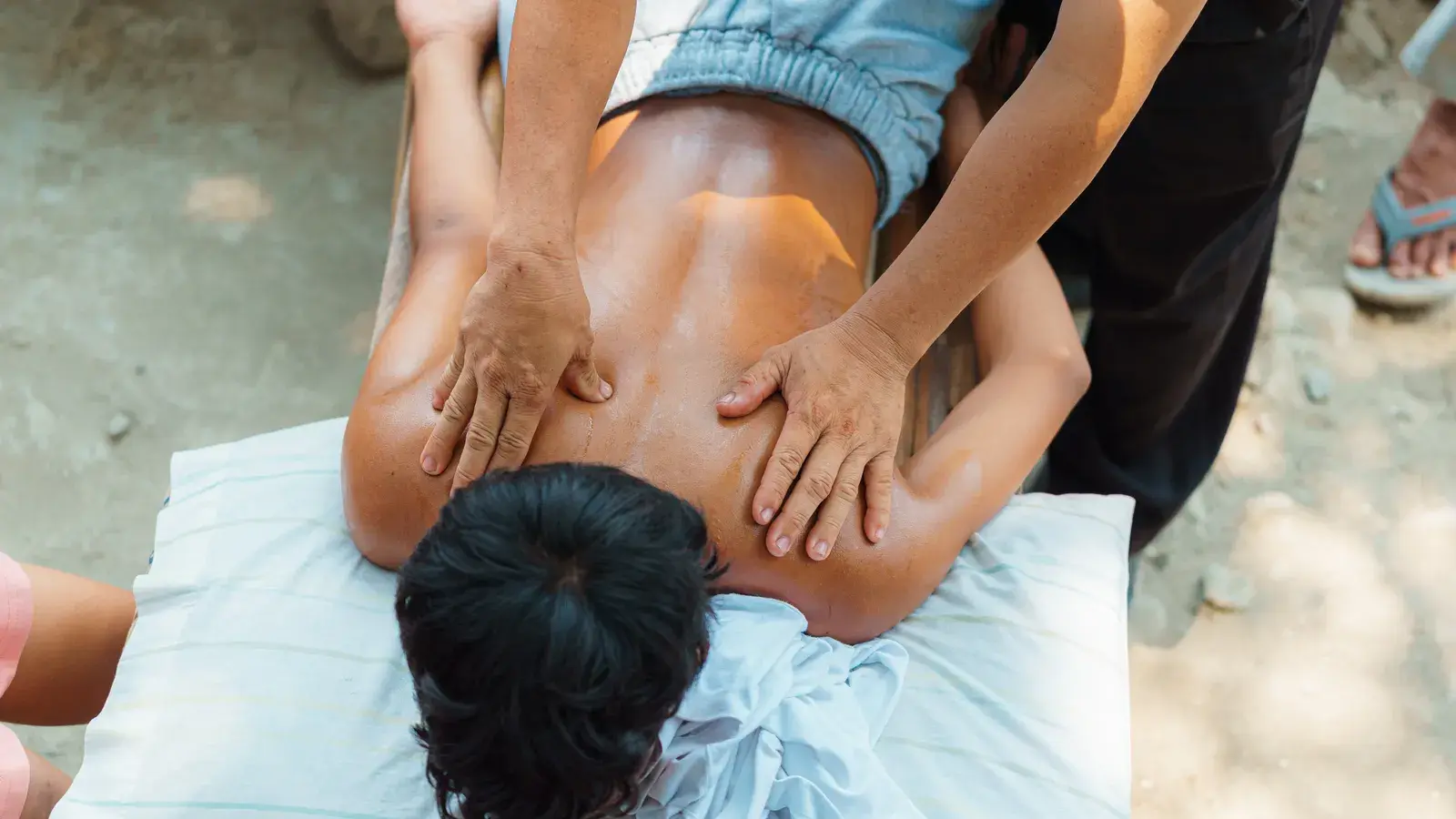
During the hands-on portion of the visit, a practitioner may use a combination of pressing, rolling, kneading, and gentle stretching, applied directly to muscles, joints, and acupressure points. The pressure can range from light to firm, depending on the area being treated and the patient’s pattern.
What to Expect
Patients are usually fully clothed during a tui na massage, and sessions can be focused on a specific area, such as the lower back or shoulders, or applied more broadly. It’s common to feel areas of tenderness release gradually as the practitioner works through tight tissue.
Conditions Tui Na May Help With
Chronic Pain
Tui na is often used for musculoskeletal complaints such as back pain, neck tension, and joint stiffness, where Qi and Blood stagnation is thought to contribute to discomfort and limited movement.
Stress and Sleep
Because tui na works on the body’s energetic pathways, some patients also use it to help manage stress and support better sleep, particularly when combined with acupuncture in the same course of treatment.
Tui Na Massage at Traditional Healing Centre
At Traditional Healing Centre in Keswick, Ontario, tui na massage is one of several Traditional Chinese Medicine services offered, alongside acupuncture, Chinese herbal medicine, Chinese cupping, moxibustion, and cosmetic acupuncture. Every treatment plan here starts from the patient’s own Traditional Chinese Medicine diagnosis, never an off-the-shelf protocol, which means the techniques used during a tui na visit are chosen based on the individual’s pattern rather than a standard routine applied to everyone.
Tui Na vs Other Massage Approaches
How It Differs From Regular Massage
Regular massage therapy generally focuses on relaxing muscles and improving circulation through broad strokes. Tui na, by contrast, targets specific points and meridians based on a Traditional Chinese Medicine pattern, making it a more targeted, diagnosis-driven approach.
Tui Na and Acupressure
Tui na shares some overlap with acupressure, since both apply pressure to specific points along the body’s meridians. The main difference lies in the range of techniques used. Tui na incorporates a wider set of manual methods, including kneading and stretching, beyond point pressure alone. Readers curious about this distinction can find more detail in Acupressure Massage: Benefits and How It Relates to Acupuncture. Those weighing tui na against needle-based techniques may also find it useful to read Dry Needling vs Acupuncture: What’s the Difference?.
Is Tui Na Massage Right for You?
Tui na massage may be worth considering if you deal with chronic pain, muscle tension, or stress, and you’re interested in an approach rooted in Traditional Chinese Medicine rather than general relaxation massage. As with any Traditional Chinese Medicine treatment, the best way to find out whether it suits your particular pattern is through a full diagnosis with a qualified practitioner.