
Acupuncture Benefits and Risks: What to Know Before You Start
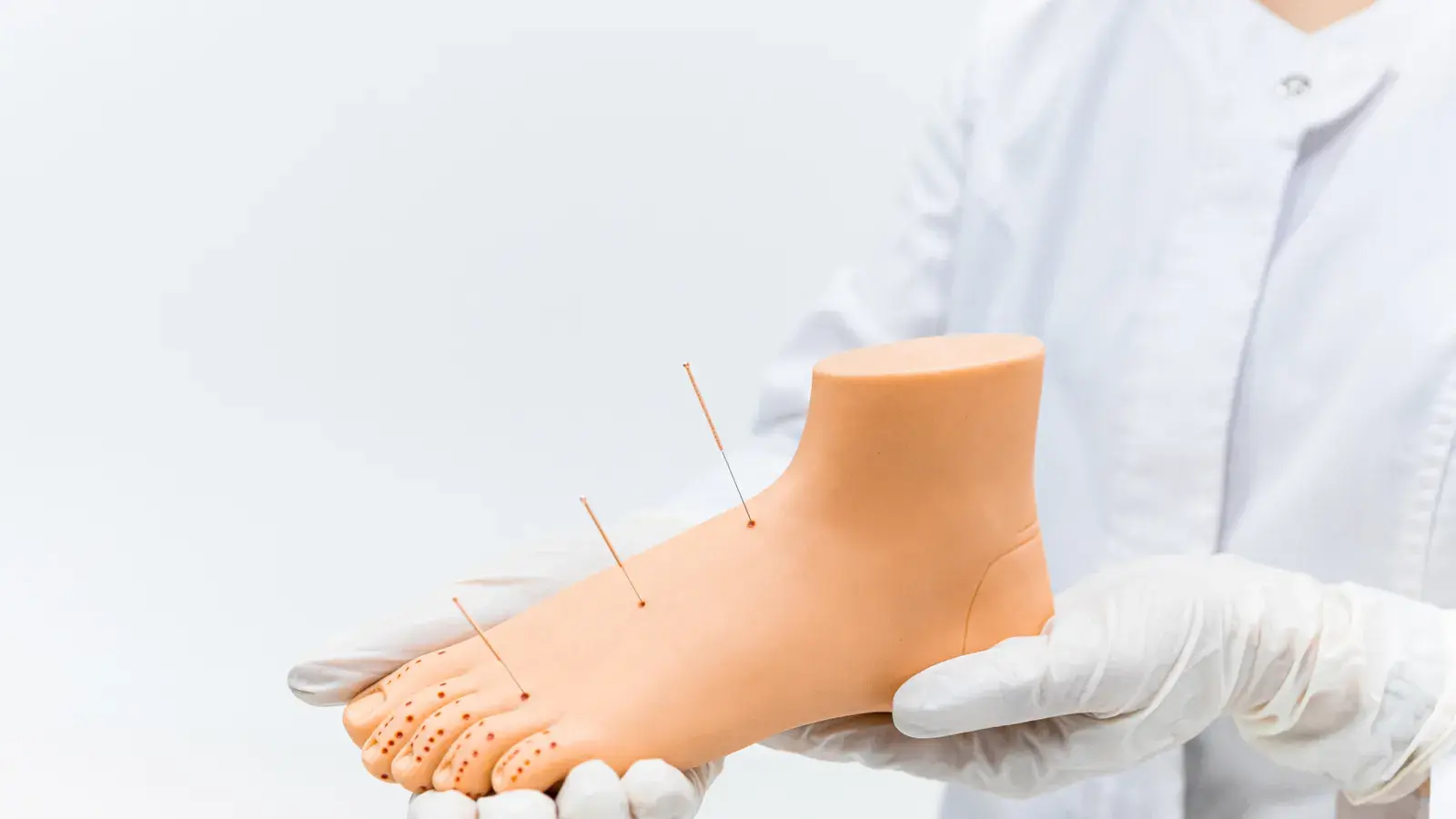
Quick answer: Acupuncture is generally considered safe when performed by a licensed practitioner, and research supports its use for chronic pain, headaches, and some digestive or stress-related concerns. The main risks are mild and temporary, such as bruising or soreness at the needle site, though rare complications like infection can occur if proper technique and sterile needles are not used.
Weighing acupuncture benefits and risks is a reasonable first step before committing to a course of treatment. Many people come to acupuncture after years of trying other approaches for chronic pain or ongoing health concerns, and it helps to understand both what the practice can offer and where its limits are.
In this article
- What Acupuncture May Help With
- Potential Risks and Side Effects
- How a Proper Diagnosis Lowers Risk
- Finding a Qualified Practitioner
- Weighing the Decision
What Acupuncture May Help With
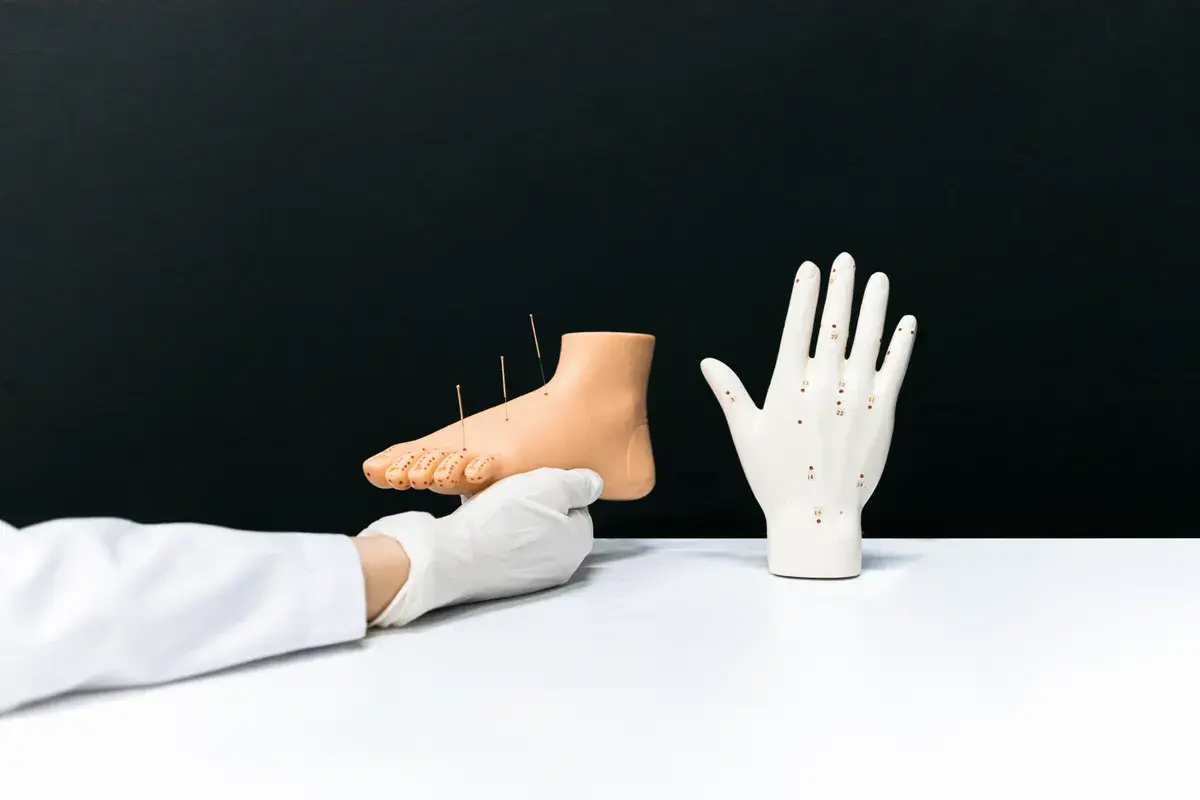
Photo by Maksim Goncharenok on Pexels
Chronic Pain and Musculoskeletal Conditions
Acupuncture is most often sought out for back pain, sciatica, knee pain, and headaches. The treatment works by addressing patterns such as Qi and Blood stagnation, which in Traditional Chinese Medicine theory contribute to pain and restricted movement. If you are curious about the physiological side of this process, I go into more detail in What Does Acupuncture Actually Do to Your Body?
Digestive, Sleep, and Stress-Related Concerns
Beyond pain, acupuncture is commonly used to support digestion, sleep quality, and general stress management. These concerns are frequently connected to the same patterns of imbalance that show up in pain conditions, which is part of why a full diagnosis matters rather than treating a single symptom in isolation.
Menstrual and Reproductive Health
Many patients also seek acupuncture for menstrual irregularities and related discomfort. As with other concerns, the treatment approach depends on the individual’s pattern rather than a fixed protocol tied to a diagnosis label.
Potential Risks and Side Effects
Common, Mild Reactions
The most frequently reported reactions are minor bruising, slight soreness at the needle site, or temporary lightheadedness. These typically resolve within a day or two and are considered a normal part of the body’s response to treatment.
Rare but Serious Risks
Serious complications, such as infection or injury to deeper tissue, are rare but have been documented, usually linked to improper needle technique or non-sterile equipment. This is one of the clearest reasons credentials and training matter when choosing a practitioner.
Who Should Be Cautious
Pregnant patients, people with bleeding disorders, and those with pacemakers should discuss their health history openly before beginning treatment. Acupuncture does not replace your doctor’s treatment or medication, so it works best as part of an overall approach to your health that includes your existing medical care.
How a Proper Diagnosis Lowers Risk
A full diagnosis is a lot of questions about your pain and your health in general, then a look at your tongue and a reading of your pulse. This is how Traditional Chinese Medicine works out why you are having your symptoms, not just what they are. At Traditional Healing Centre, every treatment plan starts from your own diagnosis rather than an off-the-shelf protocol, because the same symptom can come from different patterns in different people. Jason Tarter, R.TCMP, R.Ac, has practiced for 18 years and is registered with the College of Traditional Chinese Medicine Practitioners and Acupuncturists of Ontario (CTCMPAO), combining acupuncture with custom herbal formulas written for each patient. Treatments offered include acupuncture, Chinese herbal medicine, Chinese cupping, moxibustion, Tuina massage, and cosmetic acupuncture using the Meizen facial protocol. If you are weighing options for headache relief specifically, I’ve written more on this in Acupuncture for a Headache: How Treatment Works
Finding a Qualified Practitioner
Credentials to Look For
Look for a practitioner registered with your province’s regulatory college, since this ensures training standards and accountability. Receipts issued by a Registered Acupuncturist (R.Ac) and Registered Traditional Chinese Medicine Practitioner (R.TCMP) are also useful if you plan to submit a claim, as many extended health plans cover acupuncture and Chinese medicine services even though OHIP does not.
What to Expect at Your First Visit
Your first visit usually involves a detailed intake, a tongue and pulse reading, and a discussion of your goals. Plan on 5 to 10 treatments before expecting to judge progress, since response builds gradually rather than all at once. If you’d rather start with a gentler introduction to the practice, you may also want to read about Acupressure Massage: Benefits and How It Relates to Acupuncture
Weighing the Decision
Acupuncture benefits and risks should be considered together, not separately. For most people, the risks are minor and manageable, while the potential benefits for chronic pain and related concerns are well documented. The deciding factor often comes down to choosing a qualified, registered practitioner who builds a plan around your own pattern.
If you have questions about whether acupuncture is a good fit for your situation, you can get in touch to discuss your health history, or book an appointment directly to begin with a full diagnosis at Traditional Healing Centre.