
How Chinese Medicine Works: Diagnosis, Herbs & Evidence
In short
Chinese medicine works by first identifying a pattern behind your symptoms, using a detailed intake, tongue examination, and pulse reading, rather than treating a diagnosis code in isolation. From there, acupuncture and custom herbal formulas are used together to address Qi and Blood stagnation and restore balance, with most patients needing several visits before judging progress.
Many people asking how chinese medicine works are dealing with a health concern that hasn’t fully resolved through other approaches, whether that’s chronic back pain, stubborn digestive trouble, or sleep that never feels restful. The honest answer starts with how a practitioner arrives at a treatment plan in the first place, because that process shapes everything that follows.
In this article
Diagnosis Comes Before Treatment
Traditional Chinese Medicine does not begin with a symptom checklist. It begins with a conversation.
A Full Set of Questions
A practitioner asks about your pain, your digestion, your sleep, your stress levels, and your health history in general. These questions are not small talk. They help build a picture of the pattern underlying your symptoms, not just a label for what you’re experiencing.
Tongue and Pulse Reading
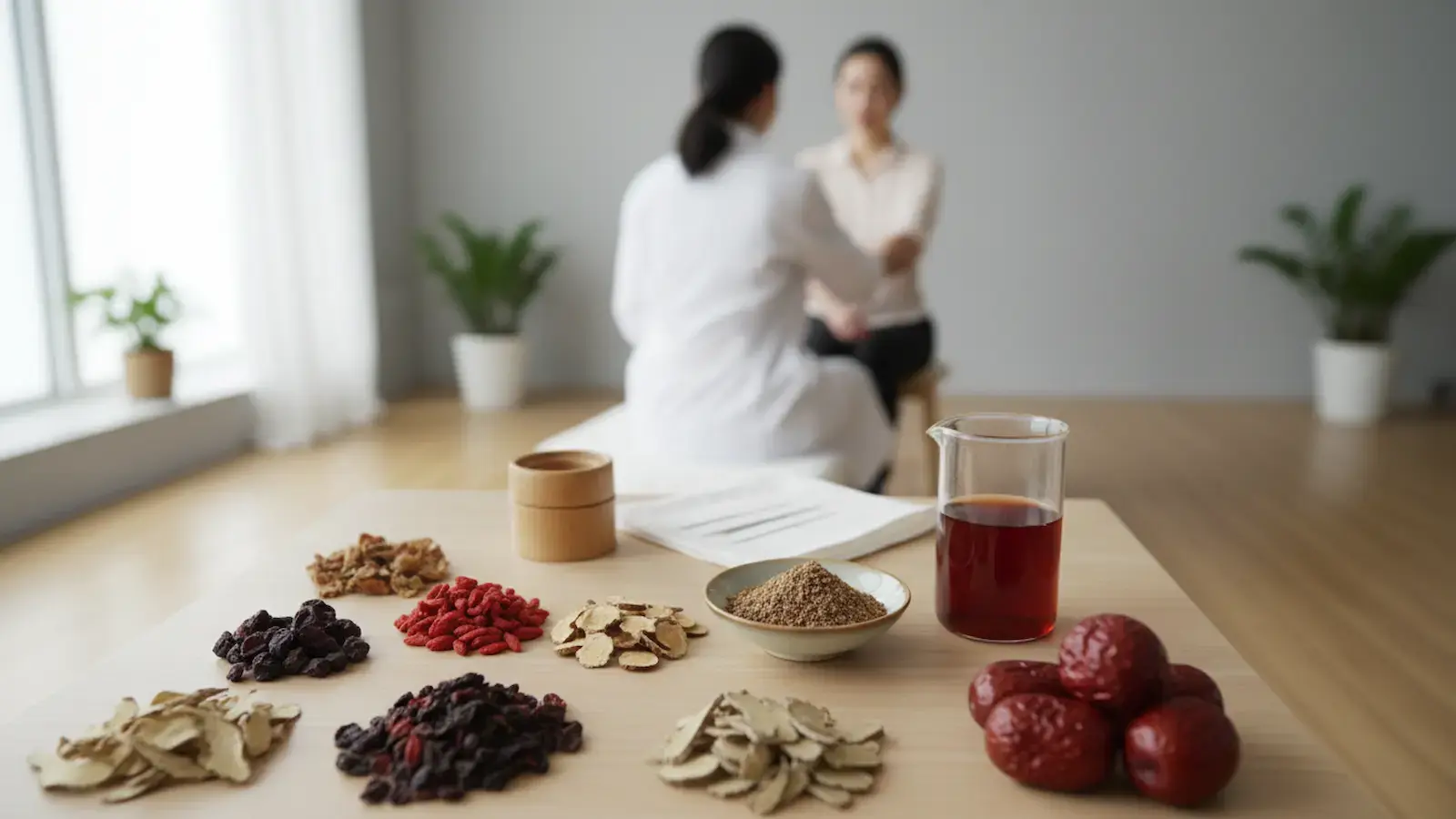
After the questions, the practitioner looks at your tongue and takes your pulse. These two readings offer information about the state of your Qi and Blood, and about which organ systems may be out of balance. This is how Traditional Chinese Medicine works out why you are having your symptoms, rather than only what they are. Two patients with the same complaint, say, lower back pain, may walk away with different formulas and different acupuncture points because their underlying patterns differ.
The Tools That Follow the Diagnosis
Book a time
Pick a time that suits you.
Book a time- Phone: (647) 346-2780
- Email: jasontcm@traditionalhealingcentre.com
- Address: 213 Queensway S. Unit 400, Keswick, Ontario, L4P2A7
Related articles
Once a pattern is identified, a practitioner has several tools available, and they are often combined rather than used alone.
Acupuncture
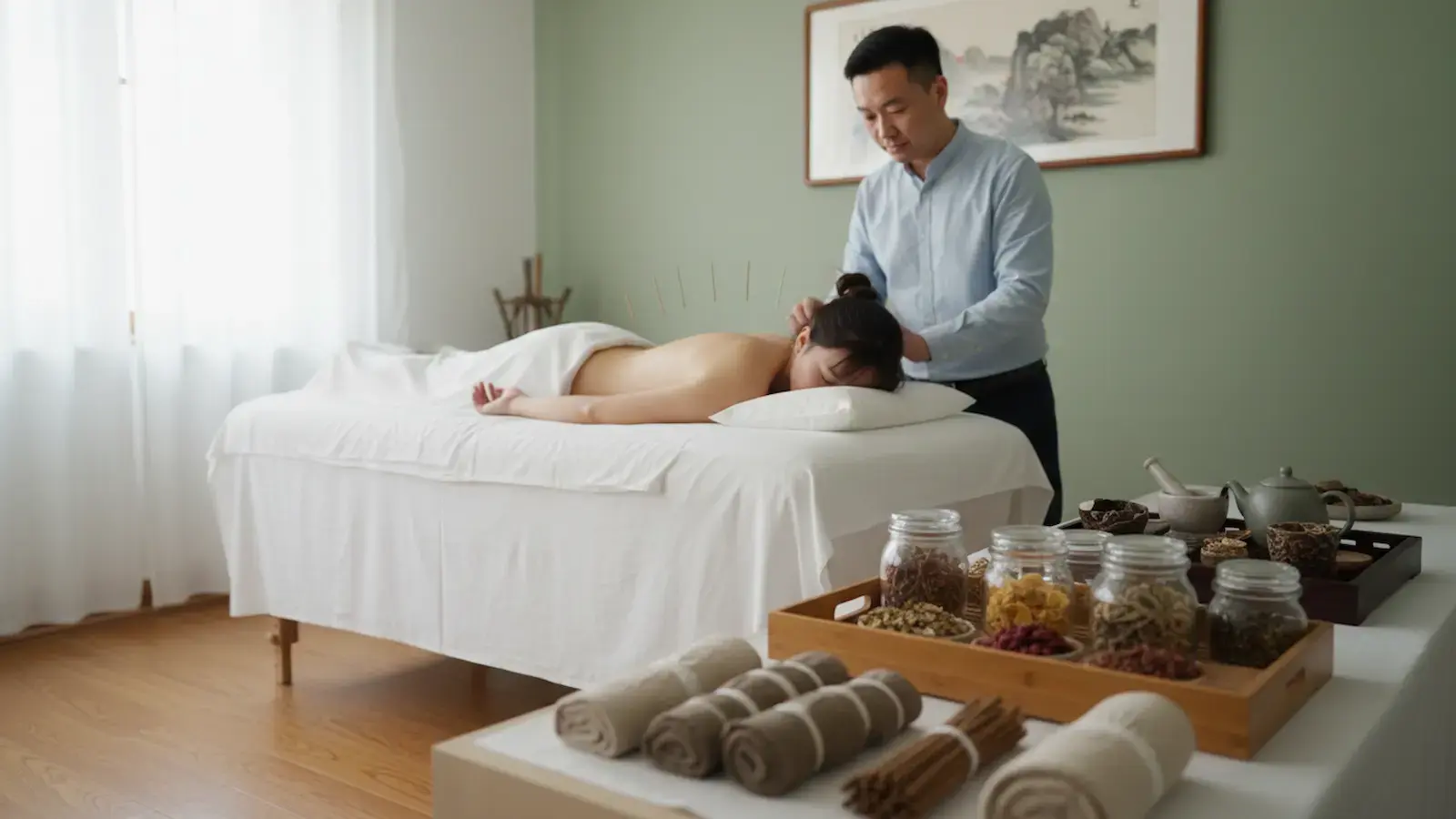
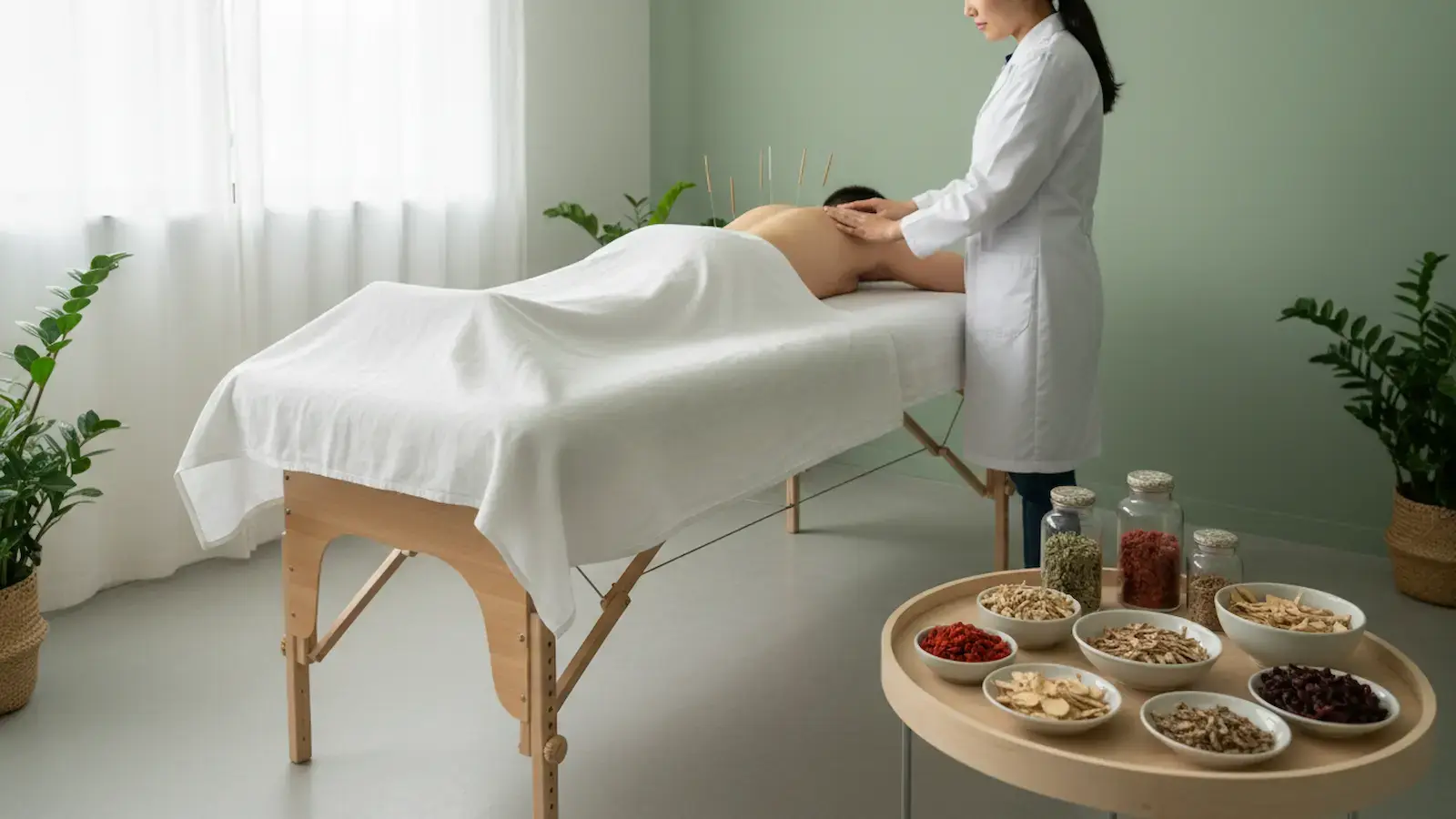
Fine needles are inserted at specific points to help move Qi and Blood where stagnation has built up. This stagnation is commonly linked to pain, tension, and some digestive complaints.
Chinese Herbal Medicine
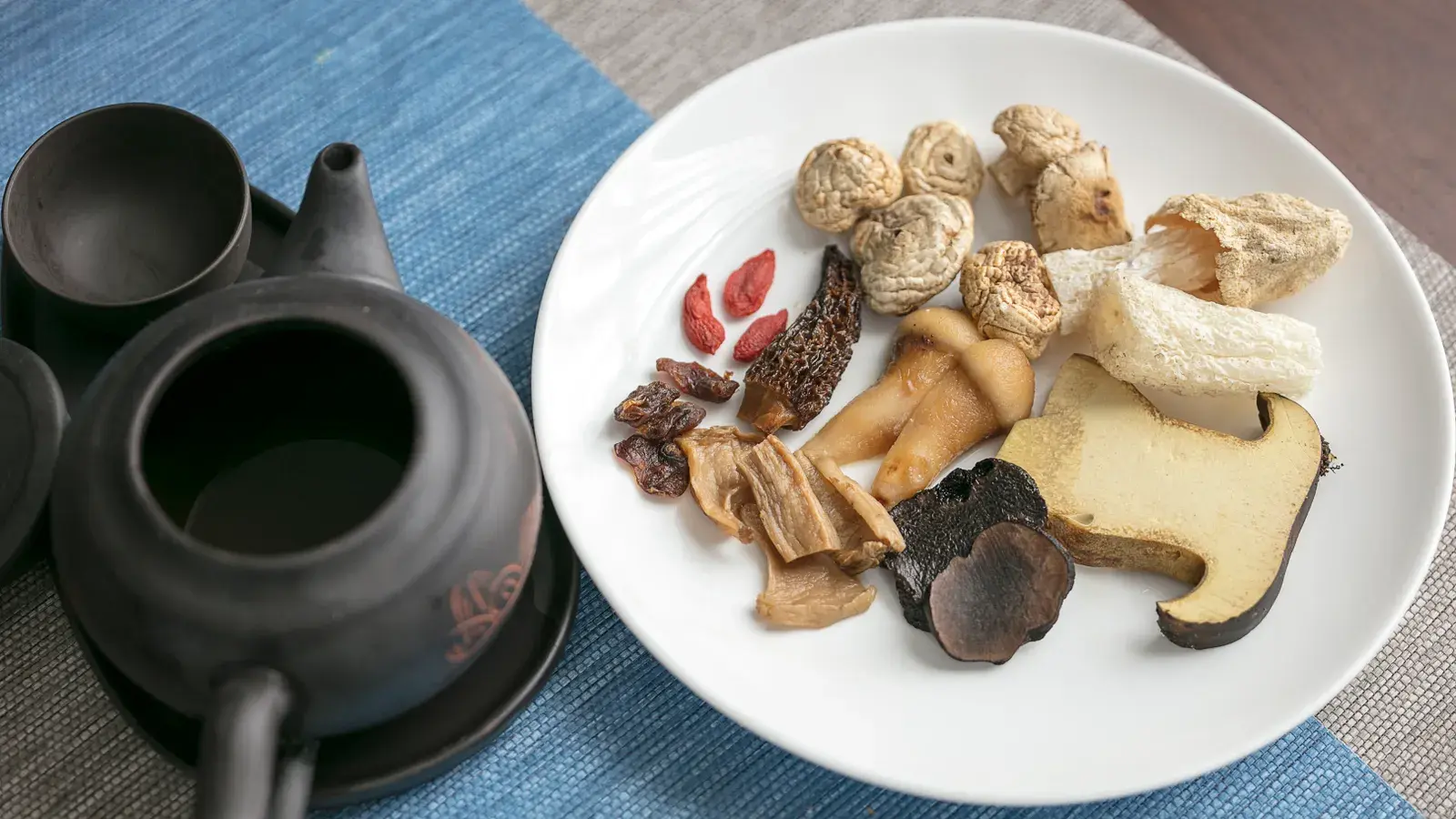
Herbal formulas are built from combinations of herbs chosen for the individual’s pattern, not pulled from a generic list for “back pain” or “insomnia.” Some formulas lean on warming herbs to address cold patterns, while others draw on cooling or blood-building herbs depending on what the diagnosis calls for. If you’d like to understand the herbal side in more depth, our articles on blood-building herbs in Chinese medicine and warming and cooling herbs in Chinese medicine walk through how these categories are used.
Cupping, Moxibustion, and Tuina Massage
Beyond needles and herbs, cupping and moxibustion are used to warm and move Qi and Blood in areas of stagnation, while Tuina massage works directly on muscle and connective tissue to relieve tension. These are often layered into a course of treatment alongside acupuncture rather than used as standalone therapies.
Where This Applies in Daily Life
People come to Traditional Chinese Medicine for a wide range of concerns. Chronic pain, including back pain, sciatica, and knee pain, is a common reason, as are headaches that haven’t responded well to other approaches. Others are dealing with digestive complaints, menstrual irregularities, or stress that disrupts sleep. Chinese herbal medicine also has a documented role in supportive care for some urinary concerns; our piece on Chinese herbs for UTI outlines what that looks like in practice.
Finding Tailored Care
Because the diagnosis drives everything, the quality of that first conversation matters. At Traditional Healing Centre in Keswick, Ontario, every treatment plan starts from your own Traditional Chinese Medicine diagnosis, never an off-the-shelf protocol. Jason Tarter, R.TCMP, R.Ac, has been in practice for 18 years and combines acupuncture with custom herbal formulas written for the individual patient, filled through the clinic’s own herbal dispensary. He is registered with the College of Traditional Chinese Medicine Practitioners and Acupuncturists of Ontario (CTCMPAO), and receipts are issued by a Registered Acupuncturist and Registered Traditional Chinese Medicine Practitioner, which many extended health plans accept even though OHIP does not cover these services.
What to Expect
Chinese medicine is not a one-visit fix. Most practitioners recommend planning on 5 to 10 treatments before judging progress, since formulas may be adjusted and acupuncture points refined as your pattern shifts. This is also why the initial diagnosis matters so much: a treatment plan built on a clear pattern gives each subsequent visit a direction, rather than repeating the same approach regardless of how you’re responding.