
Chinese Herbs for UTI: What Traditional Chinese Medicine Offers
In short
Chinese herbs for UTI are typically chosen to clear what Traditional Chinese Medicine calls Damp-Heat in the Bladder, the pattern most often linked to burning, urgency and frequent urination. A qualified practitioner selects a formula based on your pulse, tongue and overall pattern rather than reaching for one herb for every case. Chinese herbal medicine is generally used alongside, not instead of, medical testing and treatment for an active infection.
Anyone who has dealt with the sudden urgency, burning or discomfort of a urinary tract infection knows how disruptive it can be, and many people search for chinese herbs for uti hoping for a gentler way to support recovery or reduce how often symptoms return. Traditional Chinese Medicine has a long history of addressing urinary complaints, but it approaches them differently than conventional medicine does. Rather than treating “UTI” as a single fixed condition, a practitioner works out the underlying pattern causing your symptoms, and the herbal formula follows from that pattern.
In this article
- Understanding UTIs Through a Traditional Chinese Medicine Lens
- Chinese Herbs Traditionally Associated with Urinary Health
- Why a Proper Diagnosis Matters Before Taking Herbs
- What to Expect From a Visit for Urinary Concerns
- When to See a Doctor First
- Finding the Right Support at Traditional Healing Centre
- In this series
Understanding UTIs Through a Traditional Chinese Medicine Lens
In Traditional Chinese Medicine, the Bladder and Kidney systems are closely tied to urination, and most urinary symptoms are traced back to an imbalance involving one or both. Acute burning and urgency are most often described as Damp-Heat settling in the Bladder, while recurring or lingering symptoms are more often linked to a weakness in Kidney function or ongoing Qi and Blood stagnation in the lower abdomen.
Common TCM Patterns Behind Urinary Symptoms
A few patterns come up repeatedly when urinary complaints are discussed in Traditional Chinese Medicine:
- Damp-Heat in the Bladder, typically associated with sharp burning, urgency and a strong urge to urinate frequently
- Qi and Blood stagnation, which may show up as lower abdominal discomfort alongside urinary symptoms
- Kidney Qi or Kidney Yin deficiency, more common in cases where symptoms keep returning over time
- Spleen Qi deficiency, which can contribute to a general feeling of heaviness or fatigue alongside urinary discomfort
Identifying which of these patterns, or combination of patterns, is present is the starting point for choosing an appropriate herbal formula.
Chinese Herbs Traditionally Associated with Urinary Health
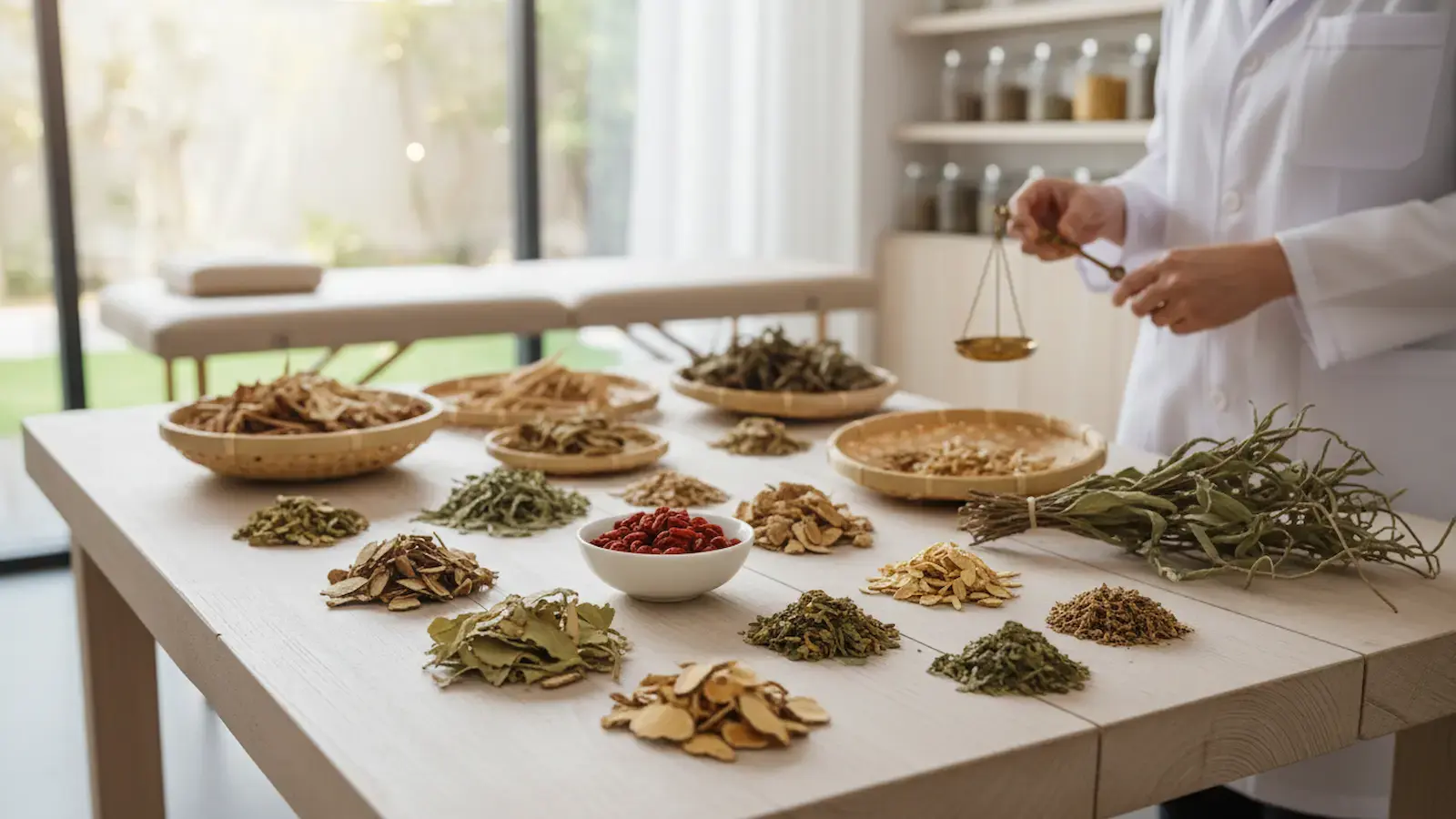
Chinese herbal medicine rarely relies on a single herb. Instead, herbs are combined into formulas designed to work together, with each ingredient playing a specific role in addressing the pattern identified during diagnosis.
Herbs Used to Clear Damp-Heat
Book a time
Pick a time that suits you.
Book a time- Phone: (647) 346-2780
- Email: jasontcm@traditionalhealingcentre.com
- Address: 213 Queensway S. Unit 400, Keswick, Ontario, L4P2A7
Related articles
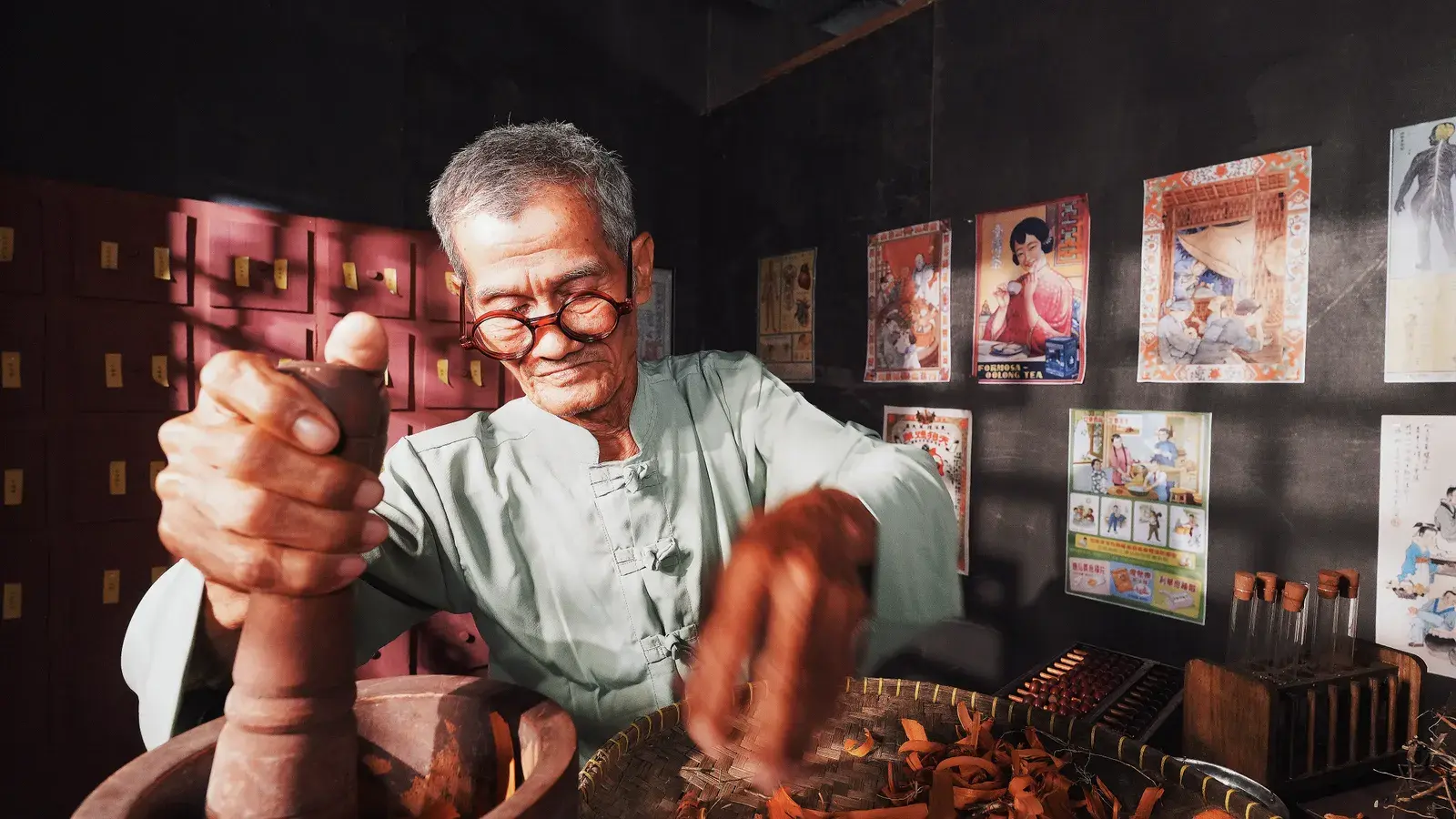
For patterns involving Damp-Heat, formulas often draw on herbs such as plantain seed, talc, and dianthus, which are traditionally included in classic combinations aimed at draining dampness and clearing heat from the lower burner. These are generally used for the acute, burning-type symptoms rather than long-standing complaints. You can read more about individual herbs and their traditional roles on our page covering common Chinese herbs and what they’re used for.
Herbs Used to Support Kidney and Bladder Function
When symptoms are recurrent or linked to an underlying Kidney Yin deficiency, formulas shift toward herbs such as rehmannia and cornus, which are traditionally used to nourish Kidney Yin and support the Bladder’s function over time. These formulas are not aimed at an acute flare but at the longer-term pattern that may be allowing symptoms to keep coming back.
Why a Proper Diagnosis Matters Before Taking Herbs
Because the same symptom can arise from different patterns, taking a formula intended for Damp-Heat when the underlying issue is actually a Kidney deficiency is unlikely to bring the results you’re hoping for, and may not suit your constitution at all. This is why I ask a lot of questions about your symptoms and your health in general, then look at your tongue and take your pulse, before working out why you are experiencing these symptoms and which formula fits your pattern. Every treatment plan I put together starts from this individual diagnosis rather than a standard protocol applied to everyone with urinary complaints.
What to Expect From a Visit for Urinary Concerns
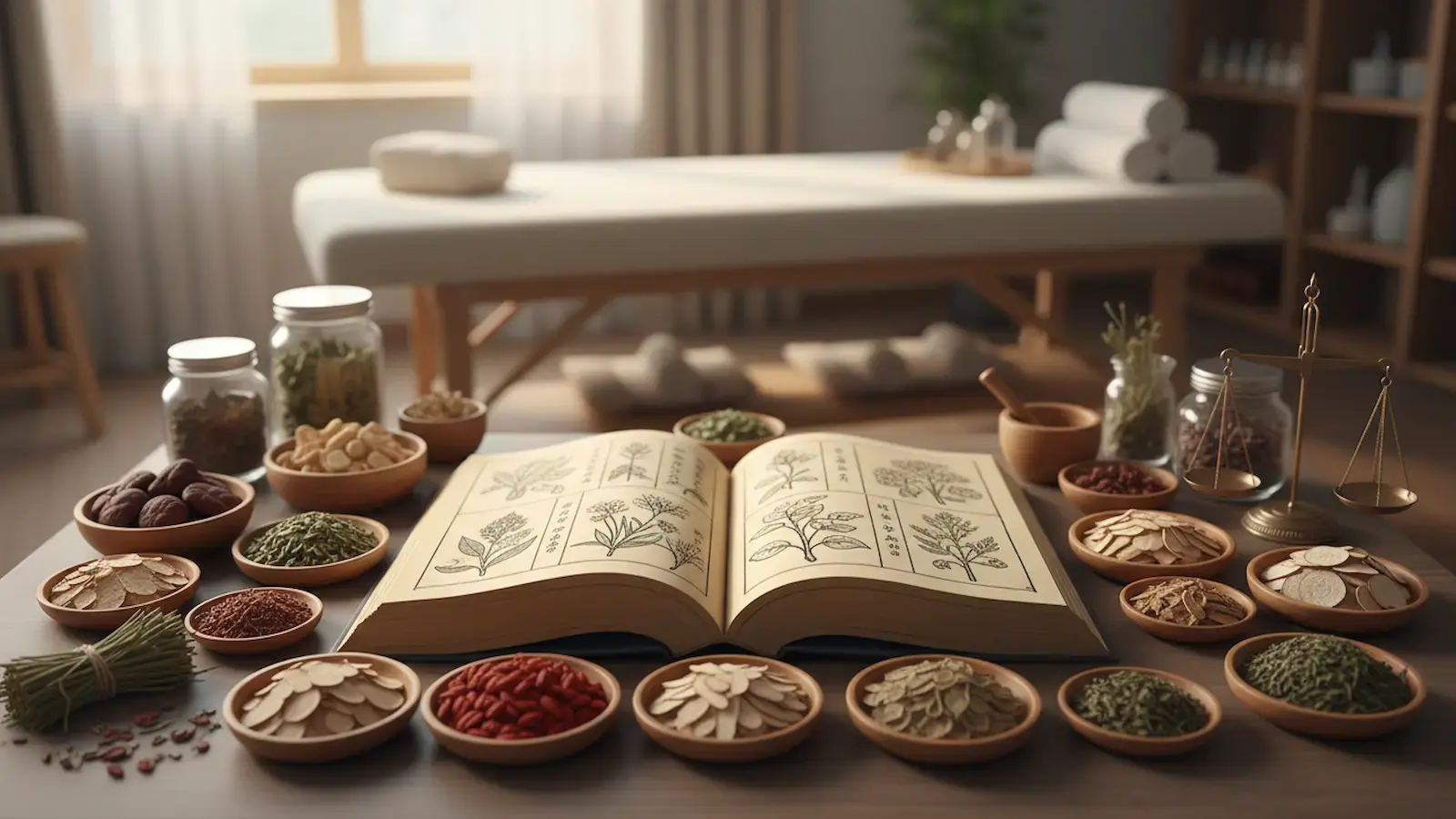
A first visit typically includes a detailed intake about your symptoms, their history, and any related digestive, sleep or menstrual concerns, followed by tongue and pulse diagnosis. From there, I put together a course of treatment that may combine Chinese herbal medicine with acupuncture, and in some cases moxibustion, particularly where there are signs of Kidney Yang deficiency alongside urinary symptoms. If you’d like to understand more about how Chinese herbal formulas are chosen and combined, our guide to choosing a Traditional Chinese Medicine herbs book is a useful starting point.
When to See a Doctor First
A urinary tract infection involving active bacterial infection needs proper testing, and in many cases antibiotics, to clear safely. Chinese herbal medicine is generally used to support the body’s overall pattern and to help address recurring discomfort, not as the first response to a suspected infection. If you have fever, blood in your urine, flank pain, or you are pregnant, please see a physician promptly. If you’re unsure whether herbal support is appropriate alongside your current care, feel free to get in touch and ask.
Finding the Right Support at Traditional Healing Centre
At Traditional Healing Centre in Keswick, Ontario, every treatment plan starts from your own Traditional Chinese Medicine diagnosis rather than an off-the-shelf protocol. I offer acupuncture, Chinese herbal medicine, Chinese cupping, moxibustion and Tuina massage, and I select from these based on the pattern I identify during your visit, whether that’s Damp-Heat, Kidney deficiency, or a combination of factors contributing to your symptoms.
If recurring urinary discomfort has been affecting you and you’d like a formula and treatment plan built around your own pattern, book an appointment and we can start with a full diagnosis.
Ready to book, or have a question?
Book with Traditional Healing CentreIn this series
- A Chinese Herb Guide: Understanding Traditional Formulas
- Are Chinese Herbs Safe to Take?
- Chinese Herbs to Lose Weight: What Actually Helps
- Common Chinese Herbs and What They’re Used For
- Choosing a Traditional Chinese Medicine / Herbs Book
- Warming and Cooling Herbs in Chinese Medicine
- Traditional Chinese Herbs: What They Treat and How They Work
- Chinese Herbs for Spleen: Support for Digestion and Energy
- Organic Chinese Herbs Canada: What to Know Before You Buy
- Chinese Fertility Herbs: How Traditional Medicine Approaches Them
- Anxiety Chinese Herbs: Traditional Formulas That Support Calm
- Chinese Herbs for Liver Cleanse: A TCM Perspective
- Chinese Herbs for Gallbladder Support: What to Know
- Chinese Herbs History: From Ancient Roots to Modern Care
- Rosacea Chinese Herbs: How TCM Approaches Facial Flushing
- Chinese Herbs for Menopause: What to Know Before You Start
- Chinese Herbs Side Effects: What to Know Before You Start
- Chinese Herbs for High Cholesterol: A TCM Perspective
- Chinese Herbs for UTI: What Traditional Chinese Medicine Offers