
In short
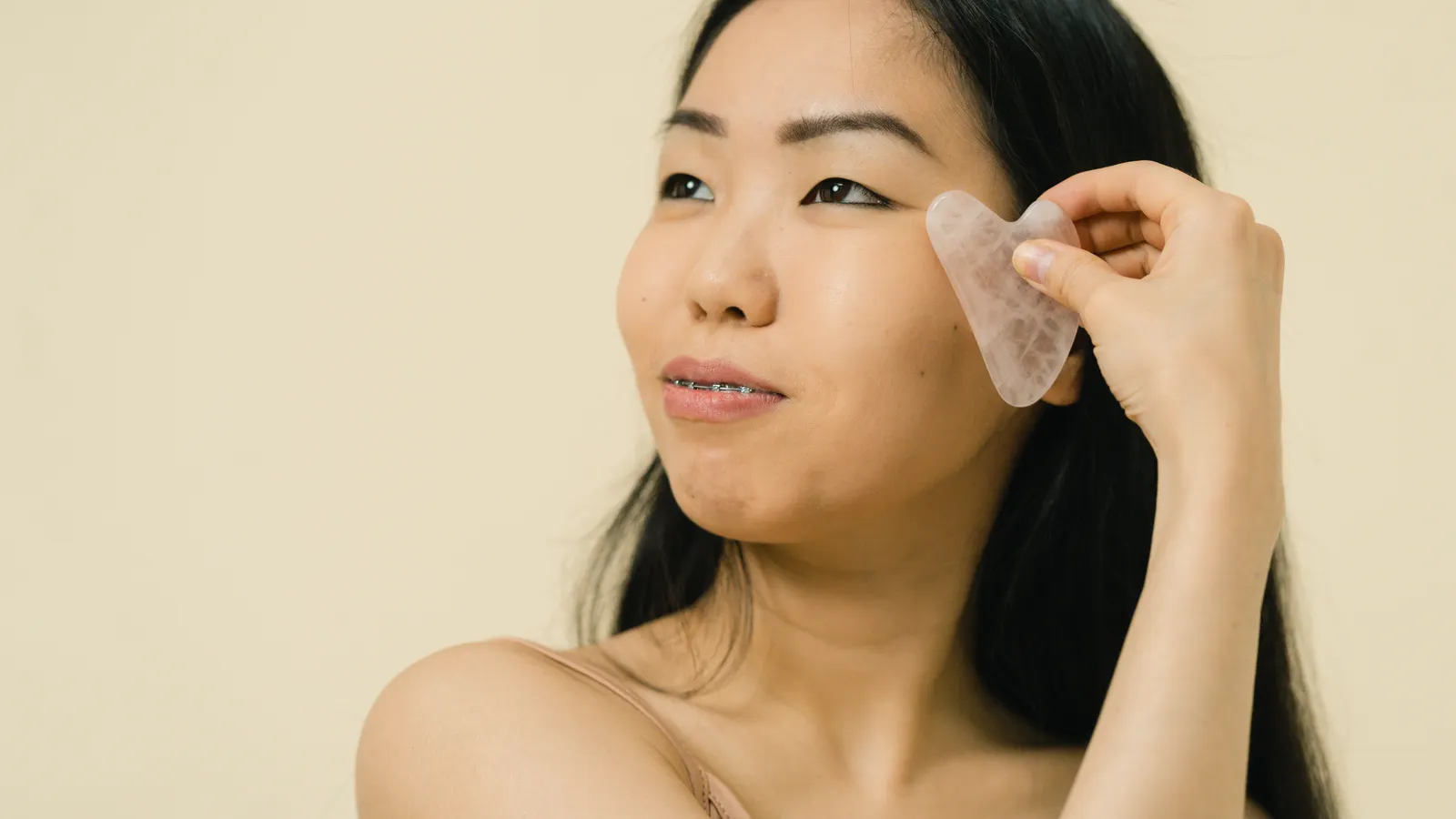
An acupuncture facial lift is a non-surgical cosmetic treatment that uses fine needles placed in the face, and often the body, to support circulation and muscle tone beneath the skin. It is typically done as a course of treatment rather than a single visit, and results build gradually rather than appearing after one session.
More people are asking about an acupuncture facial lift as an alternative to injectables or surgical procedures, and it's worth understanding what the treatment actually involves before booking a visit. Unlike a surgical facelift, this approach doesn't alter the structure of the face. Instead, it works with the body's own systems to support skin and muscle over a course of treatment.
In this article
What Is an Acupuncture Facial Lift?
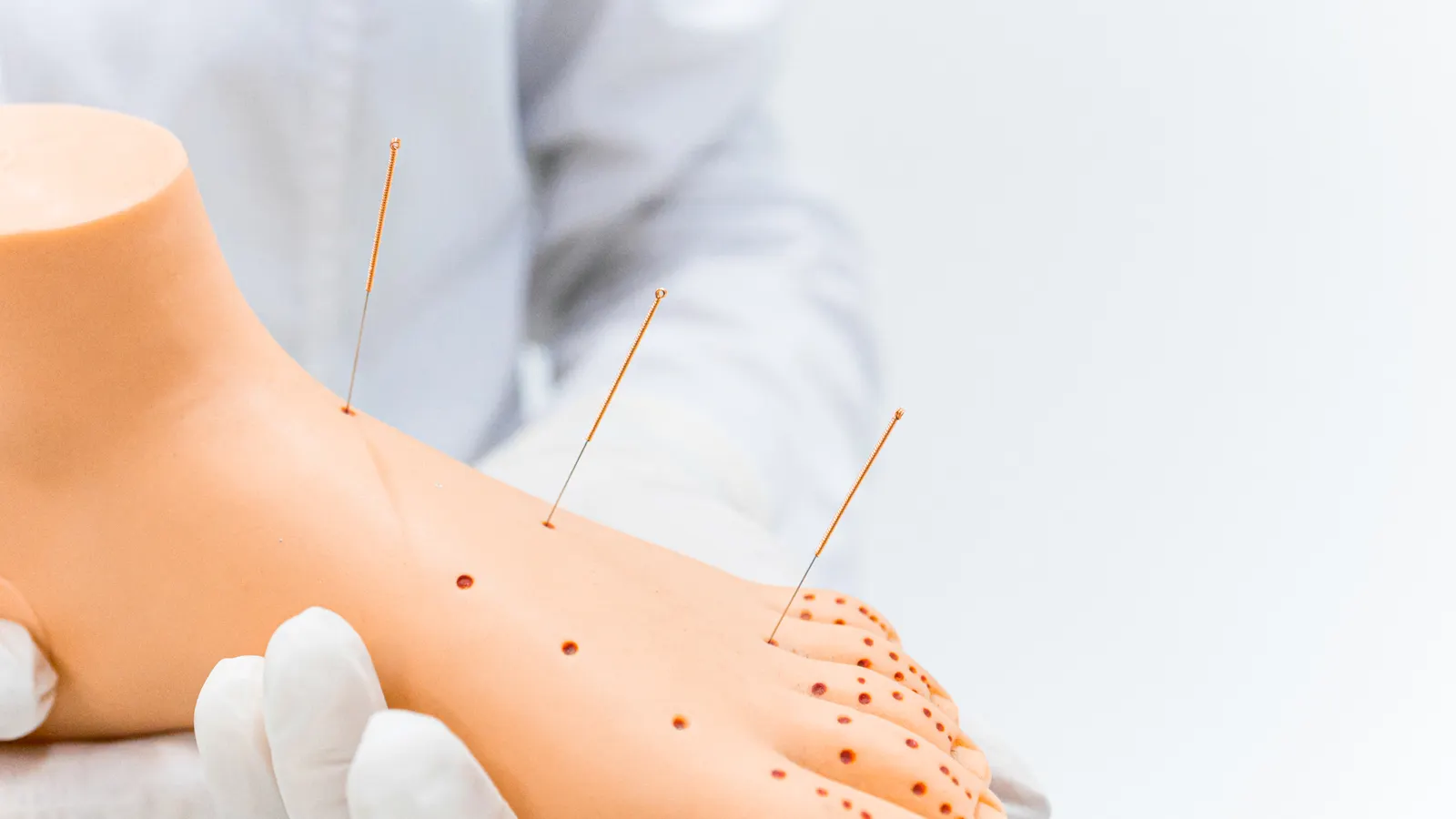
An acupuncture facial lift, sometimes called cosmetic or facial acupuncture, places fine needles at specific points on the face and, in many cases, elsewhere on the body. The goal is to address fine lines, sagging and a dull complexion without surgery or injectables. I've written in more detail about what acupuncture actually does to the body, and the same underlying principles apply when the needles are placed in the face rather than the back or legs.
How It Differs From Surgical Options
A surgical facelift physically repositions tissue. An acupuncture facial lift does not. It's a gentler, cumulative approach that works over a series of visits rather than producing an immediate change after one treatment. Patients considering either option should understand that these are different categories of treatment with different expectations attached to them.
What Happens During a Cosmetic Acupuncture Visit
Every visit starts the way any Traditional Chinese Medicine visit does: with a full diagnosis. I ask a lot of questions about sleep, stress, digestion and overall health, then look at the tongue and take the pulse. This isn't a formality before a facial treatment — it's how I work out the pattern behind what I'm seeing in the skin, because facial appearance is tied to what's happening throughout the body. I cover more of this groundwork in my article on cosmetic acupuncture treatments and what to know before you book.
The Meizen Facial Protocol
Book a time
Pick a time that suits you.
Book a time- Phone: (647) 346-2780
- Email: jasontcm@traditionalhealingcentre.com
- Address: 213 Queensway S. Unit 400, Keswick, Ontario, L4P2A7
Related articles
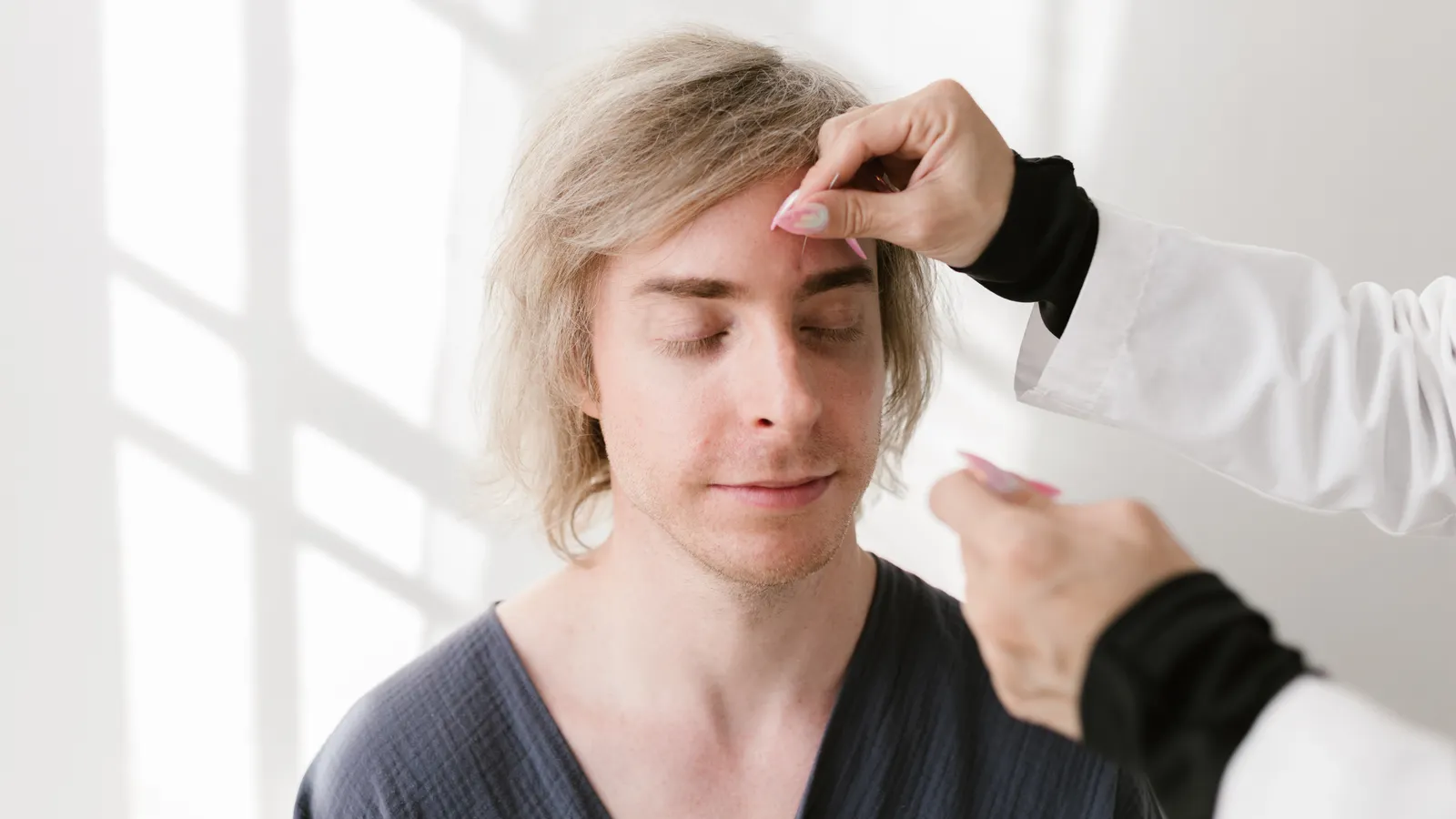
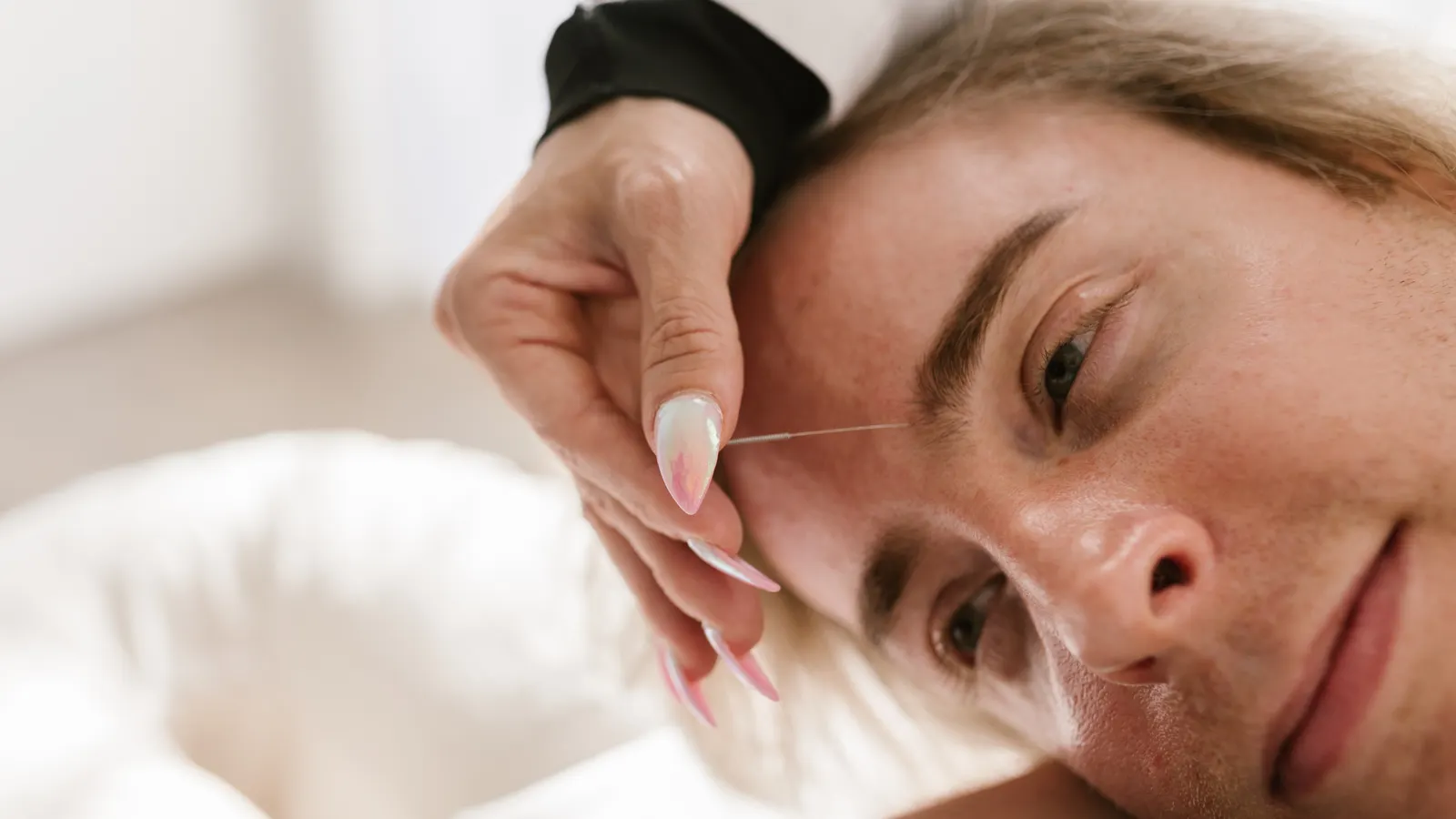
I use the Meizen facial protocol for cosmetic acupuncture visits, a structured method for placing facial needles that I trained in specifically for this kind of treatment. It's applied alongside the broader diagnosis rather than as a stand-alone cosmetic routine, which keeps the facial work connected to the patient's overall pattern instead of treating the face in isolation.
Why Your Pattern Matters for Facial Treatment
Two patients with similar fine lines can have very different underlying patterns, and that affects how I approach their treatment plans. This is why I don't work from a fixed cosmetic protocol — the plan starts from the individual's own Traditional Chinese Medicine diagnosis.
Qi and Blood Stagnation and Facial Appearance
In Traditional Chinese Medicine terms, dull or sagging skin is often connected to Qi and Blood stagnation, which can show up in the face as puffiness, uneven tone or a tired appearance. Addressing this pattern through acupuncture, and sometimes Chinese herbal medicine formulas written for the individual, is part of why the facial work is tied to a full-body diagnosis rather than treated as a separate cosmetic add-on.
How Many Visits to Plan For
Facial acupuncture isn't a one-visit treatment. As with most Traditional Chinese Medicine goals, I recommend planning on a course of five to ten visits before judging progress. This gives the body time to respond and gives me time to adjust the approach based on how the pattern is shifting.
Choosing a Qualified Practitioner
If you're considering an acupuncture facial lift, it's worth choosing a practitioner registered with the College of Traditional Chinese Medicine Practitioners and Acupuncturists of Ontario (CTCMPAO). At Traditional Healing Centre in Keswick, Ontario, I've been in practice for 18 years, and every treatment plan — cosmetic or otherwise — starts from the patient's own diagnosis rather than an off-the-shelf protocol. I also run the herbal dispensary on-site, so if your pattern calls for a custom formula alongside your facial treatment, it's prepared under the same roof. Receipts are issued as a Registered Acupuncturist (R.Ac) and Registered Traditional Chinese Medicine Practitioner (R.TCMP), and many extended health plans cover these services, though OHIP does not.
If you're dealing with tension that shows up as facial strain or headaches, it may also help to read about how acupuncture treats headaches, since the two concerns sometimes overlap.
Ready to Learn More?
Ready to book, or have a question?
Book with Traditional Healing CentreIn this series
- How Often Should You Have Facial Acupuncture?
- Facial Acupuncture at Home: What's Safe, What's Not
- Facial Acupuncture Cost: What Factors Affect the Price
- Acupuncture Facial Lift: What It Is and How It Works