
In short
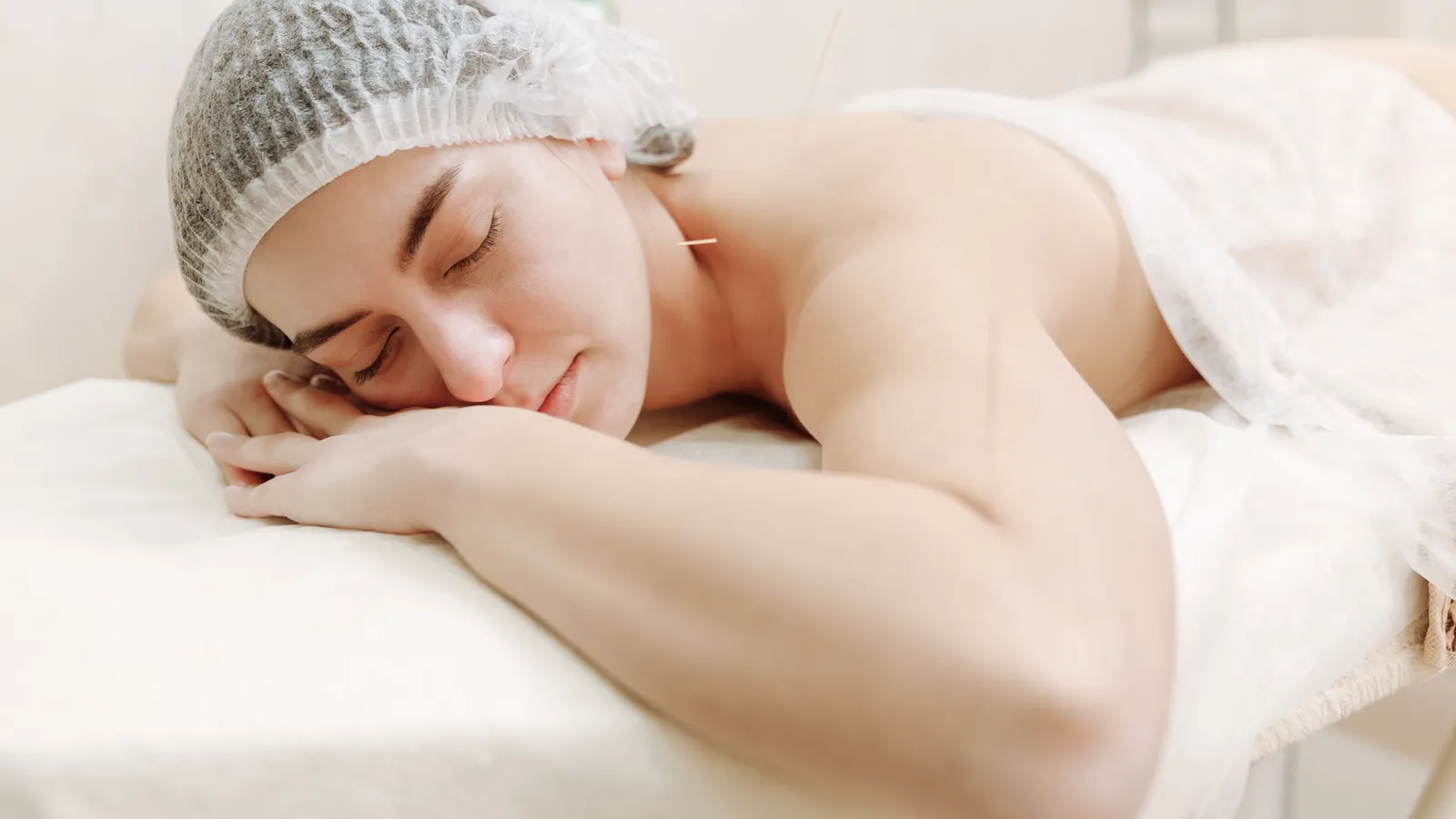
Facial acupuncture for eye bags uses fine needles placed around the eyes and across the face to address the Qi and Blood stagnation that Traditional Chinese Medicine links to under-eye puffiness and dullness. Most practitioners recommend a course of treatment rather than a single visit, since the goal is gradual improvement in the skin and tissue around the eyes over several weeks.
Under-eye bags are one of the most common concerns patients raise when they ask about facial acupuncture for eye bags, and for good reason: this part of the face shows fatigue, stress, and age faster than almost anywhere else. Before deciding whether this approach is worth trying, it helps to understand why eye bags form, how a Traditional Chinese Medicine practitioner approaches them, and what a course of visits actually looks like.
In this article
What Causes Under-Eye Bags
Under-eye bags can come from several sources: fluid retention, thinning skin, weakened muscle support, or simply fatigue and lack of sleep. In Traditional Chinese Medicine, puffiness and discoloration under the eyes are often read as a sign of Qi and Blood stagnation in the face, sometimes connected to patterns involving the Spleen or Kidney. Rather than treating the eye area as an isolated cosmetic problem, a practitioner looks at it as one visible sign of a broader pattern in the body.
How Facial Acupuncture for Eye Bags Works
The Traditional Chinese Medicine View of Puffiness
From this perspective, fine lines, puffiness, and a tired-looking complexion are tied to how well Qi and Blood circulate through the face. When circulation to the delicate skin and tissue around the eyes is sluggish, fluid and waste products can settle there, contributing to the look of bags. Needling specific points on the face and body is meant to encourage movement in that stagnant area, supporting the skin and muscle tissue around the eyes over time.
What a Treatment Session Involves
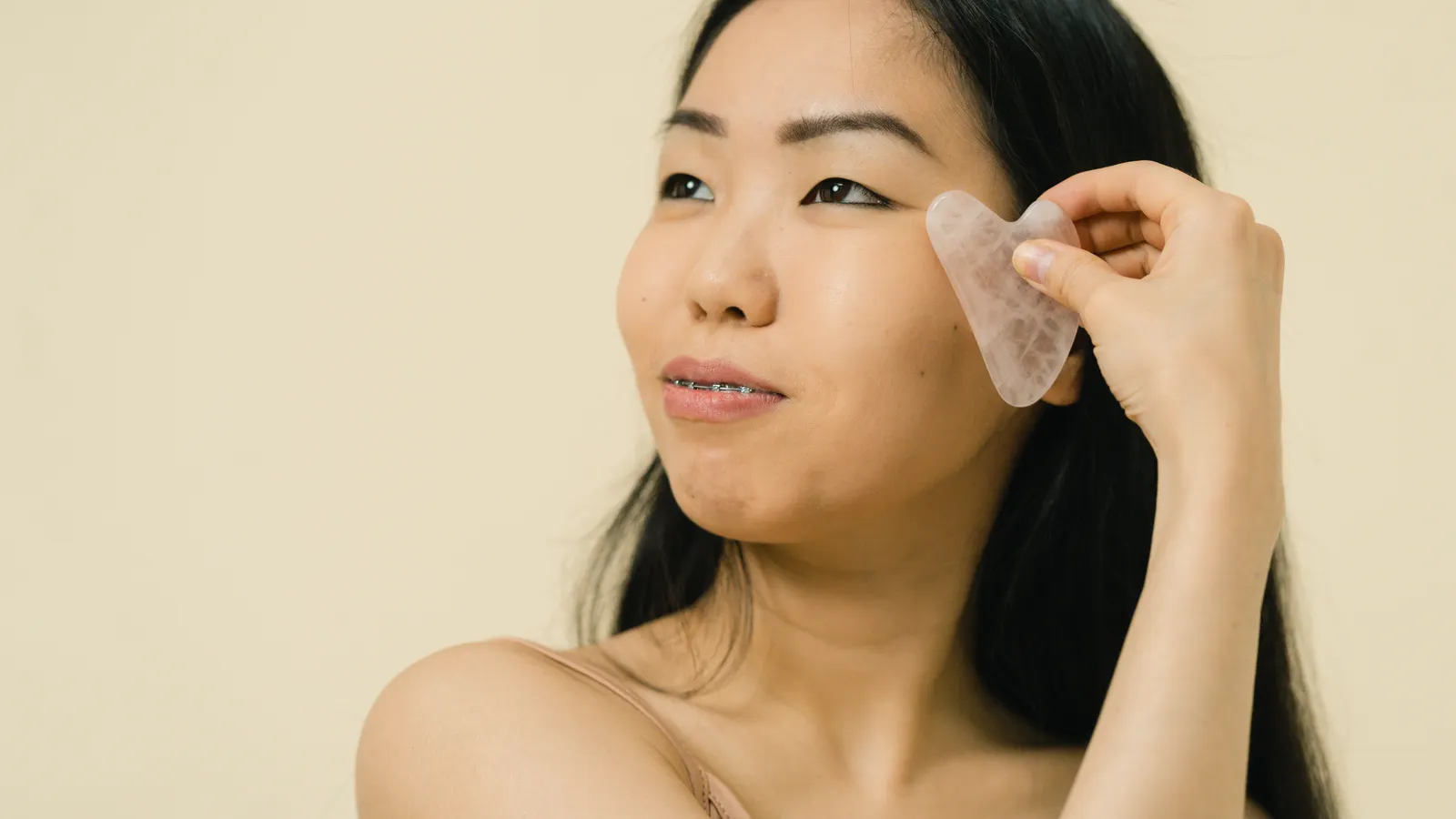
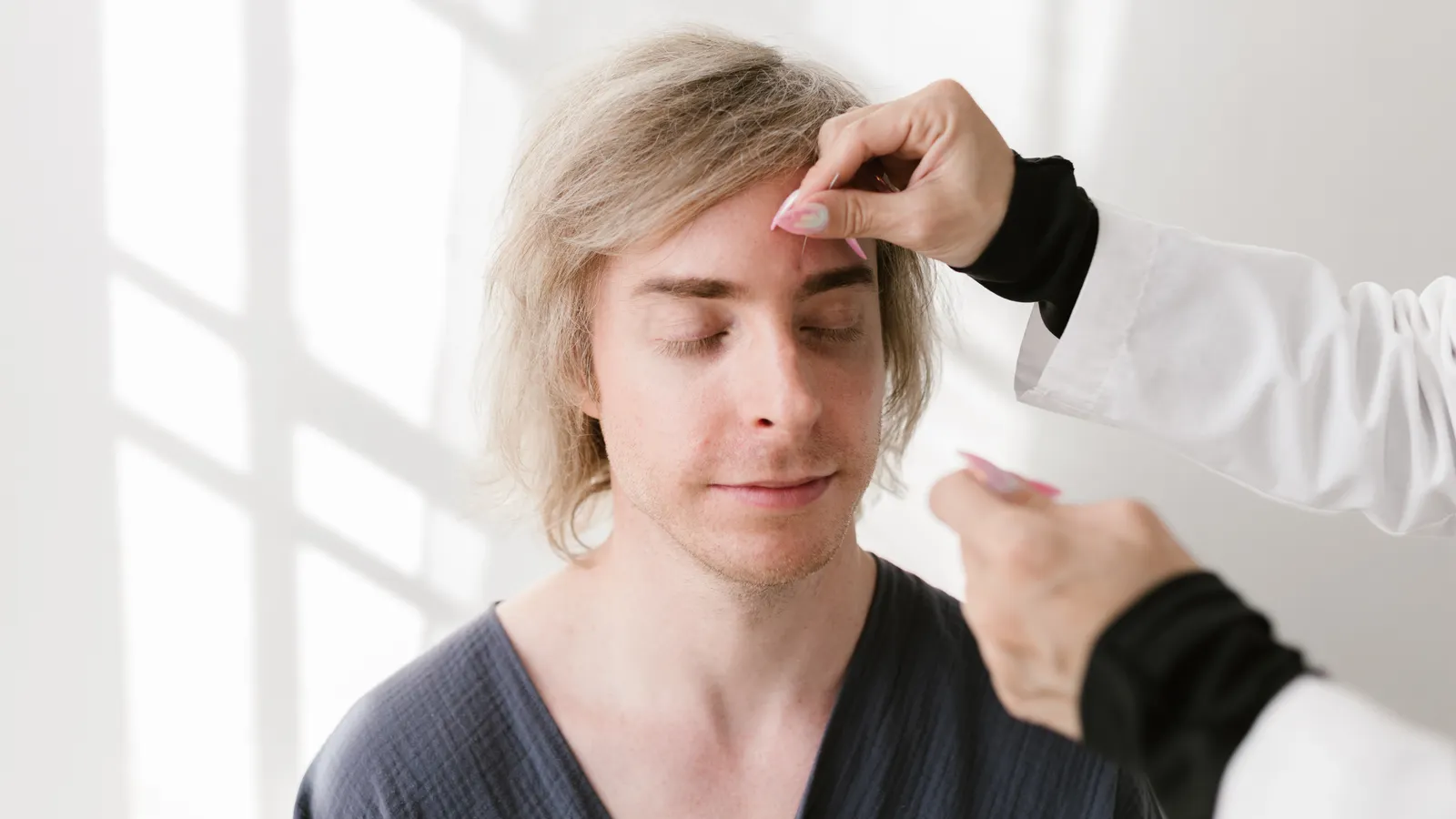
A typical visit starts the same way any Traditional Chinese Medicine visit does: with a full diagnosis. I ask a lot of questions about sleep, stress, digestion, and general health, then look at the tongue and take the pulse before placing a single needle. This matters even for a cosmetic concern, because puffiness connected to poor sleep calls for a different formula and point selection than puffiness connected to digestive weakness. Fine needles are then placed around the eyes, along the cheeks, and often at points on the arms, legs, or abdomen, depending on the pattern identified. Many practitioners also use gentle facial techniques, such as the Meizen protocol, alongside the needling to support the surrounding tissue. For a broader look at how facial needling fits into cosmetic care, see Acupuncture Cosmetic Treatments: What to Know Before You Book.
What the Research Says
Book a time
Pick a time that suits you.
Book a time- Phone: (647) 346-2780
- Email: jasontcm@traditionalhealingcentre.com
- Address: 213 Queensway S. Unit 400, Keswick, Ontario, L4P2A7
Related articles
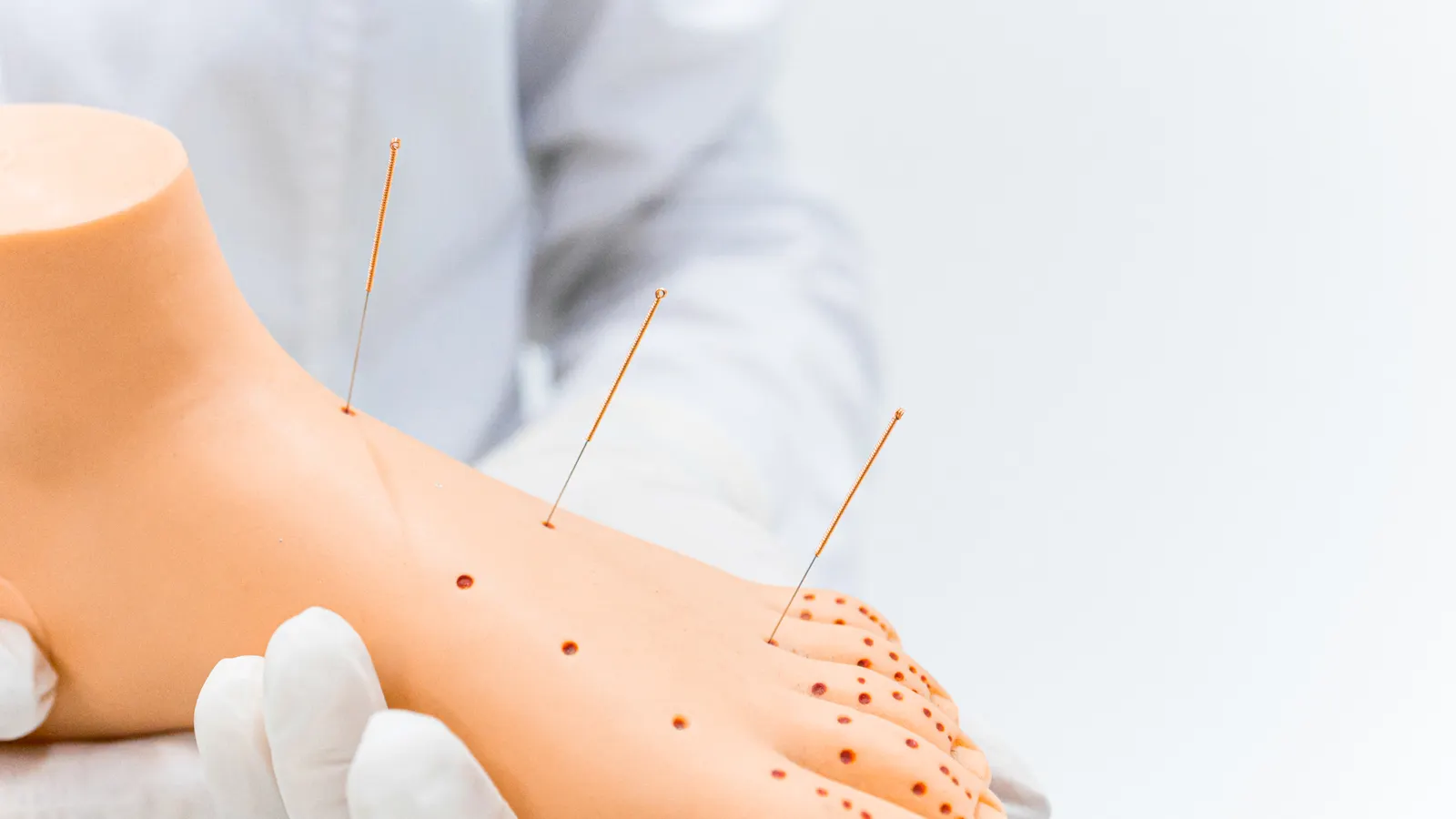
Acupuncture's effects on circulation and tissue are an active area of study, and the mechanisms are still being worked out. For a general explanation of how needling is thought to influence the body, see What Does Acupuncture Actually Do to Your Body? Patients considering facial acupuncture for eye bags should treat it as a gradual, supportive approach rather than a quick fix, and should keep working with their doctor on any underlying sleep or health issues contributing to the puffiness.
How Many Treatments You Might Need
Cosmetic acupuncture is not a one-visit process. Plan on five to ten treatments before judging whether the approach is making a visible difference around your eyes. Because every patient's pattern is different, the pace and number of visits will vary, and a practitioner should be able to explain, after your first diagnosis, roughly what course of treatment makes sense for you.
Finding the Right Practitioner
Why a Full Diagnosis Matters
When you're choosing where to go for facial acupuncture for eye bags, look for a clinic that builds your treatment plan from your own diagnosis rather than applying the same protocol to every patient. At Traditional Healing Centre in Keswick, Ontario, every treatment plan starts from your own Traditional Chinese Medicine diagnosis, never an off-the-shelf protocol. Jason Tarter, R.TCMP, R.Ac, has been in practice for 18 years, is registered with the College of Traditional Chinese Medicine Practitioners and Acupuncturists of Ontario, and has trained in the Meizen facial protocol specifically for cosmetic acupuncture work. He also combines needling with custom herbal formulas written for the individual patient, filled through his own dispensary, so any internal pattern contributing to puffiness can be addressed alongside the facial work. Receipts are issued by a Registered Acupuncturist and Registered Traditional Chinese Medicine Practitioner, and many extended health plans cover acupuncture and Chinese medicine services, though OHIP does not. If you have questions about coverage or what a first visit involves, you can get in touch directly.
Ready to book, or have a question?
Book with Traditional Healing CentreIn this series
- How Often Should You Have Facial Acupuncture?
- Facial Acupuncture at Home: What's Safe, What's Not
- Facial Acupuncture Cost: What Factors Affect the Price
- Acupuncture Facial Lift: What It Is and How It Works
- Facial Acupuncture Needles: What They Are and How They Work
- Facial Acupuncture for Eye Bags: What to Expect