
Cupping Method Acupuncture: What It Is and How It Works
In short
Cupping method acupuncture refers to the practice of combining cupping therapy with acupuncture needling within the same Traditional Chinese Medicine treatment. Cups create suction on the skin to move Qi and Blood stagnation, while needles target specific points identified through a TCM diagnosis. Together, they are often used for chronic pain, muscle tension, and stress-related complaints.
Many people searching for this term want to know whether cupping and acupuncture are really the same treatment or two separate therapies that happen to be used together. The short answer is the latter, and understanding how they work as a pair helps explain why a practitioner might recommend one, the other, or both depending on your pattern.
In this article
What Is Cupping Method Acupuncture?
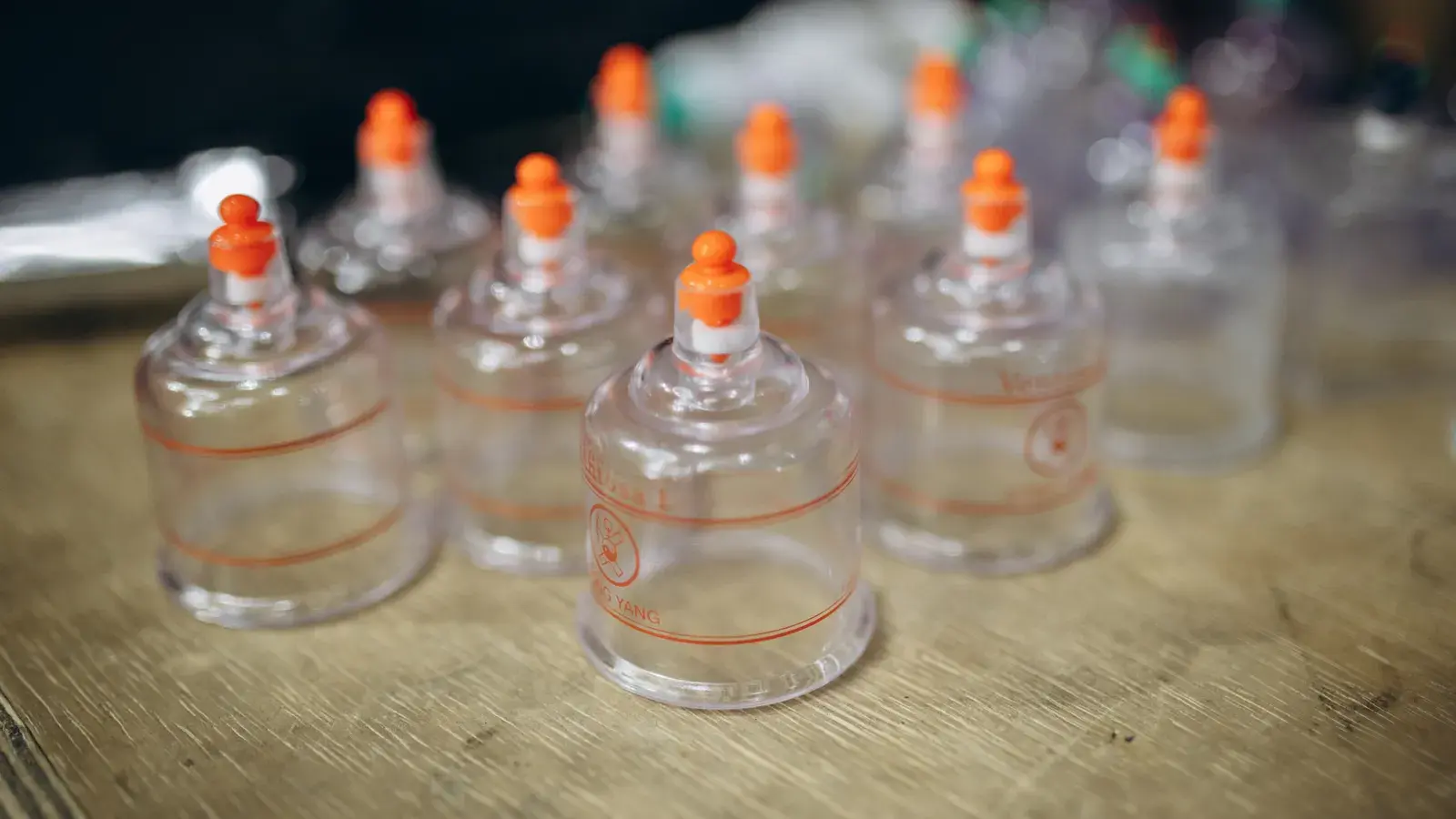
Cupping method acupuncture is not a single standardized technique but a descriptive term for sessions where cupping and needling are both part of the treatment plan. Cupping involves placing glass, silicone, or bamboo cups on the skin and creating suction, either with heat (fire cupping) or a hand pump. Acupuncture, by contrast, uses fine needles inserted at specific points along the body’s meridians. When used together, the goal is usually to address both the surface tension in muscles and the deeper energetic pattern a practitioner has identified.
How Cupping Fits Into a Traditional Chinese Medicine Diagnosis
In Traditional Chinese Medicine, symptoms are read through a full diagnosis rather than treated in isolation. I ask a lot of questions about pain, sleep, digestion, and general health, then look at the tongue and take the pulse before deciding whether cupping, needling, or a combination fits the pattern. Cupping is typically chosen when there is Qi and Blood stagnation close to the surface, such as tight muscles along the back or shoulders, while needling may reach points that influence organ systems or nerve pathways more directly. For a closer look at how cups interact with the skin and tissue, see Fire Cupping: What It Is, Does It Hurt, and the Marks It Leaves.
How the Cupping Method Works
Fire Cupping vs. Other Cupping Techniques
Fire cupping, one of the more traditional forms, uses a brief flame inside the cup to remove oxygen and create suction before it is placed on the skin. Other methods use a mechanical pump instead of fire, though the suction effect on the tissue is similar. The suction draws the skin and superficial muscle layer upward into the cup, which is thought to encourage blood flow and loosen areas of tension.
What Happens During a Session
Book a time
Pick a time that suits you.
Book a time- Phone: (647) 346-2780
- Email: jasontcm@traditionalhealingcentre.com
- Address: 213 Queensway S. Unit 400, Keswick, Ontario, L4P2A7
Related articles
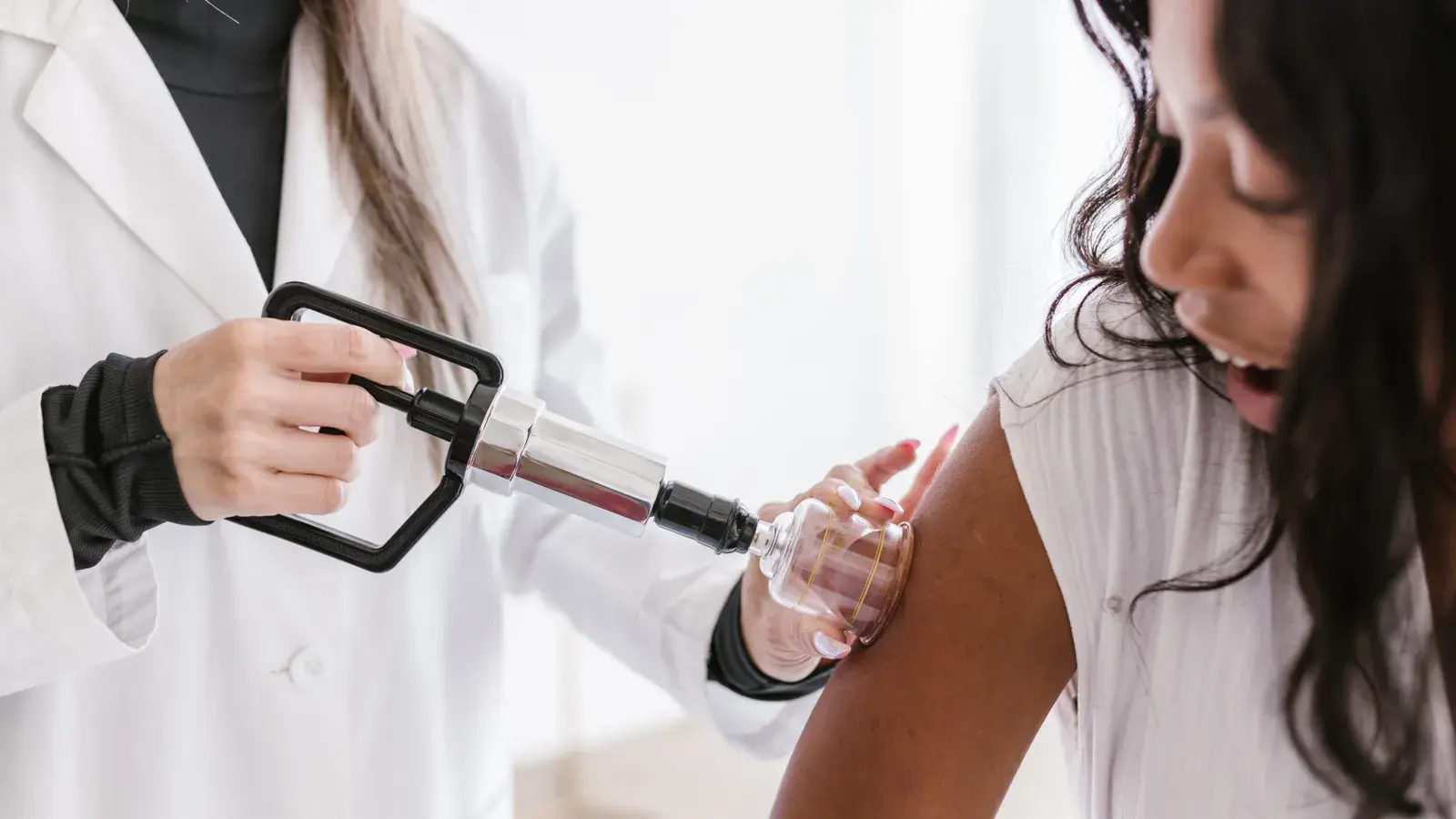
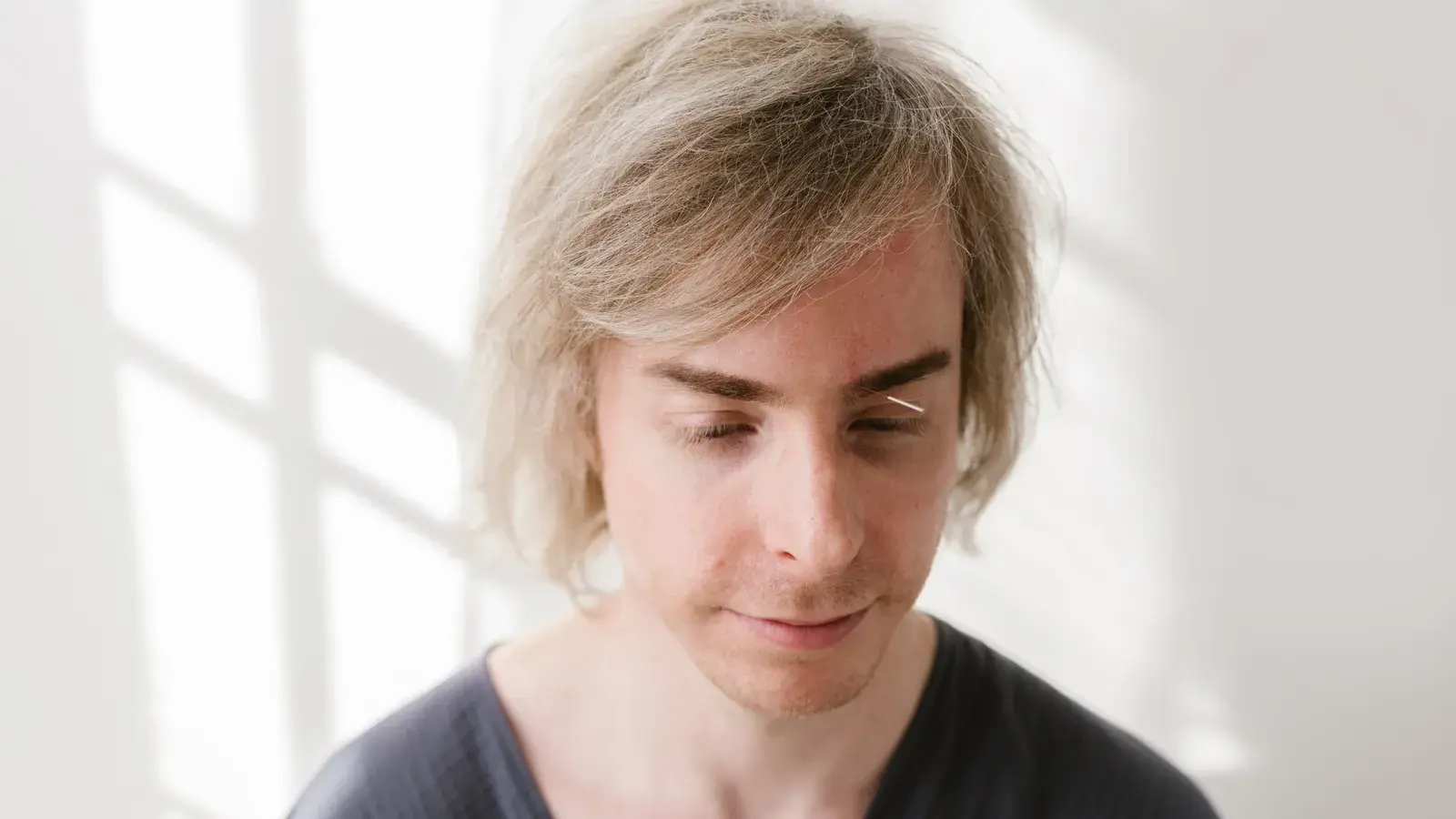
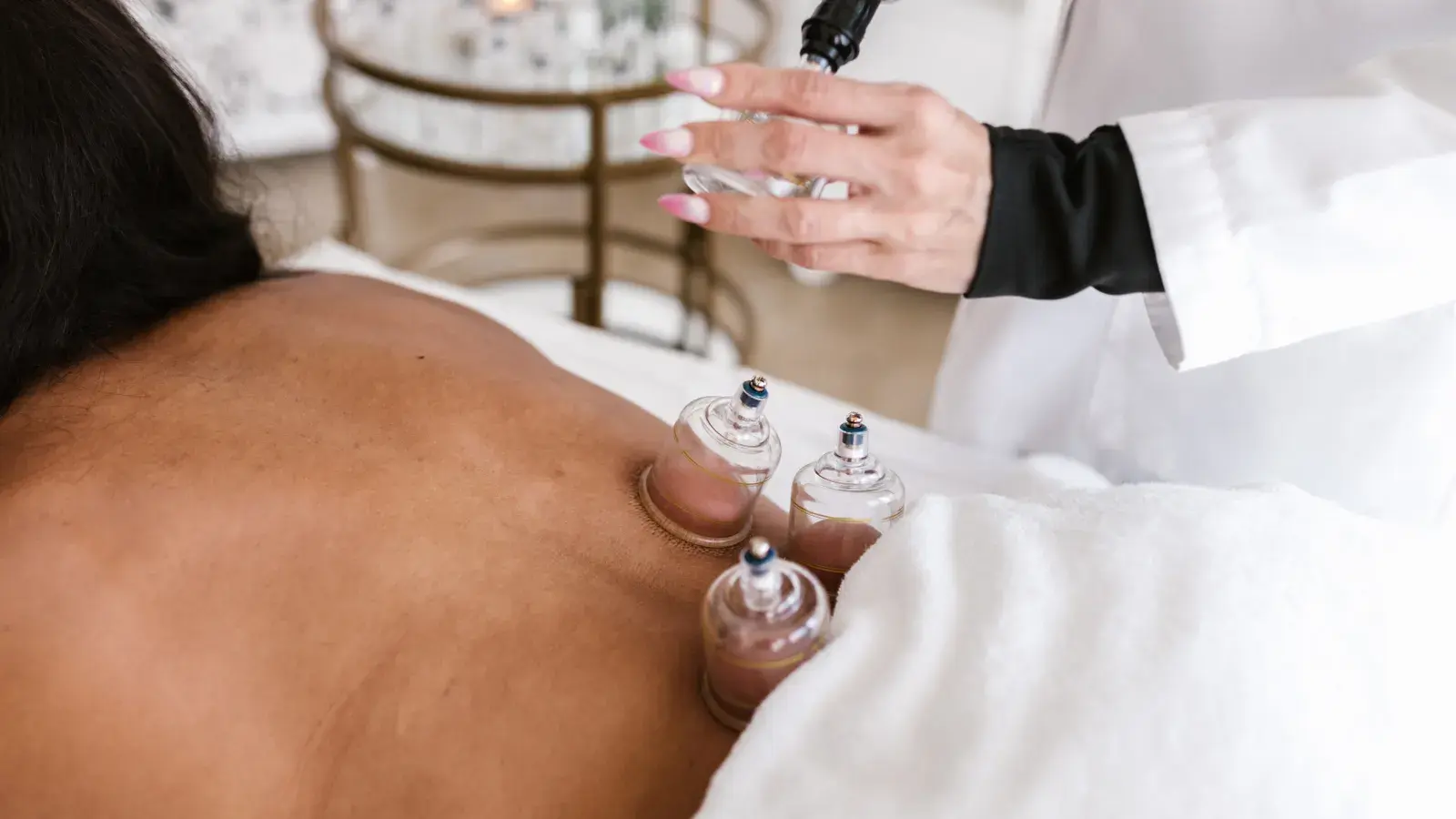
A typical session begins the same way as any acupuncture visit: with the diagnostic conversation, tongue, and pulse reading described above. From there, cups may be applied to specific areas, often along the back, shoulders, or legs, and left in place for several minutes, sometimes with gentle movement across the skin. Needles may be inserted before or after the cupping, depending on the pattern being addressed. The combination is frequently used for neck and shoulder tension; more detail on that specific application is available at Cupping for Neck Pain.
What Cupping Method Acupuncture May Help With
Chronic Pain and Muscle Tension
This combined approach is often considered for chronic pain conditions such as back pain, sciatica, and knee pain, where both deep needling and surface-level muscle release may play a role. To understand what acupuncture itself is thought to do physiologically, see What Does Acupuncture Actually Do to Your Body?
Stress, Sleep, and Digestive Concerns
Beyond musculoskeletal complaints, cupping and acupuncture together are sometimes used for stress, sleep disturbances, and digestive or menstrual concerns, since these are also read through the lens of Qi and Blood movement in Traditional Chinese Medicine rather than treated as isolated symptoms.
What to Expect After a Treatment
The Marks Cupping Leaves
Cupping commonly leaves temporary circular marks on the skin, ranging from light pink to a deeper purple, depending on the degree of stagnation in that area. These marks typically fade over several days and are a normal, expected part of the treatment rather than a sign of injury.
Finding Qualified Care
Why a Full Diagnosis Matters at Traditional Healing Centre
At Traditional Healing Centre in Keswick, every treatment plan starts from the patient’s own Traditional Chinese Medicine diagnosis, never an off-the-shelf protocol. Jason Tarter, R.TCMP, R.Ac, has been in practice for 18 years and is registered with the College of Traditional Chinese Medicine Practitioners and Acupuncturists of Ontario (CTCMPAO). Services offered include acupuncture, Chinese herbal medicine, Chinese cupping, moxibustion, Tuina massage, and cosmetic acupuncture using the Meizen facial protocol. Most patients plan on 5 to 10 treatments to judge progress, and many extended health plans cover acupuncture and Chinese medicine services, with receipts issued by a Registered Acupuncturist and Registered Traditional Chinese Medicine Practitioner.