
Conditions · Digestion
Acupuncture for Gastritis
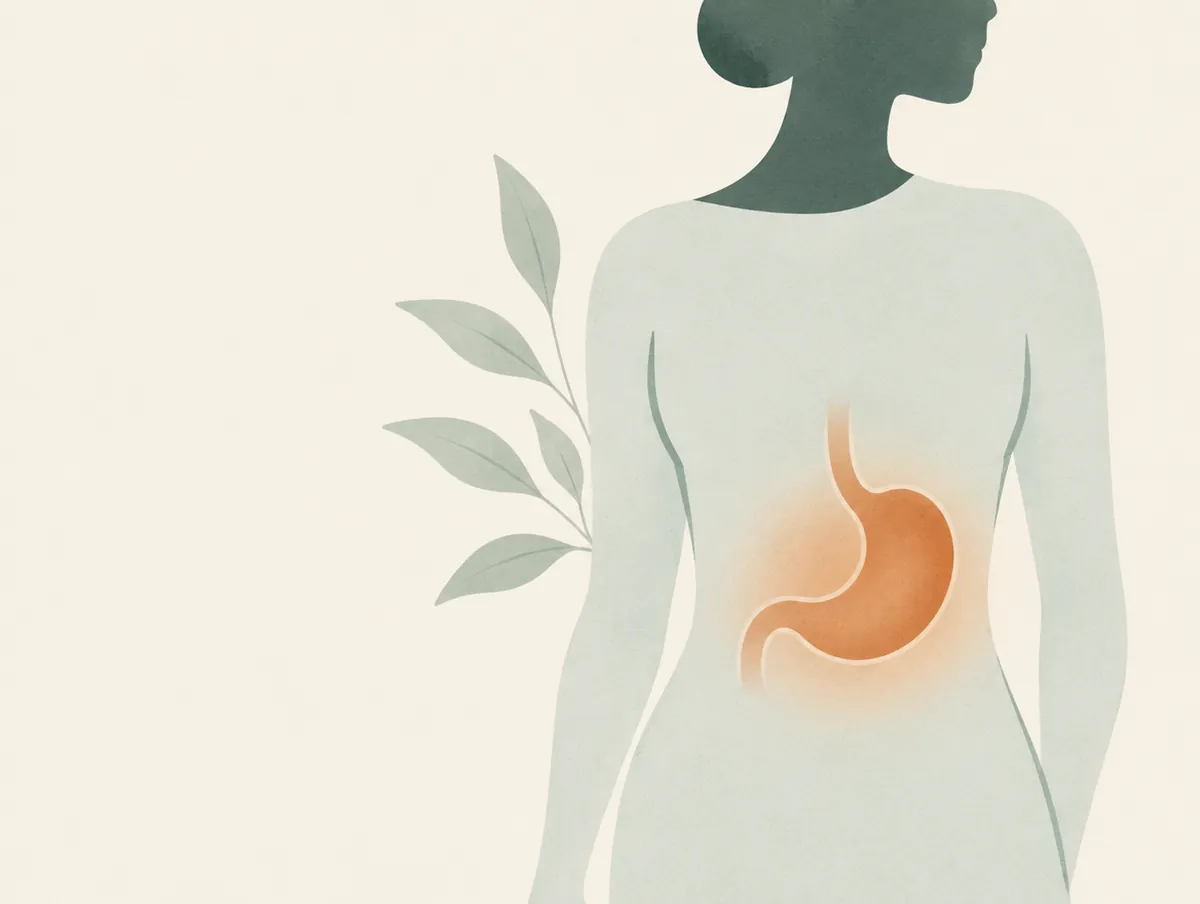
Gastritis is inflammation of the stomach lining, which can cause a gnawing or burning ache, nausea and a poor appetite. Once your doctor has found and treated the cause, Chinese medicine can support the stomach while it settles.
Common symptoms
- A gnawing, burning or aching pain in the upper belly
- Pain that changes with eating, better or worse
- Nausea, and sometimes vomiting
- Feeling full after eating only a little
- A poor appetite
- Belching or hiccups
Common causes
- H. pylori infection of the stomach
- Regular use of anti-inflammatory painkillers such as ibuprofen, naproxen or aspirin
- Heavy alcohol use and smoking
- Major illness or physical stress
- Autoimmune gastritis, where the immune system attacks the stomach lining
How Chinese medicine understands gastritis
Chinese medicine has no word for gastritis. It describes “stomach pain” and “epigastric fullness”, and looks at what kind of pain it is and what goes with it. That gives a pattern, and the pattern guides treatment.
The common patterns are:
- Stomach heat. Burning pain, thirst for cold drinks, bad breath, sour taste and a red tongue. Often linked with alcohol, spicy food and stress.
- Liver Qi invading the Stomach. Pain and fullness that come with stress or anger, belching, and discomfort spreading under the ribs.
- Damp-Heat. A heavy, full, burning feeling with nausea and a sticky or bitter taste, often after greasy food.
- Stomach Yin deficiency. A dull, burning ache, a dry mouth, hunger without appetite, and a red tongue with little coating. Often seen in long-standing gastritis.
- Spleen and Stomach deficiency with cold. A dull ache that is better with warmth, food and pressure, with tiredness and cold hands.
Cooling a hot stomach and warming a cold one are opposite treatments. That is why the pattern matters more than the name.
What treatment involves
Gastritis needs a medical diagnosis first, and some causes, such as H. pylori, need medicines. Treatment here runs alongside that care.
Your first visit includes a lot of questions: where and when the pain comes, how it changes with food, your diet, alcohol and medicines, your stress and sleep. I also look at your tongue and take your pulse.
Acupuncture commonly uses points on the upper belly, forearms, lower legs and back, chosen for your pattern. The aim is to ease pain and nausea, help the stomach settle, and calm the stress that can make it worse. For a cold, weak pattern, moxibustion can warm the upper belly.
Chinese herbal medicine is often used for stomach problems. You take a formula written for your pattern between visits, dispensed at the clinic and adjusted as you improve. Tell your doctor or pharmacist about it if you are taking antibiotics or acid reducers.
The clinic is in Keswick. Research on acupuncture for gastritis is still developing. Plan on 5–10 treatments to judge progress.
Between visits
- Talk to your doctor about anti-inflammatory painkillers. They are a common cause of gastritis. Ask what is safer for you, and do not stop a prescribed medicine without advice.
- Cut back on alcohol, or stop while the stomach settles.
- Eat small, regular, warm meals, and do not skip meals if hunger makes the pain worse.
- If you smoke, get support to quit.
- Finish any course of treatment your doctor prescribes for H. pylori, and go back for the follow-up test.
When to see your doctor first
Stomach pain that is new, or lasts more than a couple of weeks, should be assessed by your doctor. Get help promptly if you have:
- Vomiting blood, or material that looks like coffee grounds. Go to the emergency department.
- Black, tarry stools.
- Sudden, severe belly pain, or pain that goes through to the back.
- Trouble swallowing, or weight loss you cannot explain.
- Vomiting that keeps coming back.
- Signs of anaemia, such as unusual tiredness, paleness or shortness of breath.
- Symptoms that start after age 55, or a family history of stomach cancer.
Upper belly pain can come from the heart. If you have pain or pressure with shortness of breath, sweating, or pain spreading to the arm or jaw, call 911.
Questions about gastritis
How is gastritis different from acid reflux?
Gastritis is inflammation of the stomach lining itself, so the ache is in the upper belly. Reflux is acid rising into the esophagus, so the burning is behind the breastbone and in the throat. You can have both. Gastritis is usually confirmed by your doctor, sometimes with a scope or an H. pylori test.
My doctor found H. pylori. Should I take the antibiotics?
Yes. H. pylori is treated with a course of antibiotics and acid-reducing medicine, and finishing the course is important. Chinese medicine can support you during and after that treatment, but it does not replace it.
What should I eat while my stomach heals?
Small, warm, simple meals are usually easiest: soups, rice, oats and cooked vegetables. Alcohol, coffee, very spicy food and large meals tend to irritate an inflamed stomach. Your pattern may shift the advice a little.