
Conditions · Skin
Acupuncture for Hives (Urticaria)
Hives are raised, itchy welts that come and go on the skin. When they keep returning for more than six weeks, they are called chronic hives. Chinese medicine treats the itch and the pattern behind the flares.
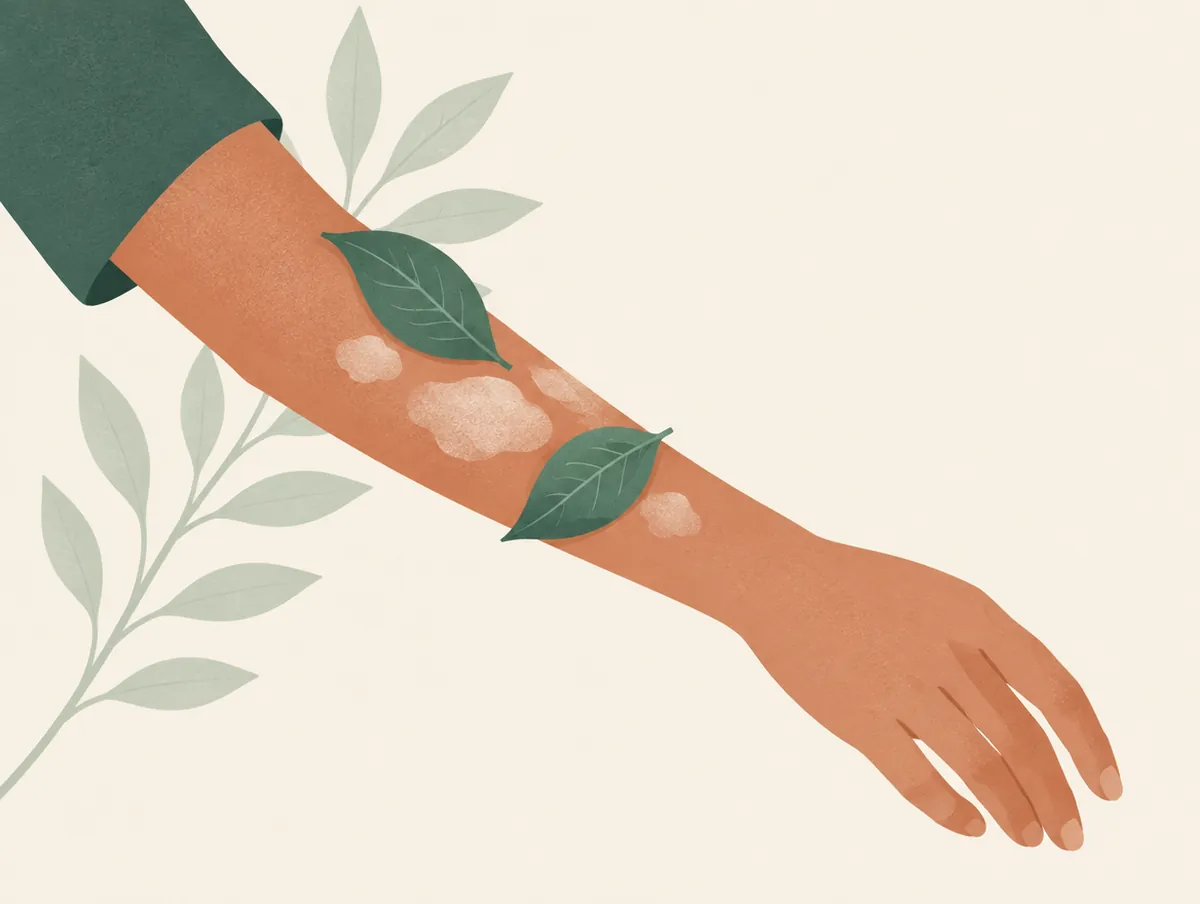
Common symptoms
- Raised, itchy welts, pale or red, that can join into larger patches
- Welts that fade within a day and appear somewhere else
- Itching that is often worse in the evening or at night
- Swelling of the lips, eyelids or hands (angioedema)
- Flares set off by heat, cold, pressure, scratching, stress or exercise
Common causes
- For chronic hives, most often no single trigger is found
- An immune reaction in which the body reacts against its own mast cells
- Allergic reactions to foods, medicines or insect stings, usually in short-term hives
- Viral infections
- Physical triggers such as cold, heat, pressure, sun or sweating
How Chinese medicine understands hives
In Chinese medicine, hives are a classic sign of Wind in the skin. Wind moves and changes quickly, just as hives appear, fade and pop up somewhere else within hours. The Chinese name, Yin Zhen, means “hidden rash”, because the welts come and go.
What drives the Wind decides the treatment. The common patterns are:
- Wind-heat. Red, hot welts that itch intensely and are worse with heat, a hot shower or exercise.
- Wind-cold. Pale welts that come on in cold wind or cold water and feel better with warmth.
- Heat in the Stomach and Intestines. Hives that flare after rich, spicy or greasy food or alcohol, sometimes with bloating, constipation or loose stools.
- Blood deficiency with Wind. Long-standing hives that are worse at night or when you are tired, with dry skin and a pale face, common in chronic cases and after childbirth.
- Liver Qi stagnation. Flares clearly linked to stress, frustration or the menstrual cycle.
Short-term flares are mostly treated by clearing Wind and Heat. Long-standing hives usually also need the Blood and digestion supported.
What treatment involves
The first visit includes a lot of questions: when the hives started, what sets them off, the time of day they are worst, food, stress, sleep, your cycle and any medicines. I also look at your tongue and take your pulse. Photos of a flare on your phone are useful, since the welts may be gone by the time you arrive.
Acupuncture points are commonly chosen on the arms, legs and back, with others chosen for your pattern. The aim is to calm the itch and reduce how often and how strongly flares come. Treatment avoids needling directly into active welts.
Chinese herbal medicine is often part of treatment for chronic hives, because it works every day between visits. I write a formula for your pattern and dispense it at the clinic, and it changes as the flares change. Cupping on the upper back is a traditional treatment for Heat and Wind in the skin, but it is not used where there is dermatographism (welts from pressure or scratching).
The clinic is in Keswick. Plan on 5–10 treatments to judge progress.
Between visits
- Keep a flare diary. Note food, medicines, stress, heat, cold and pressure. It helps you and your doctor spot triggers.
- Keep cool. Take lukewarm rather than hot showers, and wear loose, soft clothing.
- Avoid scratching. A cool compress eases the itch without making the welts spread.
- Ask your doctor about painkillers. Anti-inflammatory painkillers such as ibuprofen and ASA can make hives worse in some people.
- Go easy on alcohol, which can set off flares.
When to see your doctor first
Call 911 or use your epinephrine auto-injector if hives come with:
- Swelling of the tongue, throat or lips, or trouble swallowing or breathing.
- Wheezing, dizziness, fainting, or vomiting.
See your doctor soon if:
- Hives last more than six weeks, or keep coming back. Your doctor or an allergist can look for causes and adjust treatment.
- Individual welts last more than 24 hours, leave bruising, or burn more than they itch.
- Hives come with fever, joint pain, weight loss or unusual tiredness.
- Hives started after a new medicine.
What the research says
Pooling six randomized trials with 615 people with chronic spontaneous hives, four weeks of manual acupuncture reduced hive activity and improved quality of life, sleep and mood compared with sham or no acupuncture. It caused more minor bruising at the needle sites, and the authors describe it as a potential complementary therapy.
Manual acupuncture for the treatment of chronic spontaneous urticaria: a systematic review and meta-analysis. International Journal of Surgery, 2025.
Research findings describe groups of people in studies. How you respond depends on your own diagnosis.
Questions about hives (urticaria)
How are hives different from eczema?
Hives are raised welts that come and go within hours, often moving around the body. Eczema is dry, rough, inflamed skin that stays in the same places for days or weeks and can crack or weep. In Chinese medicine both involve Wind and Heat in the skin, but the patterns and treatment differ.
Should I keep taking my antihistamines?
Yes. Keep taking what your doctor or allergist has prescribed or recommended. Acupuncture runs alongside it. Any change to your medicine is a decision for your doctor, and tell your pharmacist if you start Chinese herbs.
Why do you ask about stress and my digestion for a skin problem?
In Chinese medicine, hives are often linked to Heat or Damp building up inside, which can come from digestion, and to stress affecting the Liver. Knowing what sets off your flares, and what else is going on in your body, helps decide which pattern you have.