
Chinese Cupping Therapy at Home: What to Know First
In short
Chinese cupping therapy at home is possible with a basic suction-cup kit, and many people use it for mild muscle tightness. However, home kits cannot match the diagnostic work, cup placement, and suction control that a trained Traditional Chinese Medicine practitioner provides, and improper use can cause bruising, broken skin, or worse.
I get asked often whether a home cupping kit is a reasonable substitute for a visit with a practitioner. Chinese cupping therapy at home has become more visible over the past several years, partly because plastic suction kits are inexpensive and widely sold online. Before you try one on your own back or shoulders, it helps to understand what cupping actually does, where the practice runs into trouble without guidance, and when it makes more sense to see someone trained in it.
In this article
What Chinese Cupping Involves
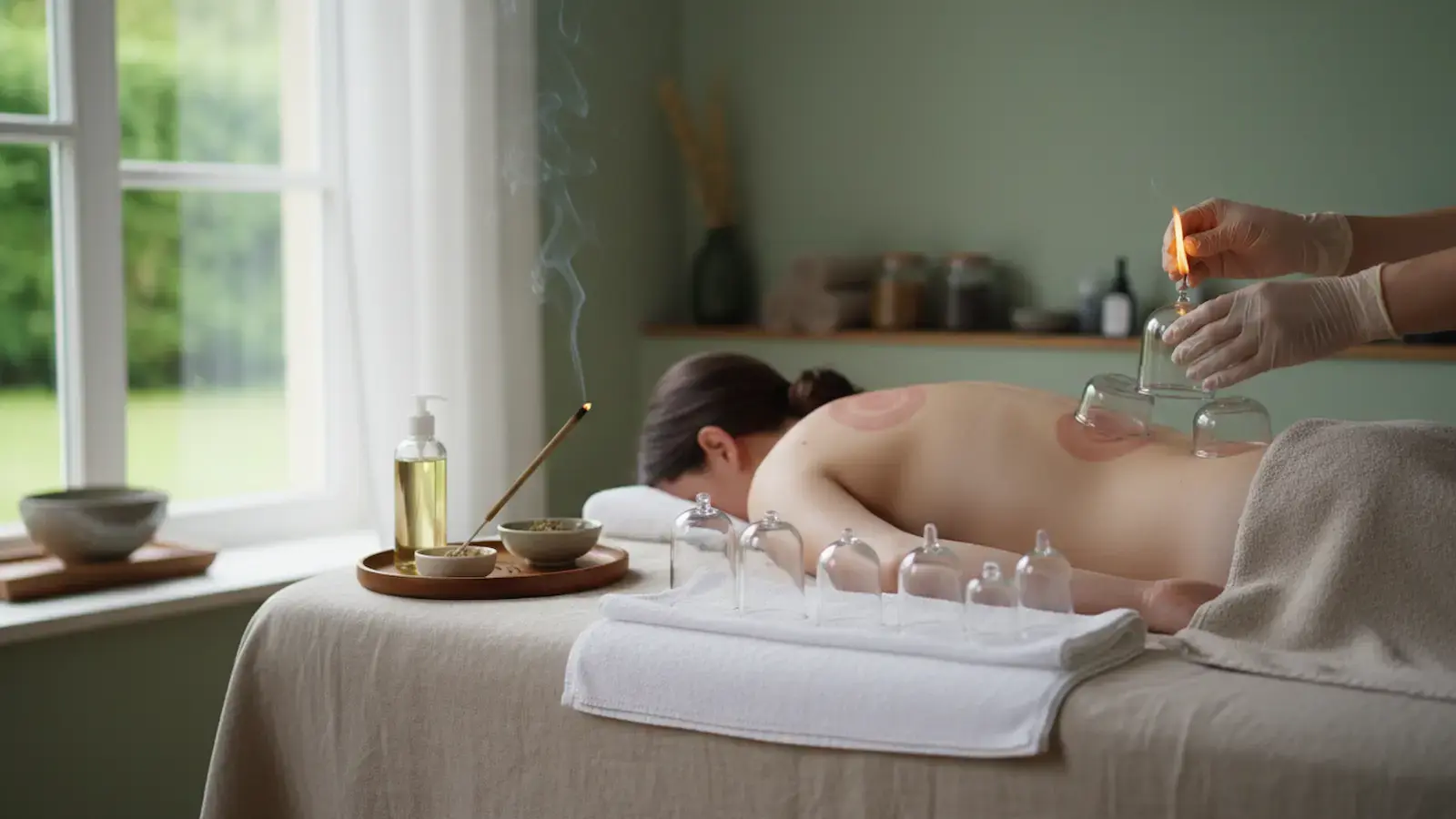
Cupping is a technique that uses glass, bamboo, or plastic cups to create suction on the skin. In Traditional Chinese Medicine, this suction is used to address Qi and Blood stagnation, draw stagnation toward the surface, and encourage circulation in the muscle tissue underneath. The cups may be left in place for several minutes or moved along the skin in a gliding motion, depending on the pattern being treated and the area of the body involved.
If you want a deeper look at how this is done in a clinical setting, Cupping Therapy Massage: What It Is and How It Works walks through the gliding technique, and Myofascial Cupping Therapy: What It Is and How It Helps explains how cupping interacts with the fascia, the connective tissue layer under the skin.
Can You Do Chinese Cupping Therapy at Home?
What Home Kits Can and Cannot Do
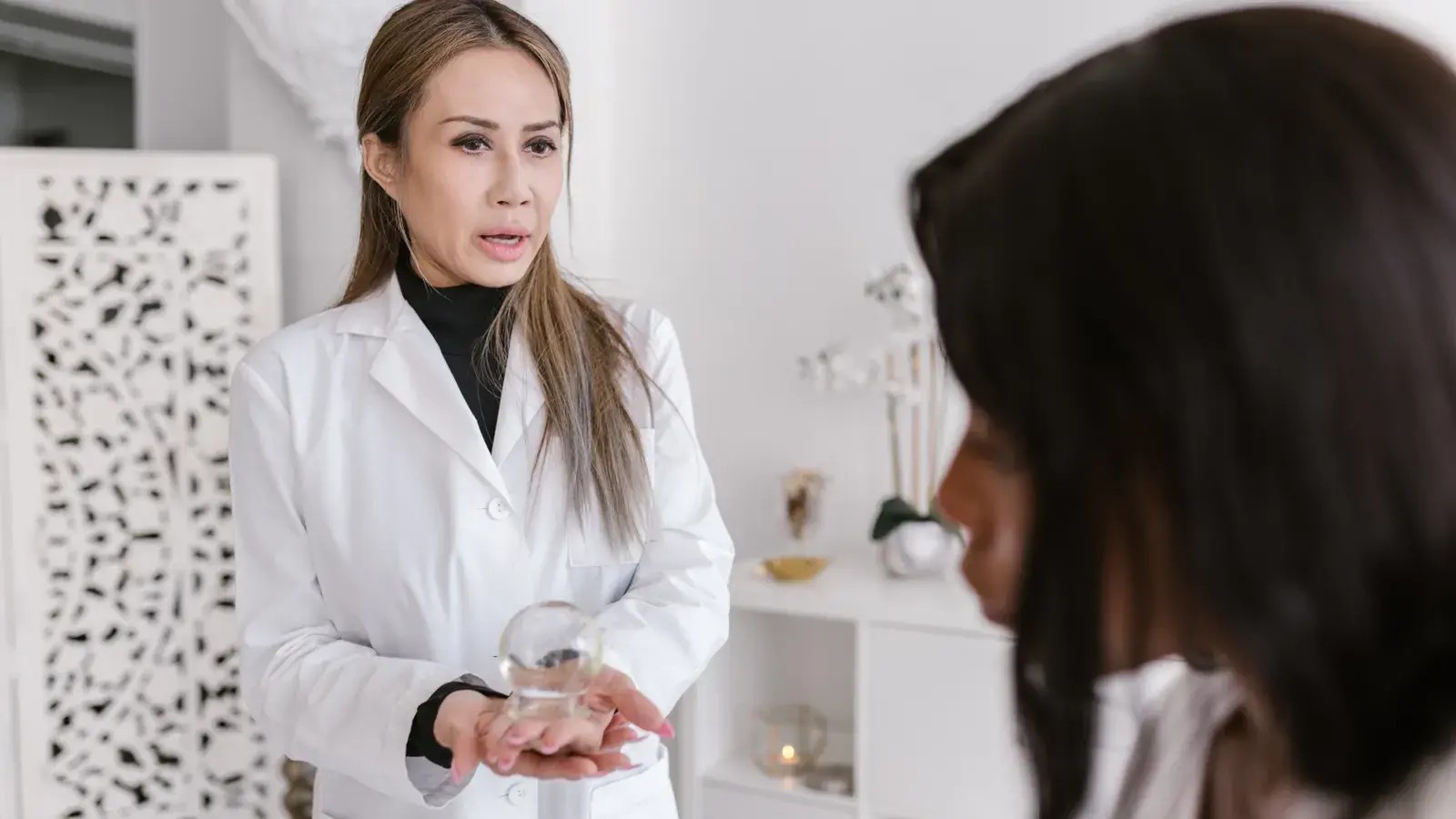
Most home kits use a hand pump or squeeze-ball mechanism to create suction in a plastic cup, which is simpler and safer than the fire method used in a clinic. This makes them approachable for someone who wants to try light suction on a sore shoulder or tight calf muscle. What a kit cannot do is diagnose the pattern behind your discomfort. In a clinic, I ask a lot of questions about your pain and overall health, look at your tongue, and take your pulse before I ever reach for a cup. That diagnosis determines where the cups go, how strong the suction should be, and how long they stay in place. A kit purchased online skips all of that.
Risks of Doing It Yourself
Book a time
Pick a time that suits you.
Book a time- Phone: (647) 346-2780
- Email: jasontcm@traditionalhealingcentre.com
- Address: 213 Queensway S. Unit 400, Keswick, Ontario, L4P2A7
Related articles
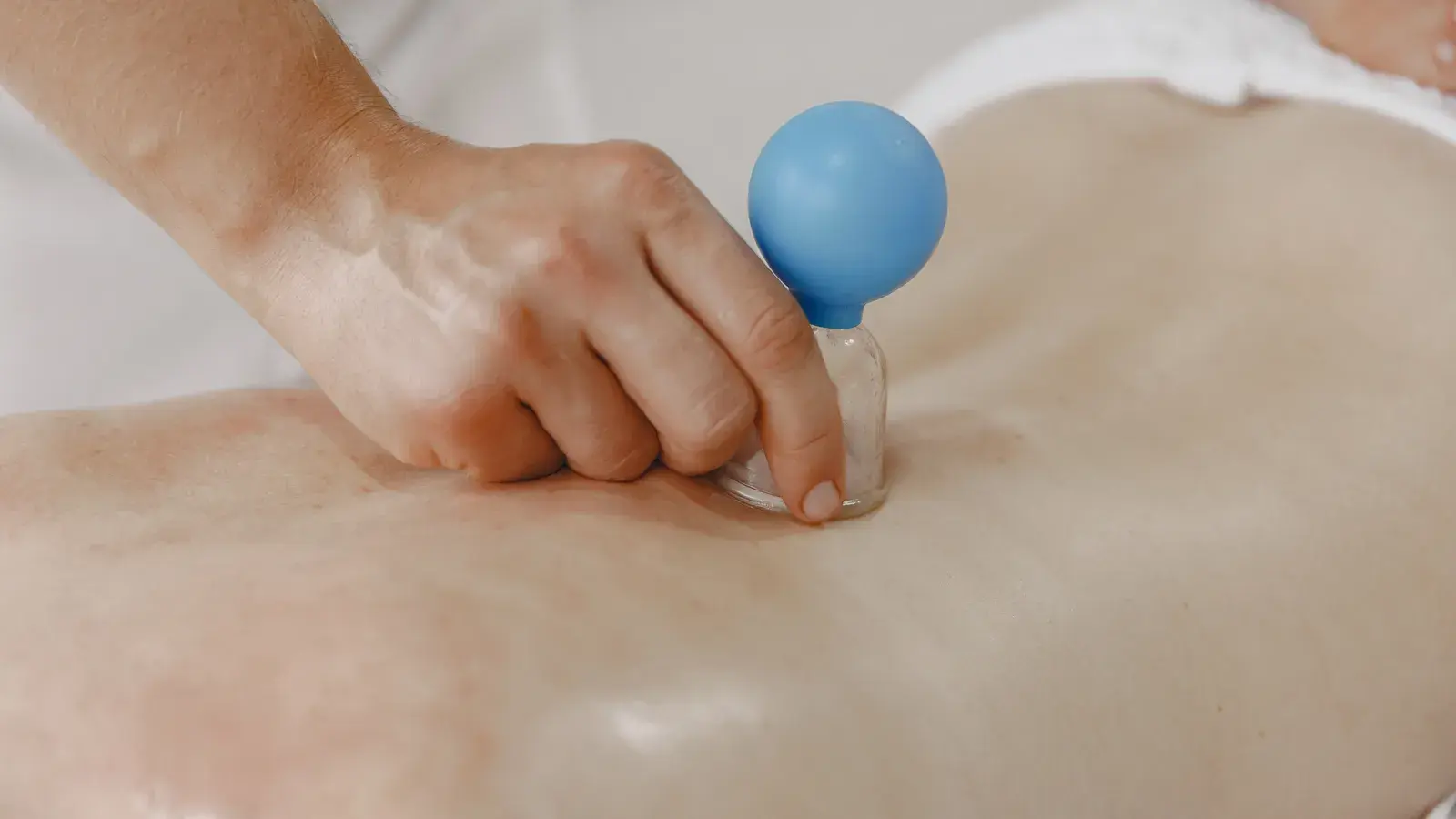
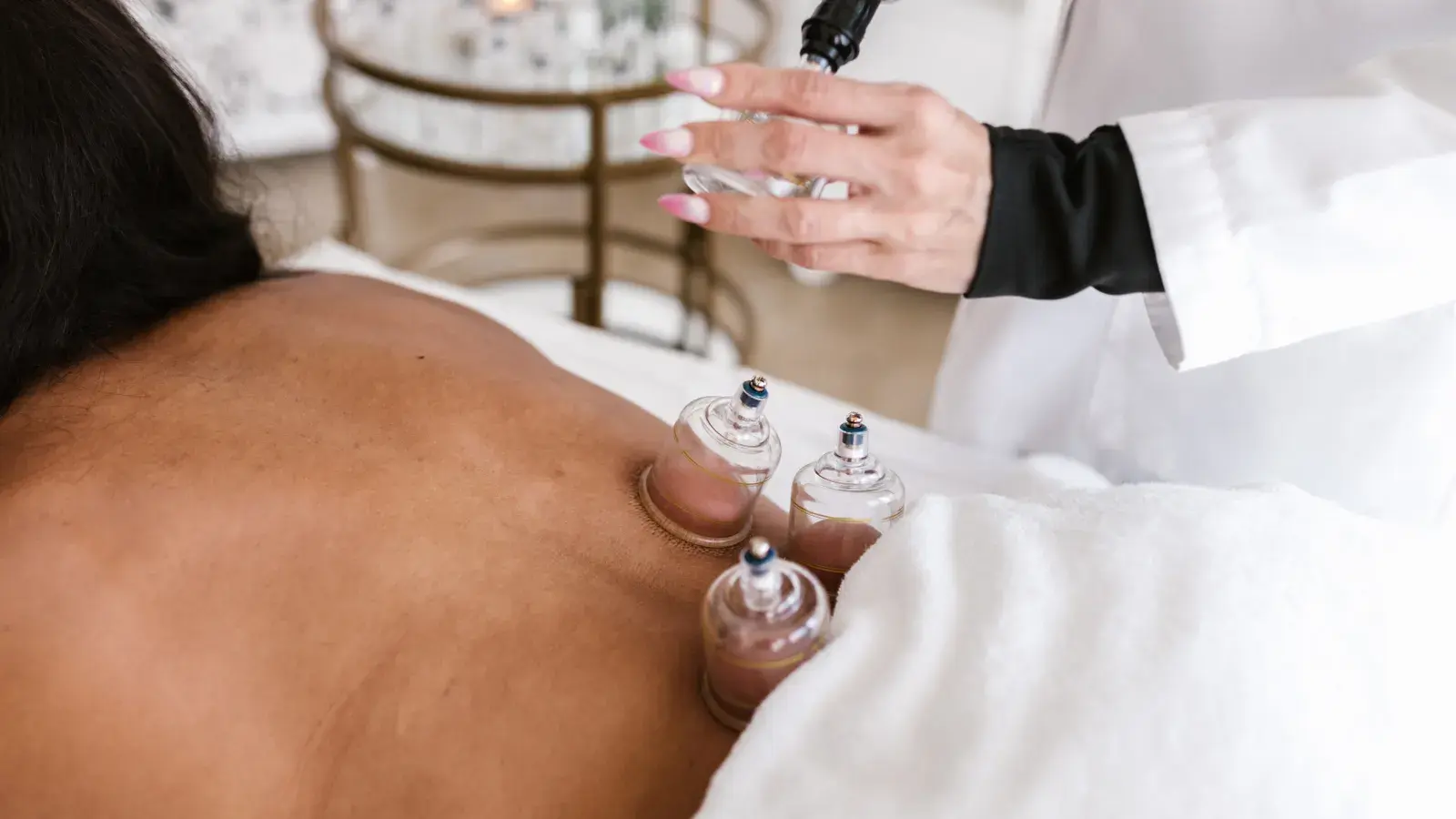
The most common issue with home cupping is suction that is too strong for the area being treated, which leads to deep bruising that lasts longer than it should. People also tend to cup directly over the spine, over varicose veins, or over skin that is already irritated, none of which a trained practitioner would do. Fire cupping, which some kits attempt to replicate with other heat sources, carries a real risk of burns when done without proper training. If you are dealing with a specific issue like neck tightness, it’s worth reading Cupping for Neck Pain to understand how that area is treated carefully, given how close the muscles sit to sensitive structures.
When a Professional Visit Makes More Sense
If your discomfort is tied to a chronic pattern, such as long-standing back pain, sciatica, or recurring headaches, a single home session is unlikely to tell you much. These patterns usually need a course of treatment, and I generally recommend planning on 5 to 10 visits before judging whether the approach is working for you. That kind of plan depends on consistent diagnosis and adjustment over time, which a home kit cannot provide.
How Traditional Healing Centre Approaches Cupping
At Traditional Healing Centre in Keswick, Ontario, I build every treatment plan from your own Traditional Chinese Medicine diagnosis rather than a generic protocol, which includes how and where cupping is applied. I’m registered with the College of Traditional Chinese Medicine Practitioners and Acupuncturists of Ontario (CTCMPAO), and I often combine Chinese cupping with acupuncture, Tuina massage, or a custom herbal formula from the dispensary I run on-site, depending on what your pattern calls for. Receipts are issued by a Registered Acupuncturist (R.Ac) and Registered TCM Practitioner (R.TCMP), and many extended health plans cover these services.
A Safer Way to Try Cupping
Ready to book, or have a question?
Book with Traditional Healing CentreIn this series
- Fire Cupping: What It Is, Does It Hurt, and the Marks It Leaves
- How Often Should You Get Cupping?
- Cupping for Neck Pain
- Chinese Cupping Therapy at Home: What to Know First
- Cupping Therapy: How It Works and Who It Helps
- Cupping Side Effects, Bruises and Dangers: What’s Normal
- Understanding the Cupping Procedure: What to Expect
- Facial Cupping Therapy: What It Is and How It Works