
Understanding the Cupping Procedure: What to Expect
In short
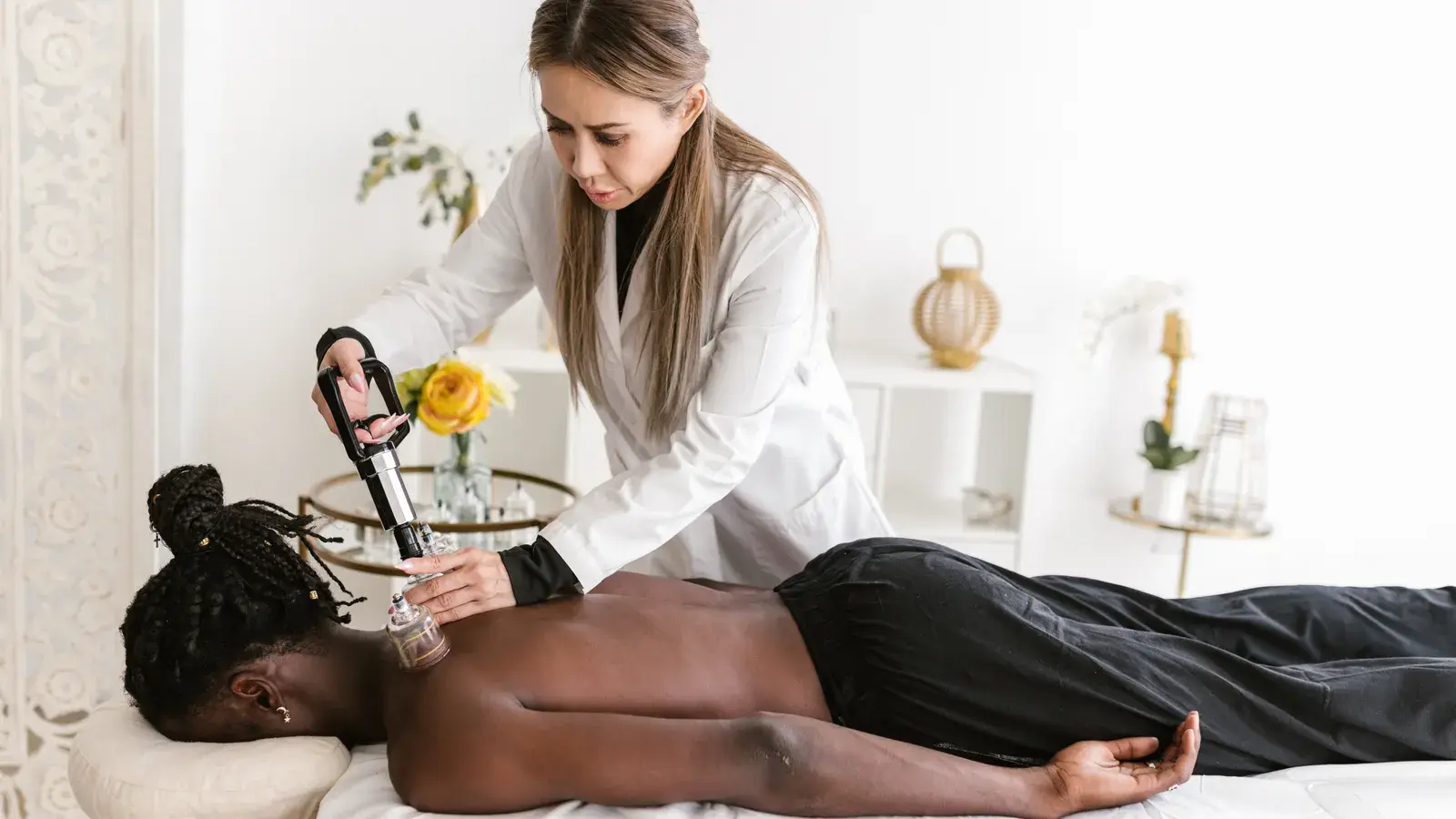
A cupping procedure uses glass, plastic, or silicone cups to create suction on the skin, drawing blood to the surface to ease Qi and Blood stagnation in the muscles below. The practitioner places the cups along the back, shoulders, or wherever the tension sits, leaves them for a few minutes, then removes them and checks the skin. Most sessions take between 10 and 20 minutes and are often paired with acupuncture or Tuina massage.
The cupping procedure has been part of Traditional Chinese Medicine practice for centuries, and it has become one of the more recognizable treatments outside of TCM clinics as well, thanks in part to the circular marks it sometimes leaves behind. Before a visit, most people want to know what actually happens once they lie down and the cups go on, how long the marks last, and whether the treatment is a good fit for their particular pattern of symptoms.
In this article
What Happens During a Cupping Procedure
Before the Cups Go On
Every visit starts with questions about your health history and a look at the area causing trouble. A practitioner will often check your tongue and pulse as part of a full Traditional Chinese Medicine diagnosis before deciding where cupping fits into your treatment plan. Oil may be applied to the skin so the cups glide smoothly, especially if moving cupping is planned.
How Long Cups Stay in Place
Cups typically stay in place for 5 to 15 minutes, depending on your skin’s response and the pattern being addressed. The practitioner checks the skin periodically and removes the cups once the desired response appears. The sensation is usually described as a firm pulling or tightness rather than pain.
Types of Cupping Procedures
Fixed Cupping
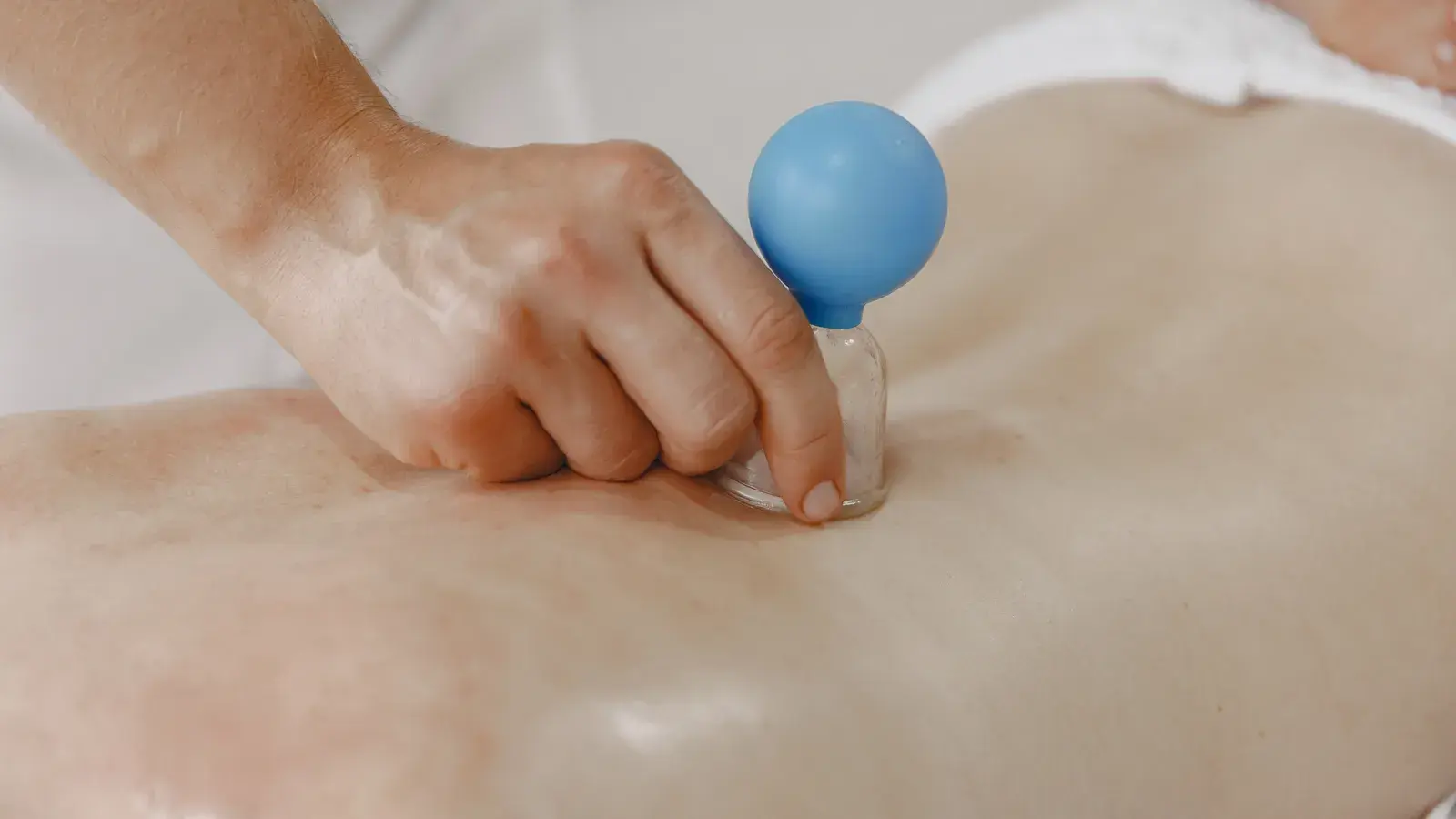
In fixed cupping, cups are placed on specific points and left still for the duration of the treatment. This approach targets localized Qi and Blood stagnation, such as a tight spot in the shoulder or lower back.
Moving Cupping
Book a time
Pick a time that suits you.
Book a time- Phone: (647) 346-2780
- Email: jasontcm@traditionalhealingcentre.com
- Address: 213 Queensway S. Unit 400, Keswick, Ontario, L4P2A7
Related articles
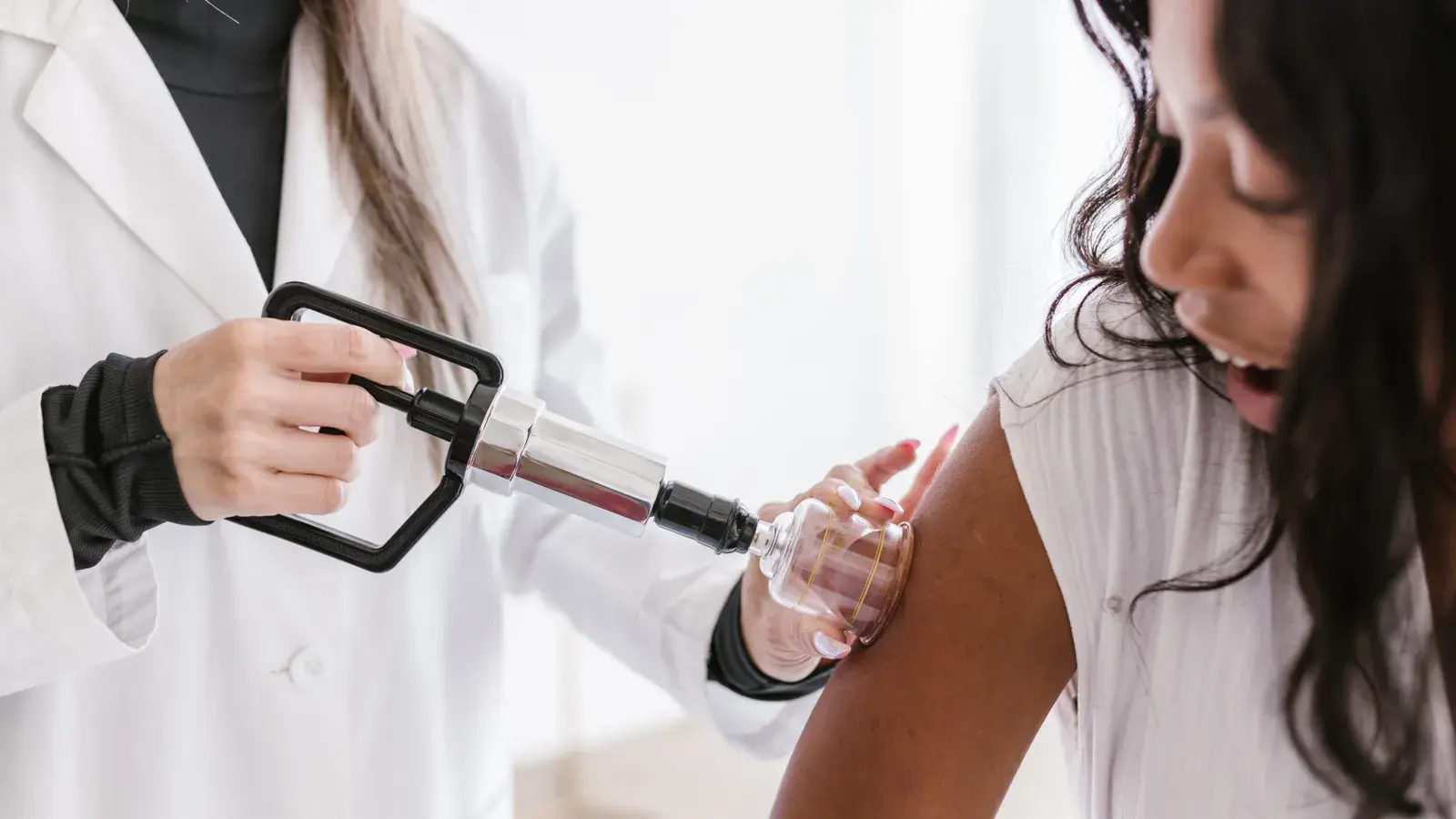
Moving cupping involves sliding oiled cups across a larger area, often the back, to cover more muscle tissue in one session. This method is frequently combined with Tuina massage techniques for a broader release of tension; our guide to Cupping Therapy Massage explains how the two approaches work together.
Needle Cupping
Needle cupping places a cup over an acupuncture needle that is already inserted, combining the two techniques in one area. For more detail on how this pairing works, see our article on Cupping Method Acupuncture.
What the Marks Mean
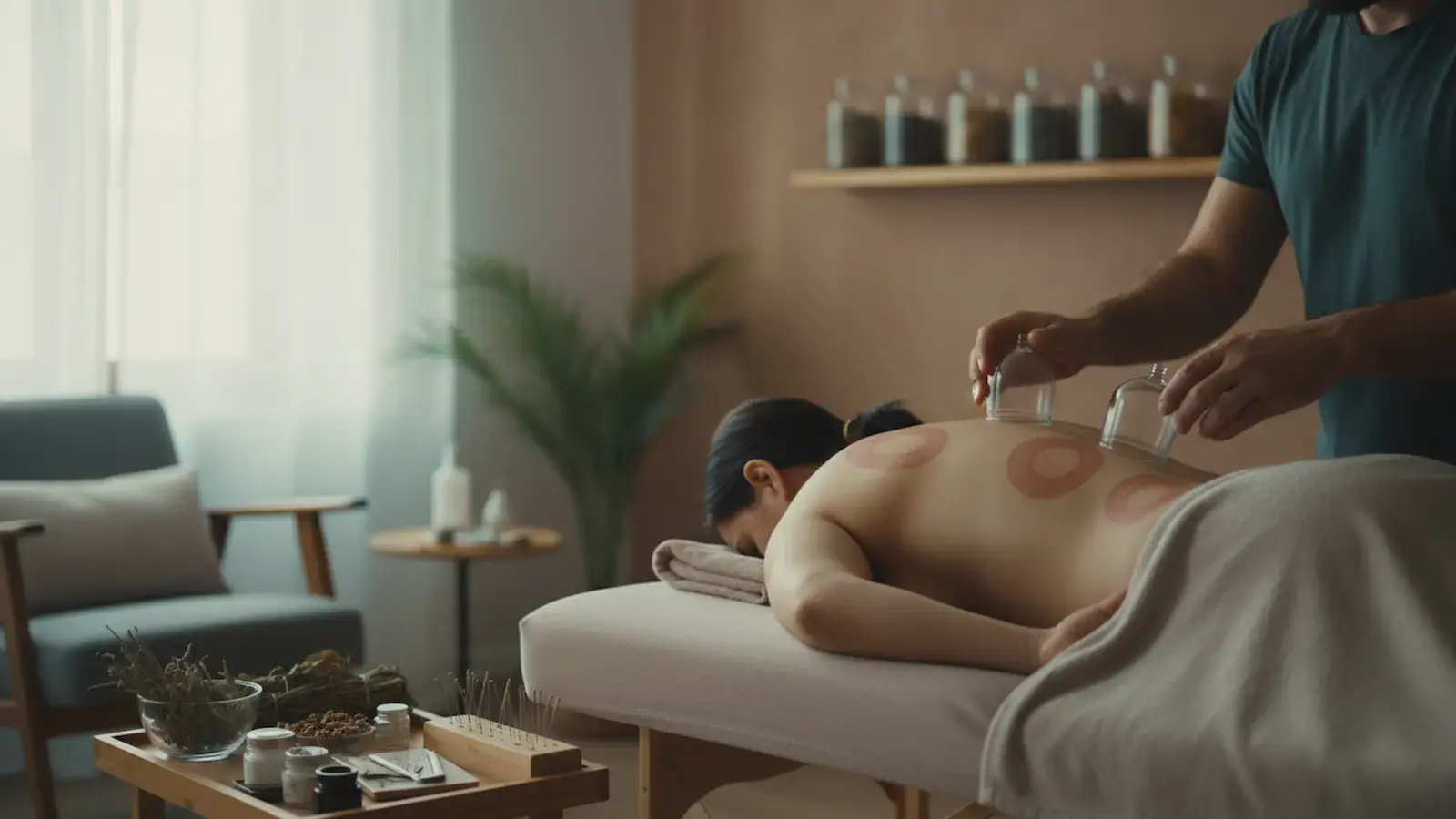
The circular marks left after cupping come from blood being drawn to the surface of the skin. Darker marks are generally thought to reflect more significant stagnation in that area, while lighter marks suggest less. The marks typically fade within a few days to a week, similar to a bruise, and are a normal and expected part of the process rather than a sign of injury.
What a Cupping Procedure Can Help With
Neck and Shoulder Tension
Cupping is often used for tightness and restricted movement in the neck and shoulders, areas where Qi and Blood stagnation commonly builds from posture, stress, or repetitive strain. Our dedicated page on Cupping for Neck Pain goes into more detail on how this specific application works.
Finding the Right Clinic for a Cupping Procedure
I am Jason Tarter, R.TCMP, R.Ac, and I have been practicing Traditional Chinese Medicine for 18 years. Every treatment plan I write, including cupping, starts from your own Traditional Chinese Medicine diagnosis rather than an off-the-shelf protocol, because the same marks on two different patients can point to two different patterns. I also run the herbal dispensary at Traditional Healing Centre, so if your formula is adjusted alongside your cupping or acupuncture sessions, it is filled in-house. I am registered with the College of Traditional Chinese Medicine Practitioners and Acupuncturists of Ontario (CTCMPAO), and receipts I issue can often be submitted to extended health plans that cover acupuncture and Chinese medicine services, though OHIP does not cover these treatments.
What to Expect After Your Visit
Plan on a course of treatment of 5 to 10 visits to judge progress, since a single cupping procedure rarely tells the full story of how your body responds. Mild soreness or tightness in the treated area is common for a day or two afterward, and staying warm and hydrated afterward is generally recommended.
Ready to book, or have a question?
Book with Traditional Healing CentreIn this series
- Fire Cupping: What It Is, Does It Hurt, and the Marks It Leaves
- How Often Should You Get Cupping?
- Cupping for Neck Pain
- Chinese Cupping Therapy at Home: What to Know First
- Cupping Therapy: How It Works and Who It Helps
- Cupping Side Effects, Bruises and Dangers: What’s Normal
- Facial Cupping Therapy: What It Is and How It Works
- Understanding the Cupping Procedure: What to Expect