
In short
If you're searching for massage cupping therapy near me, look for a clinic staffed by a registered practitioner trained in Traditional Chinese Medicine, since cupping is most effective as part of a treatment plan built around your own diagnosis rather than a generic add-on service. Ask about the practitioner's credentials, what conditions they typically treat with cupping, and whether they combine it with acupuncture or Tuina massage for better results.
Once you know what to ask, the next step is understanding what the treatment actually involves and why the practitioner's background matters as much as the location of the clinic.
In this article
What Massage Cupping Therapy Is
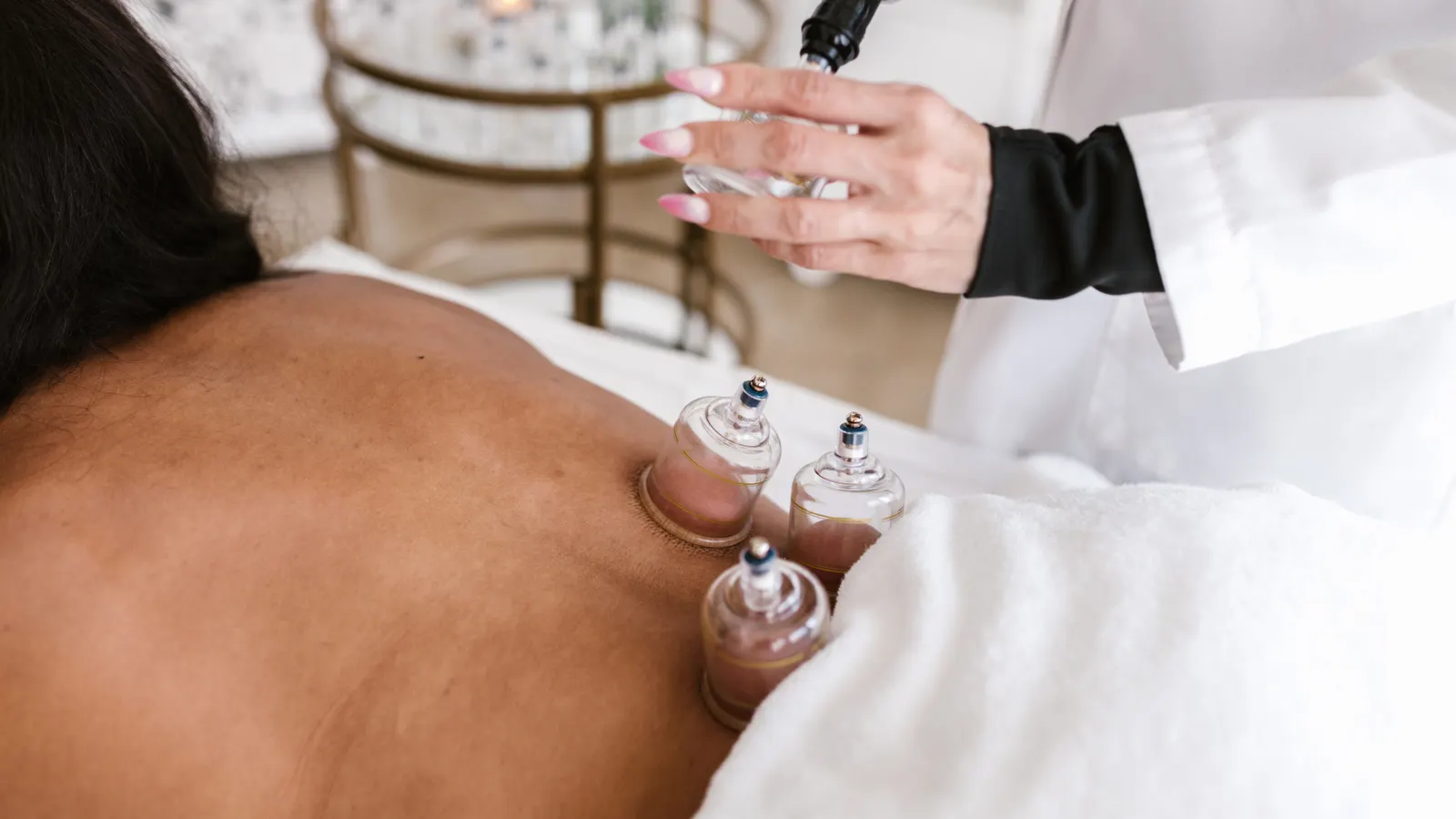
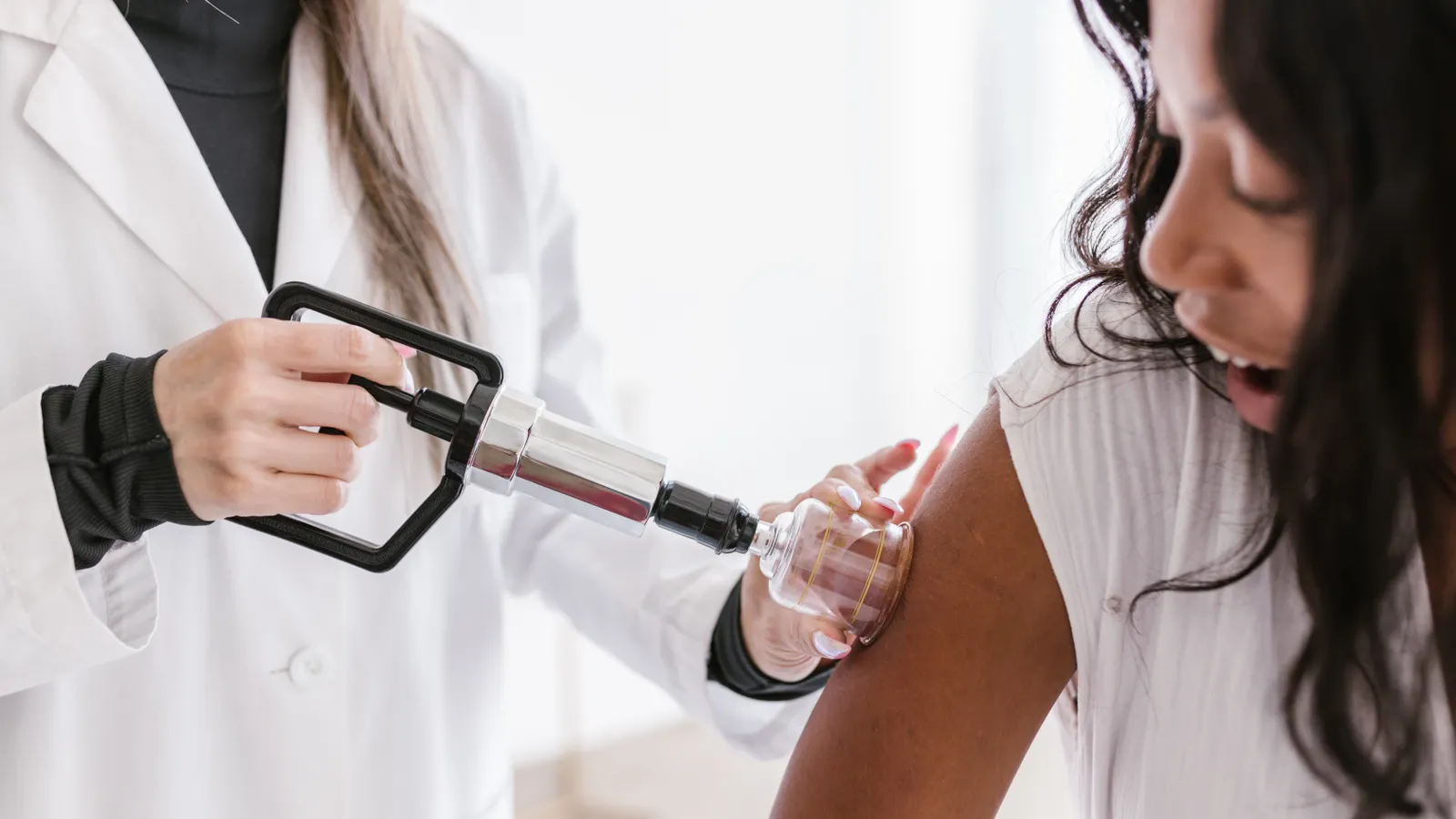
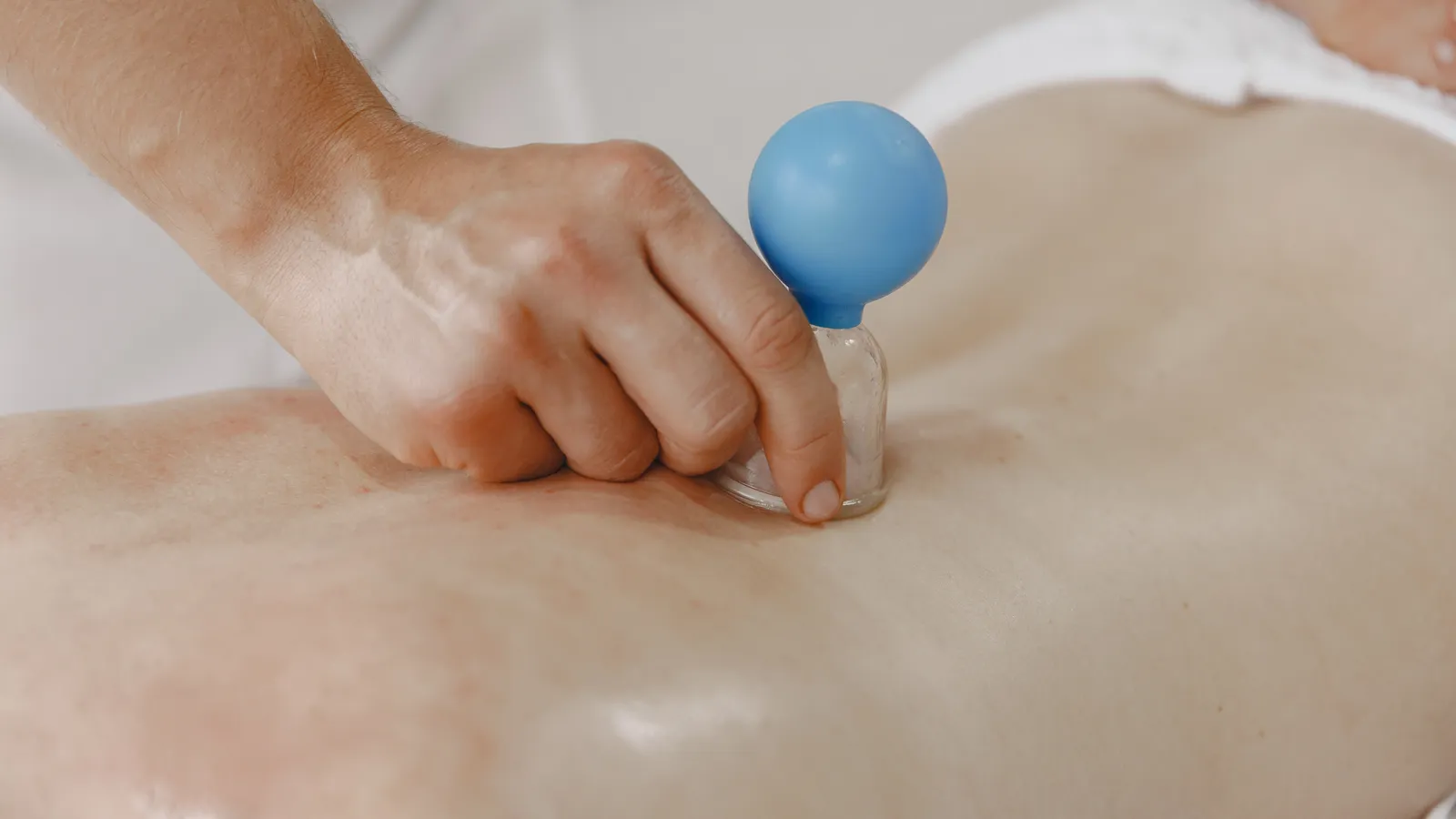
Massage cupping therapy uses glass, silicone, or plastic cups placed on the skin to create suction. The suction lifts the tissue slightly, which Traditional Chinese Medicine practitioners use to move what we call Qi and Blood stagnation along the muscles and connective tissue. Unlike a typical massage, which pushes down into the tissue, cupping pulls upward, reaching layers that can be harder to release with pressure alone. For a deeper look at how the technique works and what it's commonly used for, see Cupping Therapy Massage: What It Is and How It Works.
How It Differs from Traditional Cupping
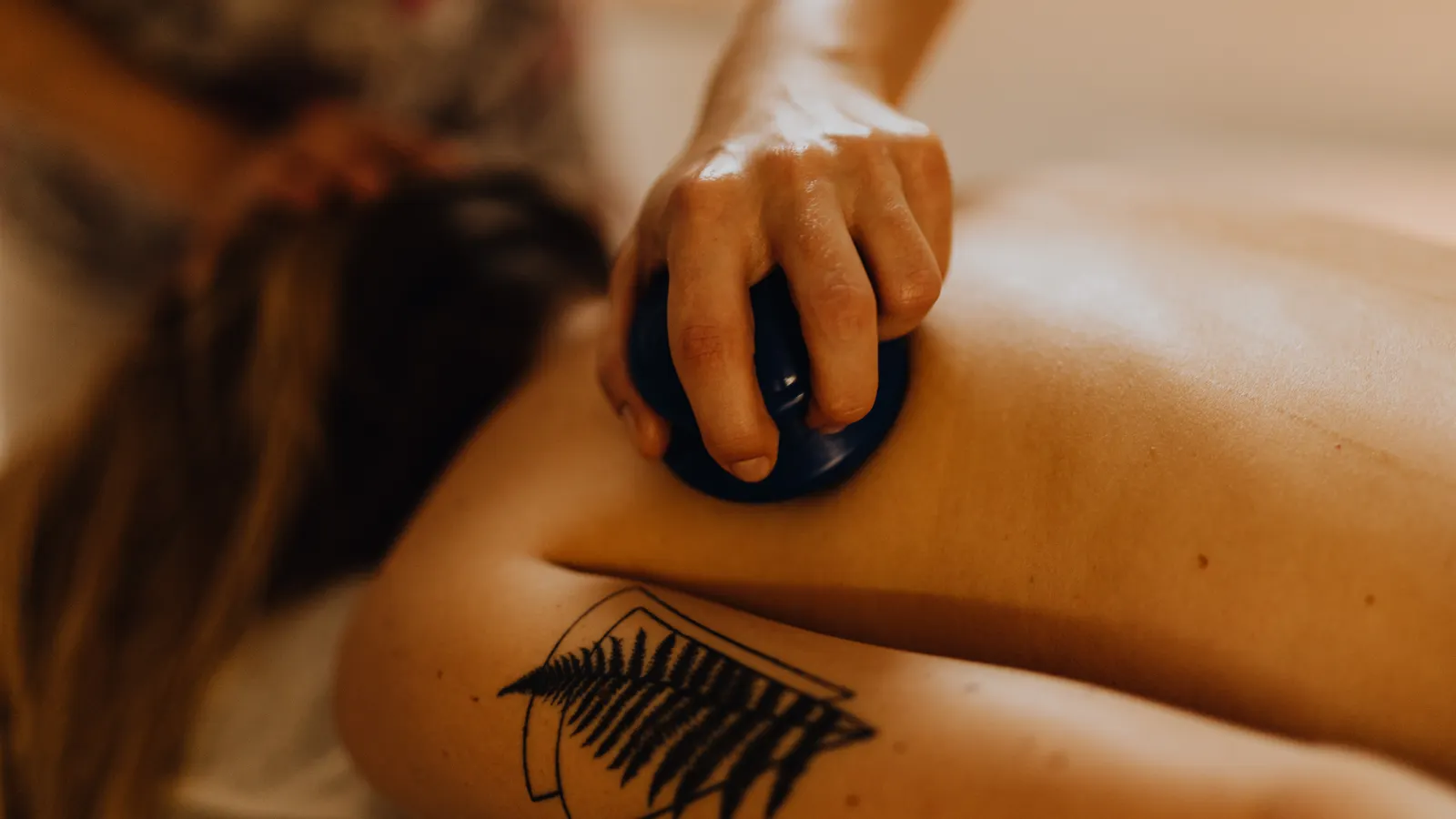
Static cupping leaves cups in place for several minutes over a specific point. Massage cupping, sometimes called "moving cupping," glides the cups across the skin with an oil applied beforehand, covering a larger area in one visit. Both techniques come from the same tradition and are often used together depending on the pattern being treated.
What to Look for When Searching Locally
A search for a nearby clinic will usually turn up a mix of spas, massage therapy clinics, and Traditional Chinese Medicine practices that all offer some form of cupping. The technique itself is simple to learn, but knowing when and where to apply it, and recognizing when it isn't the right tool, depends on training in TCM diagnosis.
Credentials and Training to Check
Book a time
Pick a time that suits you.
Book a time- Phone: (647) 346-2780
- Email: jasontcm@traditionalhealingcentre.com
- Address: 213 Queensway S. Unit 400, Keswick, Ontario, L4P2A7
Related articles
In Ontario, Traditional Chinese Medicine practitioners and acupuncturists are regulated by the College of Traditional Chinese Medicine Practitioners and Acupuncturists of Ontario (CTCMPAO). Asking whether a practitioner is registered with the college is a reasonable first question, since it confirms a baseline standard of training beyond a weekend cupping course.
What a Visit Typically Involves
A proper visit starts with a conversation, not a cup. I ask a lot of questions about your pain and your health in general, then look at your tongue and take your pulse. This is how Traditional Chinese Medicine works out why you are having your symptoms, not just where they are located. Cupping is then applied as part of the broader formula for that visit, sometimes alongside acupuncture or Tuina massage, depending on your pattern.
Conditions People Seek Cupping For
Patients often come in for muscular tightness in the back, shoulders, and neck, along with general stiffness that hasn't responded well to stretching or rest. Neck pain in particular is a common reason people search for this treatment, and I've written in more detail about how cupping is applied there in Cupping for Neck Pain. Cupping is also used on the face for a gentler, more targeted approach; you can read more in Facial Cupping Therapy: What It Is and How It Works.
Why Treatment Plans Should Start from a Diagnosis
At Traditional Healing Centre in Keswick, Ontario, every treatment plan starts from your own Traditional Chinese Medicine diagnosis, never an off-the-shelf protocol. I'm Jason Tarter, R.TCMP, R.Ac, and I've been in practice for 18 years, offering acupuncture, Chinese herbal medicine, Chinese cupping, moxibustion, Tuina massage, and cosmetic acupuncture using the Meizen facial protocol. I run the herbal dispensary that fills the custom formulas I prescribe, so the cupping work fits into a larger plan rather than standing alone. If you'd like to ask whether cupping suits your particular pattern, you can book an appointment directly.
How Many Visits to Expect
Cupping rarely produces its full effect in a single session. I generally suggest planning on 5 to 10 treatments to judge progress, since the goal is to track how your pattern shifts over time, not just how you feel after one visit. Many extended health plans cover acupuncture and Chinese medicine services, though OHIP does not, so it's worth checking your plan before starting a course of treatment. Receipts are issued by a Registered Acupuncturist (R.Ac) and Registered Traditional Chinese Medicine Practitioner (R.TCMP), which most insurers require for reimbursement.
Finding the Right Clinic Near You
When comparing options nearby, it helps to ask a few direct questions: Is the practitioner registered with the CTCMPAO? Do they take a full diagnosis before treating? Do they explain why cupping, rather than another technique, fits your symptoms? A clinic that takes the time to answer these clearly is generally a safer bet than one offering cupping as a quick add-on service. If you have questions about what a visit involves before committing, you're welcome to get in touch.
Ready to Get Started
Ready to book, or have a question?
Book with Traditional Healing CentreIn this series
- Fire Cupping: What It Is, Does It Hurt, and the Marks It Leaves
- How Often Should You Get Cupping?
- Cupping for Neck Pain
- Chinese Cupping Therapy at Home: What to Know First
- Cupping Therapy: How It Works and Who It Helps
- Cupping Side Effects, Bruises and Dangers: What's Normal
- Understanding the Cupping Procedure: What to Expect
- Facial Cupping Therapy: What It Is and How It Works
- Massage Cupping Therapy Near Me: What to Expect