
In short
For most chronic conditions, cupping is scheduled once or twice a week for the first two to three weeks, then spaced out to every two to four weeks as a maintenance rhythm. The right pace always depends on your pattern, how your skin responds, and how your body is recovering between visits.
Cupping has become one of the more recognizable treatments in Traditional Chinese Medicine, largely because of the circular marks it leaves on the skin. Many patients ask how often should you do cupping once they understand what those marks actually represent: a release of Qi and Blood stagnation rather than bruising from an injury. The answer is not a single number, because the right pace depends on the pattern being treated, how the body responds between sessions, and what else is part of the overall course of treatment.
In this article
Understanding Cupping and Its Effects on the Body
What Happens During a Cupping Session
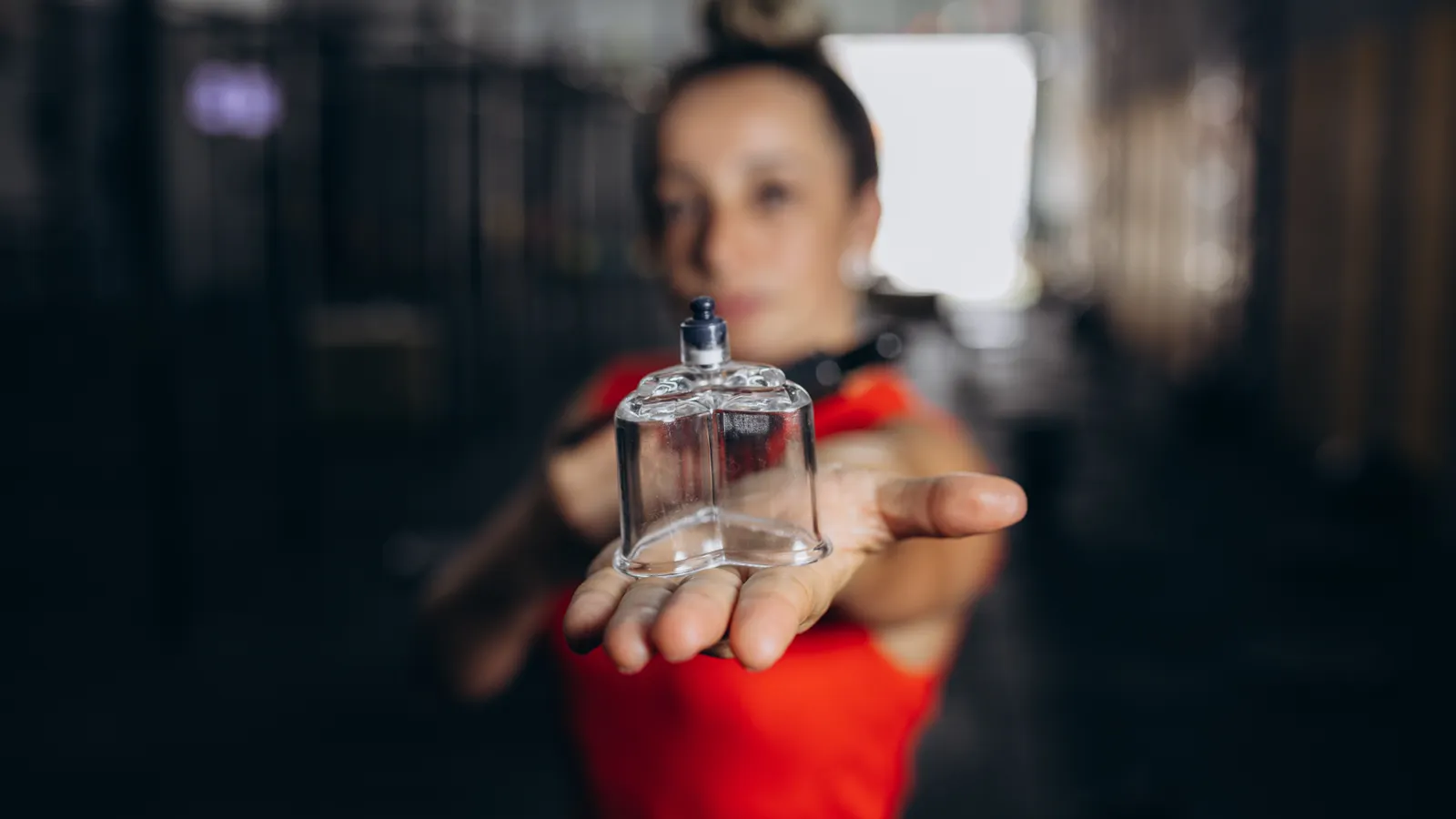
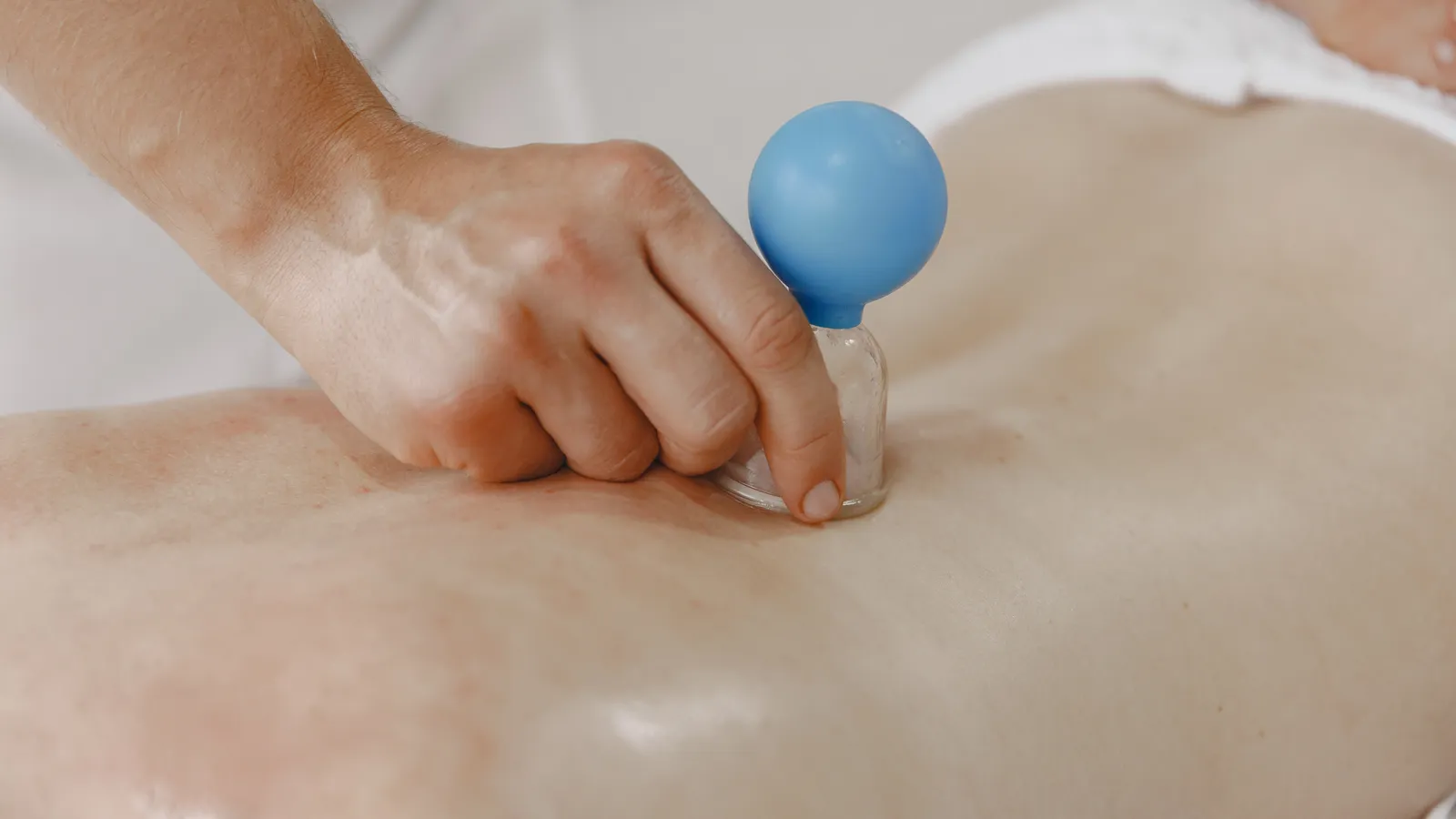
Cupping uses suction to draw blood toward the surface of the skin, which is believed to move Qi and Blood that has become stagnant and is contributing to pain, tightness, or poor circulation in the tissue. If you want a fuller picture of the technique itself, Cupping Method Acupuncture: What It Is and How It Works walks through the mechanics in more detail. The suction can be applied with stationary cups left in place for several minutes, or with a gliding technique that moves the cups across a larger area, such as the back or shoulders.
Why Frequency Matters
Because cupping draws blood to the surface, the skin needs time to recover before the same area is treated again. Going too often, before the marks have faded, does not necessarily speed progress and can leave the skin more sensitive. Spacing sessions too far apart, on the other hand, can slow the cumulative effect that comes from working on a pattern consistently over a full course of treatment.
Factors That Determine How Often Should You Do Cupping
Acute vs. Chronic Conditions
A recent strain or an acute flare-up of tension may respond well to a short run of closely spaced sessions, sometimes just a few days apart, to interrupt the cycle of stagnation early. A long-standing issue, such as chronic low back pain or recurring tension headaches, usually calls for a steadier, longer-term rhythm rather than an intensive burst.
Skin and Marking Recovery Time
Book a time
Pick a time that suits you.
Book a time- Phone: (647) 346-2780
- Email: jasontcm@traditionalhealingcentre.com
- Address: 213 Queensway S. Unit 400, Keswick, Ontario, L4P2A7
Related articles
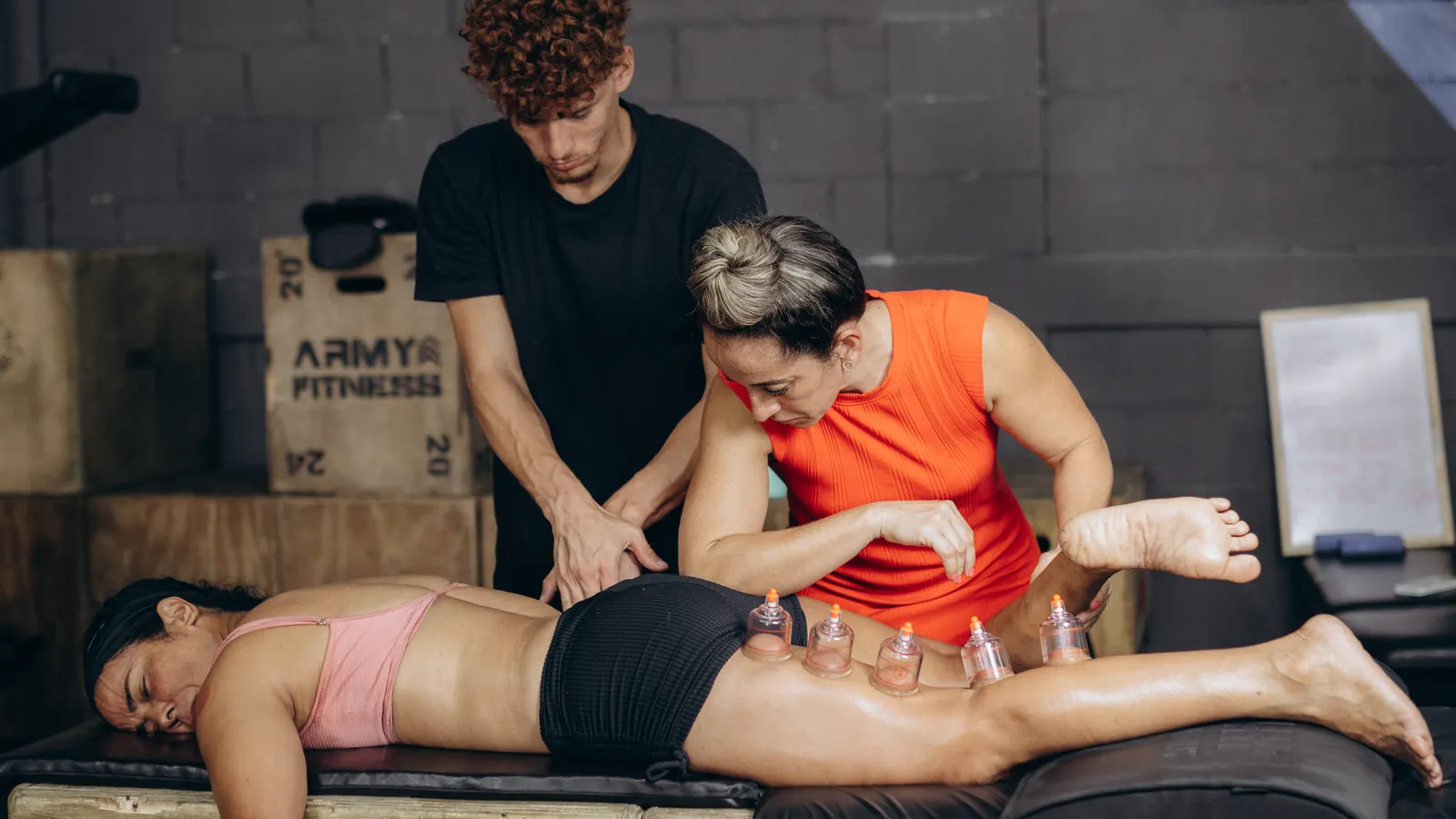
The marks cupping leaves are a visible guide to recovery. As they fade, usually over several days to about a week, the treated area is generally ready to be worked on again. This is one of the most practical reasons cupping isn't typically done daily or even every other day on the same spot.
Combining Cupping with Other Treatments
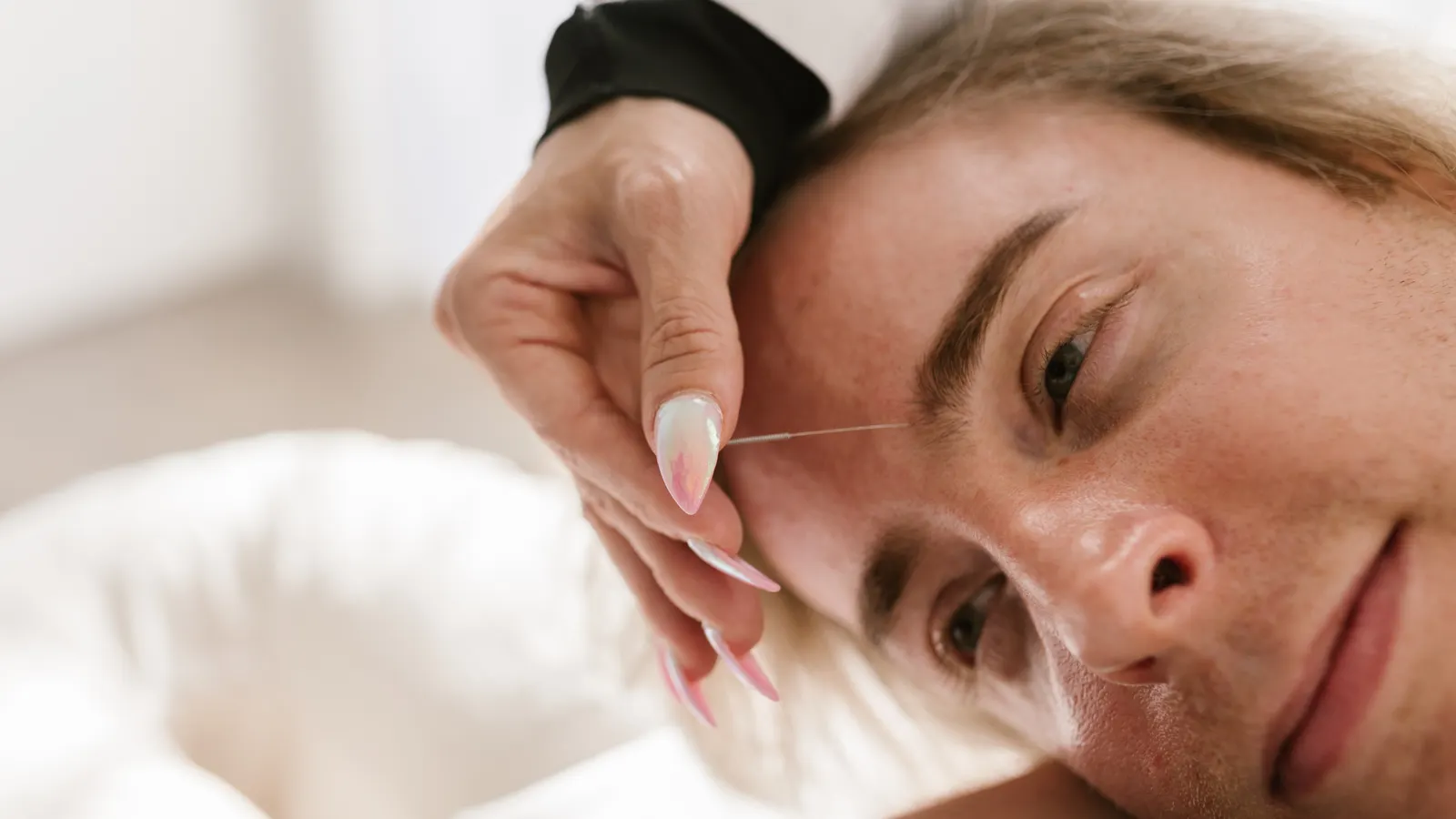
Cupping is rarely the only tool in a course of treatment. When it's combined with acupuncture, Tuina massage, or a custom herbal formula, the overall frequency of visits is planned around how all of these elements work together, not cupping in isolation.
Typical Cupping Schedules
Short-Term Intensive Care
For a specific, recent complaint, such as tightness after physical strain, a tighter schedule for the first few visits can help address the stagnation before it settles into a more chronic pattern. For a closer look at how this applies to one common area, Cupping for Neck Pain outlines how frequency is adjusted for that region specifically.
Maintenance Cupping
Once the initial pattern has eased, many patients move to a maintenance schedule, visiting every few weeks to support the progress already made and to manage any ongoing tendency toward Qi and Blood stagnation. Plan on 5–10 treatments overall to fairly judge whether a given approach is working before deciding on long-term frequency. For more detail on structuring this timeline, the full guide on How Often Should You Get Cupping? covers the reasoning behind these intervals.
Where Traditional Healing Centre Fits In
At Traditional Healing Centre in Keswick, Ontario, every treatment plan starts from your own Traditional Chinese Medicine diagnosis, never an off-the-shelf protocol, so the cupping schedule I recommend is built around your pattern rather than a generic timetable. I'm Jason Tarter, R.TCMP, R.Ac, registered with the College of Traditional Chinese Medicine Practitioners and Acupuncturists of Ontario, and I've been in practice for 18 years, often combining cupping and acupuncture with a custom herbal formula filled through our own dispensary. If you'd like a schedule built around your own diagnosis, you can book an appointment to get started. Many extended health plans cover acupuncture and Chinese medicine services, which is worth checking before your first visit, since OHIP does not cover these treatments.
Signs You May Need to Adjust Your Frequency
If marks are taking longer than a week to fade, or if the skin feels unusually tender, that's generally a sign to space sessions out further. If, on the other hand, symptoms are returning quickly between widely spaced visits, tightening the schedule for a short stretch may help re-establish progress. These adjustments are normal and are part of why ongoing visits, rather than a single session, give a clearer picture of how your body is responding.
Cupping frequency isn't a fixed rule; it's a response to how your body and your pattern are changing over time. If you have questions about how cupping might fit into your own course of treatment, get in touch and we can talk through what a reasonable schedule looks like for you.
Ready to book, or have a question?
Book with Traditional Healing CentreIn this series
- Fire Cupping: What It Is, Does It Hurt, and the Marks It Leaves
- How Often Should You Get Cupping?
- Cupping for Neck Pain
- Chinese Cupping Therapy at Home: What to Know First
- Cupping Therapy: How It Works and Who It Helps
- Cupping Side Effects, Bruises and Dangers: What's Normal
- Understanding the Cupping Procedure: What to Expect
- Facial Cupping Therapy: What It Is and How It Works
- Flame Cupping: How It Works and What to Expect
- Massage Cupping Therapy Near Me: What to Expect
- Chinese Cupping Near Me: What to Know Before You Book
- How Often Should You Do Cupping? A Practical Guide