
Back Pain Cupping Therapy: What to Expect and How It Helps
November 20, 2026 · Jason Tarter, R.TCMP, R.Ac

In short
Back pain cupping therapy uses suction cups placed along the back to draw blood flow to the skin and underlying muscle, which can loosen tight tissue and ease Qi and Blood stagnation associated with pain. It is usually combined with acupuncture as part of a broader Traditional Chinese Medicine treatment plan, and most people feel looser in the treated area within a day or two of a session.
Back pain cupping therapy has become one of the more recognizable treatments in Traditional Chinese Medicine, in part because of the round marks it can leave on the skin. Those marks are temporary, and for many patients they are a small trade-off for the relief they feel afterward. If you deal with a stiff lower back, tightness between the shoulder blades, or chronic muscle tension along the spine, it helps to understand how cupping actually works before you book a visit.
In this article
What Is Back Pain Cupping Therapy?
Cupping involves placing glass, silicone, or bamboo cups on the skin and creating suction, either with heat or a hand pump. The suction pulls the skin and the muscle layer beneath it upward into the cup, which is the opposite action of a massage stroke that presses down. For back pain, I typically place the cups along the muscles that run beside the spine, across the lower back, or over the shoulders, depending on where the tightness sits.
How It Differs From Massage-Style Cupping
Cupping for back pain is often static, meaning the cups stay in one spot for several minutes. Some practitioners also glide the cups across oiled skin, a technique closer to cupping therapy massage, which works the tissue more broadly rather than focusing suction on a fixed point. Both approaches aim to relax tight muscle, but the choice depends on the pattern behind your pain.
How Cupping Eases Back Pain
In Traditional Chinese Medicine, pain is often described as a sign that Qi and Blood are not moving freely through an area. When Qi and Blood stagnation settles into the muscles along the spine, the tissue tightens and circulation to that area slows down. Cupping draws blood to the surface and into the muscle layer, which can help restore that movement and reduce the stiffness that comes with it.
Qi and Blood Stagnation Explained
Book a time
Pick a time that suits you.
Book a time- Phone: (647) 346-2780
- Email: jasontcm@traditionalhealingcentre.com
- Address: 213 Queensway S. Unit 400, Keswick, Ontario, L4P2A7
Related articles
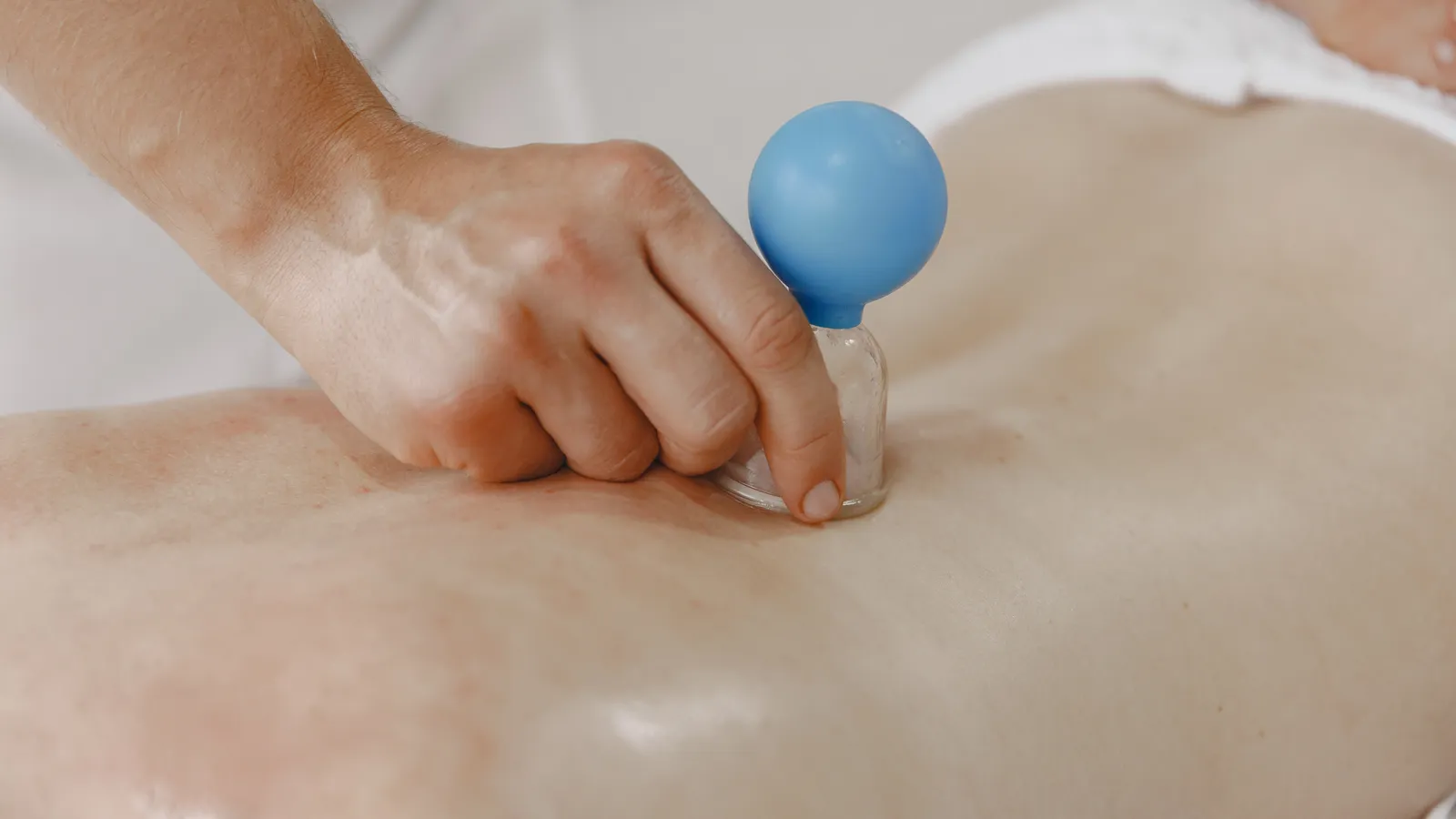
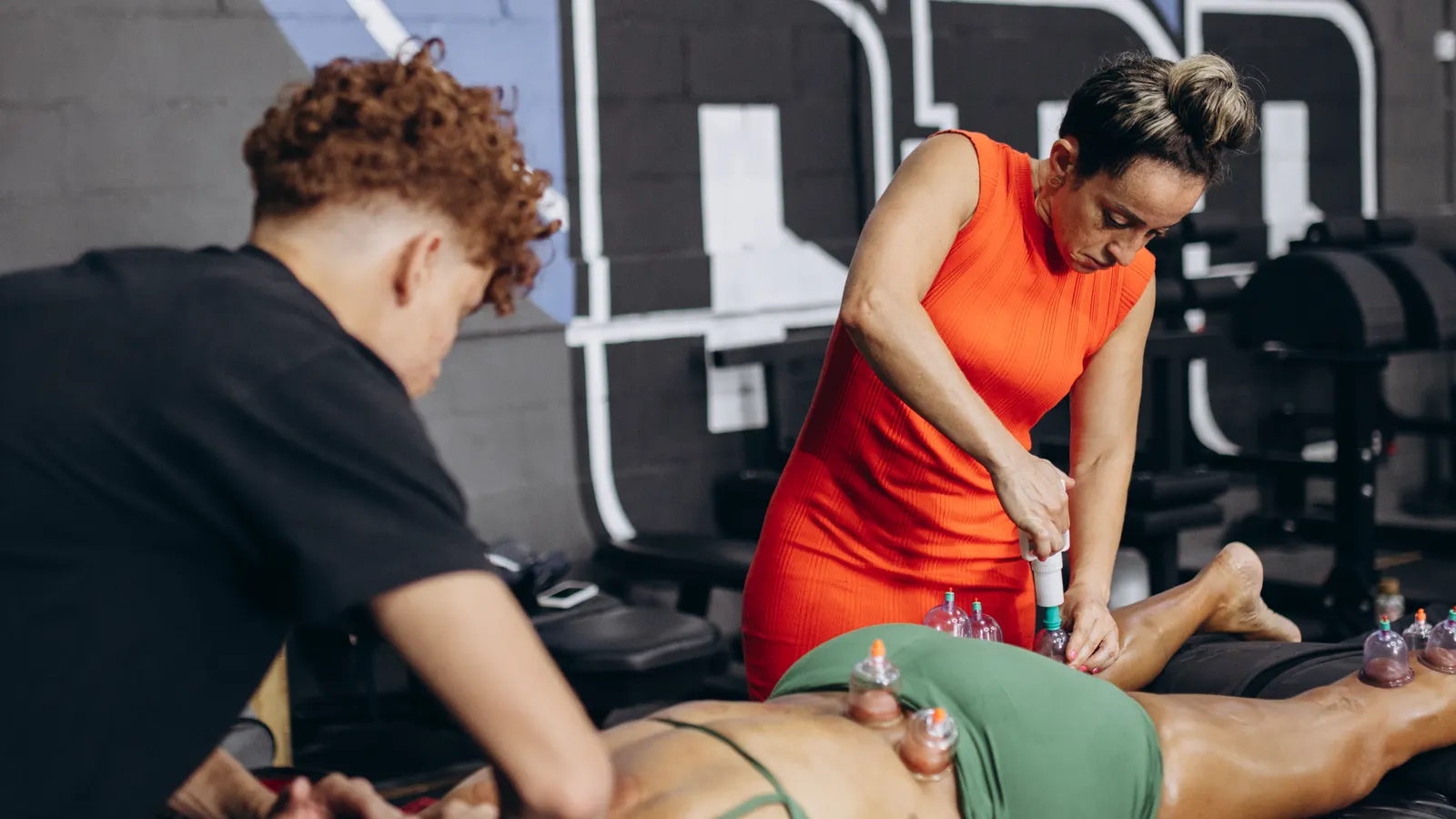

This pattern doesn't look the same for everyone. A desk worker with a dull, constant ache may have a different underlying pattern than someone with sharp pain after a lifting injury. That's why cupping for back pain is rarely used on its own; it's one tool within a treatment plan built around a full diagnosis of your tongue, pulse, and symptoms.
What to Expect During a Session
Before cupping begins, I ask about where the pain sits, what makes it better or worse, and how long it has been present, then look at your tongue and take your pulse. This is how Traditional Chinese Medicine works out why you are having your symptoms, not just where they are. Cups are then applied to the relevant areas for several minutes while you rest. Acupuncture often accompanies the same visit, since the two treatments are frequently used together to address muscle tension and the underlying pattern at the same time.
It's common to see round, bruise-like marks after a session. These fade over several days and are a normal result of the suction drawing blood to the surface, not a sign of injury.
How Many Treatments You May Need
Back pain built up over months or years rarely resolves in a single visit. Plan on 5–10 treatments to judge whether cupping and acupuncture are making a difference for your particular pattern. Some people notice looser muscles after the first session, while others need several visits before the change feels lasting.
A Diagnosis-Led Approach at Traditional Healing Centre
At Traditional Healing Centre in Keswick, Ontario, every treatment plan starts from your own Traditional Chinese Medicine diagnosis rather than a standard protocol applied to anyone with back pain. Jason Tarter, R.TCMP, R.Ac, has been in practice for 18 years and is registered with the College of Traditional Chinese Medicine Practitioners and Acupuncturists of Ontario (CTCMPAO). Along with cupping and acupuncture, he often combines treatment with a custom herbal formula written for your specific pattern and filled through the clinic's own dispensary, rather than a general over-the-counter remedy. If your back pain also extends into your neck, the clinic's cupping for neck pain page covers how the same approach applies higher up the spine.
Receipts are issued by a Registered Acupuncturist and Registered Traditional Chinese Medicine Practitioner, and many extended health plans cover acupuncture and Chinese medicine services, which is worth checking with your provider before you begin a course of treatment.
Is Cupping Right for Your Back Pain?
Cupping tends to suit chronic muscle tightness, stiffness that returns after sitting or standing for long periods, and pain tied to Qi and Blood stagnation rather than a recent acute injury. A proper diagnosis will determine whether cupping, acupuncture, herbal formulas, or a combination of the three fits your situation best.
Ready to book, or have a question?
Book with Traditional Healing CentreIn this series
- Fire Cupping: What It Is, Does It Hurt, and the Marks It Leaves
- How Often Should You Get Cupping?
- Cupping for Neck Pain
- Chinese Cupping Therapy at Home: What to Know First
- Cupping Therapy: How It Works and Who It Helps
- Cupping Side Effects, Bruises and Dangers: What's Normal
- Understanding the Cupping Procedure: What to Expect
- Facial Cupping Therapy: What It Is and How It Works
- Flame Cupping: How It Works and What to Expect
- Massage Cupping Therapy Near Me: What to Expect
- Chinese Cupping Near Me: What to Know Before You Book
- How Often Should You Do Cupping? A Practical Guide
- Back Pain Cupping Therapy: What to Expect and How It Helps