
Chinese Cupping Benefits: What This Therapy Can Do for You
November 23, 2026 · Jason Tarter, R.TCMP, R.Ac
In short
Chinese cupping benefits include loosening tight muscles, easing Qi and Blood stagnation, and helping the body relax after physical strain or stress. It is most often used alongside acupuncture to support recovery from chronic pain, tension, and fatigue, though results vary from person to person and depend on the underlying pattern being treated.
Chinese cupping benefits have drawn attention well beyond Traditional Chinese Medicine clinics, with the practice appearing in sports recovery rooms and wellness routines alike. Understanding what the therapy actually does, and where it fits alongside other treatments, helps set realistic expectations before a first visit.
In this article
What Is Chinese Cupping?
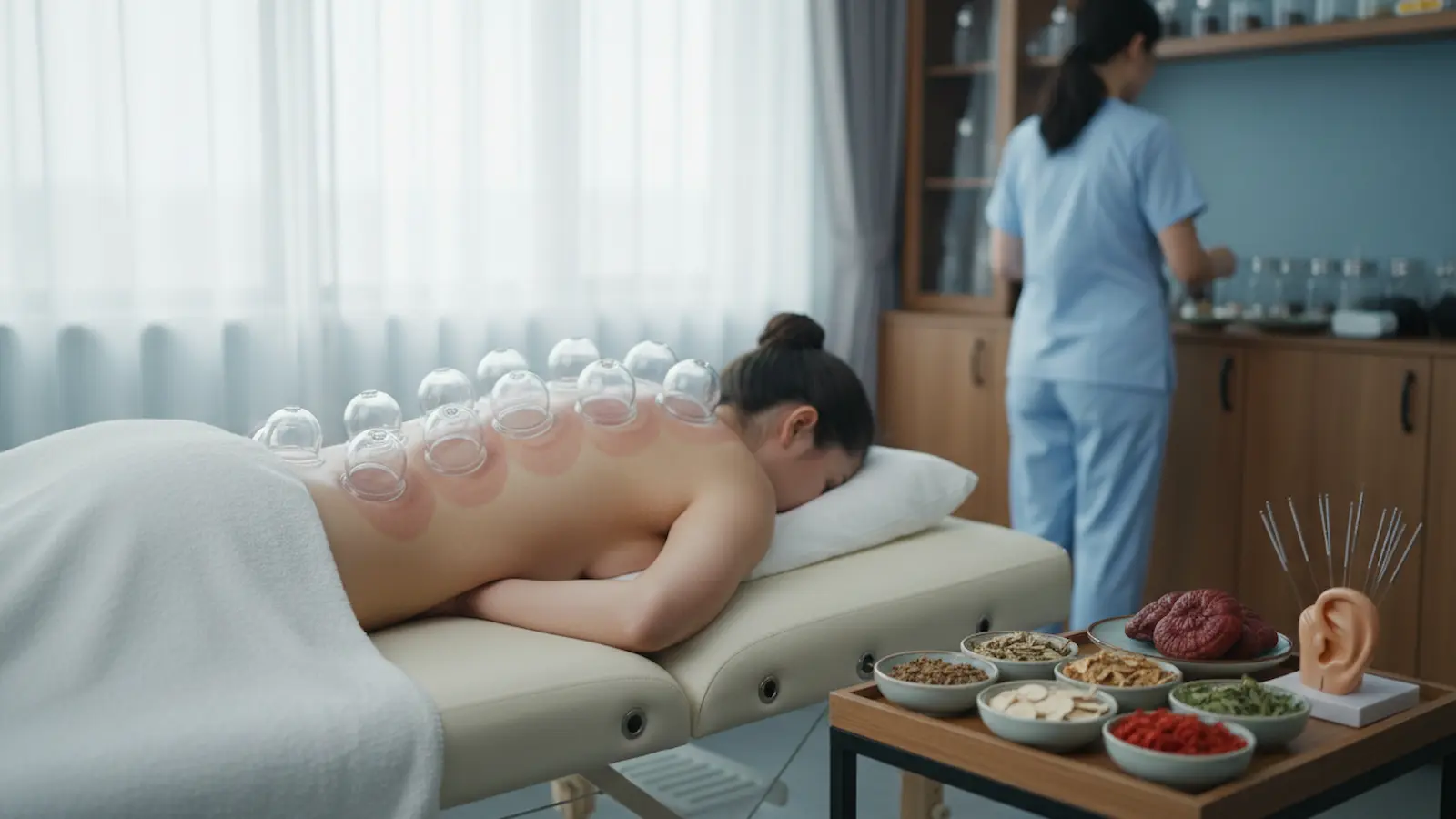
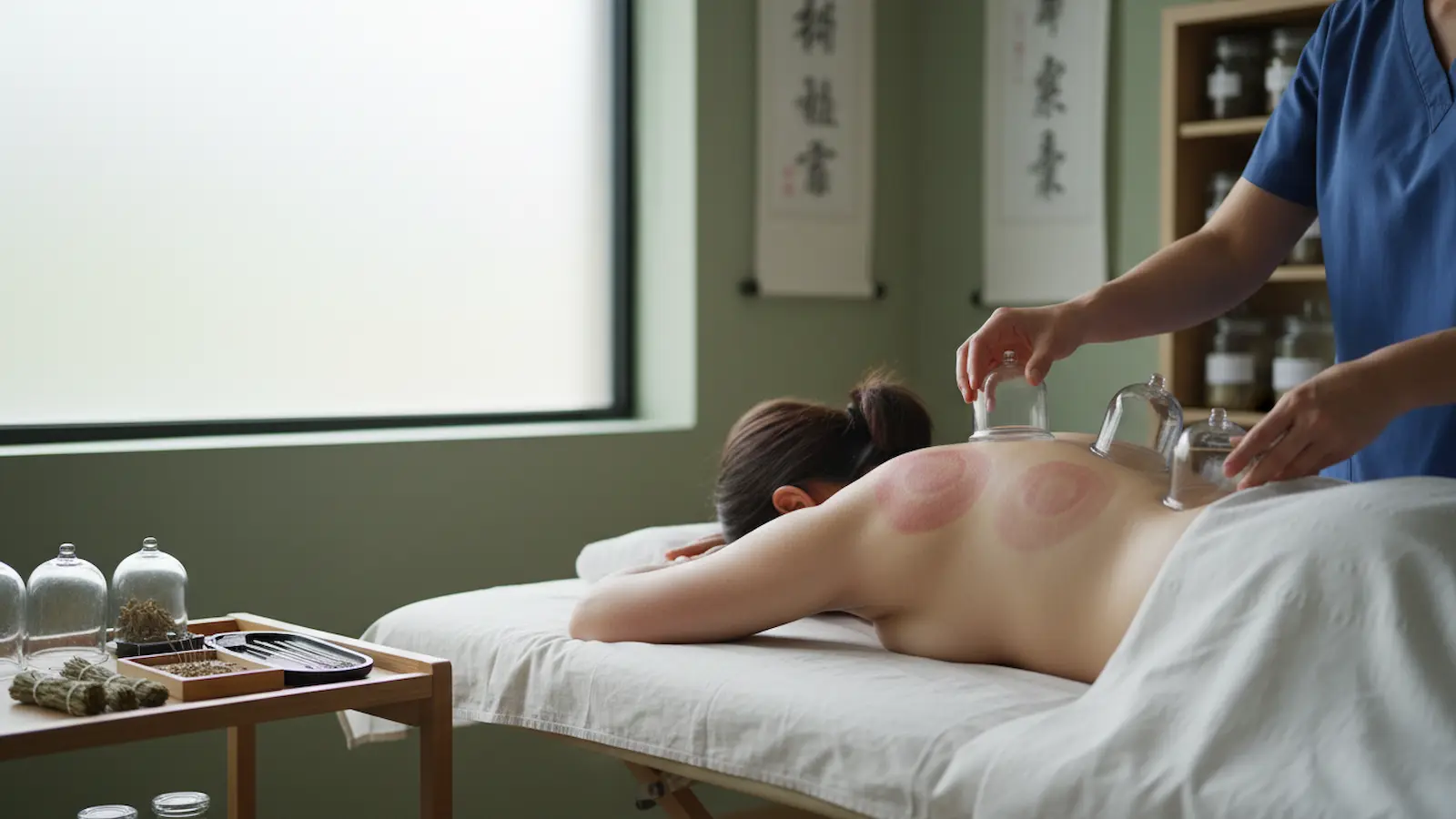
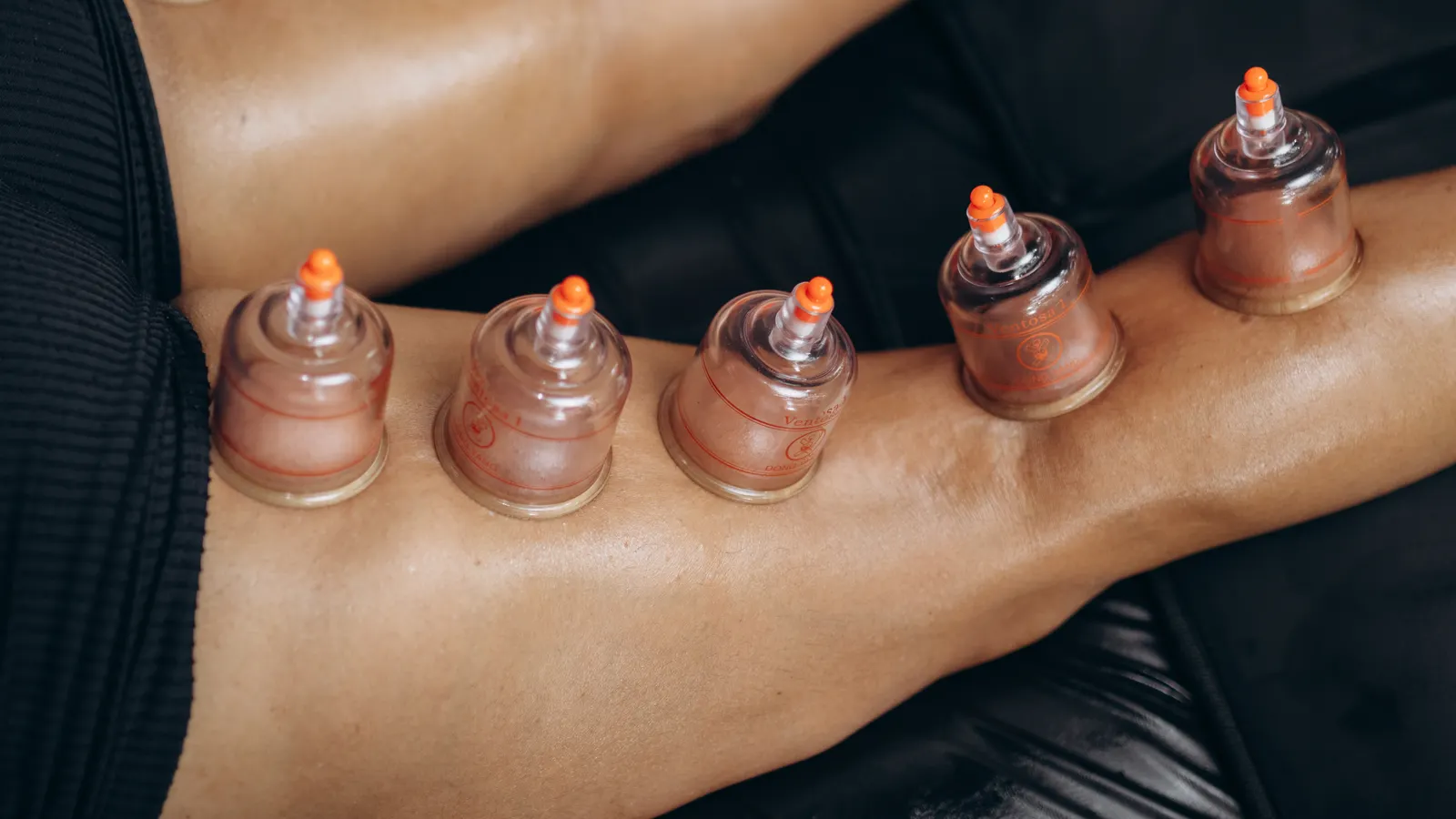
Cupping involves placing glass or silicone cups on the skin and creating suction, either with heat or a manual pump. The suction draws the skin and superficial muscle layer upward into the cup, which is the opposite sensation of a massage that presses down.
How the Suction Works
The pulling action is thought to encourage the movement of Qi and Blood beneath the skin, which in Traditional Chinese Medicine is understood as the root of many stiffness and pain patterns. Where circulation to an area is sluggish, cupping is used to help restore smoother flow.
The Main Chinese Cupping Benefits
Easing Qi and Blood Stagnation
Qi and Blood stagnation is the Traditional Chinese Medicine explanation for the tightness, dull aching, and restricted movement that many patients describe. Cupping is applied directly over the affected muscle group to help release that stagnation, often as part of a broader course of treatment that also includes acupuncture.
Supporting Muscle Recovery
Book a time
Pick a time that suits you.
Book a time- Phone: (647) 346-2780
- Email: jasontcm@traditionalhealingcentre.com
- Address: 213 Queensway S. Unit 400, Keswick, Ontario, L4P2A7
Related articles
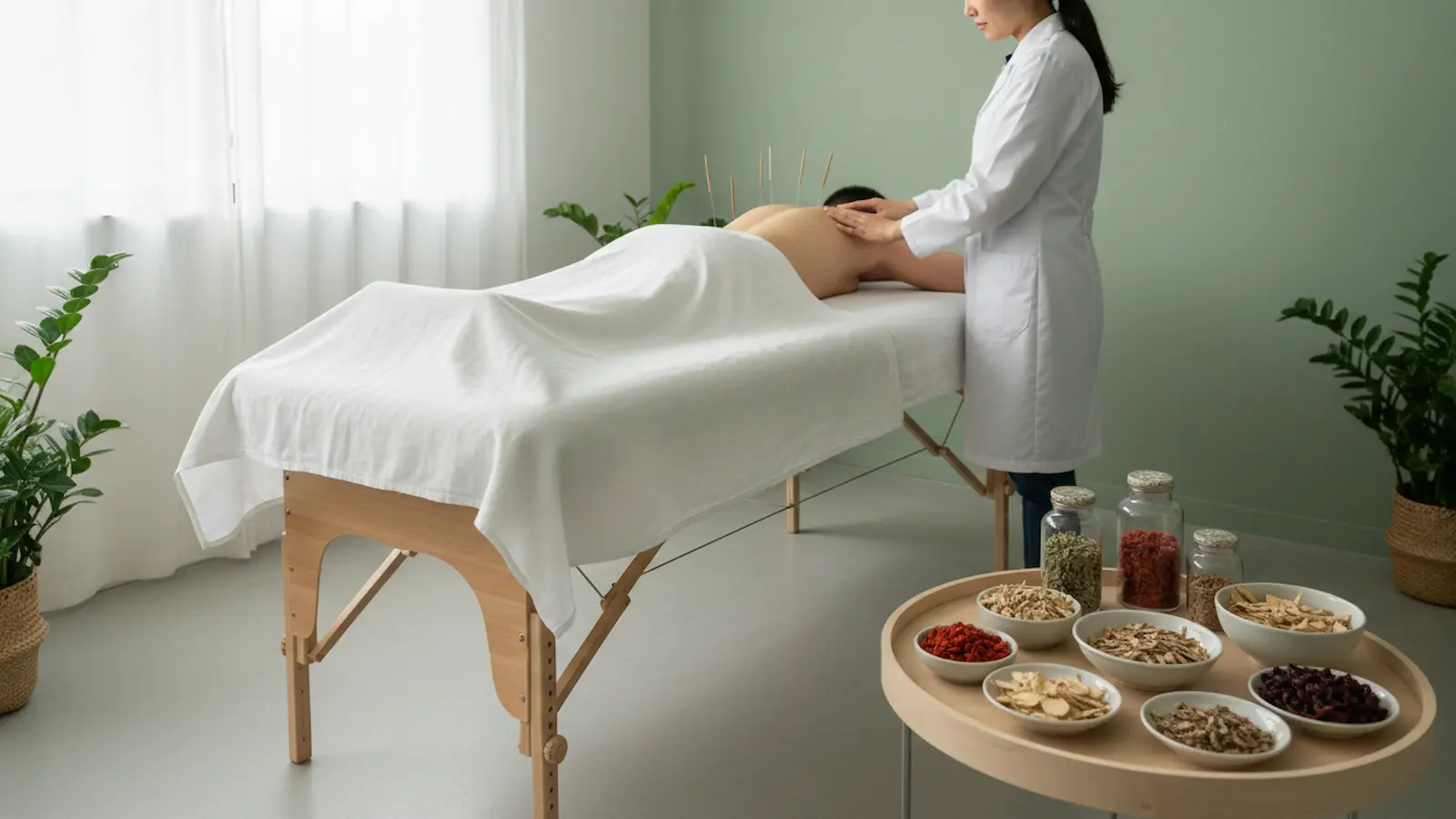
Athletes and physically active patients sometimes use cupping after intense training, when muscles feel bound or sore. The suction can help loosen the tissue layer, which may make follow-up acupuncture or Tuina massage more effective at the same visit.
Calming Stress and Promoting Rest
Beyond the musculoskeletal effects, many patients find the sensation of cupping itself calming. A slower, grounded state during treatment can support better sleep and a lower overall sense of tension, particularly when stress is contributing to the pattern.
Conditions That May Respond Well
Neck and Shoulder Tension
Cupping is frequently used for neck and shoulder tightness, especially when it stems from long hours at a desk or repetitive strain. For a closer look at how this works in practice, see Cupping for Neck Pain.
Chronic Pain Patterns
Patients dealing with chronic back pain, sciatica, or recurring headaches sometimes incorporate cupping into their treatment plan alongside acupuncture and herbal formulas. Because each of these conditions can stem from different underlying patterns, cupping is rarely used as a stand-alone therapy; it works best as one tool within a broader plan.
What to Expect During and After a Session
A typical cupping session lasts a short portion of the overall visit, often five to fifteen minutes depending on the area being treated. The cups may stay still or be moved gently across the skin, a technique sometimes called sliding cupping.
The Marks Cupping Leaves Behind
The suction can leave circular marks on the skin that range from light pink to deeper purple, depending on the degree of stagnation in that area. These marks are not bruises in the traditional sense and typically fade within a few days to a week. A full explanation of the process, including what the marks mean, is covered in The Chinese Cupping Method: What to Expect From Treatment.
Finding Cupping as Part of a Treatment Plan
Why a Diagnosis Comes First
Cupping, like every other tool in Traditional Chinese Medicine, works best when it is matched to the right pattern rather than applied the same way to every patient. At Traditional Healing Centre in Keswick, Ontario, Jason Tarter, R.TCMP, R.Ac, builds every treatment plan from the patient's own diagnosis, asking detailed questions, reading the pulse, and examining the tongue before deciding whether cupping, acupuncture, Chinese herbal medicine, or Tuina massage is the right starting point. With 18 years in practice and registration with the College of Traditional Chinese Medicine Practitioners and Acupuncturists of Ontario, Jason also runs the clinic's herbal dispensary, so cupping sessions are often paired with a custom herbal formula written for the individual rather than a generic protocol. Most patients plan on five to ten treatments before judging progress, and many extended health plans cover acupuncture and Chinese medicine services, though OHIP does not. For a broader look at what Traditional Chinese Medicine can address, visit Chinese Medicine Benefits: What Acupuncture and Herbs Can Do.
A Measured Starting Point
Chinese cupping benefits are easiest to judge once the therapy is matched to a clear pattern and given a fair course of treatment, rather than tried as a single quick fix. Patients considering cupping for muscle tension, chronic pain, or general stress are usually better served by starting with a full diagnosis so the right combination of therapies can be chosen from the outset.
Ready to book, or have a question?
Book with Traditional Healing CentreIn this series
- Fire Cupping: What It Is, Does It Hurt, and the Marks It Leaves
- How Often Should You Get Cupping?
- Cupping for Neck Pain
- Chinese Cupping Therapy at Home: What to Know First
- Cupping Therapy: How It Works and Who It Helps
- Cupping Side Effects, Bruises and Dangers: What's Normal
- Understanding the Cupping Procedure: What to Expect
- Facial Cupping Therapy: What It Is and How It Works
- Flame Cupping: How It Works and What to Expect
- Cupping Therapy Chinese Medicine: What to Expect
- Back Pain Cupping Therapy: What to Expect and How It Helps
- Cupping Placement Chart: What It Shows and Why It Varies
- Massage Cupping Therapy Near Me: What to Expect
- Chinese Cupping Near Me: What to Know Before You Book
- How Often Should You Do Cupping? A Practical Guide
- Cupping Therapy for Legs: Benefits and What to Expect
- Chinese Cupping Benefits: What This Therapy Can Do for You