
Cupping Placement Chart: What It Shows and Why It Varies
November 21, 2026 · Jason Tarter, R.TCMP, R.Ac

In short
A cupping placement chart maps common cup positions—such as the upper back, shoulders, lower back, and legs—to the body regions and concerns they are traditionally used to address. These charts are useful as a general reference, but they are not personalized treatment plans. In practice, a Traditional Chinese Medicine practitioner places cups based on your individual pattern, not a fixed diagram.
Many people search for a cupping placement chart hoping to understand where cups go and why, often before their first visit to a clinic. It's a reasonable place to start, but charts only tell part of the story. The actual placement of cups depends on what a practitioner finds during your diagnosis, which is why two people with the same complaint may end up with cups in different spots.
In this article
What a Cupping Placement Chart Shows
A typical chart groups the body into zones and lists the concerns each zone is commonly associated with. You'll usually see the upper back and shoulders linked to tension and stiffness, the lower back connected to hip and sciatic discomfort, and the chest or abdomen tied to digestive complaints. These charts are built from common patterns seen across many patients, so they're a helpful starting point for understanding the general logic behind cupping, not a map for self-treatment.
Common Placement Zones
- Upper back and shoulders – for neck tension, tightness, and stress-related stiffness
- Lower back and hips – for low back pain and sciatica-type discomfort
- Legs – for muscle tightness after activity
- Abdomen – for some digestive concerns
- Face – for cosmetic cupping, using much lighter suction than body cupping
Why Placement Follows a Diagnosis, Not a Chart Alone
In Traditional Chinese Medicine, cupping is rarely applied the same way twice. Every treatment plan starts from the patient's own diagnosis, never an off-the-shelf protocol. A full diagnosis involves a lot of questions about your symptoms and health history, a look at your tongue, and a reading of your pulse. This is how a practitioner works out why you are experiencing your symptoms, not just where they show up on your body.
Meridians and Points Practitioners Consider
Cup placement is guided by the meridians and points believed to be involved in your pattern. For example, Qi and Blood stagnation along the back may call for cups placed along the Bladder meridian, while a different pattern affecting the shoulders might call for cups closer to the neck and upper arm. This is why a generic chart can show you where cups commonly go, but it can't substitute for an individual assessment.
Cupping Placement for Common Concerns
Book a time
Pick a time that suits you.
Book a time- Phone: (647) 346-2780
- Email: jasontcm@traditionalhealingcentre.com
- Address: 213 Queensway S. Unit 400, Keswick, Ontario, L4P2A7
Related articles

Neck and Shoulder Tension
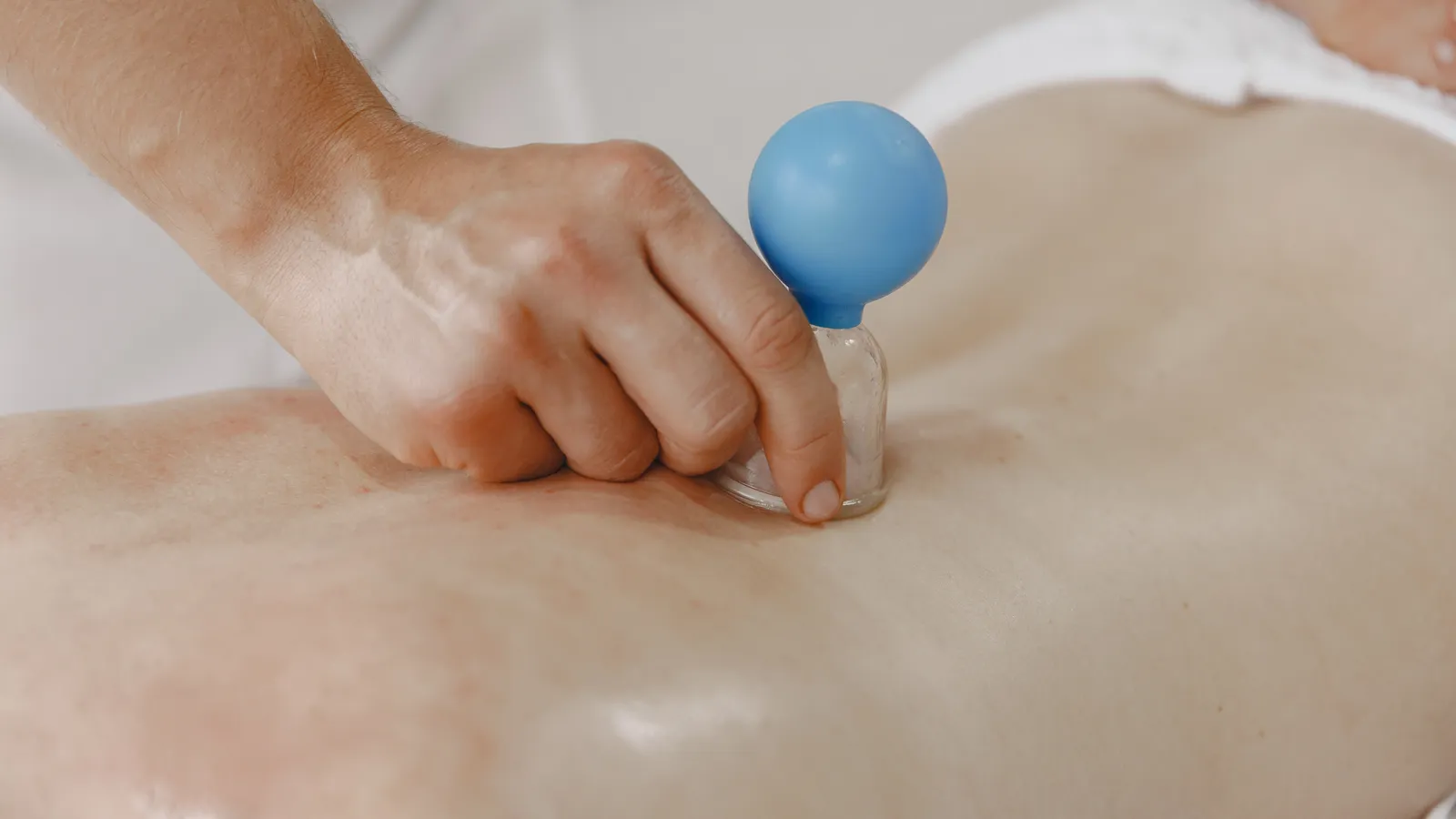
Tightness through the neck and shoulders is one of the most common reasons people look into cupping. Placement here usually targets the muscles along the upper back and the base of the skull, though the exact spots depend on your pattern. For a closer look at how this works, see Cupping for Neck Pain.
Low Back and Hip Pain
For low back and hip discomfort, cups are often placed along the lower back and sometimes the glutes, depending on where stagnation is identified. This is one area where a general chart and an individual assessment tend to overlap, though the number and duration of cups still varies by patient.
Facial and Cosmetic Cupping
Facial cupping uses smaller cups and much lighter suction than body cupping, with placement following the contours of the face rather than a meridian chart. If you're curious about this approach, Facial Cupping Therapy: What It Is and How It Works explains it in more detail.
How Cupping Fits Into a Visit
What to Expect
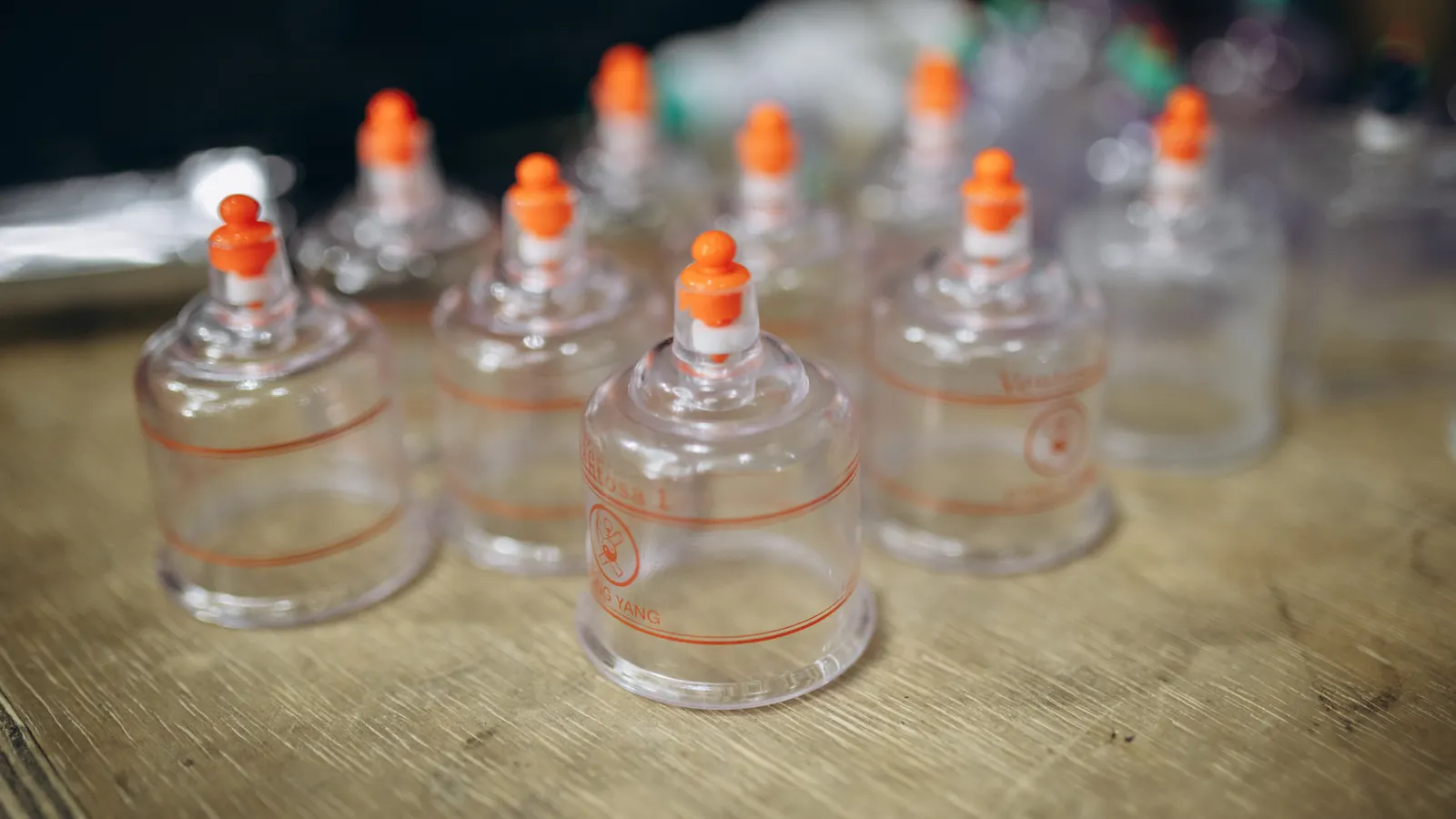
During a visit, cupping may be used on its own or combined with acupuncture, Tuina massage, or other techniques, depending on your formula for treatment. Cups may be left stationary or moved across the skin, a technique sometimes called cupping massage. You can read more about this method in Cupping Therapy Massage: What It Is and How It Works.
Where Traditional Healing Centre Fits In
At Traditional Healing Centre in Keswick, Ontario, I build every treatment plan from your own Traditional Chinese Medicine diagnosis rather than a standard chart. That means cup placement, along with acupuncture points and any herbal formula I prescribe, is based on your pulse, tongue, and the pattern we identify together. I've been in practice for 18 years, and I generally recommend planning on 5–10 treatments to judge progress with cupping or acupuncture. Many extended health plans cover acupuncture and Chinese medicine services, so it's worth checking your coverage before your visit.
Safety and Aftercare Notes
Common Marks and Sensations
Cupping often leaves temporary circular marks on the skin, which usually fade within a few days to a couple of weeks. These marks are a normal and expected part of the process and are generally not painful, though the skin may feel slightly tender for a short time afterward.
Ready to book, or have a question?
Book with Traditional Healing CentreIn this series
- Fire Cupping: What It Is, Does It Hurt, and the Marks It Leaves
- How Often Should You Get Cupping?
- Cupping for Neck Pain
- Chinese Cupping Therapy at Home: What to Know First
- Cupping Therapy: How It Works and Who It Helps
- Cupping Side Effects, Bruises and Dangers: What's Normal
- Understanding the Cupping Procedure: What to Expect
- Facial Cupping Therapy: What It Is and How It Works
- Flame Cupping: How It Works and What to Expect
- Back Pain Cupping Therapy: What to Expect and How It Helps
- Massage Cupping Therapy Near Me: What to Expect
- Chinese Cupping Near Me: What to Know Before You Book
- How Often Should You Do Cupping? A Practical Guide
- Cupping Placement Chart: What It Shows and Why It Varies