
Conditions · Pain
Acupuncture for Shin Splints
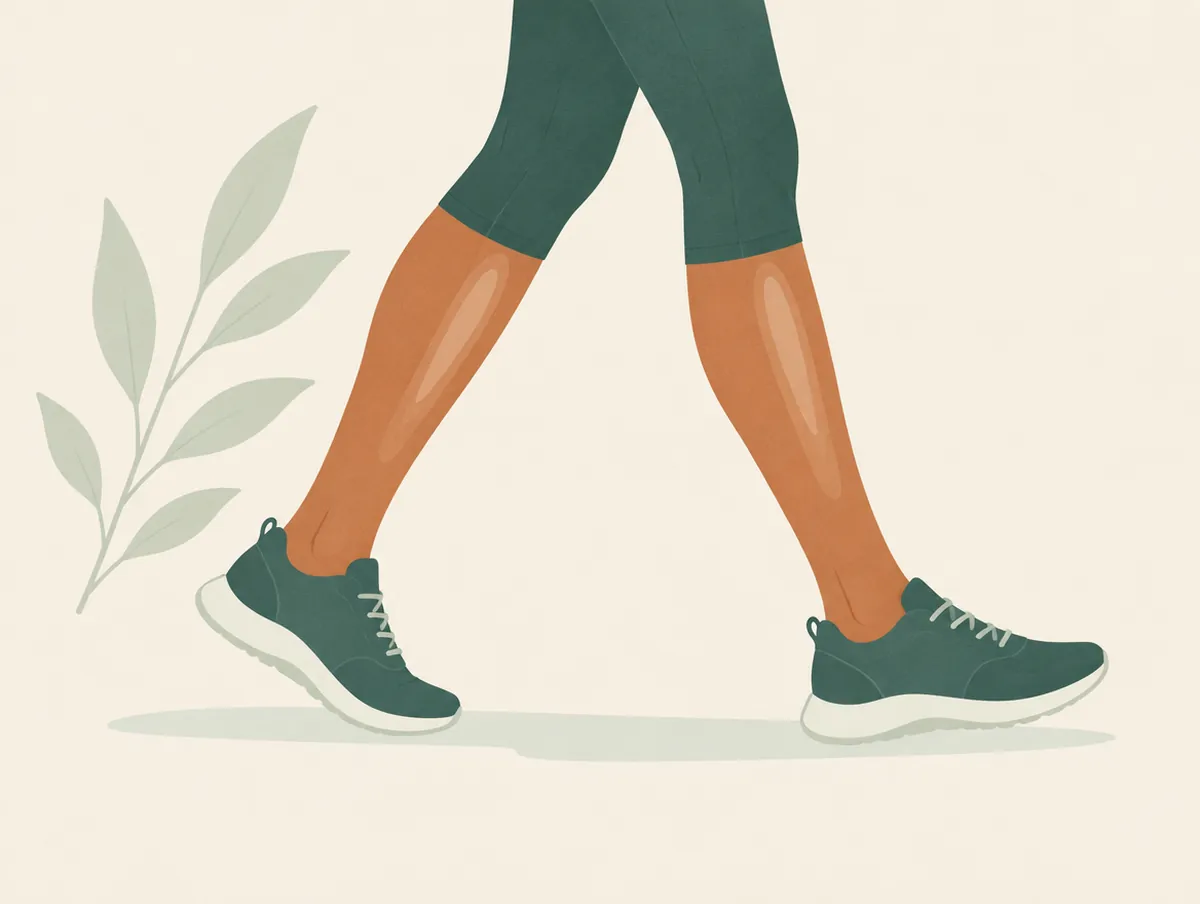
Shin splints is pain along the inner edge of the shinbone that builds with running, jumping or a sudden increase in training. We use acupuncture and related treatments to ease the pain and the tight lower-leg muscles while you adjust your training.
Common symptoms
- Aching or soreness along the inner edge of the shinbone, over a stretch of several centimetres
- Pain at the start of a run that may ease, then returns afterwards or the next morning
- Tenderness when you press along the inside of the shin
- Tight, tired calf muscles
- Mild swelling along the shin
Common causes
- A sudden increase in running distance, speed or hills
- Running or jumping on hard surfaces
- Worn-out shoes, or feet that roll in (overpronation)
- Tight calves and weak hip or foot muscles
- Returning to sport after a break, or starting a new one such as basketball or dance
How Chinese medicine understands shin splints
The inner edge of the shin is where the Spleen channel runs, and the front of the shin carries the Stomach channel. In Chinese medicine, pain along these lines after heavy use is usually seen as local Qi and Blood stagnation: repeated strain on the tissue slows circulation, and the area becomes sore, tender and tight.
Why one runner gets shin splints and another does not is where the pattern matters:
- Qi and Blood stagnation from overuse. The classic picture. Pain comes on with training, is fixed and tender, and eases with rest. Treatment moves circulation through the lower leg.
- Spleen Qi deficiency. In Chinese medicine the Spleen is linked to the muscles. When it is weak, muscles tire early and do not recover well between sessions. People with this pattern often feel generally tired or have a weak appetite. Treatment also supports recovery.
- Liver Blood not nourishing the sinews. Calves cramp, tendons feel tight, and flexibility is poor. Treatment nourishes as well as moves.
Most people with shin splints have overuse plus one of the other two. The overuse explains the pain; the pattern helps explain why the tissue could not keep up.
What treatment involves
The first visit includes a lot of questions about your training: how much, how often, on what surfaces, in what shoes, and what changed before the pain started. I also look at your tongue and take your pulse, and ask about sleep, energy and diet.
Acupuncture is usually the main treatment. Points along the shin and calf aim to ease pain and relax the tight muscles, and points elsewhere on the body address the pattern. I treat the whole body at every treatment, not only the area that hurts. Needles are very fine, between 0.14 and 0.30 mm.
Tuina massage can work the calf and the muscles along the shin. Cupping on the calf is often used to loosen tight tissue. When recovery is the weak point, Chinese herbal medicine is a formula written for your pattern and dispensed at the clinic.
Treatment works best alongside a sensible change in training load. Plan on 5–10 treatments to judge progress. The clinic is in Keswick; the first visit takes 75 minutes and follow-ups take 60.
Between visits
- Cut the load, not all activity. Reduce distance and impact until the shin settles, and keep fit with cycling, swimming or pool running.
- Build back slowly. When you return to running, increase distance gradually, and avoid adding speed and hills in the same week.
- Check your shoes. Running shoes wear out. If yours have many kilometres on them, or the soles are worn unevenly, replace them.
- Ice after activity. A cold pack wrapped in a cloth for 10 to 15 minutes can ease soreness.
- Strengthen calves and hips. Calf raises and hip exercises help the leg absorb each landing. A physiotherapist can set a program for you.
When to see your doctor first
See your doctor before starting treatment, or promptly if you are already coming in, if:
- Pain is in one small, very tender spot on the bone, or hurts at rest or at night. A stress fracture needs to be ruled out.
- Pain started with a fall, a twist or a direct blow.
- Your lower leg is tight, swollen and painful during exercise, with numbness in the foot, and the symptoms ease only after you stop. This can be compartment syndrome.
- Your calf is swollen, warm, red or painful at rest, especially after a long trip or surgery. This can be a blood clot. Seek care the same day.
- You have had repeated stress fractures, or irregular or missing periods with heavy training. These need medical assessment.
Questions about shin splints
How do I know it's shin splints and not a stress fracture?
Shin splints usually hurts along a longer stretch of the inner shin and eases with rest. A stress fracture tends to hurt in one small, very tender spot, can hurt even at rest or at night, and gets worse the more you load it. If you can press one fingertip on the sorest point and it is sharp, see your doctor. A stress fracture needs imaging and rest from impact.
Can I keep training while I have acupuncture for shin splints?
Usually with changes. Cutting back on distance and impact, and swapping some runs for cycling or swimming, gives the shin a chance to settle while you stay fit. Acupuncture does not replace that load management; it works alongside it.
Why would you treat my calves and hips for a shin problem?
The muscles that attach along the inner shin run down into the foot, and tight calves or weak hips change how the leg takes each landing. Treating the whole leg, and not only the sore spot, is common for shin splints.
Related conditions
- Achilles Tendinitis
- Ankle Sprain
- Back Pain
- Bursitis
- Carpal Tunnel Syndrome
- Fibromyalgia
- Frozen Shoulder
- Golfer's Elbow
- Gout
- Headaches & Migraines
- Hip Pain
- Knee Pain
- Neck Pain
- Osteoarthritis
- Peripheral Neuropathy (Numbness & Tingling)
- Piriformis Syndrome
- Plantar Fasciitis
- Repetitive Strain Injury
- Rheumatoid Arthritis
- Sciatica
- Shoulder Pain (Rotator Cuff & Impingement)
- Sports Injuries
- Tennis Elbow
- Trigger Finger
- Upper Back Pain
- Whiplash
- Wrist Pain & Tendinitis