
Chinese Cupping Weight Loss: What Traditional Chinese Medicine Says
November 23, 2026 · Jason Tarter, R.TCMP, R.Ac
In short
Chinese cupping does not replace diet and exercise as a weight-management strategy on its own, but many practitioners use it alongside acupuncture and Chinese herbal medicine to address Qi and Blood stagnation, a pattern Traditional Chinese Medicine links to sluggish digestion and fluid retention. Cupping is better understood as one supportive tool within a broader course of treatment than as a stand-alone weight-loss treatment.
Interest in chinese cupping weight loss has grown as more people look for natural ways to support a healthy weight alongside the basics of diet and activity. I want to walk through what cupping can realistically add to a weight-management routine, how it fits into Traditional Chinese Medicine more broadly, and what a visit actually involves so you can decide whether it makes sense for you.
In this article
What Chinese Cupping Is
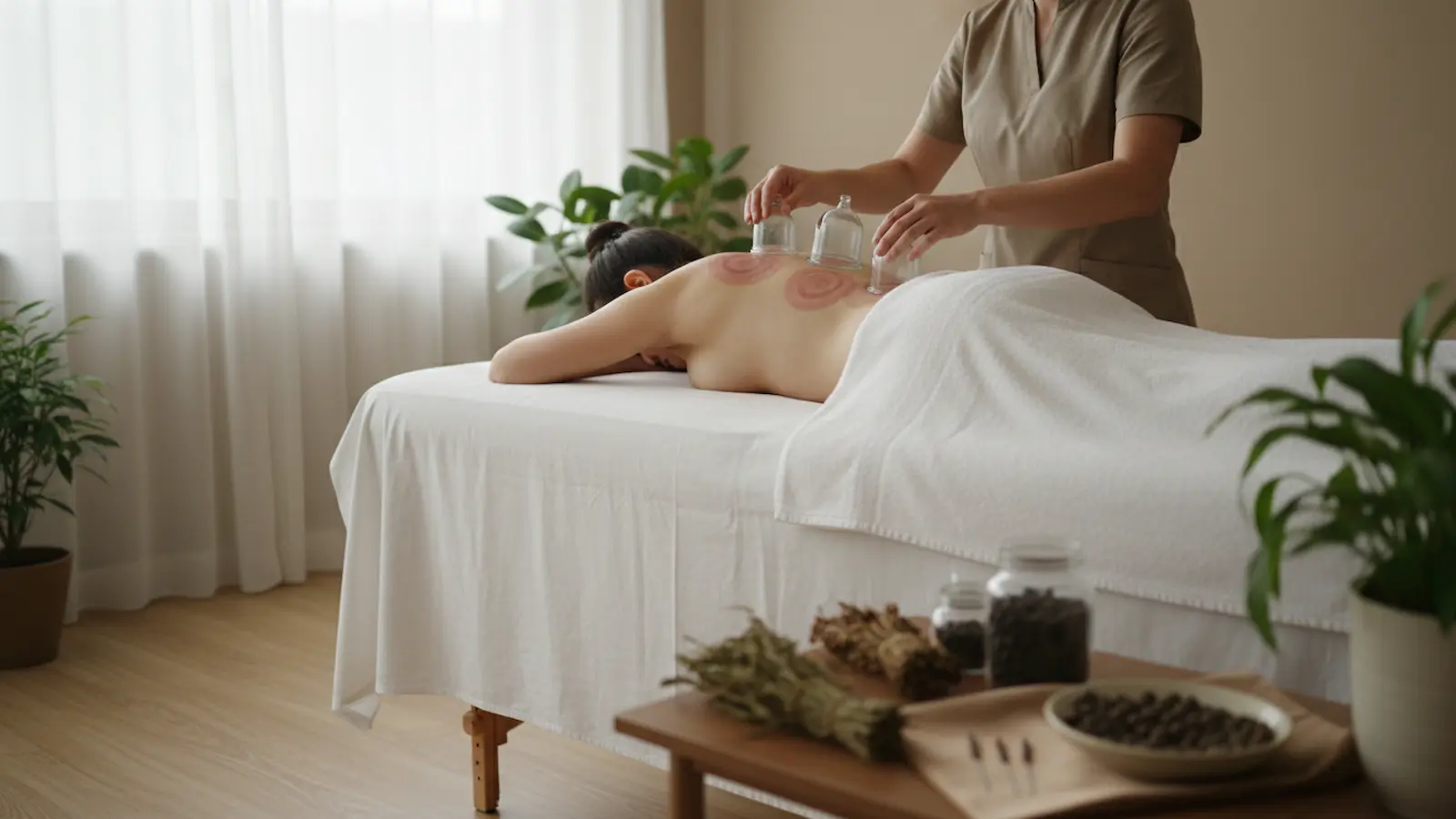
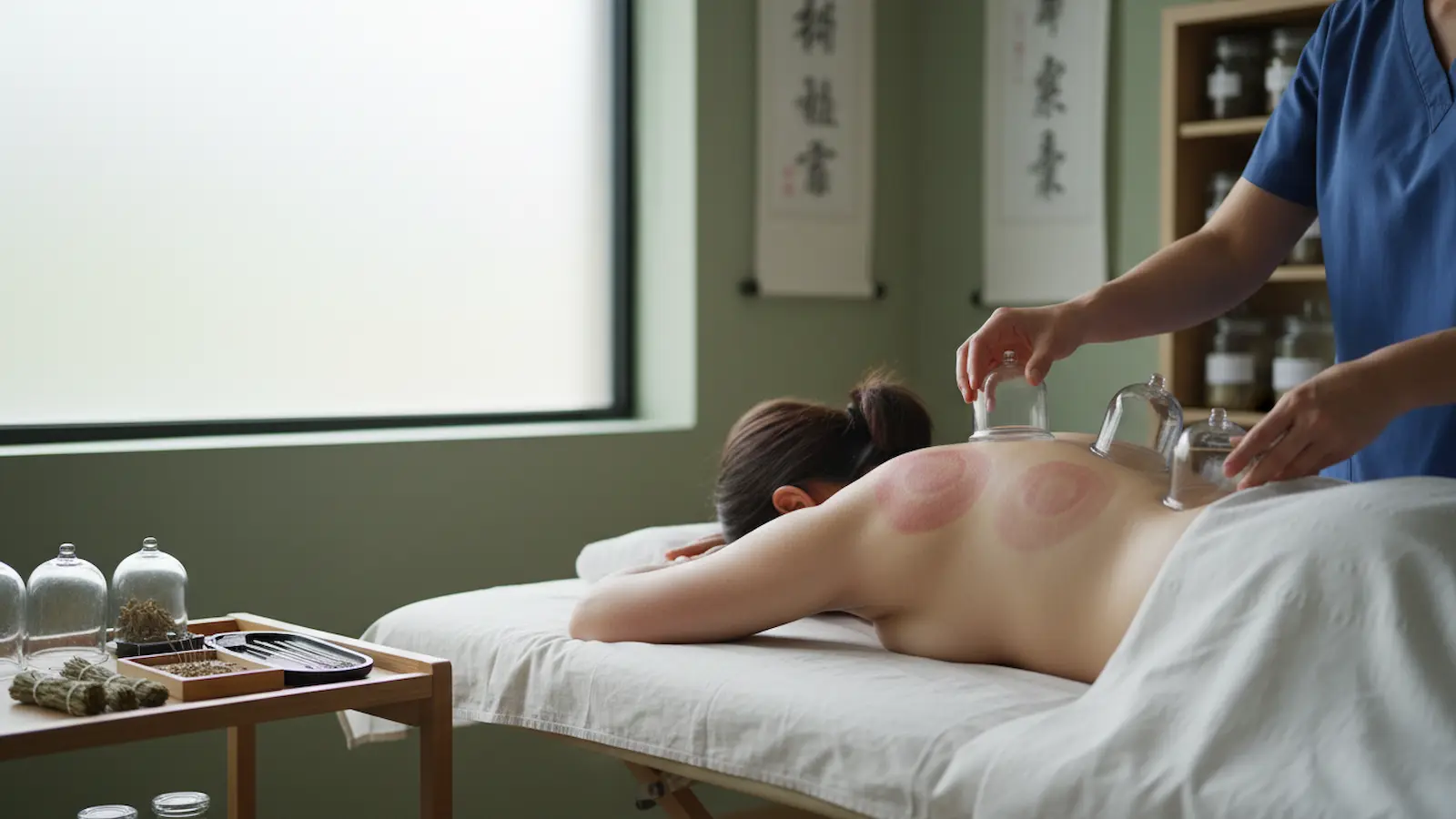
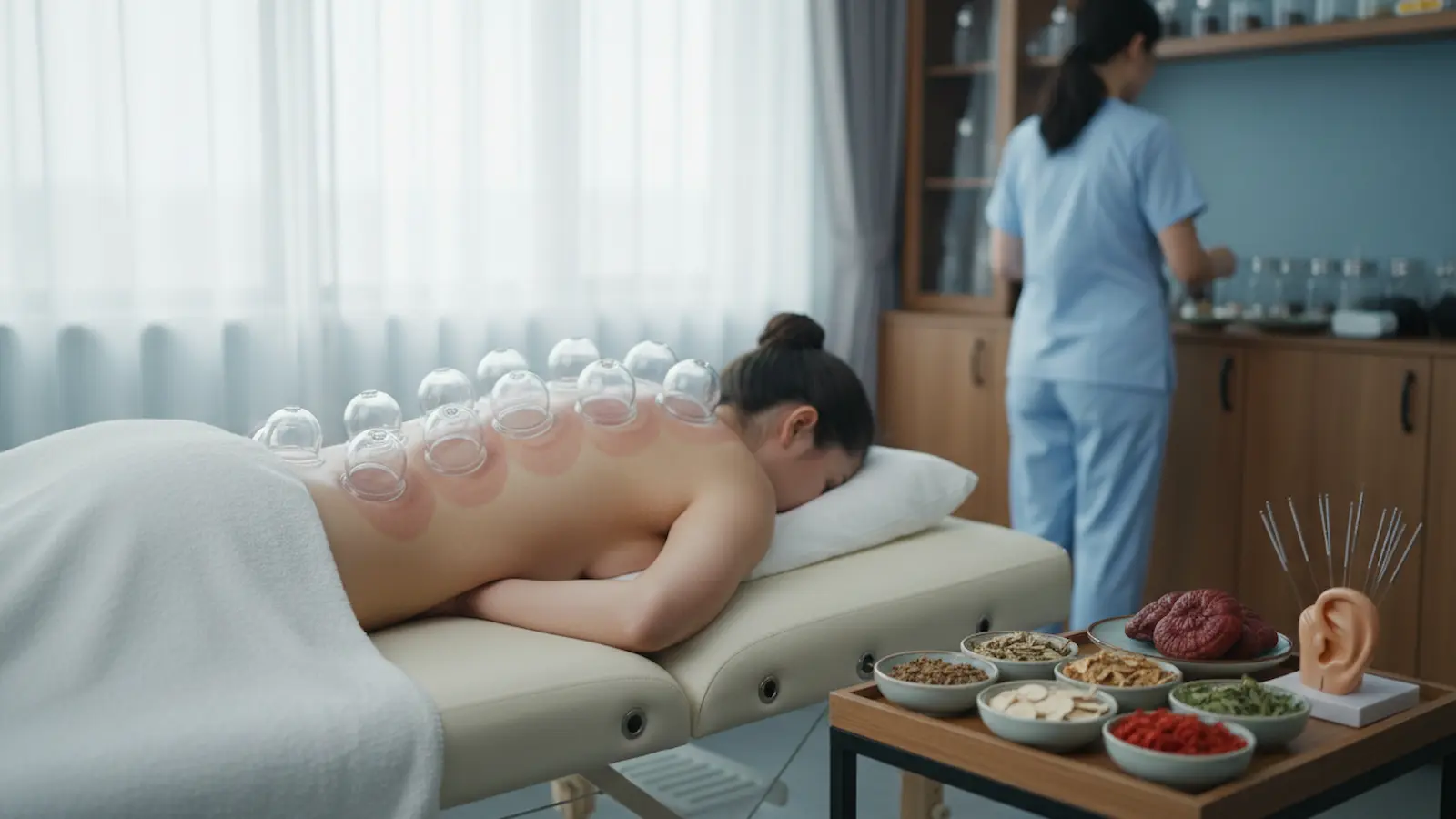
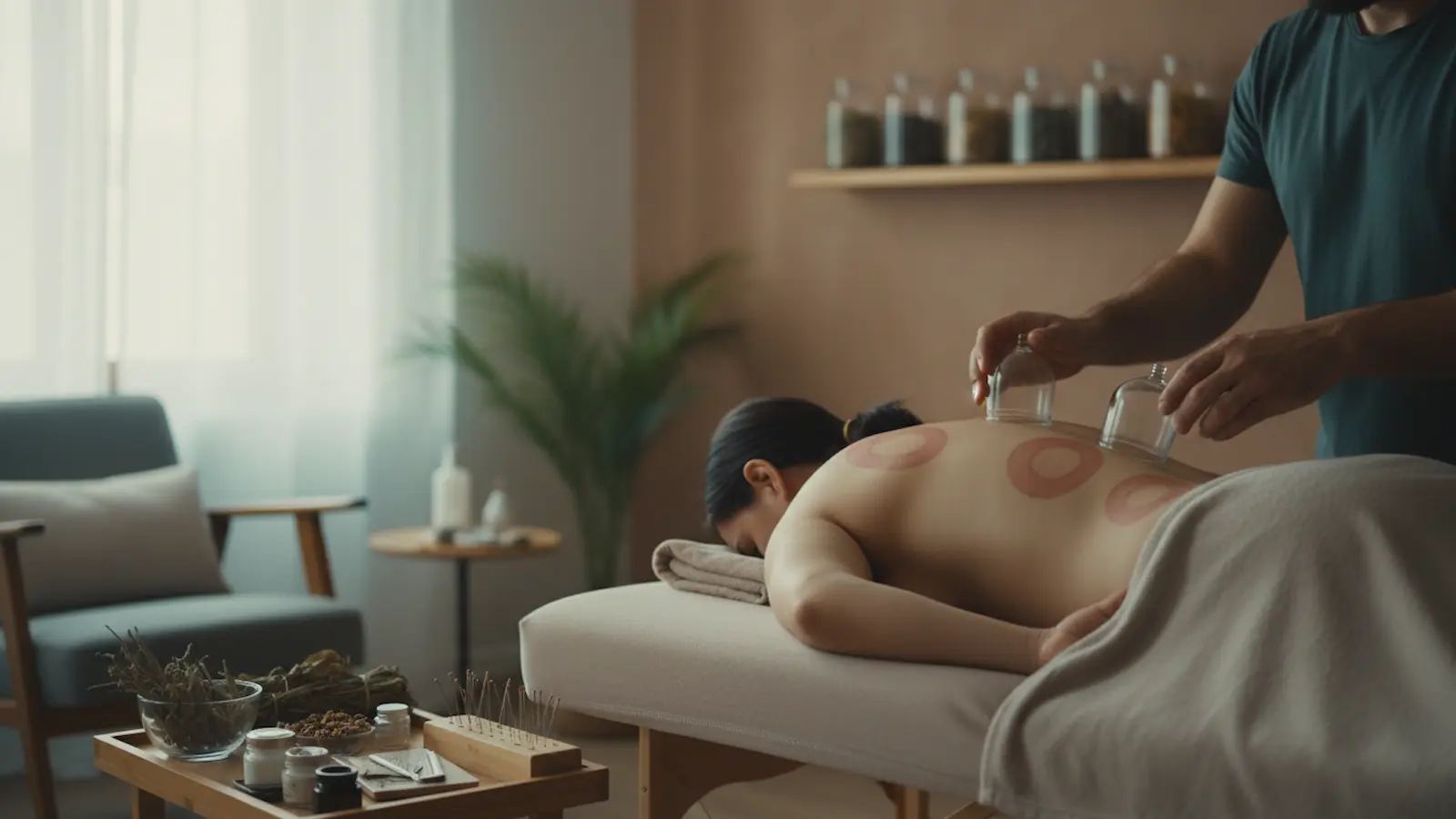
Chinese cupping uses glass, silicone, or bamboo cups placed on the skin to create suction. That suction draws blood toward the surface, which is why cupping often leaves round, temporary marks. In Traditional Chinese Medicine, this suction is thought to help move Qi and Blood through areas where they have become stagnant, which practitioners associate with pain, tightness, and some digestive complaints.
How a Cupping Visit Works
A practitioner will usually ask about your health history and current symptoms before applying cups to specific areas of the back, abdomen, or limbs, depending on the pattern they identify. Cups may be left in place for several minutes or moved along the skin in a gliding technique. If you want a closer look at what a session involves, I've covered the process in detail in The Chinese Cupping Method: What to Expect From Treatment.
Chinese Cupping and Weight Management in Traditional Chinese Medicine
Qi and Blood Stagnation
Traditional Chinese Medicine does not look at weight the way conventional nutrition science does. Instead, a practitioner considers whether Qi and Blood stagnation, dampness, or a weak Spleen pattern may be contributing to bloating, low energy, or poor digestion. Cupping is one of several tools used to address stagnation, working alongside formula-based herbal support and acupuncture rather than in place of them.
Why Cupping Alone Isn't a Weight-Loss Plan
Book a time
Pick a time that suits you.
Book a time- Phone: (647) 346-2780
- Email: jasontcm@traditionalhealingcentre.com
- Address: 213 Queensway S. Unit 400, Keswick, Ontario, L4P2A7
Related articles
It's worth being clear-eyed here: cupping affects circulation and muscle tension at the treatment site, but it does not burn calories or change metabolism on its own. Anyone considering chinese cupping weight loss should think of it as a complementary piece of a larger plan that still includes diet, activity, and, where appropriate, medical guidance, rather than a shortcut.
Pairing Cupping With Other Traditional Chinese Medicine Tools
Chinese Herbal Medicine
Custom herbal formulas are often paired with cupping and acupuncture to support digestion and address the specific pattern behind a patient's symptoms. I've written more about this approach in Chinese Herbs to Lose Weight: What Actually Helps, which explains how formulas are matched to the individual rather than used as a generic supplement.
Acupuncture and Tuina Massage
Acupuncture is frequently used in the same visit as cupping to help move Qi and Blood, while Tuina massage can be added to work on tight muscles and encourage circulation in specific areas. Together, these approaches reflect how Traditional Chinese Medicine tends to layer several tools rather than relying on just one.
What a Course of Treatment Looks Like
A single cupping session is unlikely to tell you much. Most practitioners recommend a course of treatment over several visits so progress can be tracked and the plan adjusted as your pattern shifts. Results vary by person, and a practitioner should be tracking your pattern at each visit rather than repeating the same protocol automatically.
Safety and Trying Cupping on Your Own
Cupping is generally well tolerated, though it can leave temporary marks and isn't right for everyone, including people with certain skin conditions or bleeding disorders. Some people try cupping tools at home after seeing them online, but there are real limits to what's appropriate without training. I go through those limits in Chinese Cupping Therapy at Home: What to Know First, which is worth reading before buying equipment.
Why a Personalized Diagnosis Matters
This is the part I care about most. At Traditional Healing Centre in Keswick, Ontario, every treatment plan starts from your own Traditional Chinese Medicine diagnosis, never an off-the-shelf protocol. I'm Jason Tarter, R.TCMP, R.Ac, registered with the College of Traditional Chinese Medicine Practitioners and Acupuncturists of Ontario, and I've been in practice for 18 years, combining acupuncture and Chinese cupping with custom herbal formulas written for each patient and filled through my own herbal dispensary. If weight management is part of what's bringing you in, I'll ask a lot of questions, look at your tongue, and take your pulse before suggesting cupping, acupuncture, herbs, or some combination of the three. Plan on five to ten visits before judging progress, and keep in mind that many extended health plans cover acupuncture and Chinese medicine services, so it's worth checking your plan.
Moving Forward
Ready to book, or have a question?
Book with Traditional Healing CentreIn this series
- Fire Cupping: What It Is, Does It Hurt, and the Marks It Leaves
- How Often Should You Get Cupping?
- Cupping for Neck Pain
- Chinese Cupping Therapy at Home: What to Know First
- Cupping Therapy: How It Works and Who It Helps
- Cupping Side Effects, Bruises and Dangers: What's Normal
- Understanding the Cupping Procedure: What to Expect
- Facial Cupping Therapy: What It Is and How It Works
- Flame Cupping: How It Works and What to Expect
- Cupping Therapy Chinese Medicine: What to Expect
- Back Pain Cupping Therapy: What to Expect and How It Helps
- Cupping Placement Chart: What It Shows and Why It Varies
- Massage Cupping Therapy Near Me: What to Expect
- Chinese Cupping Near Me: What to Know Before You Book
- How Often Should You Do Cupping? A Practical Guide
- Cupping Therapy for Legs: Benefits and What to Expect
- Chinese Cupping Benefits: What This Therapy Can Do for You
- Where to Place Cups for Cupping: A Regional Guide
- Chinese Cupping Weight Loss: What Traditional Chinese Medicine Says