
In short
Cupping therapy in Chinese medicine uses suction cups placed on the skin to move Qi and Blood, easing the stagnation that contributes to pain and tension. It's often used alongside acupuncture to address chronic pain, muscle tightness, and some digestive or stress-related complaints.
Cupping therapy Chinese medicine has grown into one of the more recognizable techniques in natural health care, partly because of the circular marks it can leave on the skin. Beyond its visibility, this ancient practice has a long history of use alongside acupuncture and herbal formulas, and it continues to draw interest from patients who want a treatment that targets muscle tension and stagnation directly at the surface of the body.
In this article
What Cupping Therapy Involves
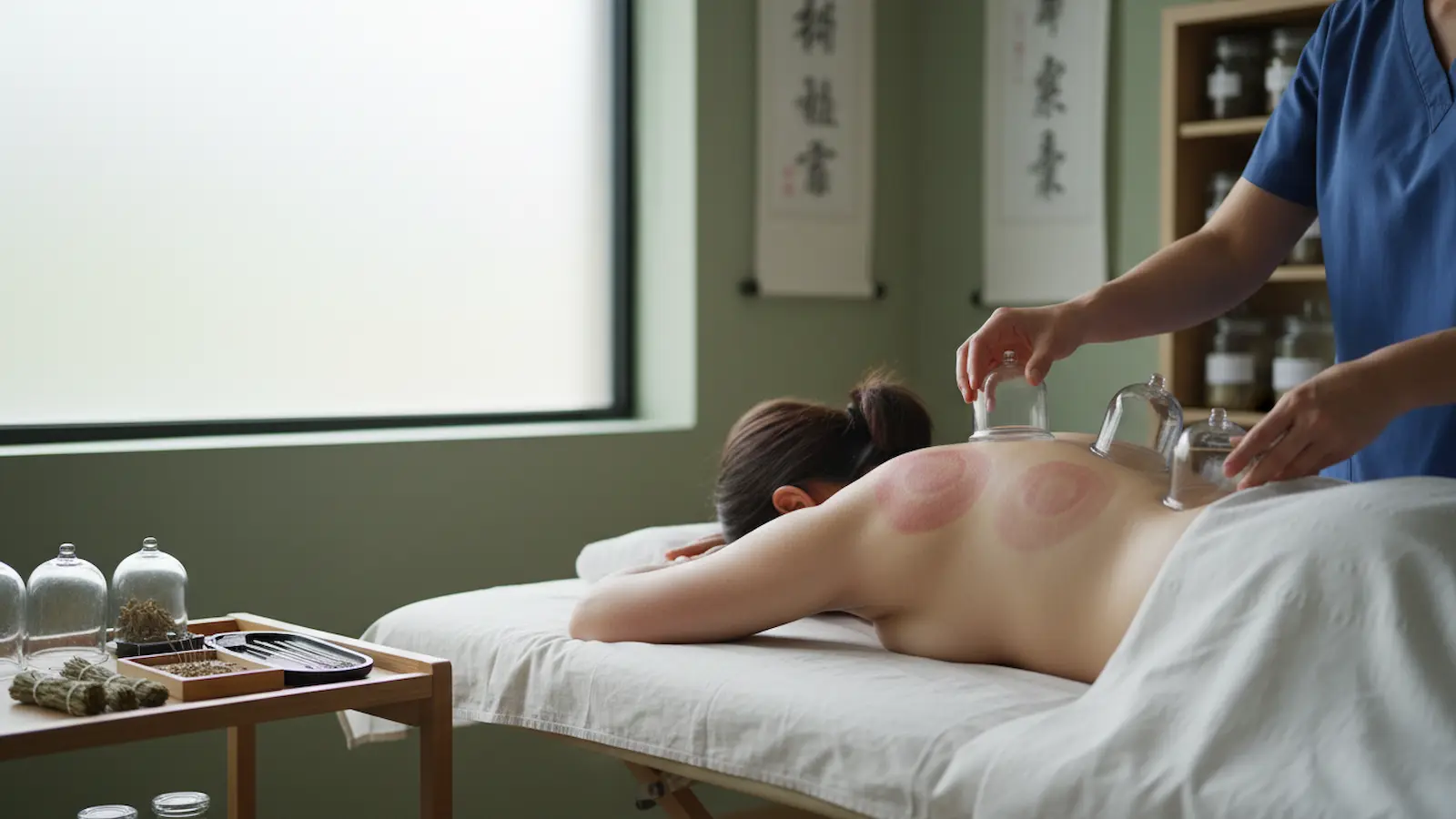
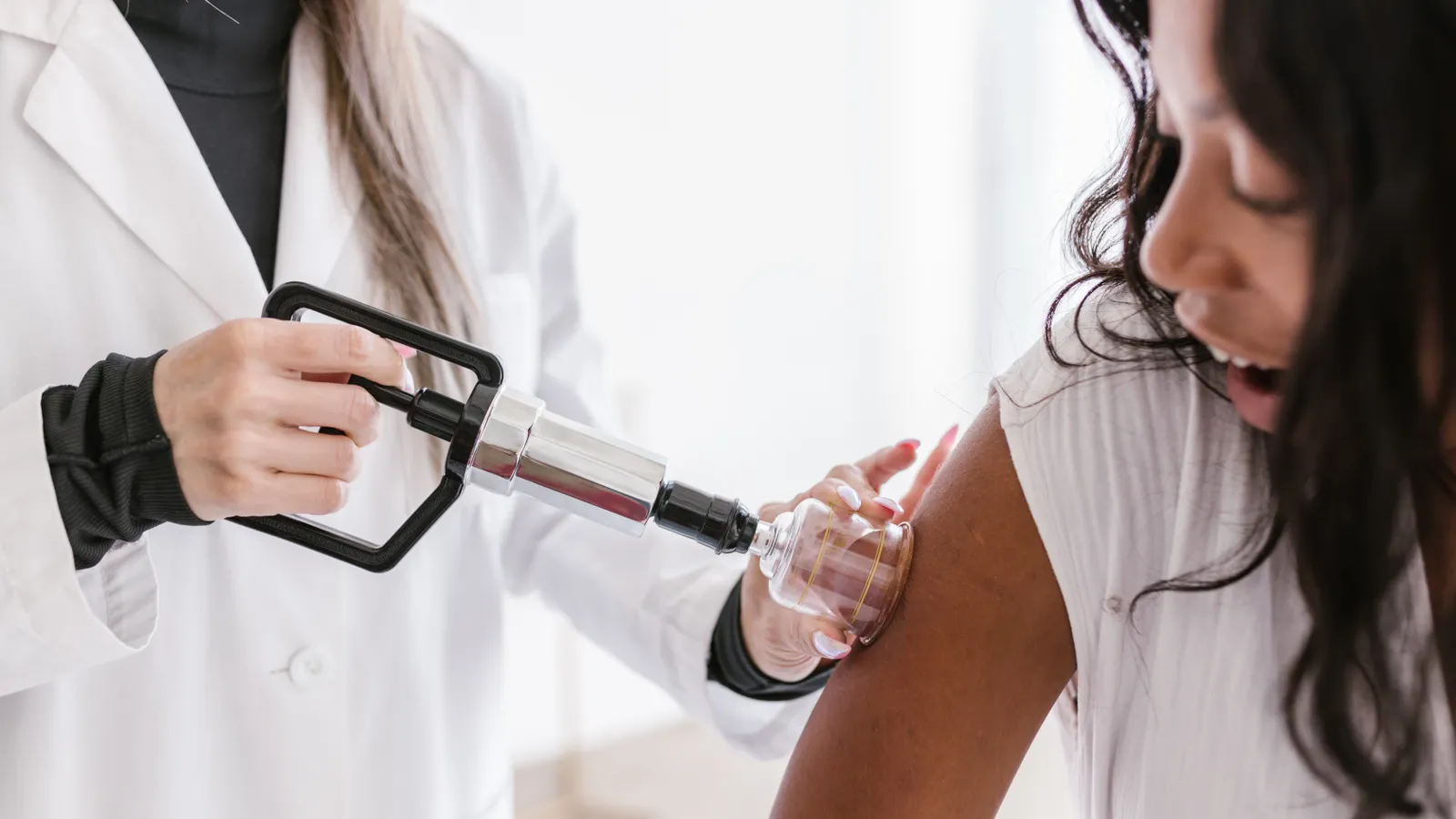
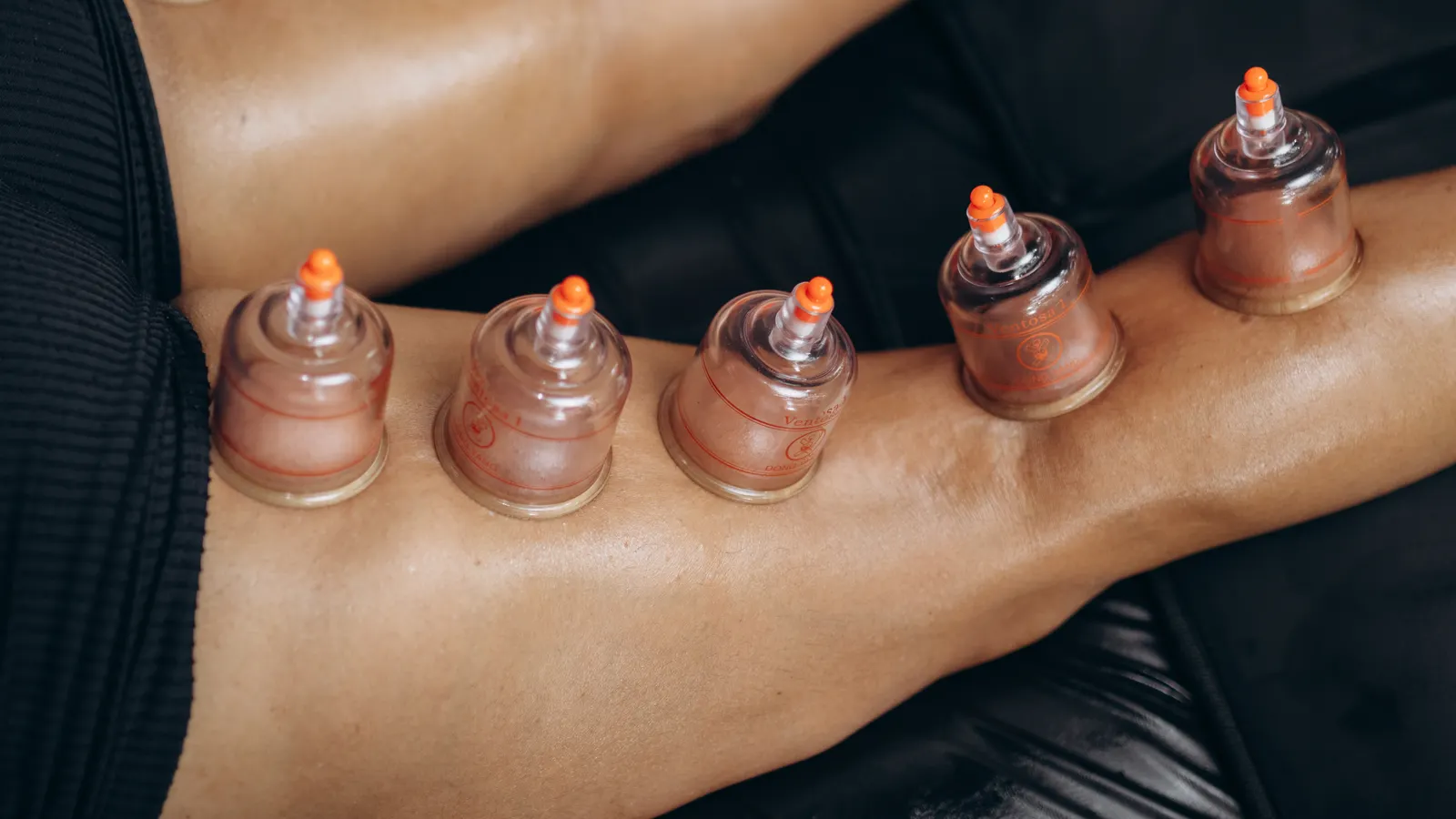
Cupping uses glass, silicone, or bamboo cups placed against the skin, usually on the back, shoulders, or legs. A practitioner creates suction inside each cup, either with heat or a hand pump, which draws the skin and the tissue just beneath it upward into the cup.
The Cups and the Suction
The suction is the active ingredient, so to speak. Once the cups are in place, they may stay still for several minutes or be moved slowly across the skin, a technique sometimes called sliding or massage cupping. I cover this sliding technique in more detail in Cupping Therapy Massage: What It Is and How It Works, which explains how the moving cups work on tight muscles differently than stationary ones.
The Traditional Chinese Medicine Theory Behind Cupping
In Traditional Chinese Medicine, pain and tension are frequently understood as signs of Qi and Blood stagnation. When Qi and Blood aren't flowing smoothly through a particular area, the tissue there becomes tight, sore, or restricted.
Qi and Blood Stagnation
Book a time
Pick a time that suits you.
Book a time- Phone: (647) 346-2780
- Email: jasontcm@traditionalhealingcentre.com
- Address: 213 Queensway S. Unit 400, Keswick, Ontario, L4P2A7
Related articles
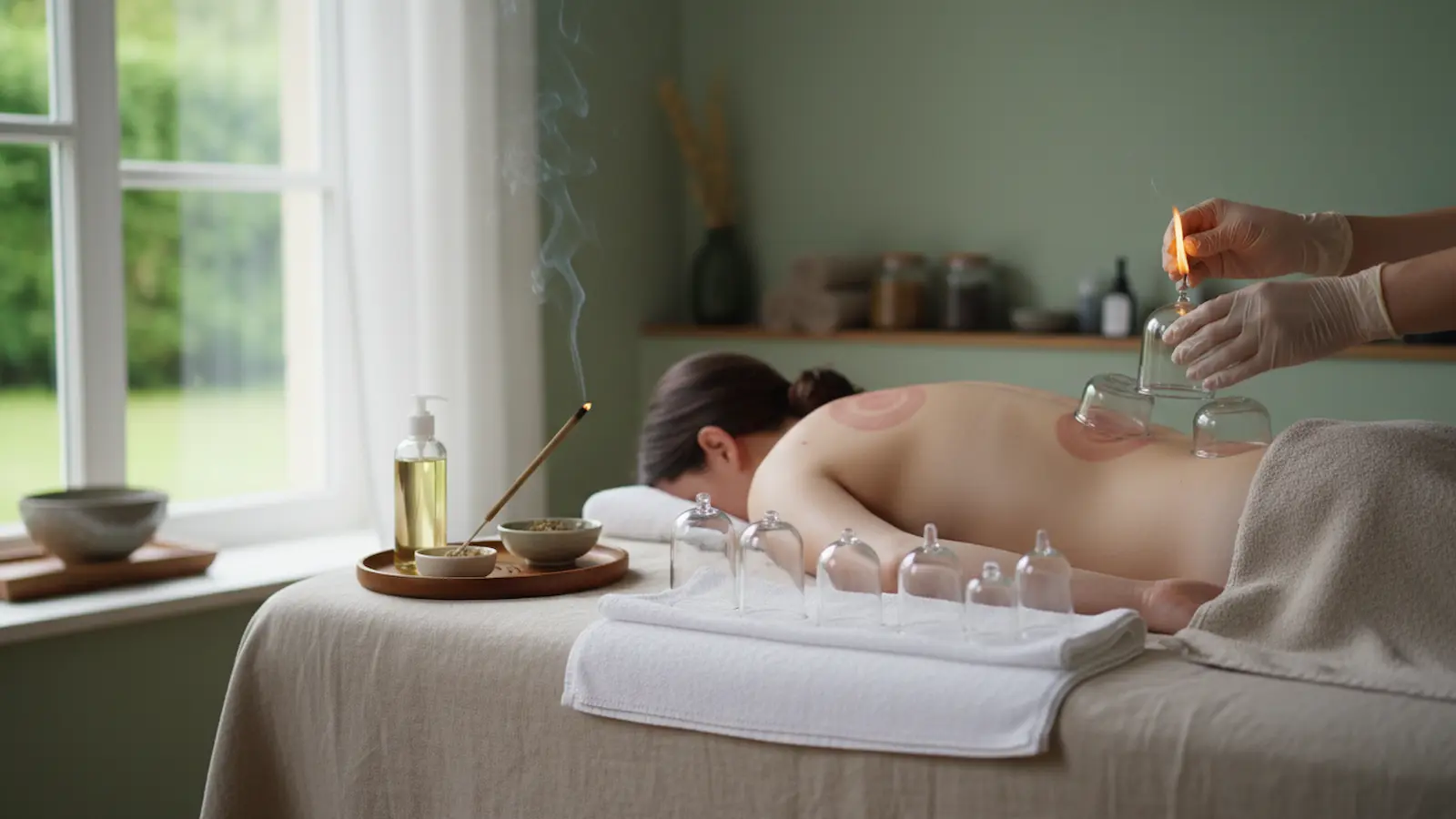
Cupping is thought to pull stagnant Qi and Blood toward the surface, encouraging fresh circulation to move back into the area once the cups are removed. This is also why many patients notice temporary marks after a session, which fade over the following days as the stagnation clears.
How Cupping Fits With Acupuncture
Cupping rarely stands entirely on its own. In my practice, I often combine it with acupuncture and, where appropriate, a custom herbal formula, because each tool addresses the underlying pattern from a slightly different angle. Acupuncture works on specific points along the body's channels, while cupping works more broadly across a muscle group or region, which makes the two complementary rather than interchangeable.
What Cupping Therapy May Help With
Chronic Pain and Muscle Tension
Cupping is most often requested for chronic back pain, shoulder and neck tightness, and general muscle tension. I've written separately about Cupping for Neck Pain for readers dealing specifically with stiffness or restricted movement in that area.
Other Uses
Some patients also ask about cupping for stress, poor sleep, or digestive discomfort, since Qi and Blood stagnation isn't limited to the muscles. For readers interested in how cupping interacts with deeper connective tissue rather than just surface muscle, Myofascial Cupping Therapy: What It Is and How It Helps goes into that distinction further.
What to Expect During a Visit
Sensations and Aftercare
Most patients describe the sensation as a firm pulling or tightness rather than pain. Afterward, it's common to see round marks on the skin where the cups sat; these aren't bruises in the usual sense and typically fade within several days to about a week. I generally recommend keeping the treated area warm and avoiding intense exercise immediately afterward.
How Many Visits You May Need
Because cupping works on a pattern rather than a single symptom, I usually suggest planning on five to ten treatments before judging progress. Some patients notice a difference sooner, but a full course of treatment gives a more honest picture of how the body is responding.
Finding a Qualified Practitioner
Every treatment plan at Traditional Healing Centre starts from the patient's own Traditional Chinese Medicine diagnosis, never an off-the-shelf protocol. I'm Jason Tarter, R.TCMP, R.Ac, registered with the College of Traditional Chinese Medicine Practitioners and Acupuncturists of Ontario, and I've been treating patients in Keswick since 2008. When I use cupping, it's chosen because it fits the pattern I find during your visit, not applied as a default. Receipts I issue are from a Registered Acupuncturist and Registered Traditional Chinese Medicine Practitioner, and many extended health plans cover these services, so it's worth checking your own coverage.
Ready to book, or have a question?
Book with Traditional Healing CentreIn this series
- Fire Cupping: What It Is, Does It Hurt, and the Marks It Leaves
- How Often Should You Get Cupping?
- Cupping for Neck Pain
- Chinese Cupping Therapy at Home: What to Know First
- Cupping Therapy: How It Works and Who It Helps
- Cupping Side Effects, Bruises and Dangers: What's Normal
- Understanding the Cupping Procedure: What to Expect
- Facial Cupping Therapy: What It Is and How It Works
- Flame Cupping: How It Works and What to Expect
- Back Pain Cupping Therapy: What to Expect and How It Helps
- Cupping Placement Chart: What It Shows and Why It Varies
- Massage Cupping Therapy Near Me: What to Expect
- Chinese Cupping Near Me: What to Know Before You Book
- How Often Should You Do Cupping? A Practical Guide
- Cupping Therapy for Legs: Benefits and What to Expect
- Cupping Therapy Chinese Medicine: What to Expect