
In short
Wet cupping, also known as Hijama, uses suction cups along with small skin incisions to draw a small amount of blood from the body, a method tied to clearing what Traditional Chinese Medicine calls Qi and Blood stagnation. It differs from dry cupping, which relies on suction alone. Research on wet cupping's benefits is still limited, though several small studies report improvements in pain and quality-of-life measures.
Wet cupping benefits have drawn growing interest as more people look beyond medication alone for chronic pain and stress-related complaints. Unlike dry cupping, wet cupping involves a brief, controlled release of blood after the cups are removed, a step rooted in the belief that stagnant Qi and Blood can be drawn toward the surface and released. This article looks at what current research says about wet cupping, how it compares with other forms of cupping therapy, and what to consider before adding it to your course of treatment.
In this article
What Is Wet Cupping?
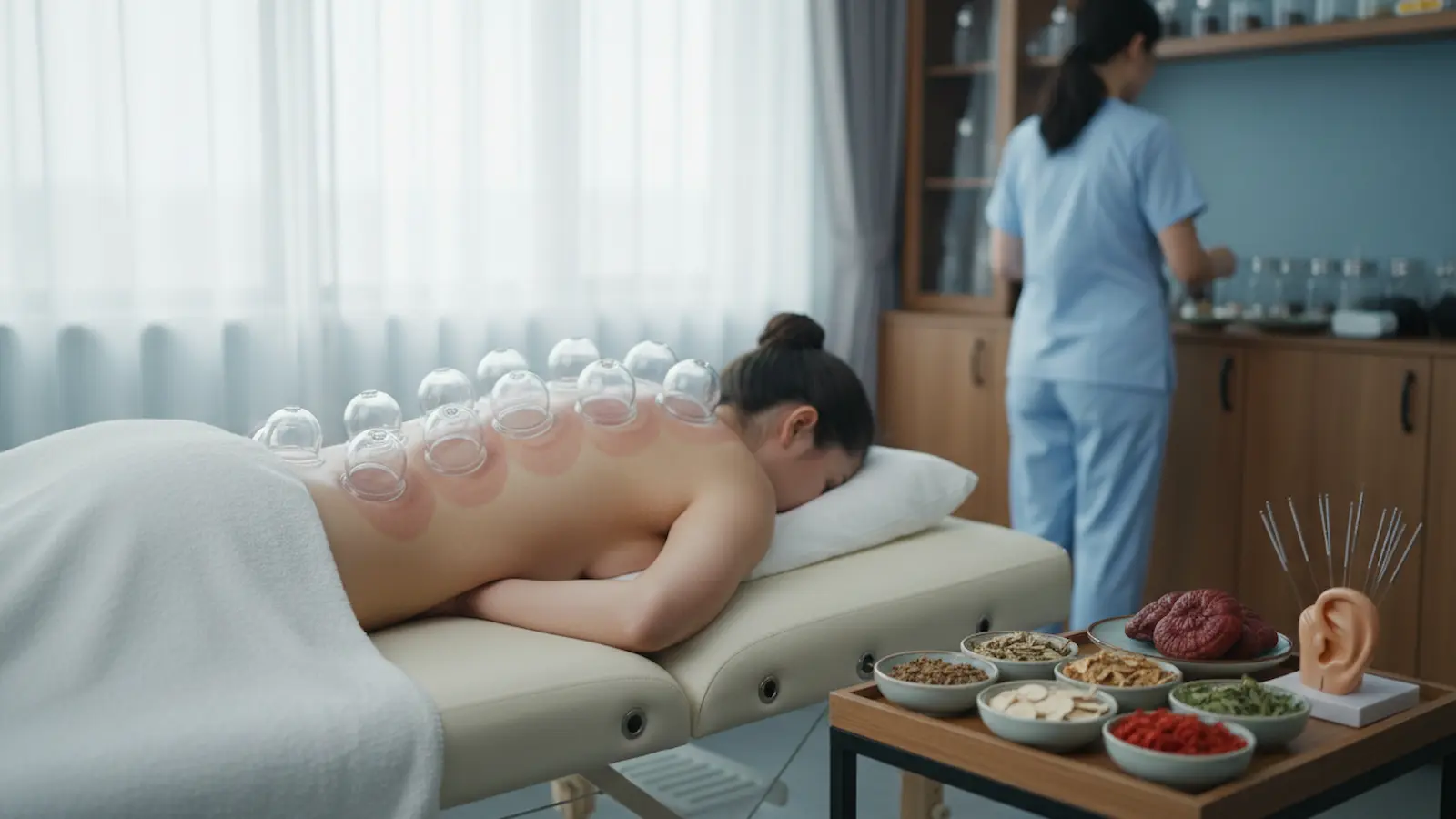
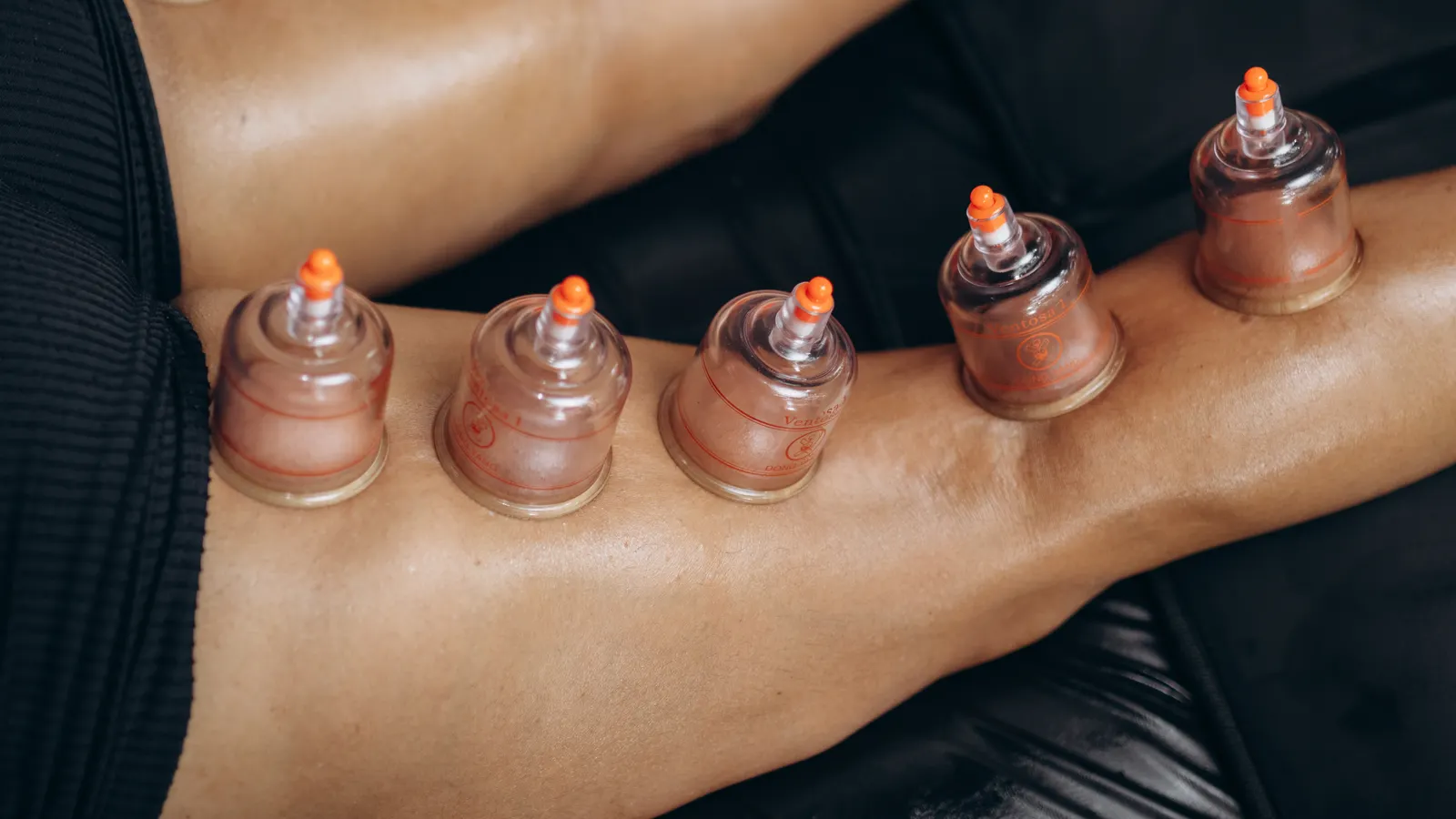
Wet cupping begins the same way dry cupping does: a cup is placed on the skin and suction is created, either with heat or a manual pump, pulling the skin and underlying tissue upward. With wet cupping, the practitioner then makes a series of very small, shallow incisions before reapplying the cup, allowing a small amount of blood to collect. The whole process is brief and is typically followed by a bandage over the treated area.
How It Differs From Dry Cupping
Dry cupping uses suction only, leaving the characteristic circular marks without breaking the skin. Wet cupping is a more specialized technique and is not offered everywhere.
The Reported Benefits of Wet Cupping
Pain Relief
Several small clinical studies have examined wet cupping for conditions such as low back pain, neck pain, and headaches, with some participants reporting reduced pain intensity after a course of sessions. The proposed mechanism in Traditional Chinese Medicine terms is the release of Qi and Blood stagnation, which is thought to underlie many types of localized pain.
Reduced Inflammation
Book a time
Pick a time that suits you.
Book a time- Phone: (647) 346-2780
- Email: jasontcm@traditionalhealingcentre.com
- Address: 213 Queensway S. Unit 400, Keswick, Ontario, L4P2A7
Related articles

Some researchers have looked at markers of inflammation before and after wet cupping sessions, with a handful of studies suggesting short-term reductions. This research is preliminary, and more consistent, larger trials are needed before firm conclusions can be drawn.
Other Reported Effects
Beyond pain, some patients and practitioners describe improvements in general tension, stiffness, and a sense of heaviness in the treated area. These reports are largely anecdotal and should be weighed alongside the limited clinical evidence available.
What the Research Says
A body of smaller studies and systematic reviews has looked at wet cupping across a range of conditions, and the overall picture is cautiously positive but far from conclusive. Many of the available trials involve small sample sizes, inconsistent methods, and short follow-up periods.
Limitations to Keep in Mind
Wet cupping should not be treated as a stand-alone solution for serious or chronic illness, and it does not replace your doctor's treatment or medication. It is best understood as one tool among several within a broader approach to managing pain and stagnation-related complaints, used alongside, not instead of, other care.
Is Wet Cupping Right for You?
People dealing with chronic pain, including back pain, sciatica, or recurring tension headaches, sometimes ask about cupping as part of a wider treatment plan. Whether wet or dry cupping suits your situation depends on your individual pattern, which is why a proper assessment matters before any technique is chosen.
Who Should Avoid It
Wet cupping involves breaking the skin, so it is generally not suitable for people with bleeding disorders, those on blood-thinning medication, or anyone with active skin infections or wounds in the treatment area. Pregnant patients and anyone with a chronic health condition should discuss cupping with a qualified practitioner before proceeding.
Cupping Therapy at Traditional Healing Centre
At Traditional Healing Centre in Keswick, Ontario, Jason Tarter, R.TCMP, R.Ac, offers Chinese Cupping as one of several techniques used to address Qi and Blood stagnation. Every treatment plan starts from your own Traditional Chinese Medicine diagnosis, never an off-the-shelf protocol, so cupping is used only where it fits your pattern and the rest of your course of treatment. Jason has been in practice for 18 years and is registered with the College of Traditional Chinese Medicine Practitioners and Acupuncturists of Ontario (CTCMPAO). To see what a typical session involves, read The Chinese Cupping Method: What to Expect From Treatment or Cupping for Neck Pain for a closer look at how it's applied to a common complaint.
How to Prepare for a Cupping Visit
Before your first visit, it helps to arrive hydrated and avoid strenuous exercise immediately beforehand, since the treated area may be tender for a day or two afterward. Plan on 5–10 treatments to judge progress, as cupping and other Traditional Chinese Medicine techniques are generally assessed over a course rather than a single visit. If you're curious about how cupping fits alongside acupuncture and herbal formulas, Chinese Medicine Benefits: What Acupuncture and Herbs Can Do offers a broader overview. Many extended health plans cover acupuncture and Chinese medicine services, though OHIP does not, so it's worth checking your coverage ahead of time.
Ready to book, or have a question?
Book with Traditional Healing CentreIn this series
- Fire Cupping: What It Is, Does It Hurt, and the Marks It Leaves
- How Often Should You Get Cupping?
- Cupping for Neck Pain
- Chinese Cupping Therapy at Home: What to Know First
- Cupping Therapy: How It Works and Who It Helps
- Cupping Side Effects, Bruises and Dangers: What's Normal
- Understanding the Cupping Procedure: What to Expect
- Facial Cupping Therapy: What It Is and How It Works
- Flame Cupping: How It Works and What to Expect
- Cupping Therapy Chinese Medicine: What to Expect
- Back Pain Cupping Therapy: What to Expect and How It Helps
- Cupping Placement Chart: What It Shows and Why It Varies
- Massage Cupping Therapy Near Me: What to Expect
- Chinese Cupping Near Me: What to Know Before You Book
- How Often Should You Do Cupping? A Practical Guide
- Cupping Therapy for Legs: Benefits and What to Expect
- Chinese Cupping Benefits: What This Therapy Can Do for You
- Where to Place Cups for Cupping: A Regional Guide
- Chinese Cupping Weight Loss: What Traditional Chinese Medicine Says
- Wet Cupping Benefits: What the Research Really Shows