
Benefits of Ventosa Massage Cupping Therapy for Pain and Tension
November 24, 2026 · Jason Tarter, R.TCMP, R.Ac

In short
The benefits of ventosa massage cupping therapy include easing muscle tightness, encouraging local circulation, and helping release Qi and Blood stagnation that builds up around tense or overworked areas. Many people use it alongside acupuncture to support recovery from chronic pain, stiff shoulders, or lower back discomfort.
Ventosa is simply another name for cupping, the Spanish word often used in massage and bodywork circles for the same suction-cup technique practiced in Traditional Chinese Medicine clinics. Whether you first heard the term from a massage therapist or a TCM practitioner, the benefits of ventosa massage cupping therapy draw on the same principle: using controlled suction to lift the skin and underlying tissue, rather than pressing down into it the way a typical massage does. This article looks at how the technique works, what it may help with, and what a typical visit involves.
In this article
What Is Ventosa Massage Cupping Therapy?
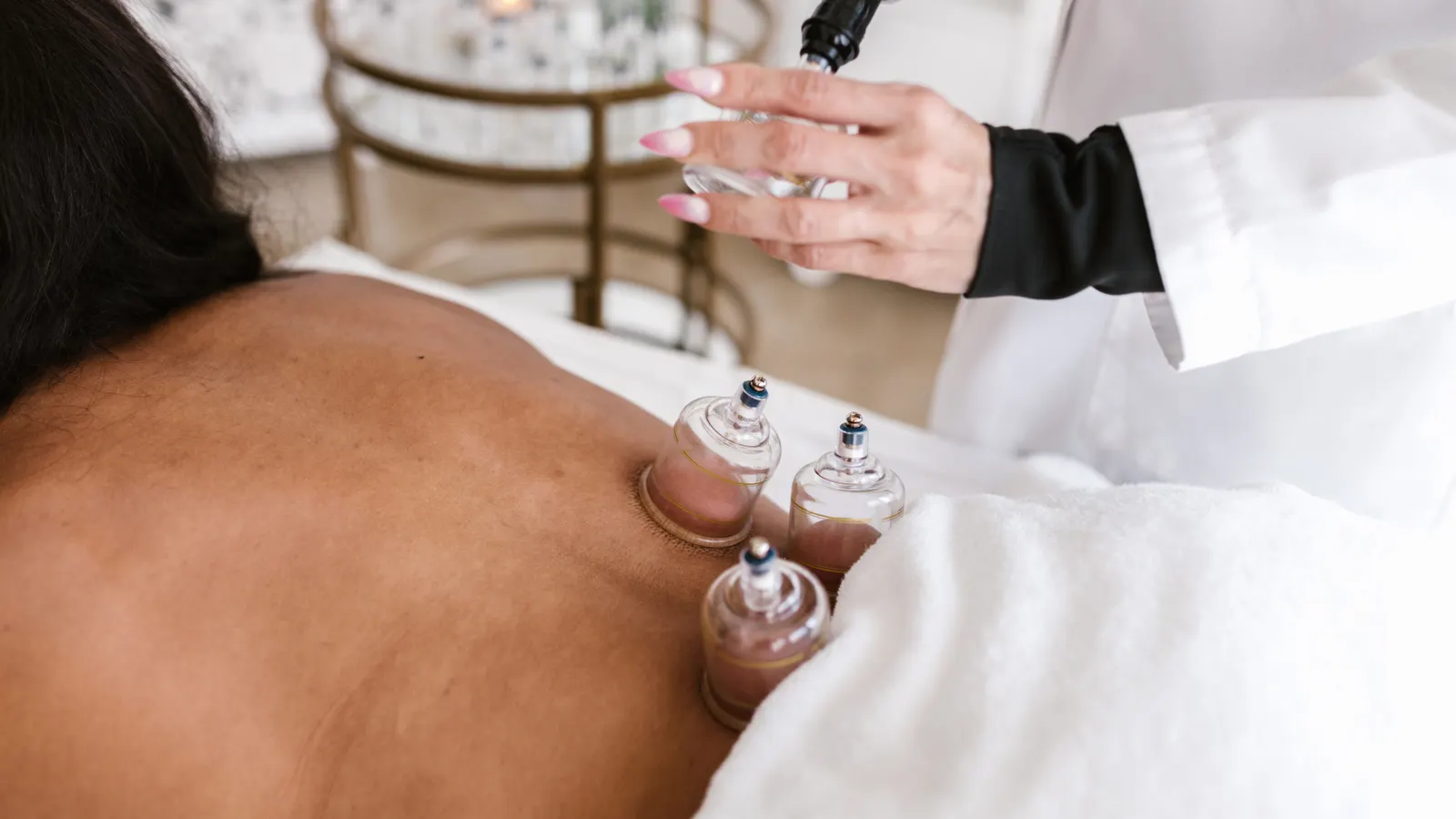
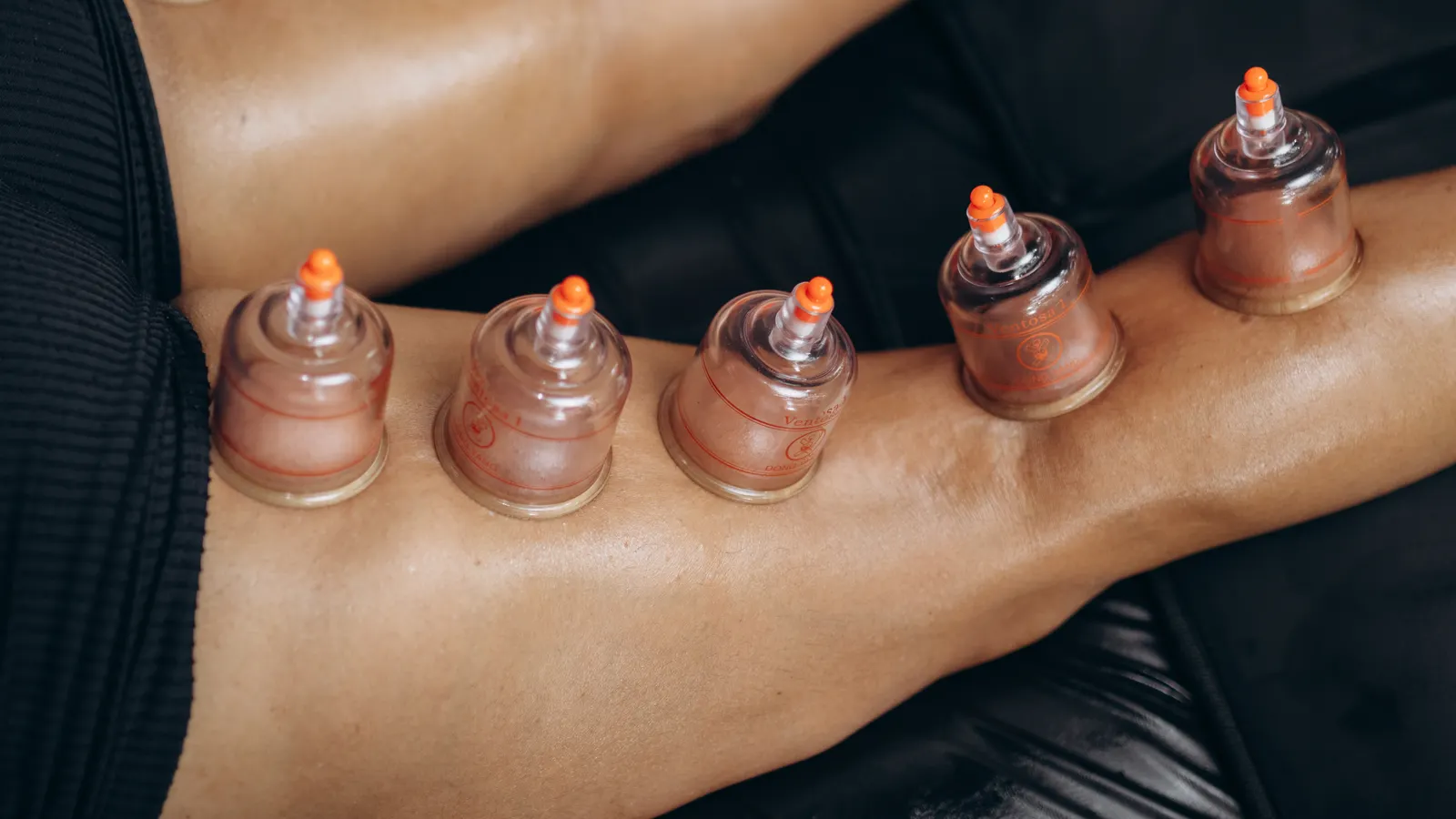
Cupping uses glass, silicone, or plastic cups placed on the skin, usually along the back, shoulders, or legs. Suction draws the skin and the tissue beneath it upward into the cup, which is the opposite sensation of most hands-on massage work. In Traditional Chinese Medicine, this upward pull is thought to loosen areas where Qi and Blood stagnation has settled, often around tight muscles, old injuries, or spots that feel perpetually stiff no matter how often they're stretched.
How the Suction Creates Its Effect
The suction can be created with heat, a rubber pump, or a hand-held vacuum device, depending on the cups used. Once the cup is in place, the practitioner may leave it stationary for several minutes or glide it slowly across the skin, a method sometimes called moving cupping. Either way, the goal is the same: draw stagnant Qi and Blood toward the surface so circulation can move more freely through the area afterward. For a closer look at the different cup types and techniques used in a clinical setting, see Cupping Therapy Massage: What It Is and How It Works.
The Benefits of Ventosa Massage Cupping Therapy
Easing Muscle Tension and Supporting Qi and Blood Flow
The most commonly reported benefit of ventosa massage cupping therapy is a looser, less restricted feeling in the treated muscles. People who carry tension in the upper back, shoulders, or lower back often describe the area as feeling lighter after a session, with the stiffness that builds up from repetitive movement or long periods of sitting noticeably eased. This lines up with how Traditional Chinese Medicine frames the problem: tight, achy muscles are read as a sign that Qi and Blood are not flowing smoothly through that area, and cupping is one of the tools used to help restore that movement.
A Complement to Ongoing Treatment
Book a time
Pick a time that suits you.
Book a time- Phone: (647) 346-2780
- Email: jasontcm@traditionalhealingcentre.com
- Address: 213 Queensway S. Unit 400, Keswick, Ontario, L4P2A7
Related articles
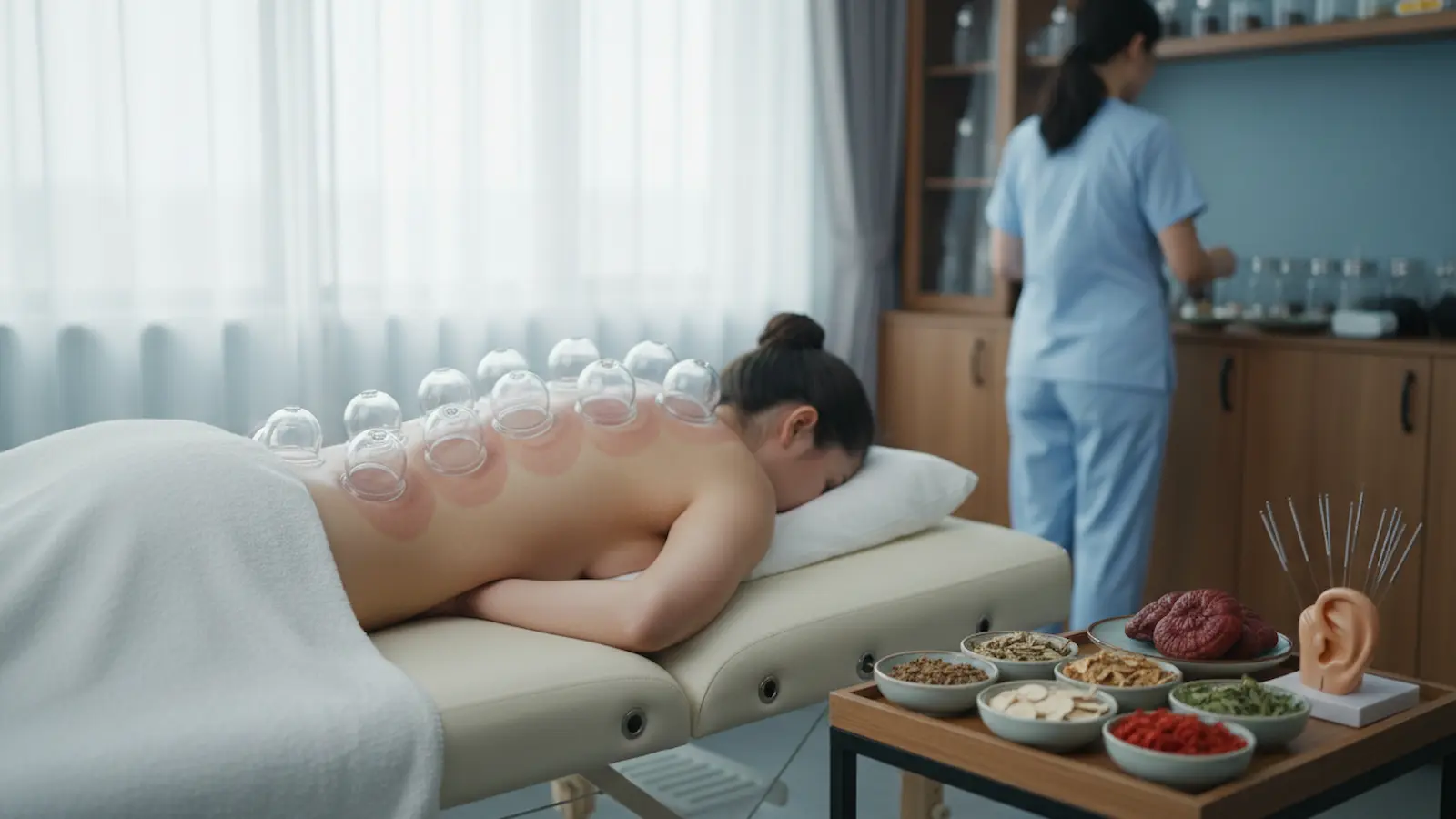
Cupping is rarely used as a stand-alone fix. It's typically paired with acupuncture, Tuina massage, or a prescribed herbal formula as part of a broader course of treatment. Used this way, it can support recovery between visits rather than replace the diagnostic work that guides the rest of the plan.
What to Expect During a Session
A cupping session usually begins with the practitioner checking in about your current symptoms before placing cups on the areas that feel most restricted. Sessions are generally brief, and it's common to notice round, temporary marks on the skin afterward where the suction pulled blood toward the surface. These marks typically fade within a few days and are considered a normal part of the process rather than a cause for concern.
Finding Cupping Near You
If you're looking into providers, it helps to ask how cupping fits into their overall treatment approach rather than booking it as an isolated service. Our guide on Massage Cupping Therapy Near Me: What to Expect walks through what a first visit usually looks like and the questions worth asking before you go.
Who Tends to Benefit Most
People dealing with chronic pain conditions, including low back pain, sciatica, and knee pain, often ask about cupping alongside acupuncture. It also comes up frequently for neck and shoulder tightness, particularly among people whose work involves long hours at a desk. For a closer look at this specific use, read Cupping for Neck Pain. Others seek it out for general stress and tension, where loosening tight muscles can make it easier to relax and sleep.
A Diagnosis-First Approach at Traditional Healing Centre
I'm Jason Tarter, a Registered Acupuncturist and Registered Traditional Chinese Medicine Practitioner with the CTCMPAO, and I've been treating patients in Keswick since 2008. Every treatment plan I put together starts from the patient's own Traditional Chinese Medicine diagnosis, never an off-the-shelf protocol, which means cupping is only used where it genuinely fits your pattern rather than applied by default. I often combine it with acupuncture and, where helpful, a custom herbal formula filled through our own dispensary. Most patients plan on 5 to 10 treatments before we evaluate progress together, and receipts are issued under my R.Ac and R.TCMP designations, which many extended health plans accept for acupuncture and Chinese medicine services, though OHIP does not cover them.
If you'd like to find out whether cupping or acupuncture fits your situation, get in touch with any questions, or go ahead and book an appointment directly.
Ready to book, or have a question?
Book with Traditional Healing CentreIn this series
- Fire Cupping: What It Is, Does It Hurt, and the Marks It Leaves
- How Often Should You Get Cupping?
- Cupping for Neck Pain
- Chinese Cupping Therapy at Home: What to Know First
- Cupping Therapy: How It Works and Who It Helps
- Cupping Side Effects, Bruises and Dangers: What's Normal
- Understanding the Cupping Procedure: What to Expect
- Facial Cupping Therapy: What It Is and How It Works
- Flame Cupping: How It Works and What to Expect
- Cupping Therapy Chinese Medicine: What to Expect
- Back Pain Cupping Therapy: What to Expect and How It Helps
- Cupping Placement Chart: What It Shows and Why It Varies
- Massage Cupping Therapy Near Me: What to Expect
- Chinese Cupping Near Me: What to Know Before You Book
- How Often Should You Do Cupping? A Practical Guide
- Cupping Therapy for Legs: Benefits and What to Expect
- Wet Cupping Benefits: What the Research Really Shows
- Chinese Cupping Benefits: What This Therapy Can Do for You
- Where to Place Cups for Cupping: A Regional Guide
- Cupping Therapy Video: What You'll See Before a Visit
- Chinese Cupping Weight Loss: What Traditional Chinese Medicine Says
- Fire Cupping Back Treatment: What to Expect and Why It Helps
- Benefits of Ventosa Massage Cupping Therapy for Pain and Tension