
Fire Cupping Back Treatment: What to Expect and Why It Helps
November 24, 2026 · Jason Tarter, R.TCMP, R.Ac
In short
Fire cupping on the back uses a brief flame to create suction inside a glass cup, which is then placed on the skin to draw blood flow into the muscles and loosen tight tissue. It's most often used across the upper back, shoulders and lower back, and the round marks it leaves usually fade within a week or two.
Many people who search for fire cupping back treatment are dealing with tension or pain that hasn't let up with stretching or rest alone, and they've seen photos of the distinctive circular marks and want to understand what's behind them. The back is also simply where cupping is applied most often, since it offers wide, flat muscle groups along the spine, shoulder blades and lower back that respond well to suction.
In this article
What Fire Cupping Is
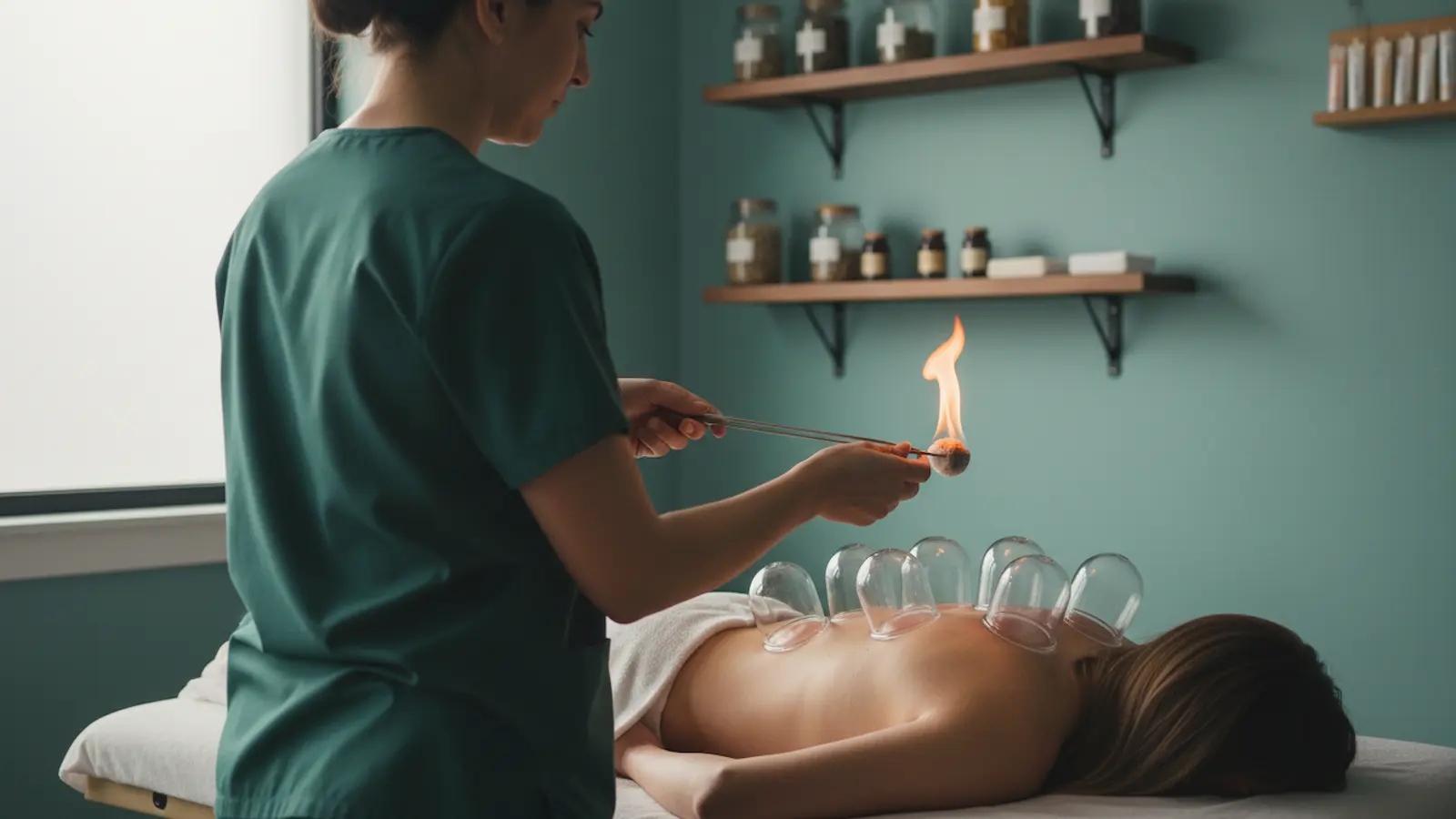
Fire cupping is one of the oldest techniques in Traditional Chinese Medicine. A practitioner holds a flame briefly inside a glass cup to remove the oxygen, then places the cup against the skin before it cools. As the air inside contracts, it pulls the skin and superficial muscle upward into the cup. That gentle pulling is the entire mechanism: no needle enters the skin, and the flame never touches the body.
How It Differs From Other Cupping Methods
Some clinics use pump cups or silicone cups instead of fire, which create suction mechanically rather than with heat. Fire cupping is valued because the heat itself is considered part of the therapeutic effect in Traditional Chinese Medicine, warming the area as the suction is applied. For a closer look at the technique itself, including how it feels and what the marks mean, see Fire Cupping: What It Is, Does It Hurt, and the Marks It Leaves.
Why the Back Is a Common Treatment Area
Muscle Groups That Respond Well
The muscles running along either side of the spine, across the shoulder blades and through the lower back carry a great deal of daily tension, whether from sitting at a desk, physical labor or stress held in the shoulders. These are also broad, accessible areas where several cups can be placed at once, which makes the back a practical and frequently chosen site for the technique.
Qi and Blood Stagnation in the Back
Book a time
Pick a time that suits you.
Book a time- Phone: (647) 346-2780
- Email: jasontcm@traditionalhealingcentre.com
- Address: 213 Queensway S. Unit 400, Keswick, Ontario, L4P2A7
Related articles
In Traditional Chinese Medicine, pain and tightness are often understood as a sign of Qi and Blood stagnation, meaning the smooth flow of Qi and Blood through the area has been disrupted. Cupping is believed to draw blood to the surface and help restore that movement, which is why it's so often applied to areas of chronic back tightness rather than used as a stand-alone treatment for a single sore spot.
What to Expect During Treatment
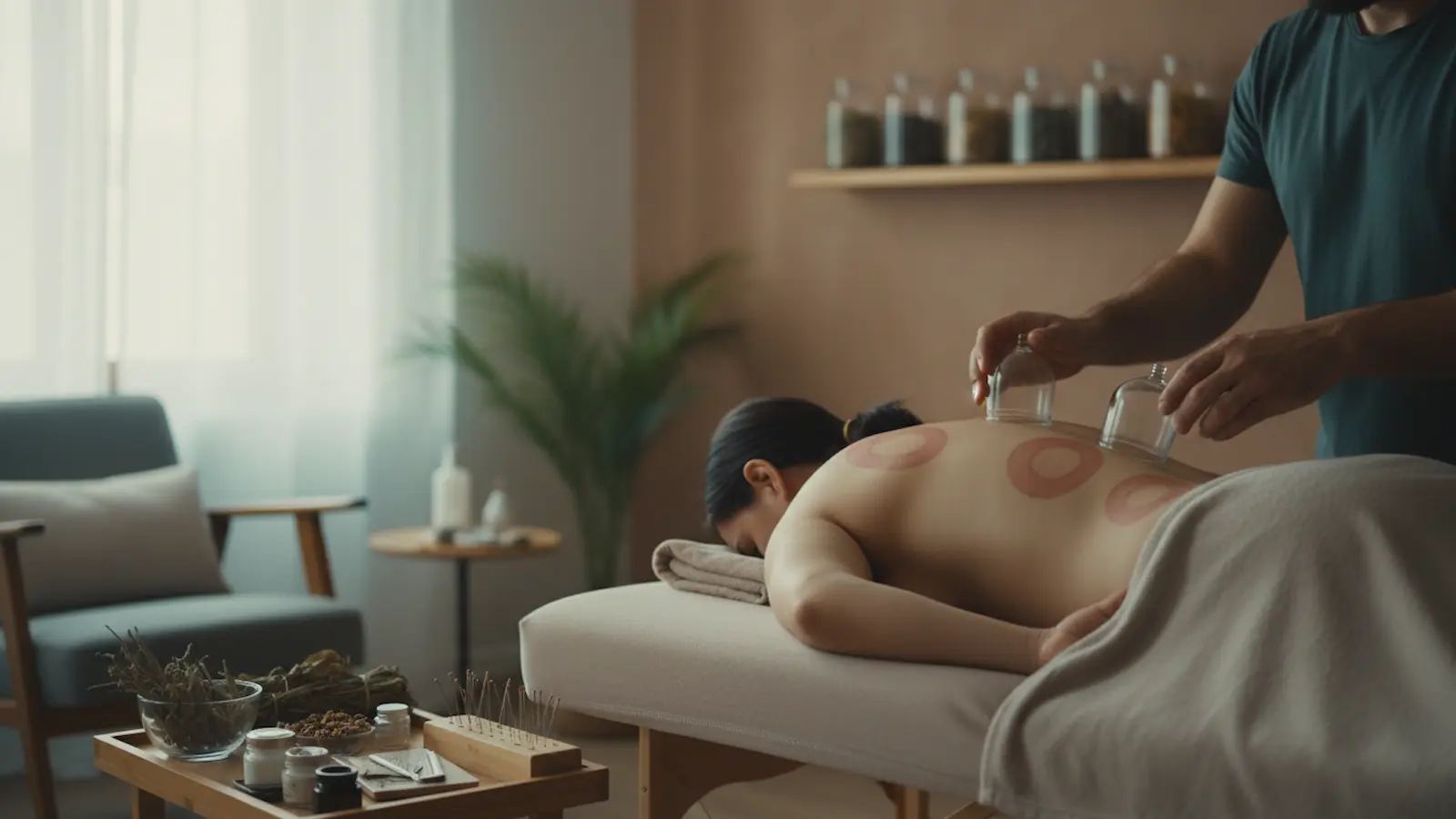
A typical back cupping session involves several cups placed in a row along the spine, shoulders or lower back, left in place for several minutes, or sometimes moved slowly across the skin with oil. Patients often describe the sensation as a firm pulling or tight pressure rather than sharp pain. If cupping is being used alongside acupuncture, it's typically applied after the needles are removed, during the same visit.
The Marks It Leaves
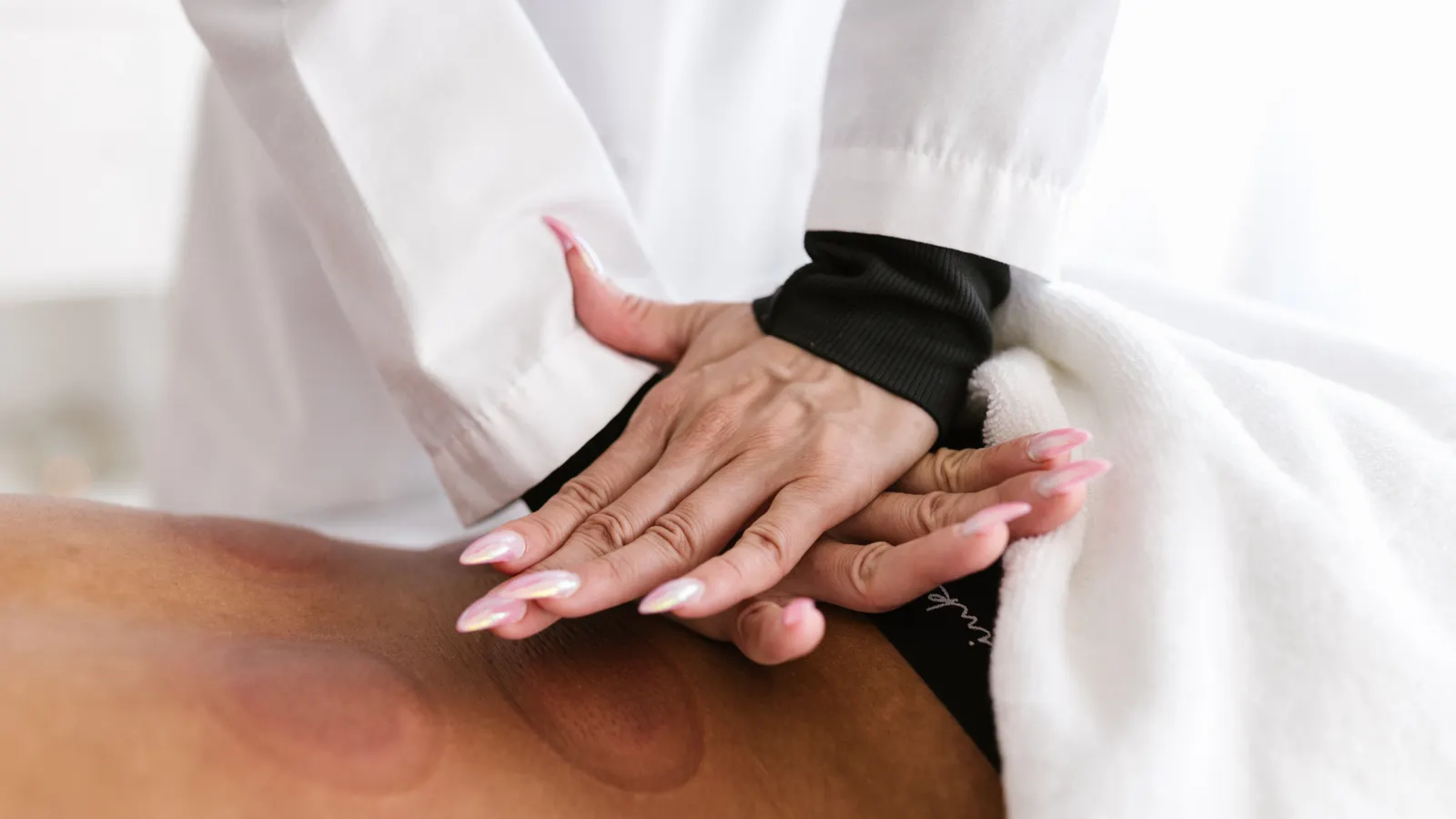
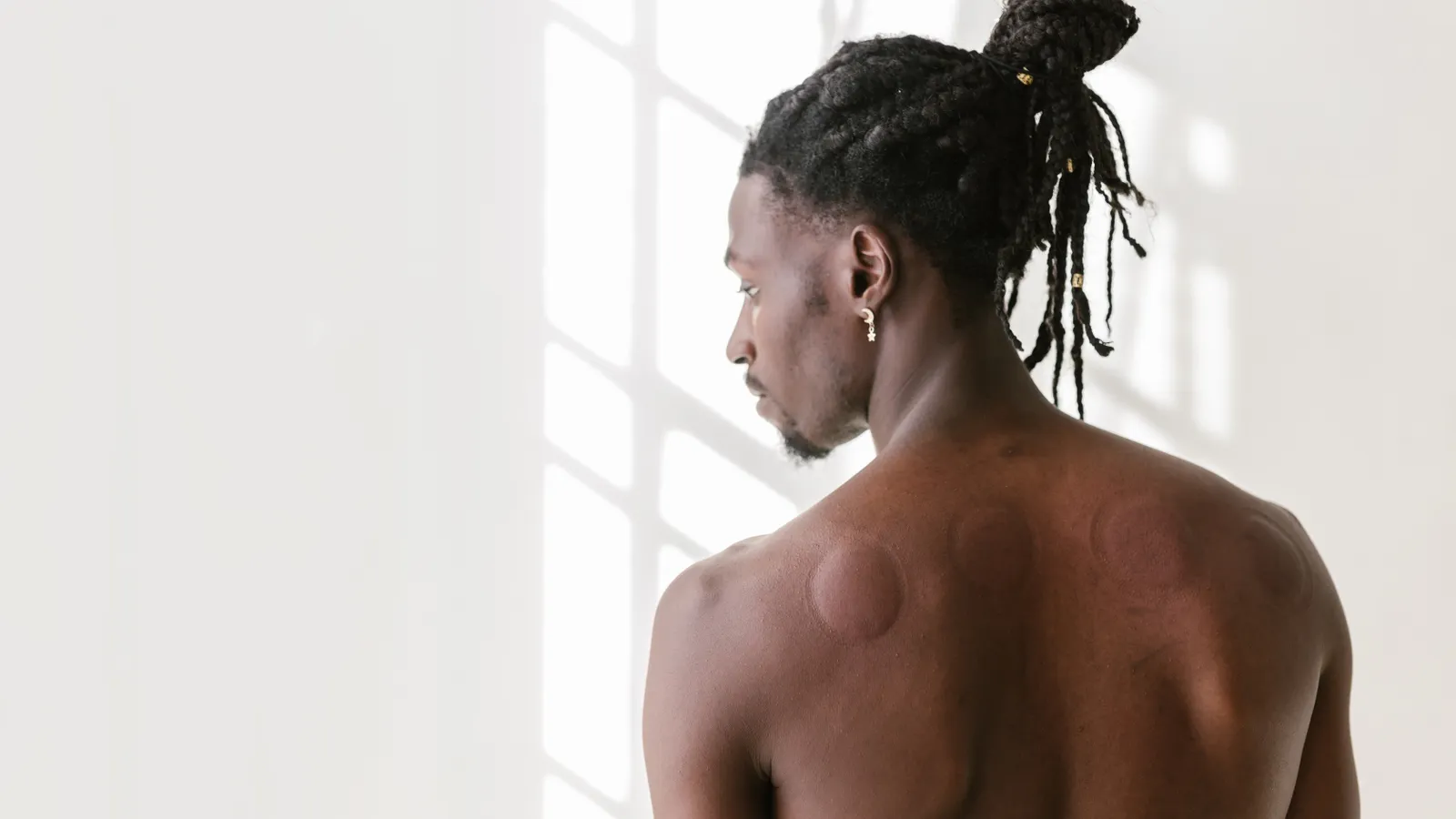
The circular marks that follow fire cupping are the result of blood being drawn to the surface of the skin, not burns from the flame. They range from light pink to a deeper purple, depending on how much stagnation was present in that area, and they generally fade within a week or two. If a tight neck and shoulders are the main concern, Cupping for Neck Pain covers how the technique is adapted for that smaller, more sensitive area.
Fire Cupping as Part of a Larger Treatment Plan
Cupping is rarely used alone in Traditional Chinese Medicine. It's often paired with acupuncture, where needles address specific points along the body's channels while cupping works more broadly across larger muscle groups. For a fuller explanation of how the two techniques fit together, see Cupping Method Acupuncture: What It Is and How It Works.
At Traditional Healing Centre in Keswick, Ontario, Jason Tarter, R.TCMP, R.Ac, builds every treatment plan from an individual's own Traditional Chinese Medicine diagnosis rather than a standard protocol, which means fire cupping on the back is only used where the diagnosis supports it, alongside acupuncture or Chinese herbal medicine as needed. Jason has been in practice for 18 years and is registered with the College of Traditional Chinese Medicine Practitioners and Acupuncturists of Ontario.
What to Keep in Mind Before Booking
Most patients are advised to plan on five to ten treatments before judging whether a course of treatment is working, since cupping and acupuncture both work gradually with the body rather than producing an immediate, lasting change after one visit. Many extended health plans cover acupuncture and Chinese medicine services, though OHIP does not, and receipts are issued by a Registered Acupuncturist and Registered Traditional Chinese Medicine Practitioner for insurance purposes.
Ready to book, or have a question?
Book with Traditional Healing CentreIn this series
- Fire Cupping: What It Is, Does It Hurt, and the Marks It Leaves
- How Often Should You Get Cupping?
- Cupping for Neck Pain
- Chinese Cupping Therapy at Home: What to Know First
- Cupping Therapy: How It Works and Who It Helps
- Cupping Side Effects, Bruises and Dangers: What's Normal
- Understanding the Cupping Procedure: What to Expect
- Facial Cupping Therapy: What It Is and How It Works
- Flame Cupping: How It Works and What to Expect
- Cupping Therapy Chinese Medicine: What to Expect
- Back Pain Cupping Therapy: What to Expect and How It Helps
- Cupping Placement Chart: What It Shows and Why It Varies
- Massage Cupping Therapy Near Me: What to Expect
- Chinese Cupping Near Me: What to Know Before You Book
- How Often Should You Do Cupping? A Practical Guide
- Cupping Therapy for Legs: Benefits and What to Expect
- Wet Cupping Benefits: What the Research Really Shows
- Chinese Cupping Benefits: What This Therapy Can Do for You
- Where to Place Cups for Cupping: A Regional Guide
- Cupping Therapy Video: What You'll See Before a Visit
- Benefits of Ventosa Massage Cupping Therapy for Pain and Tension
- Chinese Cupping Weight Loss: What Traditional Chinese Medicine Says
- Fire Cupping Back Treatment: What to Expect and Why It Helps