
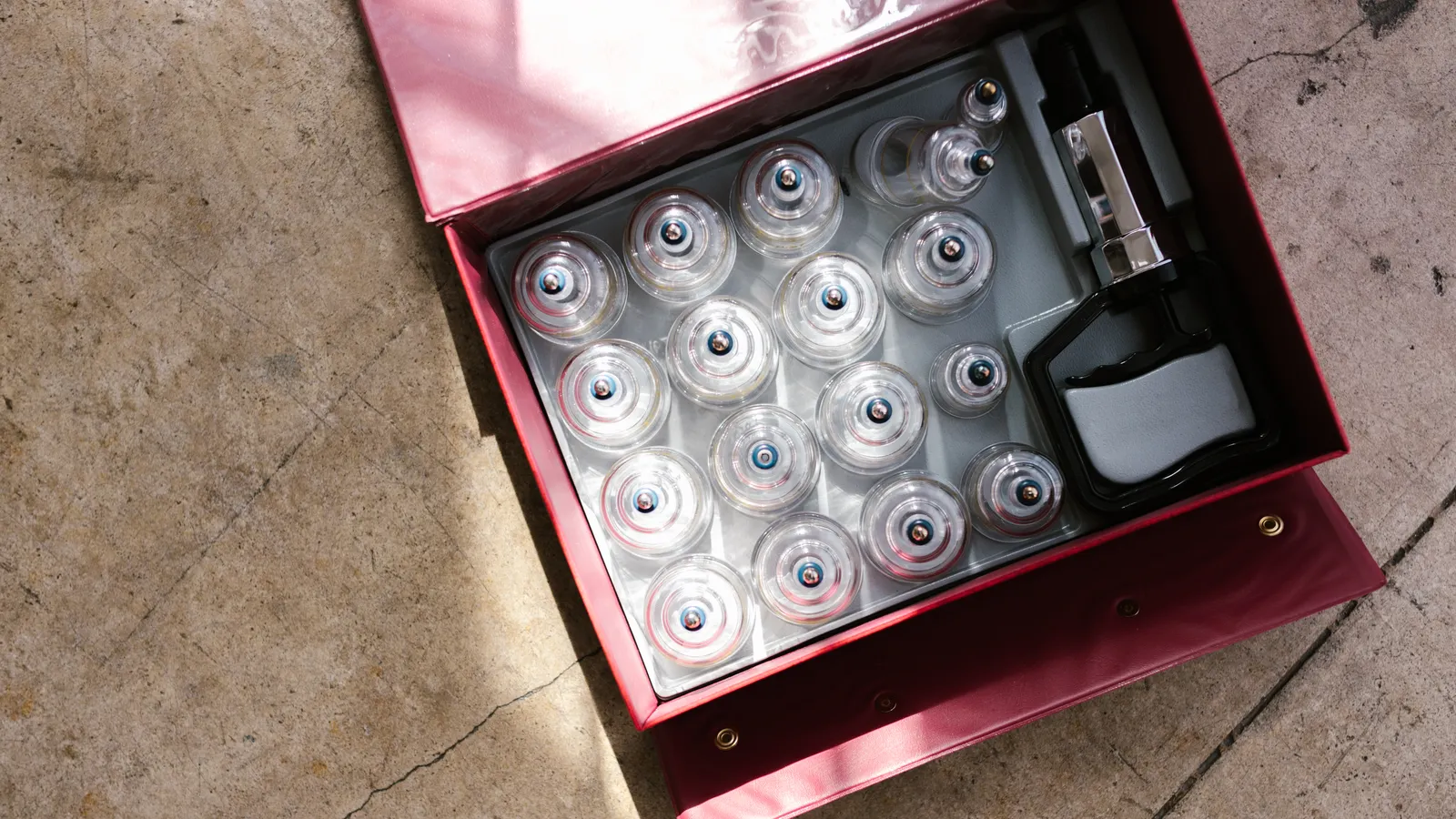
In short
A cupping therapy video typically shows a practitioner placing glass, silicone, or plastic cups on the skin to create suction, which draws blood to the surface and often leaves temporary circular marks. The footage can look dramatic, but the sensation is usually described as a tight pulling rather than pain, and the marks fade within several days to about two weeks.
Watching one of these clips online is often how people first encounter this part of Traditional Chinese Medicine, and it's natural to have questions after seeing the suction and the marks it leaves behind. Video can show the mechanics of a treatment, but it can't show you what the process feels like, how a practitioner decides where to place the cups, or why the marks vary so much from one person to the next. This article walks through what's actually happening in those clips, so you arrive at your own visit with realistic expectations rather than assumptions pulled from a thirty-second social media post.
In this article
Why Cupping Looks the Way It Does on Camera
The Suction Itself
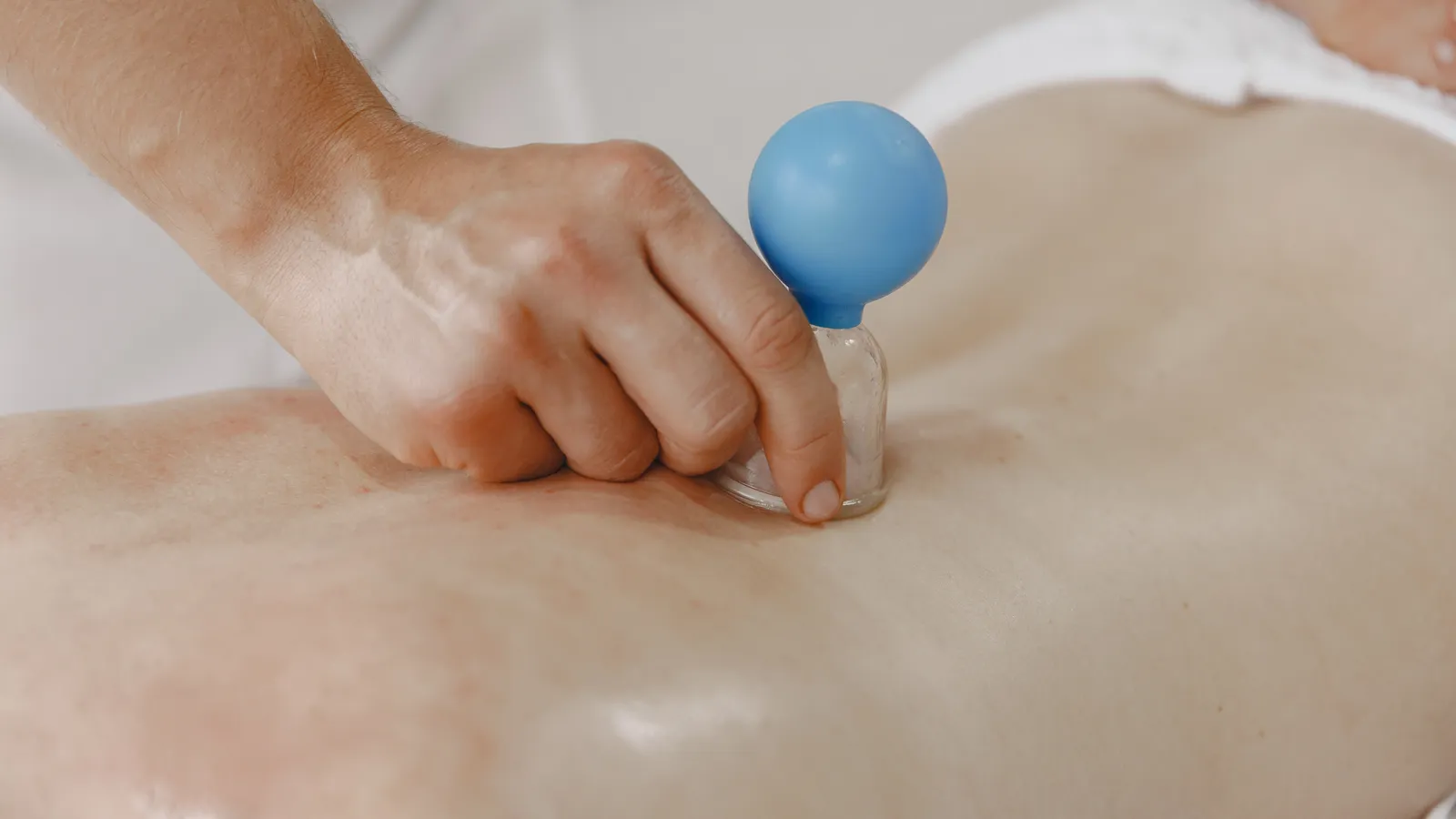
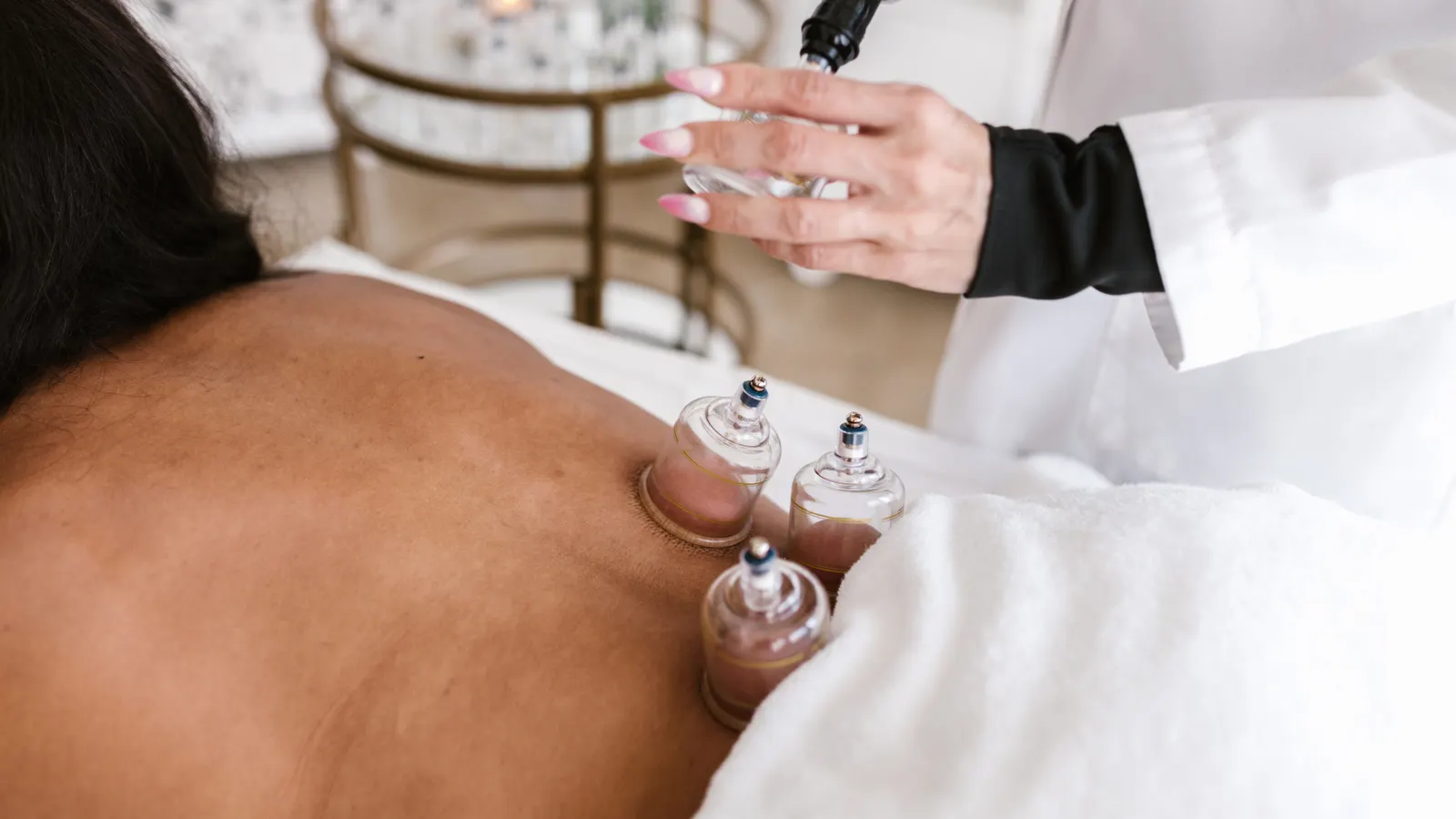
In most videos, you'll see a cup pressed against the skin, either after a flame has briefly removed the air inside it or through a mechanical pump attached to the cup. Either method creates negative pressure that pulls the skin and underlying tissue upward into the cup. This is what produces the visible "pulling" effect that makes cupping so recognizable on video. In Traditional Chinese Medicine terms, this suction is understood as a way to move Qi and Blood stagnation, helping to relieve areas where circulation feels restricted or where muscles have tightened around a particular pattern.
The Marks and Why They Vary
The circular marks that often follow a session are probably the single biggest reason cupping videos get shared and discussed. These marks result from small blood vessels near the skin's surface responding to the suction, and their color and intensity differ depending on the person, the area treated, and the underlying pattern being addressed. Darker marks are sometimes associated with more significant Qi and Blood stagnation in that area, while lighter marks may simply reflect sensitive skin. None of this is predictable from video alone, which is one reason a short clip can't substitute for an actual diagnosis.
What a Video Can't Show You
The Diagnosis Behind the Placement
A cupping therapy video usually begins with the cups already in place, which skips over the most important part of the visit. In my approach, I never place cups based on a generic template. Every treatment plan starts from your own Traditional Chinese Medicine diagnosis, built from questions about your health, a look at your tongue, and a reading of your pulse, not an off-the-shelf protocol. That assessment determines where cups go, how long they stay, and whether cupping is even the right tool for your particular pattern that day.
How It's Often Combined With Other Techniques
Book a time
Pick a time that suits you.
Book a time- Phone: (647) 346-2780
- Email: jasontcm@traditionalhealingcentre.com
- Address: 213 Queensway S. Unit 400, Keswick, Ontario, L4P2A7
Related articles
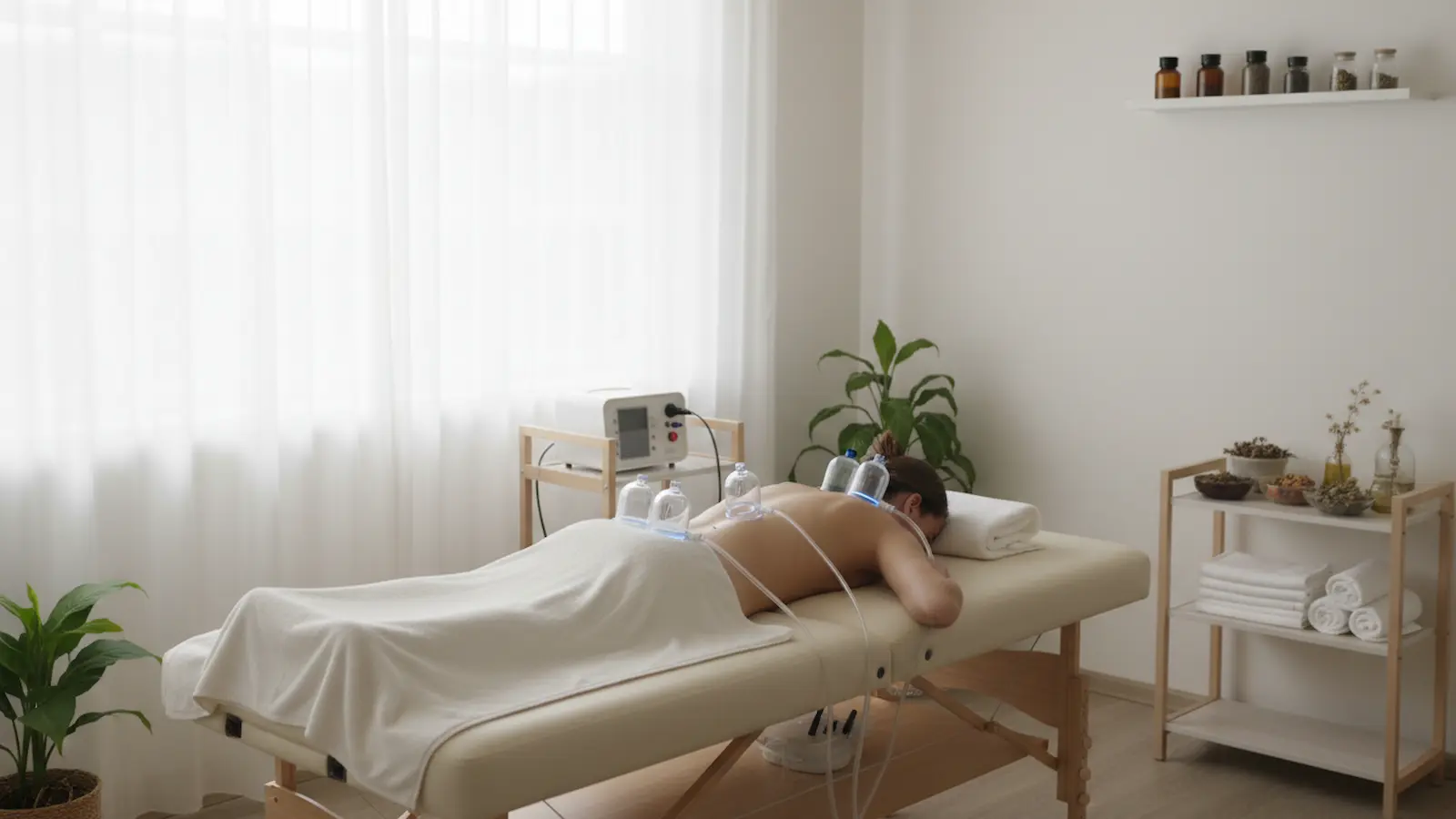
Footage also rarely shows the full course of treatment a person follows. Cupping is frequently paired with other techniques, including Tuina massage or acupuncture, depending on what the diagnosis calls for. If you're dealing with a specific area of tension, it's worth reading about cupping for neck pain or about facial cupping therapy, both of which explain how the technique is adapted for a particular region rather than applied the same way everywhere.
Setting Realistic Expectations From What You've Watched
Sensation Versus Spectacle
Video is a visual medium, so it naturally emphasizes the most dramatic moment, the marks left behind. What it leaves out is the sensation during the actual session, which most people describe as a firm pulling or tightness rather than sharp pain. It also leaves out the gradual nature of the work. Plan on five to ten treatments to judge meaningful progress, since a single session, however compelling on camera, is rarely the full picture.
Where Traditional Healing Centre Fits In
If a video has you curious about trying cupping yourself, it helps to work with a practitioner who treats the technique as part of a broader diagnosis rather than a standalone trick. At Traditional Healing Centre in Keswick, Ontario, Jason Tarter, R.TCMP, R.Ac, has practiced for 18 years and is registered with the College of Traditional Chinese Medicine Practitioners and Acupuncturists of Ontario. Cupping is offered alongside acupuncture, Chinese herbal medicine, moxibustion, and Tuina massage, with every plan built from your own pattern rather than a generic protocol. Many extended health plans cover these services, and receipts are issued by a Registered Acupuncturist and Registered TCM Practitioner for insurance purposes.
Bringing What You've Learned to a Real Visit
Ready to book, or have a question?
Book with Traditional Healing CentreIn this series
- Fire Cupping: What It Is, Does It Hurt, and the Marks It Leaves
- How Often Should You Get Cupping?
- Cupping for Neck Pain
- Chinese Cupping Therapy at Home: What to Know First
- Cupping Therapy: How It Works and Who It Helps
- Cupping Side Effects, Bruises and Dangers: What's Normal
- Understanding the Cupping Procedure: What to Expect
- Facial Cupping Therapy: What It Is and How It Works
- Flame Cupping: How It Works and What to Expect
- Cupping Therapy Chinese Medicine: What to Expect
- Back Pain Cupping Therapy: What to Expect and How It Helps
- Cupping Placement Chart: What It Shows and Why It Varies
- Massage Cupping Therapy Near Me: What to Expect
- Chinese Cupping Near Me: What to Know Before You Book
- How Often Should You Do Cupping? A Practical Guide
- Cupping Therapy for Legs: Benefits and What to Expect
- Wet Cupping Benefits: What the Research Really Shows
- Chinese Cupping Benefits: What This Therapy Can Do for You
- Where to Place Cups for Cupping: A Regional Guide
- Benefits of Ventosa Massage Cupping Therapy for Pain and Tension
- Chinese Cupping Weight Loss: What Traditional Chinese Medicine Says
- Fire Cupping Back Treatment: What to Expect and Why It Helps
- Cupping Therapy Video: What You'll See Before a Visit