
In short
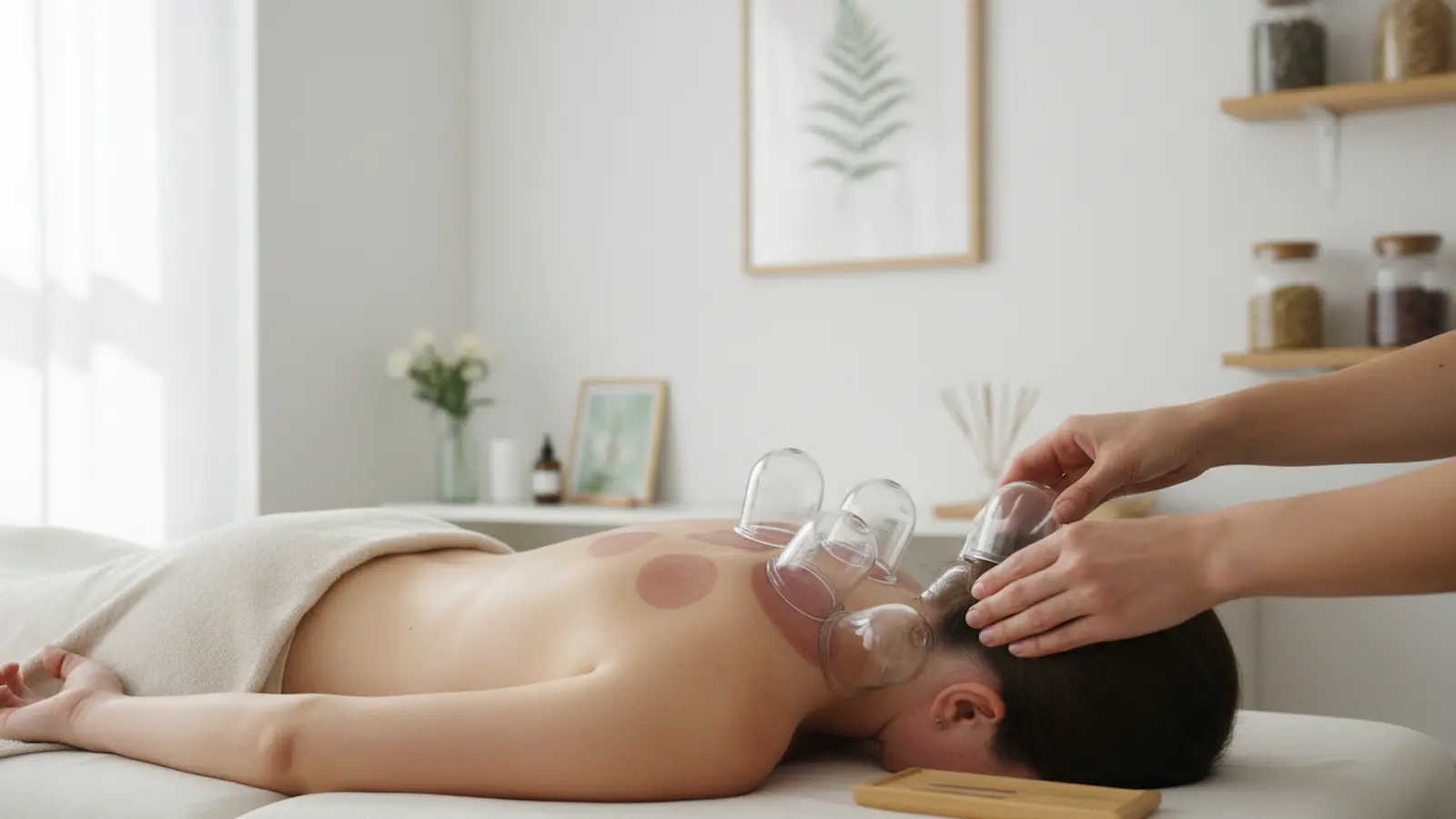
Yes, cupping on the neck is generally safe when it's done by a trained practitioner who adjusts suction strength for the thinner skin and muscle in that area. The main risks are temporary marks, mild soreness, or bruising if suction is too strong or placed over the carotid area, which is why neck cupping should be left to someone familiar with the anatomy involved. Most people tolerate it well, and any marks fade within a few days to two weeks.
If you are dealing with neck tension, stiffness, or pain that radiates into the shoulders, you may have come across cupping as a possible treatment. It's a technique that has grown popular, partly thanks to visible cupping marks on athletes, but the neck is a more delicate area than the back or legs, so it's worth understanding how the technique is adapted before you try it.
In this article
What cupping actually does
Cupping therapy uses glass, plastic, or silicone cups to create suction on the skin. The suction draws blood flow to the surface, which Traditional Chinese Medicine describes as a way to move Qi and Blood stagnation and release tightness in the muscle layer below. This is why cupping is often used alongside acupuncture for musculoskeletal complaints, including neck pain. For a closer look at how the technique works and how a treatment plan might use it, see Cupping Method Acupuncture: What It Is and How It Works.
Why the neck needs a lighter touch
The skin and muscle on the neck are thinner than on the back or thighs, and the area sits close to major blood vessels, the carotid artery, and the trachea. A practitioner who works on the neck needs to know exactly where to place the cups and how much suction to apply so the treatment affects the muscle without creating undue strain. This is different from cupping the back, where stronger suction and larger cups are often used over bigger muscle groups.
Common techniques used on the neck
Two approaches are typically used for neck tension:
- Stationary cupping, where the cup is placed and left for a few minutes.
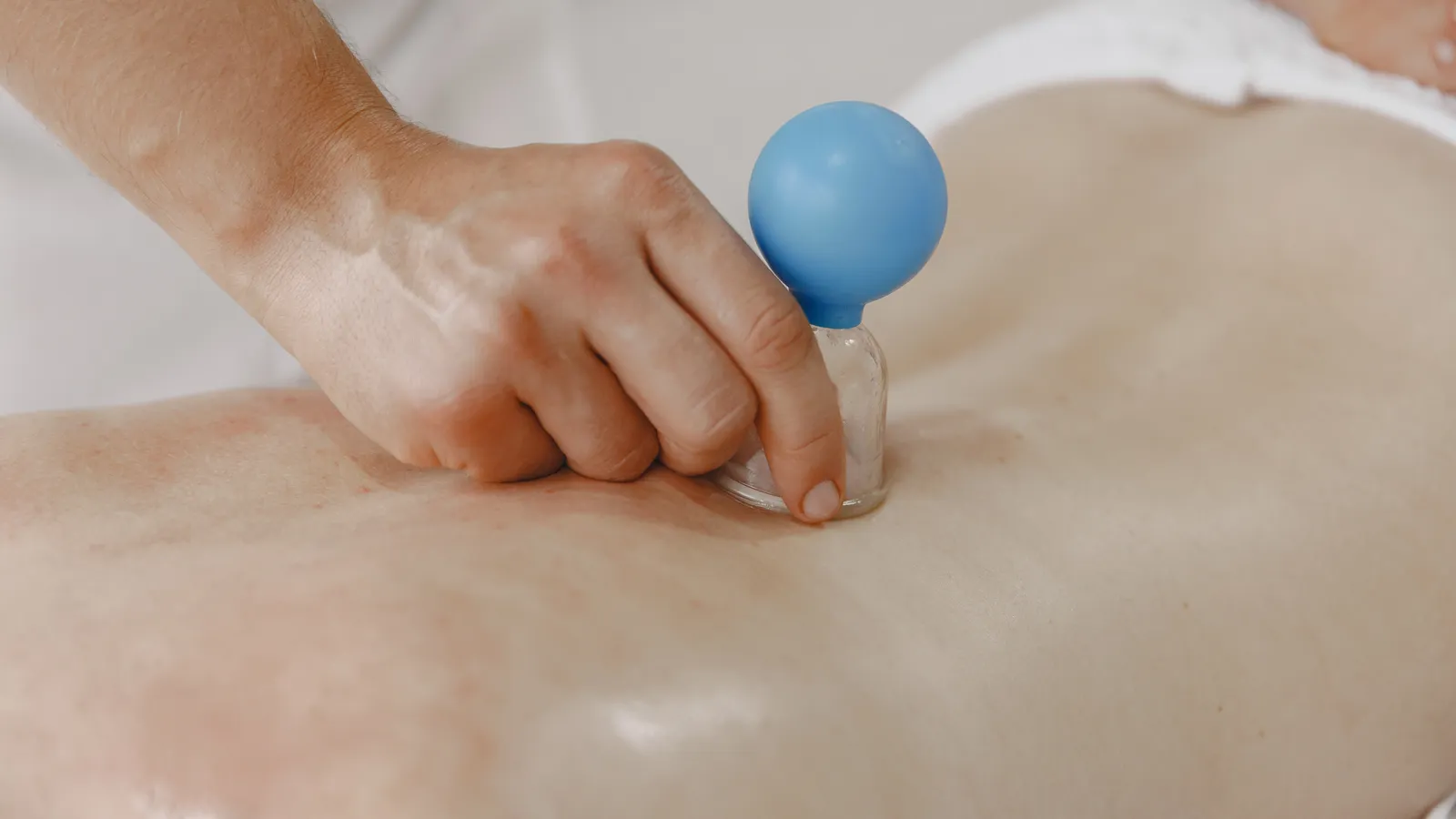
- Sliding cupping, where a thin layer of oil is applied and the cup is moved gently along the muscle.
Sliding cupping is often preferred on the neck because it covers more of the tight area with lighter suction rather than concentrating pressure in one spot.
What to expect during and after treatment
During the session, you should feel a pulling sensation rather than pain. Afterward, it's common to see circular marks that range from pink to purple, depending on how much stagnation was present in the tissue. These marks are not bruises in the traditional sense; they fade over several days to about two weeks. Mild soreness, similar to what you might feel after a deep massage, is also normal for a day or so.
When to pause or avoid cupping
Cupping on the neck is not recommended if you have:
- A skin infection, rash, or open wound in the area
- A bleeding disorder or are taking blood thinners
- Severe osteoporosis or a recent neck injury
- A pacemaker (suction should avoid that area entirely)
Book a time
Pick a time that suits you.
Book a time- Phone: (647) 346-2780
- Email: jasontcm@traditionalhealingcentre.com
- Address: 213 Queensway S. Unit 400, Keswick, Ontario, L4P2A7
Related articles


If any of these apply to you, mention it before your visit so your practitioner can decide whether cupping fits your treatment plan or whether another approach, such as Tuina massage, makes more sense.
Why a proper diagnosis matters first
Neck pain can come from several different patterns in Traditional Chinese Medicine, and the right treatment depends on identifying which one applies to you. A full diagnosis involves a lot of questions about your pain and your health in general, then a look at your tongue and a reading of your pulse. This is how the practitioner works out why you are experiencing your symptoms, not just what they are, before deciding whether cupping, acupuncture, Chinese herbal medicine, or a combination suits your case. At Traditional Healing Centre, every treatment plan starts from your own diagnosis rather than a standard protocol, which is part of what sets the clinic apart. You can read more about how this applies specifically to neck complaints on the Cupping for Neck Pain page.
Pairing cupping with herbal formulas
Some patients benefit from combining cupping with a custom herbal formula aimed at supporting the same pattern identified during diagnosis. Jason Tarter, R.TCMP, R.Ac, who has practiced for 18 years, writes these formulas individually and fills them through the clinic's own herbal dispensary. If you're curious about how herbal medicine fits alongside physical treatments like cupping, see Are Chinese Herbs Safe to Take?
How many sessions to expect
As with most Traditional Chinese Medicine treatments, a single cupping session is unlikely to resolve long-standing neck tension on its own. Plan on 5–10 treatments to judge whether the approach is helping, with adjustments made along the way based on how your body responds.
Getting started safely
If you're considering cupping for neck pain, the safest path is to have a qualified practitioner assess your neck and overall health pattern first. Jason Tarter is registered with the College of Traditional Chinese Medicine Practitioners and Acupuncturists of Ontario (CTCMPAO), and receipts are issued by a Registered Acupuncturist (R.Ac) and Registered Traditional Chinese Medicine Practitioner (R.TCMP), which many extended health plans accept for reimbursement, though OHIP does not cover these services.
If you have more questions about whether cupping is right for your neck, you're welcome to Get in touch before your first visit.
Ready to find out if cupping can help your neck?
Ready to book, or have a question?
Book with Traditional Healing CentreIn this series
- Fire Cupping: What It Is, Does It Hurt, and the Marks It Leaves
- How Often Should You Get Cupping?
- Cupping for Neck Pain
- Chinese Cupping Therapy at Home: What to Know First
- Cupping Therapy: How It Works and Who It Helps
- Cupping Side Effects, Bruises and Dangers: What's Normal
- Understanding the Cupping Procedure: What to Expect
- Facial Cupping Therapy: What It Is and How It Works
- Flame Cupping: How It Works and What to Expect
- Cupping Therapy Chinese Medicine: What to Expect
- Back Pain Cupping Therapy: What to Expect and How It Helps
- Cupping Placement Chart: What It Shows and Why It Varies
- Massage Cupping Therapy Near Me: What to Expect
- Chinese Cupping Near Me: What to Know Before You Book
- How Often Should You Do Cupping? A Practical Guide
- Cupping Therapy for Legs: Benefits and What to Expect
- Wet Cupping Benefits: What the Research Really Shows
- Chinese Cupping Benefits: What This Therapy Can Do for You
- Chinese Cupping Massage: Benefits, Process, and What to Expect
- Where to Place Cups for Cupping: A Regional Guide
- Cupping Therapy Video: What You'll See Before a Visit
- Benefits of Ventosa Massage Cupping Therapy for Pain and Tension
- Chinese Cupping Weight Loss: What Traditional Chinese Medicine Says
- Fire Cupping Back Treatment: What to Expect and Why It Helps
- Is It Safe to Do Cupping on Neck Muscles?